
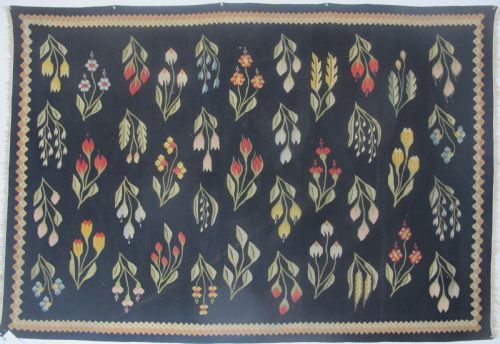
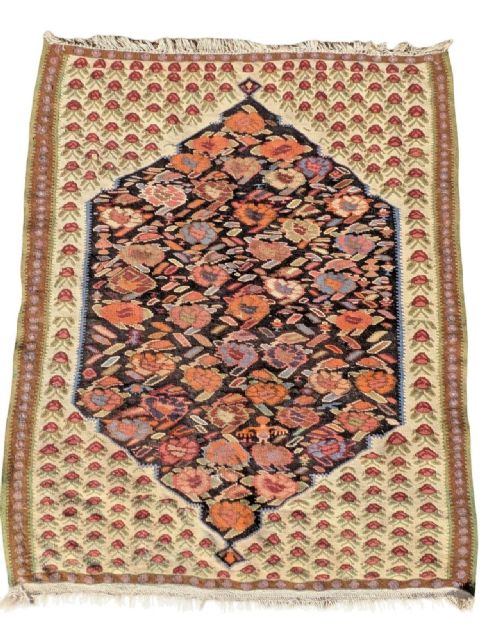
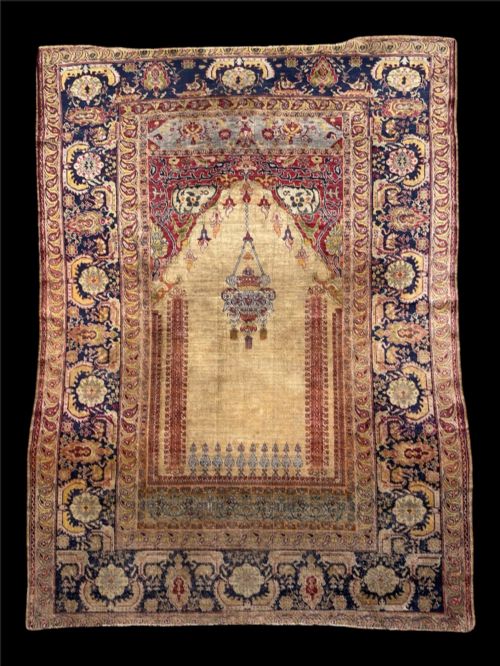
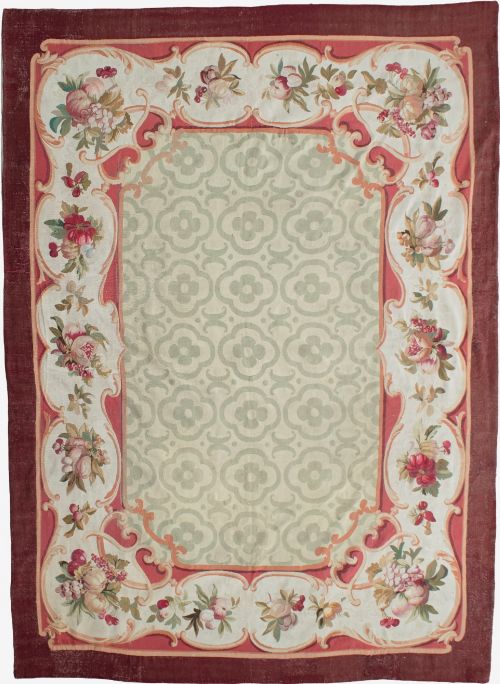
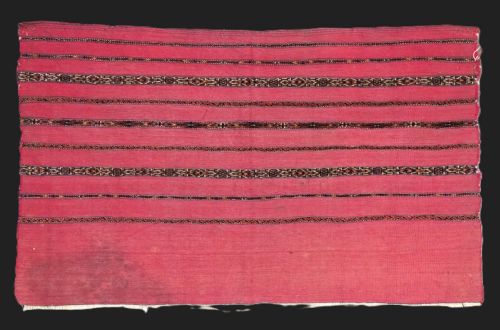


Woven Tapestry Carpet
These woven tapestry carpet examples bring rich historical pattern and genuine regional textiles straight into modern rooms.
Woven Tapestry Carpet
When searching for a woven tapestry carpet, collectors encounter a diverse selection of flatwoven rugs, traditional kilims, and embroidered textiles originating from European and Asian traditions. The pieces on this page span styles such as Turkmen tribal, Bessarabian, and French chateau, offering distinct regional patterns.
The selection ranges from nineteenth-century examples to pieces from the early decades of the twentieth century. Buyers will frequently find floral designs from European workshops alongside geometric tribal motifs from Central Asian and Persian makers.
How they were made
Traditional weavers constructed these textiles primarily using wool, cotton, and silk, employing techniques passed down through generations. Natural dyes provided the deep and subtle palettes recorded across the periods.
Flatweaving methods created durable surfaces without traditional pile, while specialised needlepoint and panel joining techniques formed larger rugs and decorative wall hangings from narrower strips.
Listings feature periods spanning from the mid-nineteenth century through the 1940s, utilising wool, cotton, silk, and natural dyes.
What varies in quality
The finest examples display exceptional crispness in their motifs, whether executing complex floral garlands or precise tribal guls. Superior pieces demonstrate deliberate control over dye absorption, resulting in harmonious and enduring colour palettes.
Structural integrity and fineness of the weave distinguish standard production from masterwork output. The precision of the border alignment and the stability of the foundational fibres reveal the original maker's level of skill.
The Woven Tapestry Carpet Glossary
- Kilim
- A flatwoven carpet or rug produced without a pile by tightly interweaving warp and weft strands. This technique creates a lightweight textile suitable for both floor placement and wall hanging.
- Chuval
- A large Turkmen storage bag face often repurposed as a decorative hanging or small rug. These pieces typically feature repeating gul motifs.
- Gul
- A medallion or repeating primary motif found in Turkmen and other Central Asian textile designs. Each tribal group utilised distinct geometric forms within their weaving.
- Sofreh
- A woven spread or eating cloth traditionally used for domestic meals or ritual dining in Persian and Baluch cultures. They often incorporate stark geometric fields.
- Suzani
- A type of embroidered tribal textile originating from Central Asia, frequently worked in silk on a cotton or linen foundation. They display vibrant floral or sunburst patterns.
Woven Tapestry Carpet: Frequently Asked Questions
How do I care for an antique flatwoven rug?
Protect the textile from direct sunlight to prevent natural dyes from fading over time. Vacuum gently with a suction-only attachment without using a rotating brush bar.
Professional specialist cleaning is recommended every few years to remove embedded dust safely. Avoid placing heavy furniture directly on delicate flatwoven sections.
Where were Bessarabian kilims made?
These distinct flatweaves originated in the historical region of Bessarabia, situated in Eastern Europe between the Prut and Dniester rivers. Local workshops blended European floral aesthetics with traditional flatweaving structures.
They frequently feature dark grounds paired with vibrant natural dye roses and scrolling foliage. This regional style contrasted sharply with the geometric patterns of Central Asian workshops.
What is a tribal gul motif?
A gul is an octagonal or repeating medallion design utilised by nomadic and tribal weavers to identify specific clans. Turkmen groups such as the Tekke and Yomut incorporated these forms into storage bags and carpets.
These motifs served as visual markers of lineage and heritage within the weaving tradition. The precise drawing of each gul often indicates the relative skill of the maker.
Can I use these textiles on the floor?
Many flatwoven examples function well as floor coverings in areas with moderate foot traffic. Using an appropriate underlay helps prevent slipping and reduces friction against the floorboards.
Delicate silk pieces or fragile antique fragments are better suited for wall display or low-traffic spaces. Assessing the original structural integrity helps determine the best placement in a room.