


Woven Oriental Accent Rug
A woven oriental accent rug brings rich pattern and tactile warmth to a room through centuries of traditional craftsmanship.
Woven Oriental Accent Rug
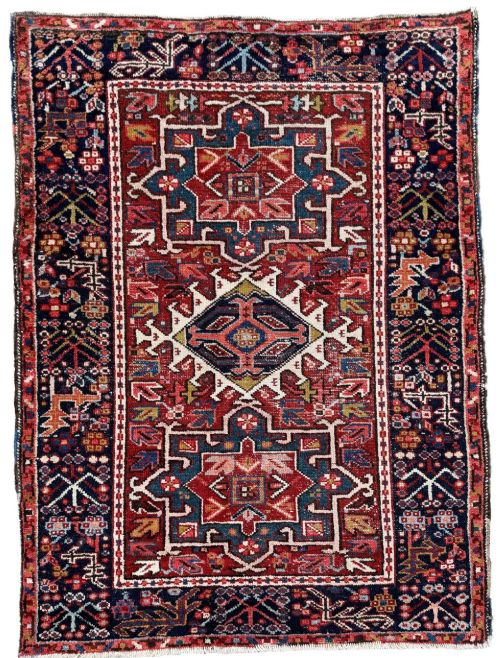
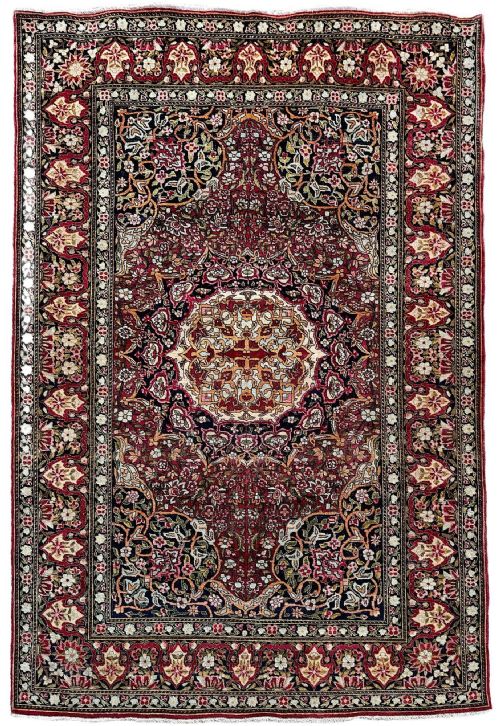
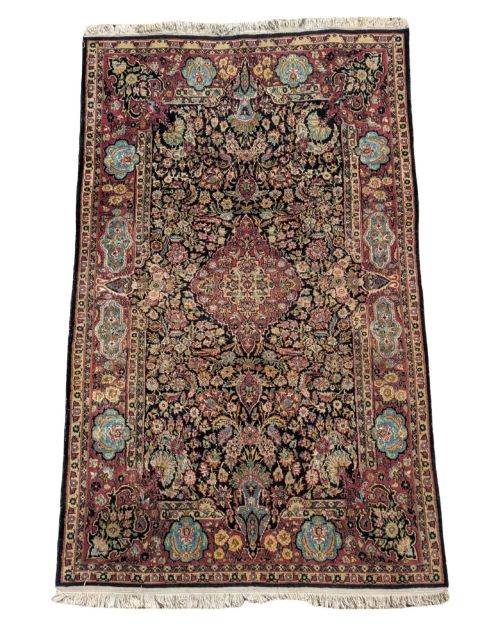
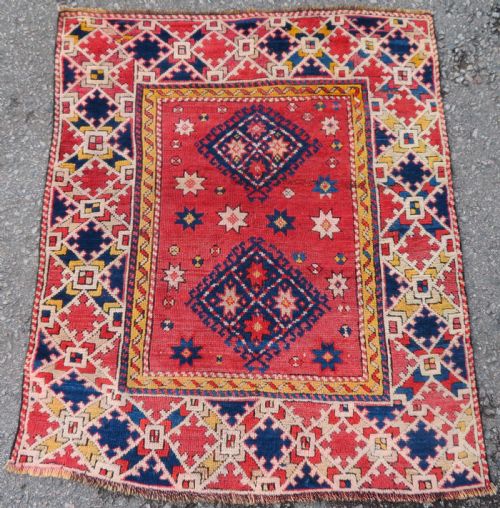
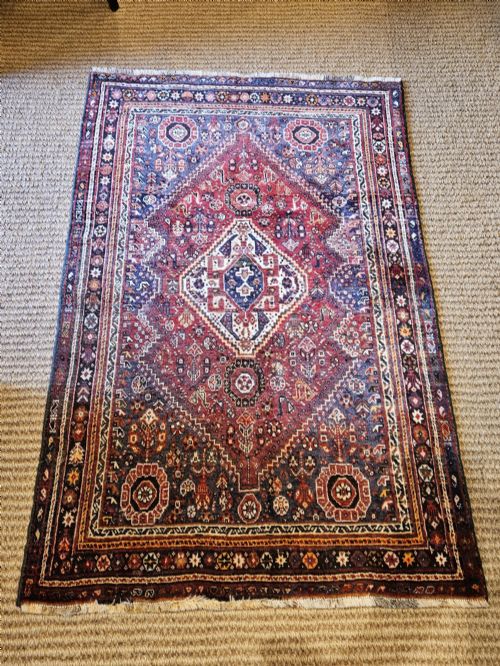
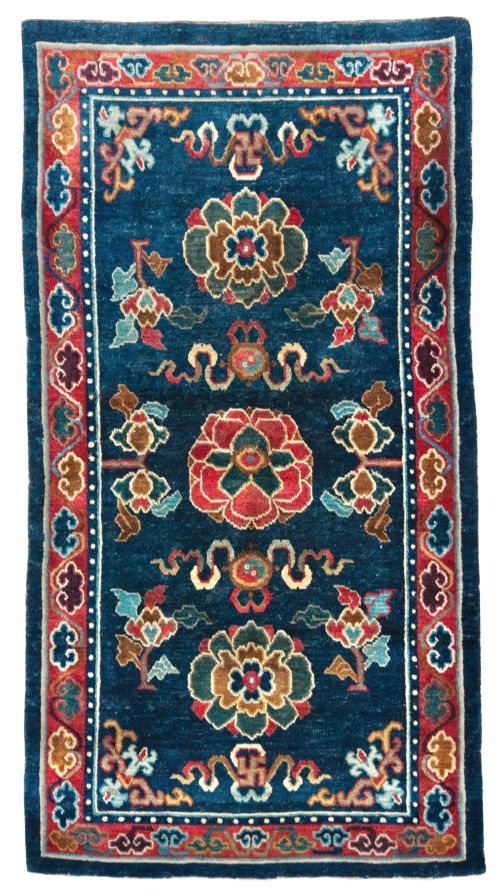
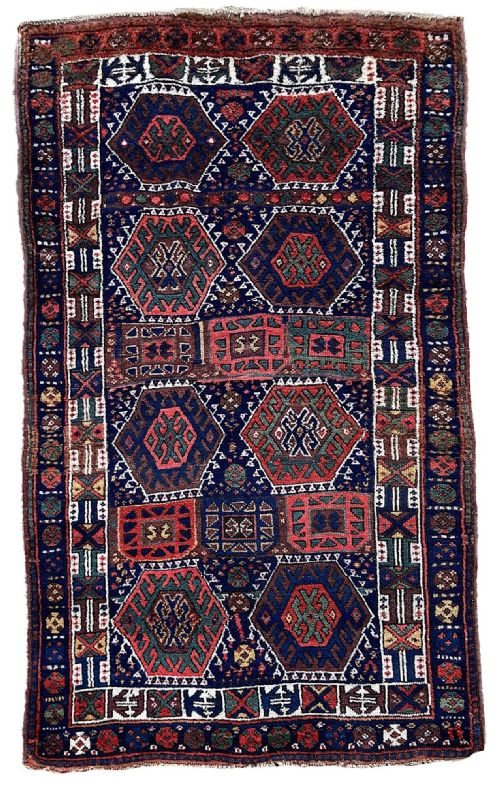
A woven oriental accent rug encompasses hand-knotted and flat-woven floor coverings originating from Persia, Anatolia, the Caucasus, and Central Asia. These textiles serve as smaller focal points or functional furnishings within a space, ranging from compact mats to larger tribal room pieces and cushions.
The selection on this page spans from the nineteenth century into the early twentieth century, capturing village productions, nomadic pieces, and city workshops alike. Buyers frequently encounter regional styles such as Heriz, Malayer, Isfahan, and Kurdish tribal rugs alongside Tibetan khadens and Anatolian Bergama pieces.
How they were made
Weavers constructed these textiles predominantly using wool, cotton foundations, and occasional silk highlights, employing hand-spun wool for durability and varied texture. Natural dyes supplied the characteristic palette of rust reds, deep blues, and earthy tones that age with considerable depth.
The construction relies on traditional knotting and flat-weaving techniques passed down through generations within specific regions and tribes. Loop and pile structures vary according to whether a piece originated from a nomadic tent, a village workshop, or a structured city loom.
Listings feature pieces spanning from the mid-nineteenth century through the 1930s, incorporating wool, cotton, silk, and natural dyes.
What varies in quality
Quality rests upon knot density, the integrity of the foundation threads, and the precision of the design execution. Tighter knots and finer hand-spun wool generally indicate greater durability and a more refined resolution of intricate geometric or floral motifs.
The stability of the natural dyes and the preservation of the original edges and borders heavily influence the structural merit of each textile. Pieces showing consistent pile retention and thoughtful colour saturation stand apart from examples with uneven wear or compromised foundations.
The Woven Oriental Accent Rug Glossary
- Pile
- The upright yarn loops that form the tactile surface of a rug. Shorter piles often reveal finer structural detail underneath.
- Medallion
- A central ornamental design motif placed in the middle of the rug field. Many Persian and Anatolian types employ this focal geometry.
- Knot density
- The number of knots per square unit, which dictates the clarity of the pattern. Higher counts require greater labour and skill from the weaver.
- Warp
- The stationary vertical threads stretched across the loom that form the structural foundation. Weft threads are interlaced across them to secure the weave.
- Kilim
- A flat-woven textile produced without a pile. These pieces are often utilised as rugs or adapted into cushions and pillows.
Woven Oriental Accent Rug: Frequently Asked Questions
How do I clean an antique oriental rug?
Gentle surface vacuuming without a rotating brush helps remove loose debris without stressing the fibres. Professional textile conservators should handle deeper washing to protect natural dyes and fragile wool.
Avoid chemical spot cleaners or excessive moisture, which can cause dye bleeding and weaken older cotton or wool foundations. Regular rotation ensures even exposure to foot traffic and sunlight.
Where were these rugs made?
The pieces originate across a broad geographic expanse encompassing Persia, Anatolia, the Caucasus, Tibet, and Central Asia. Specific towns, nomadic tribes, and village regions each developed distinct weaving traditions.
Nomadic groups typically produced portable, geometric designs, while urban workshops favoured intricate floral compositions and sophisticated colour blending.
Are these rugs suitable for high-traffic areas?
Many traditional pieces were constructed for daily practical use from durable hand-spun wool and sturdy foundations. Placing a quality underlay beneath the rug helps absorb friction and prevents slipping.
Lighter textiles, such as silk highlight pieces or delicate prayer rugs, benefit from placement in lower-traffic settings to preserve their fine pile and structure.
How can I tell the age of a rug?
Age is determined by evaluating the materials, dye composition, structural wear patterns, and stylistic conventions. Natural dyes and hand-spun wool frequently point to nineteenth or early twentieth-century production.
Minor inconsistencies in symmetry and regional knotting techniques further indicate handmade origins predating modern mass-produced manufacturing methods.