






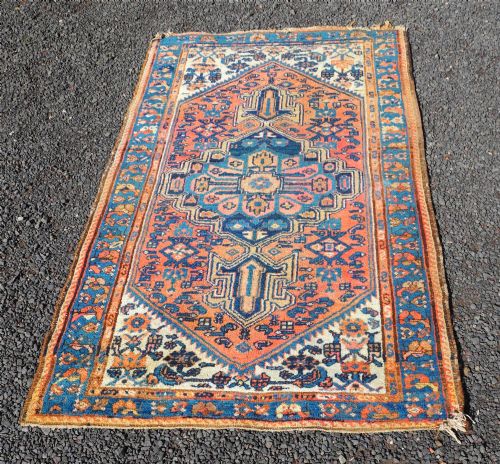
Traditional Tribal Wool Rug
A traditional tribal wool rug brings robust regional character and historical weave traditions directly to your floor.
Traditional Tribal Wool Rug
A traditional tribal wool rug encompasses hand-woven floor coverings originating from specific village, nomadic, and tribal traditions across Persia, the Caucasus, Anatolia, and Turkmenistan. These pieces span from the late nineteenth century through to the early decades of the twentieth century, including various formats such as area rugs, long runners, and compact prayer rugs.
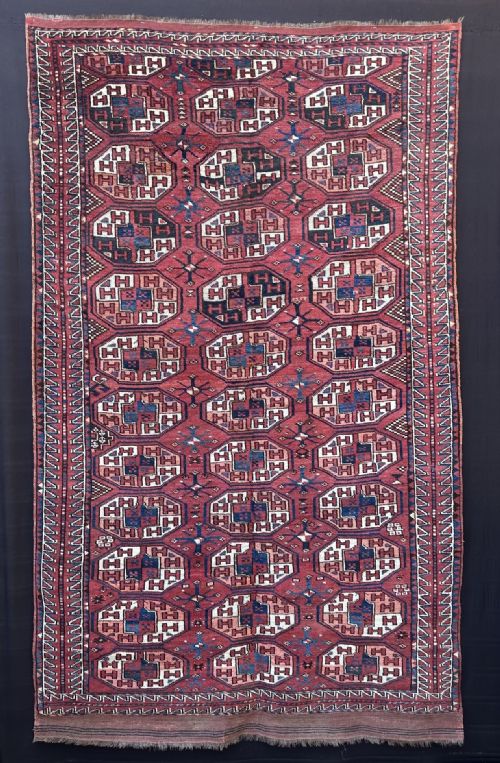
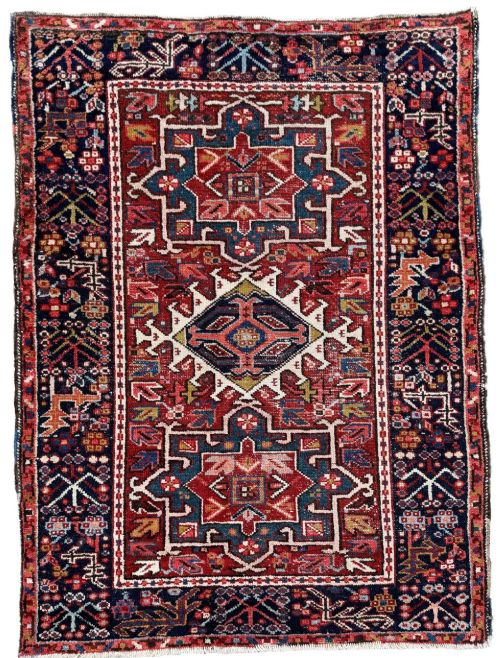
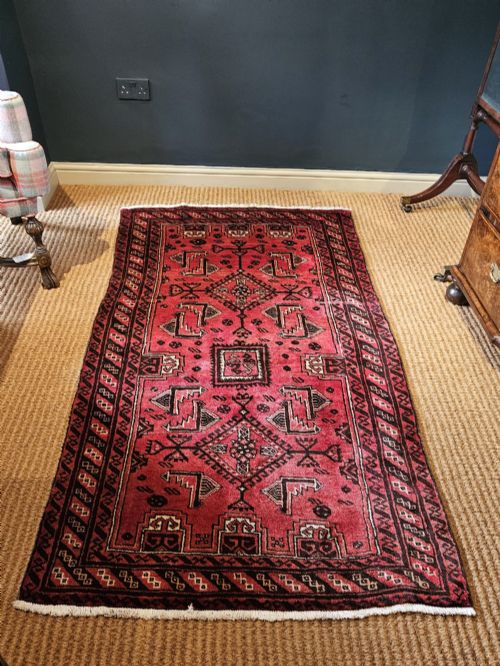
Buyers encountering this selection will frequently find regional village works, including Kurdish, Baluch, Afshar, and Kazak examples, alongside larger carpets bearing classic Turkmen or Heriz designs. The forms range from small hearth rugs to expansive nineteenth-century carpets woven for domestic and village use.
Materials and construction methods
These floor coverings rely heavily on natural wool and hand-spun wool for their pile, supported by sturdy cotton foundations in many village and regional workshops. Artisans utilised natural dyes to achieve rich, enduring palettes dominated by warm reds, deep blues, and olive greens.
Weavers knotted or flat-wove these materials by hand, producing dense pile carpets and flat-woven kilims designed for durability. The integration of local wool varieties with traditional regional dyeing techniques accounts for the tactile weight and enduring structure of these antique textiles.
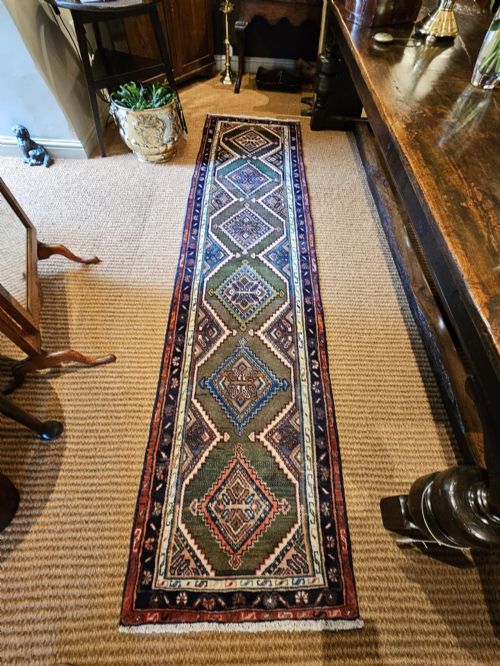
Some nineteenth-century runners carry subtle weaver errors in their geometric borders, offering a charming reminder of human hands at work.
Assessing quality in antique tribal rugs
Quality rests upon the fineness of the knotting, the crispness of the geometric or floral motifs, and the depth achieved by natural dyes. Superior examples exhibit harmonious colour palettes and balanced proportions that reflect disciplined regional craftsmanship.
The integrity of the wool, the stability of the foundation weave, and the preservation of original edge finishes distinguish finer tribal carpets from simpler utilitarian pieces. Exceptional specimens maintain structural soundness alongside vibrant, unblemished pile surfaces.
The Traditional Tribal Wool Rug Glossary
- Prayer rug
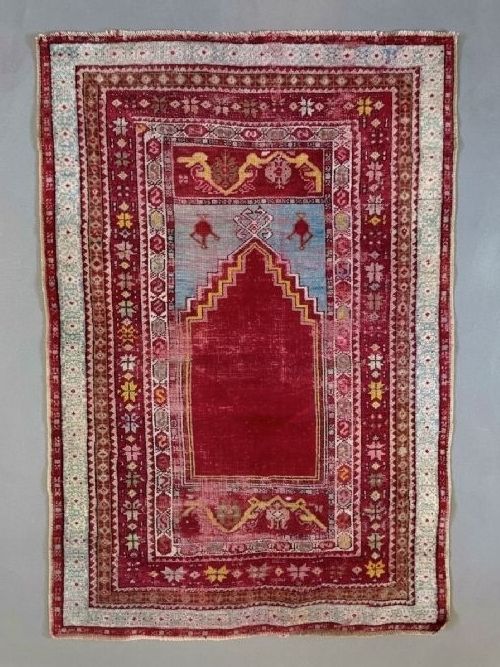
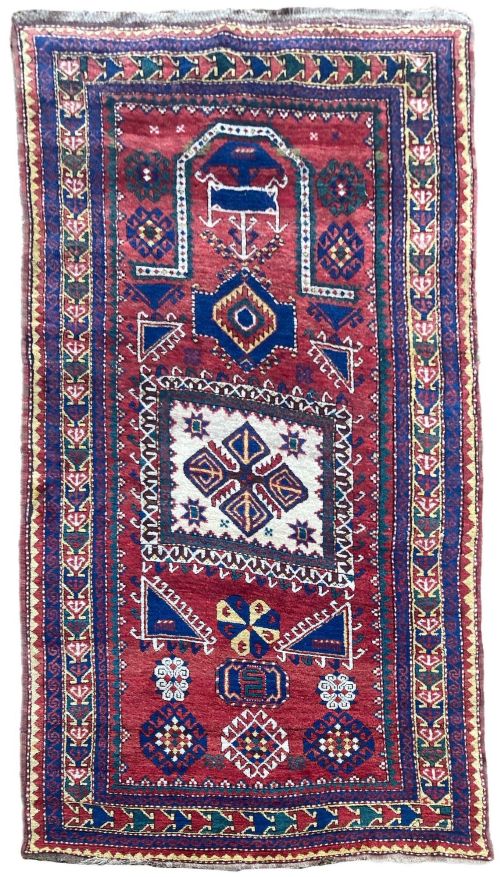
- A small format textile featuring a mihrab or niche design, historically used for daily devotion. These pieces often display specific regional iconography associated with Anatolian or Caucasian weaving centres.
- Runner
- A long, narrow carpet format designed specifically for hallways, corridors, and staircases. They preserve traditional tribal border patterns while accommodating linear interior spaces.
- Kilim
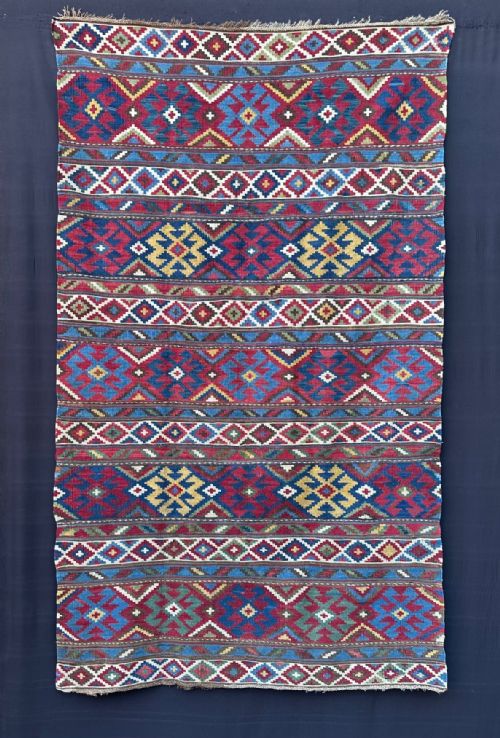
- A flat-woven carpet produced without a pile by tightly interweaving warp and weft threads. This technique results in a lightweight, reversible textile with sharp geometric patterning.
- Natural dyes
- Colourants derived from plant, insect, and mineral sources prior to the widespread adoption of synthetic alternatives. They produce complex, subtle hues that age with a characteristic patina.
- Mihrab
- The arched niche depicted on prayer rugs that indicates the direction of prayer. Its architectural shape is a defining feature of many classical Anatolian and Caucasian designs.
Traditional Tribal Wool Rug: Frequently Asked Questions
How do I care for a vintage wool rug?
Regular gentle vacuuming without a beater bar prevents dust accumulation within the wool pile. Professional cleaning by specialists in antique textiles ensures the natural dyes and fibres remain protected.
Positioning the rug out of direct, harsh sunlight prevents the fading of natural dyes over time. Rotating the piece periodically ensures even wear in high-traffic hallways and living spaces.
Where were these tribal rugs originally made?
These floor coverings originate from nomadic and village communities across regions such as Persia, the Caucasus, Anatolia, and Turkmenistan. Specific tribes and districts, including the Kazak, Baluch, and Afshar, developed distinct visual vocabularies.
Local access to specific sheep breeds, regional dyeing traditions, and distinct cultural motifs heavily influenced the final aesthetic. Each producing area imparted unique geometric patterns or prayer designs to its textiles.
What is the difference between a rug and a carpet?
In historical and trade terms, carpets generally refer to larger floor coverings, whereas rugs can denote smaller formats such as mats, hearth rugs, or prayer pieces. Size remains the primary practical distinction.
Both formats utilise similar hand-knotting or flat-weaving techniques depending on the producing culture. Regional nomenclature sometimes applies specific terms like kelleh or main carpet to particularly large formats.
How do I identify a Kazak rug?
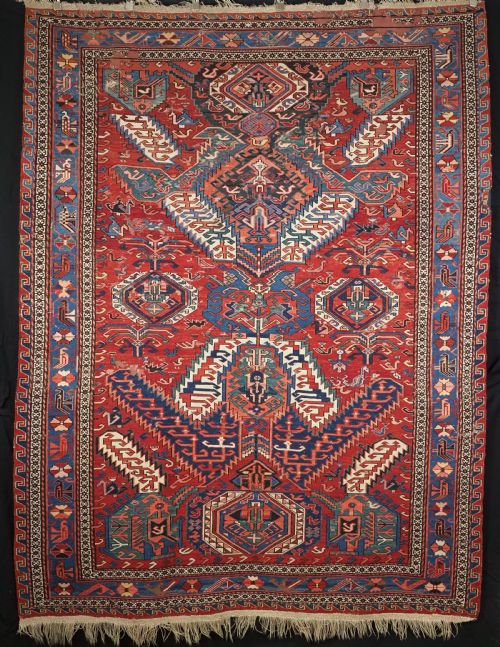
Kazak rugs originate from the Caucasus region and are celebrated for their bold, primary-coloured geometric medallions and rectilinear motifs. They typically employ a heavier wool pile and saturated natural dyes.
These pieces frequently feature hooked polygons, star motifs, and striking contrasting borders. Their robust construction and vibrant aesthetic make them easily recognisable among Caucasian weaves.