

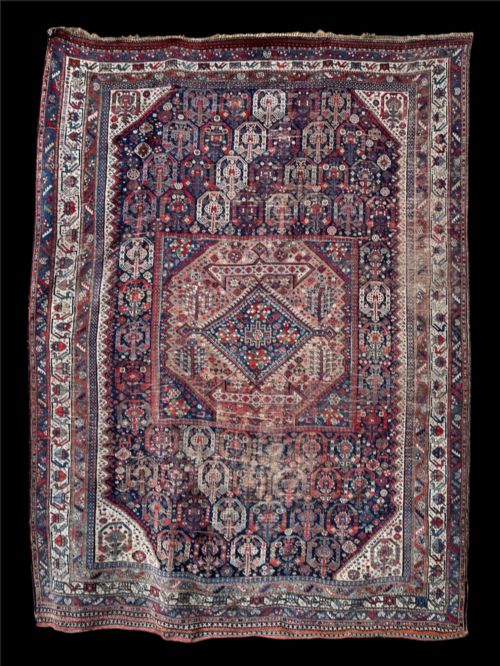
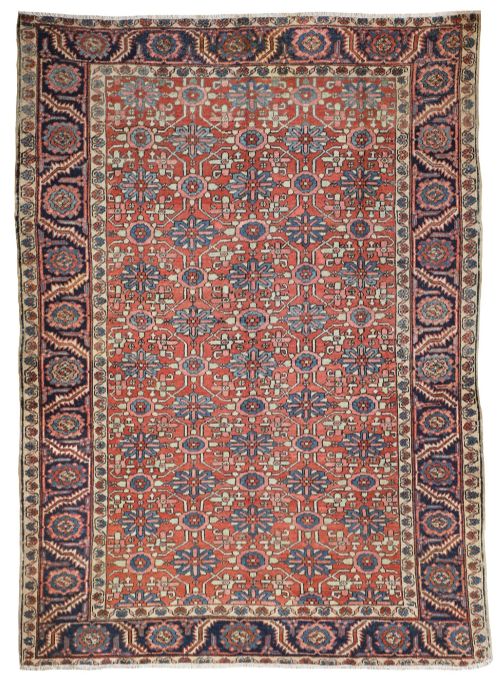
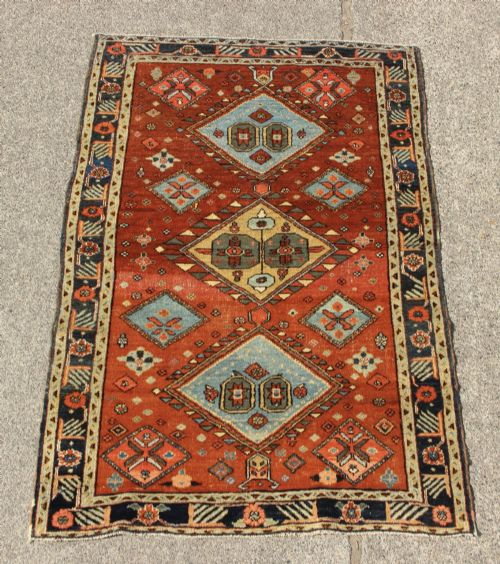
Terracotta Wool Area Carpet
A terracotta wool area carpet brings enduring warmth and geometric precision to a room through centuries-old weaving traditions.
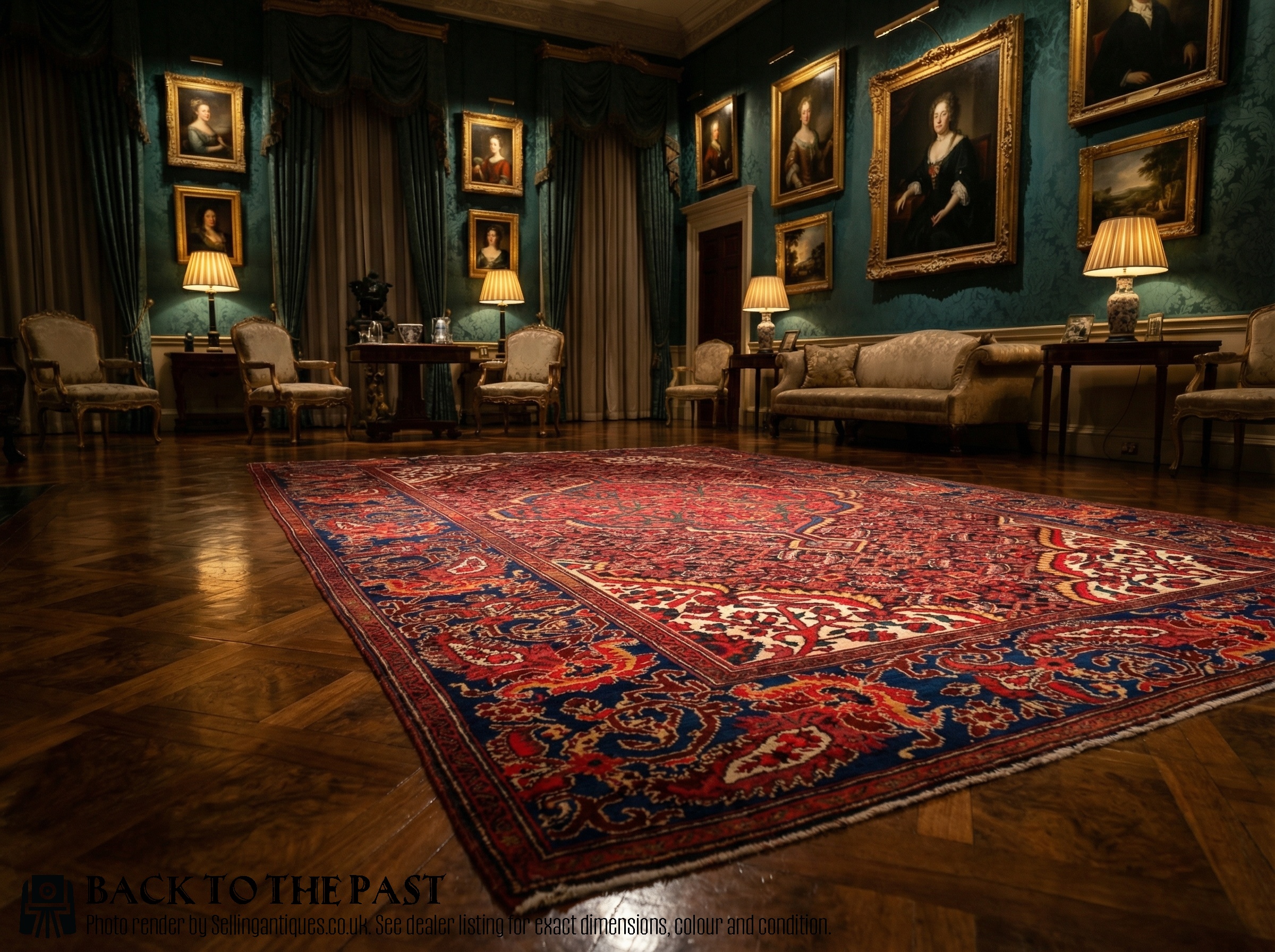
Terracotta Wool Area Carpet
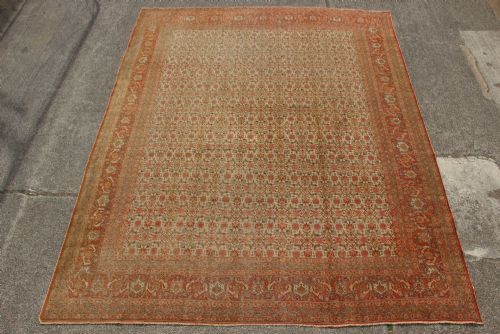
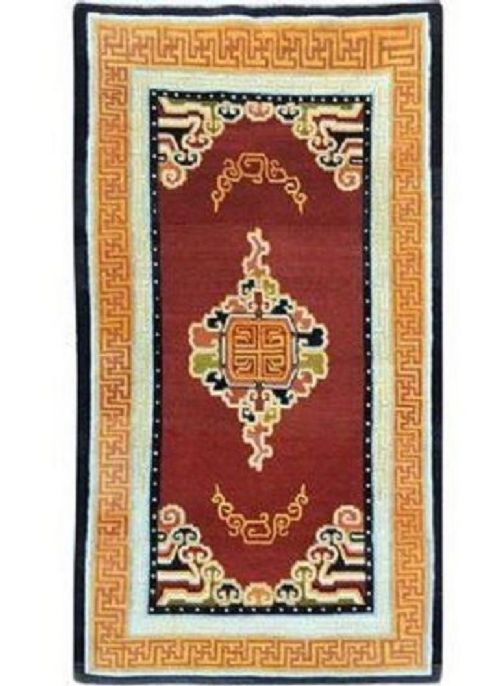
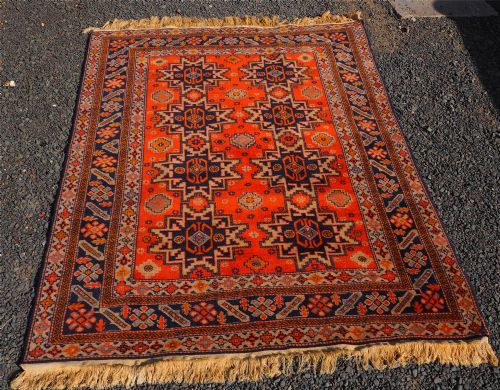
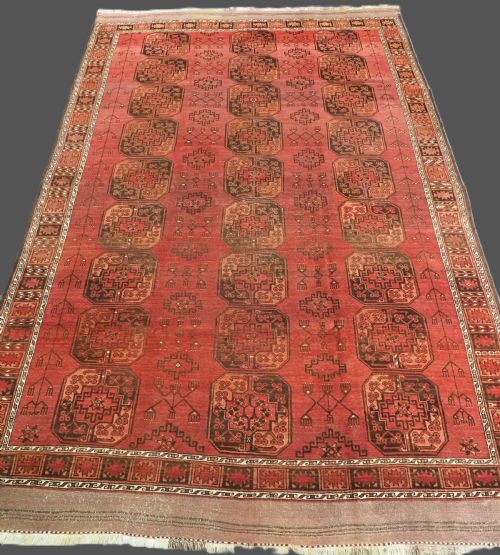
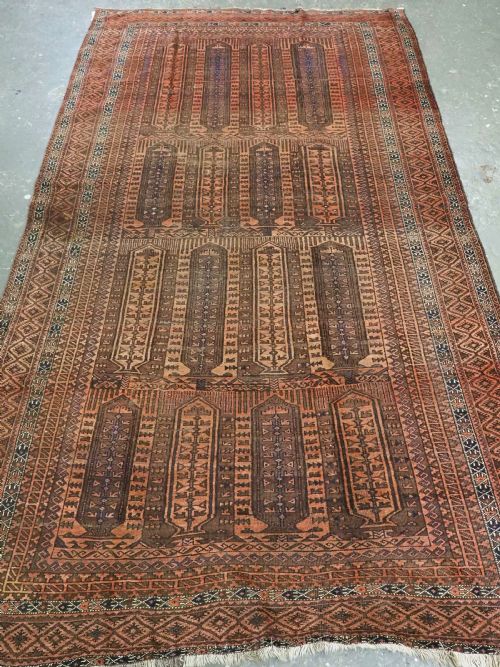
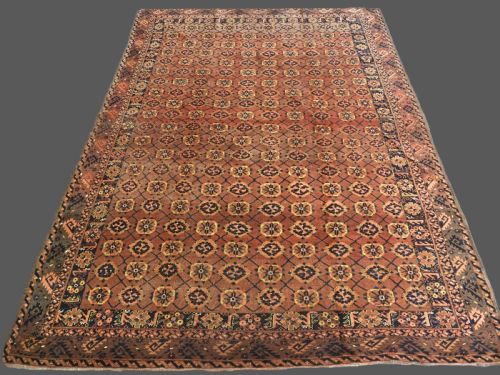
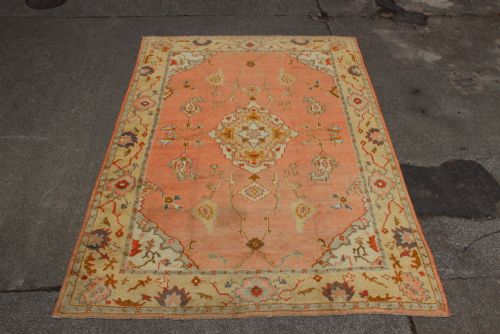
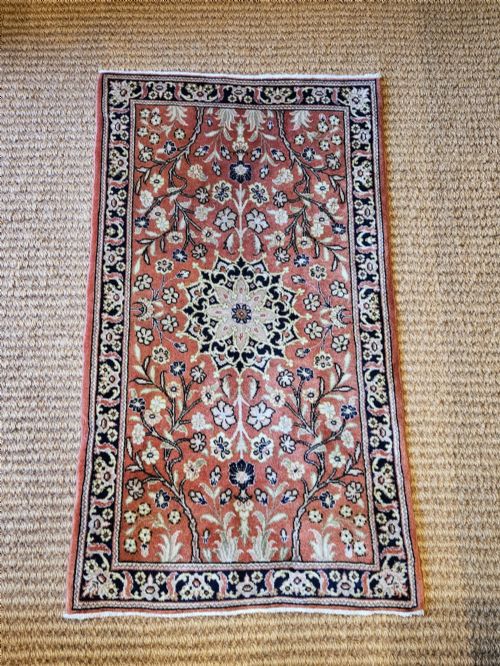
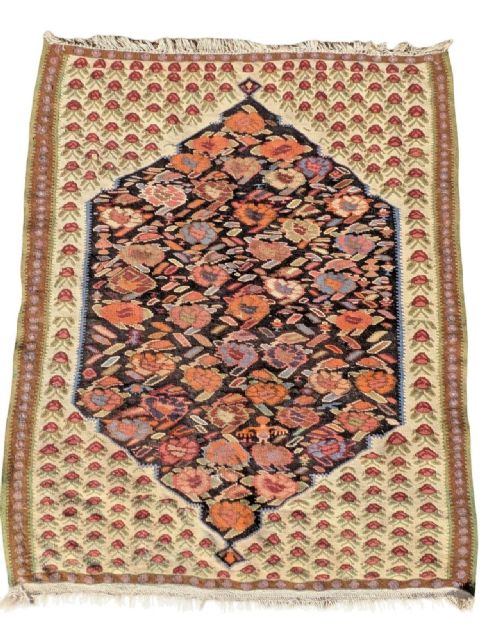
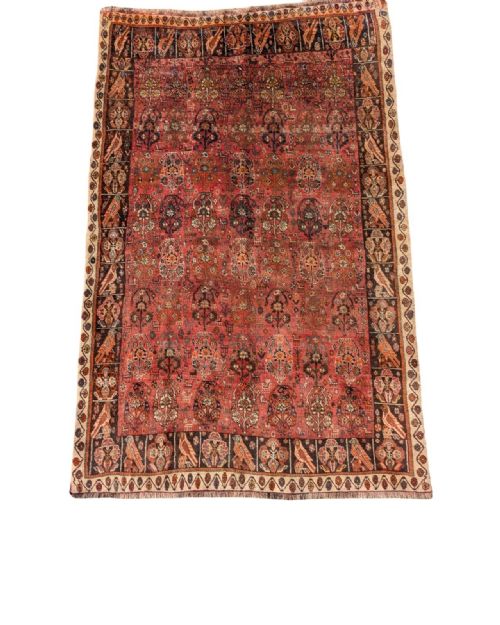
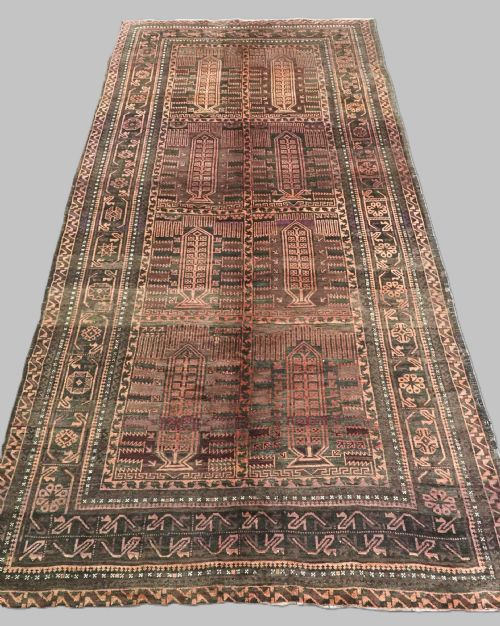
A terracotta wool area carpet represents a durable floor covering shaped by Persian, Caucasian, Turkmen, and Afghan traditions, often found in room-size formats and smaller rugs dating from the nineteenth and twentieth centuries.
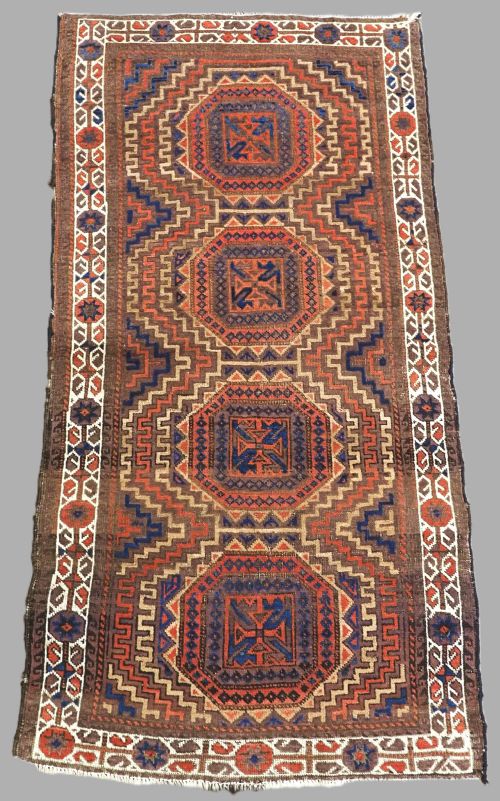
These textiles include specific regional styles such as Heriz, Oushak, Tabriz, and Baluch, which utilise distinct geometric medallions, tribal motifs, and characteristic reddish earth tones.
The selections span village and nomadic weaves alongside larger workshop carpets, offering varied scales suitable for distinct interior layouts from hearths to expansive halls.
Materials and Construction Techniques
The foundation and pile rely predominantly on natural wool, occasionally complemented by cotton for structural warps andwefts, alongside supplementary use of camel hair.
Weavers employ hand-knotting techniques paired with natural dyes to achieve rich terracotta and earthy colour palettes that develop patinas over decades of use.
Certain tent door rugs were woven specifically to guard nomadic entrances against desert winds and winter chills.
Assessing Craftsmanship and Material Grade
Quality rests upon the tightness of the hand-knotting and the purity of the wool used in the pile, which dictates both handle and resilience under foot.
The clarity of the natural dye palette and the precision of regional geometric or floral drawing separate standard village work from finer workshop or tribal main carpets.
The Terracotta Wool Area Carpet Glossary
- Gul
- A repeated octagonal or ghouled medallion motif frequently found in Turkmen and Baluch tribal carpets. It serves as a primary design anchor across Central Asian weaving traditions.
- Medallion
- A large central ornamental design motif placed in the field of a carpet. This element defines the geometric symmetry of Heriz and Persian regional styles.
- Warp
- The vertical threads stretched lengthwise on a loom that form the structural foundation of the carpet. The knotted pile is tied directly around these parallel strands.
- Weft
- The horizontal threads passed alternately over and under the warp threads to secure the knots in place. This technique stabilises the physical body of the textile.
- Kilim
- A flat-woven carpet or rug produced without a pile by tightly interweaving warp and weft strands. These pieces offer lighter textures and reversible geometric patterns.
Terracotta Wool Area Carpet: Frequently Asked Questions
How do I clean an antique wool carpet?
Regular gentle vacuuming without a beater bar removes loose dirt from the wool fibres effectively.
Professional specialist cleaning is required for deep maintenance to protect natural dyes and historical foundations.
Where should I place an area rug?
These textiles anchor seating groups in living rooms or define circulation paths in large hallways and studies.
Placing them away from direct, harsh sunlight preserves the natural dyed terracotta and secondary hues.
How do I identify a tribal carpet?
Tribal carpets display asymmetrical geometric motifs, repeated guls, and spontaneous colour shifts executed by nomadic or village weavers.
They often feature simpler foundations and coarser hand-knotting compared to formal urban workshop pieces.
What is the difference between a rug and a carpet?
The distinction relies primarily on physical scale and how the textile is intended to occupy a floor space.
Carpets span larger room dimensions, whereas rugs cover smaller accent areas such as hearths or doorways.