
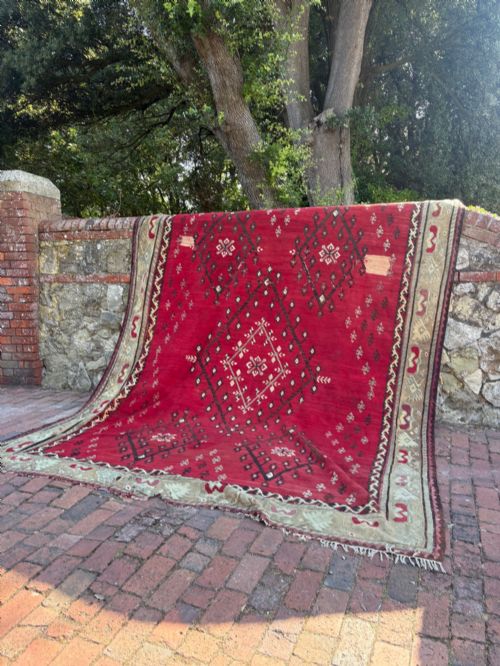
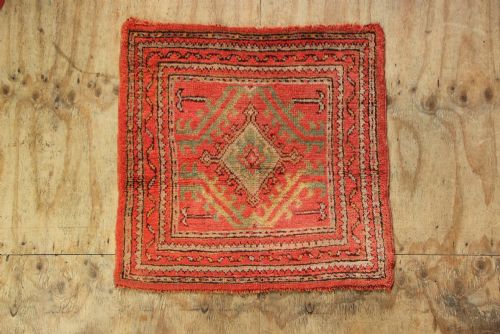


Geometric Anatolian Area Rug
A geometric anatolian area rug brings centuries of village weaving traditions into modern spaces with striking tribal patterns.
Geometric Anatolian Area Rug
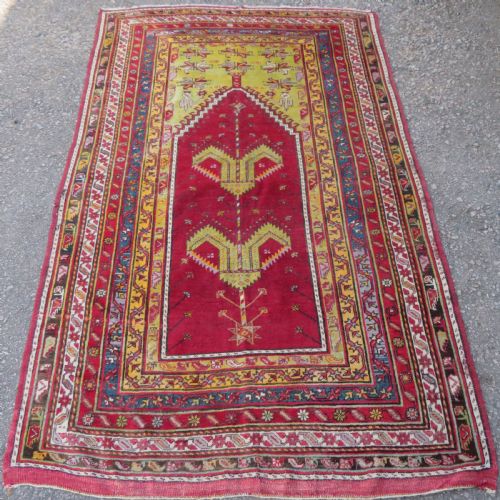
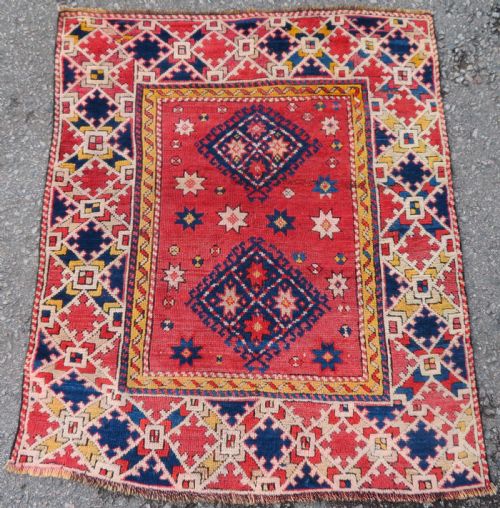
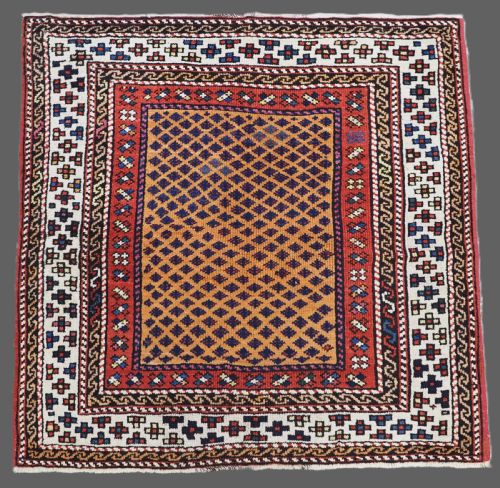
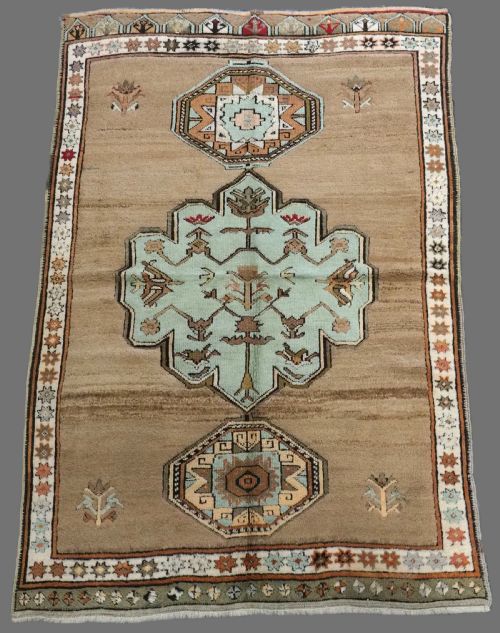
A geometric anatolian area rug represents the rich weaving traditions of Turkish village and tribal workshops, spanning from the nineteenth century through the early decades of the twentieth century. These pieces display angular motifs, medallions, and lattice patterns rather than floral curves, reflecting centuries of local design heritage.
Buyers will encounter diverse formats ranging from small prayer rugs and square formats to long runners and room-sized carpets. Regional varieties such as Bergama, Ushak, Konya, and Melas dominate the selection, each carrying distinct palette choices and structural characteristics passed down through generations of makers.
Materials and construction methods
Weavers constructed these textiles primarily using wool, cotton foundations, hand-spun wool, and occasional camel wool fields. These natural materials provide the durability and tactile weight characteristic of authentic regional carpets.
The traditional hand-knotting technique allowed artisans to pack the pile tightly against cotton or wool warp and weft threads. Flatweave kilims utilised interlocking or slit-weave methods to create crisp geometric boundaries without a pile.
Listings span multiple decades from the 1870s to the 1930s, featuring wool, cotton, and camel wool constructions across diverse regional styles.
Assessing quality in regional carpets
Quality rests in the integrity of the wool, the clarity of the geometric motifs, and the depth of the natural dyes. Tighter knot counts and resilient hand-spun yarns typically signal superior structural longevity.
The balance of the composition and the harmonious saturation of soft colours or bold contrasts distinguish master village works from standard utility pieces. Preservation of original edges and minimal structural intervention maintain the integrity of the textile.
Kirsehir·Bergama·Konya Karapinar·Yahyali·Ushak·Malatya·Melas·Yagcebedir·Esme·Karakecili·Milas
The Geometric Anatolian Area Rug Glossary
- Kilim
- A flatwoven carpet or runner produced without a pile by interlocking weft threads through the warp. This technique creates lightweight textiles with sharp, graphic patterns.
- Prayer rug
- A small textile featuring a mihrab or niche design historically oriented toward Mecca during daily prayers. These pieces often display concentrated symbolic motifs around the central arch.
- Warp
- The vertical threads stretched tightly on the loom that form the structural foundation of the rug. The exposed fringe at either end of a finished piece consists of these extension threads.
- Weft
- The horizontal threads passed back and forth through the warp to bind the knots in place. In many village rugs, these threads are dyed or left in natural wool tones.
- Medallion
- A central ornamental motif dominating the field of the carpet. Geometric variations of this shape serve as the focal point for tribal and village compositions.
Geometric Anatolian Area Rug: Frequently Asked Questions
How do I identify a village rug?
Village rugs display asymmetrical tribal motifs, spontaneous design variations, and local wool characteristics unique to specific Anatolian districts. They often carry more rustic charm and geometric abstraction than court workshops.
Examination of the fringe, back knotting, and natural dye variations helps confirm authentic village production from the nineteenth or early twentieth century.
What is camel wool used for?
Camel wool provides an un-dyed, naturally warm brown or golden field colour that creates a soft background for contrasting geometric borders. Weavers valued it for its durability and distinct natural warmth.
Such fields appear frequently in specific regional pieces like those originating from Konya and surrounding central districts.
How should I clean my antique rug?
Gentle vacuuming without a rotating brush roll prevents damage to the delicate wool pile and aged foundation threads. Professional specialist cleaning remains essential for deep restoration and dye stabilization.
Avoid harsh chemical treatments and excessive moisture to preserve the integrity of natural hand-spun wool and traditional dyes.
Are flatweave kilims durable?
Flatweave kilims offer robust strength for heavy traffic areas when paired with a quality rug pad that prevents slipping and friction. Their sturdy interlocking weave structure handles everyday use effectively.
Proper placement away from direct continuous sunlight protects the natural wool fibres and dyed portions from premature fading.