
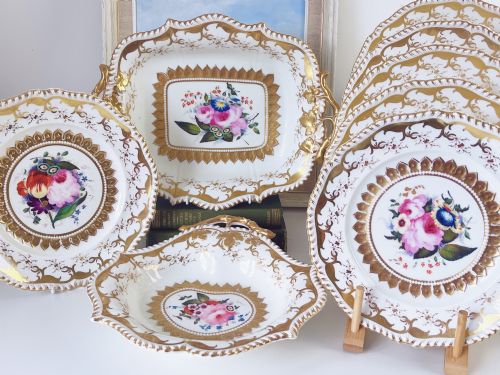
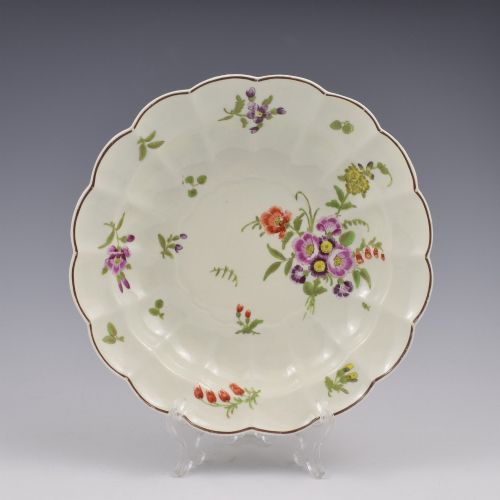
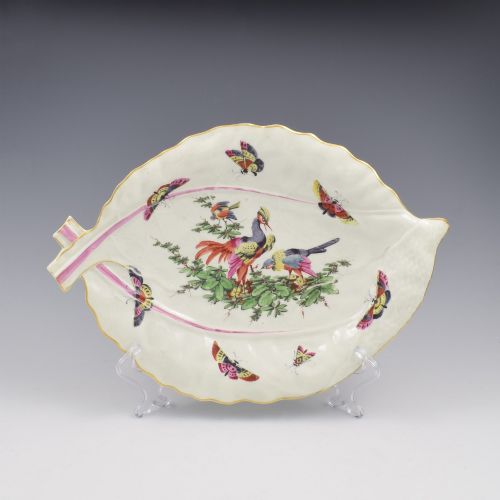
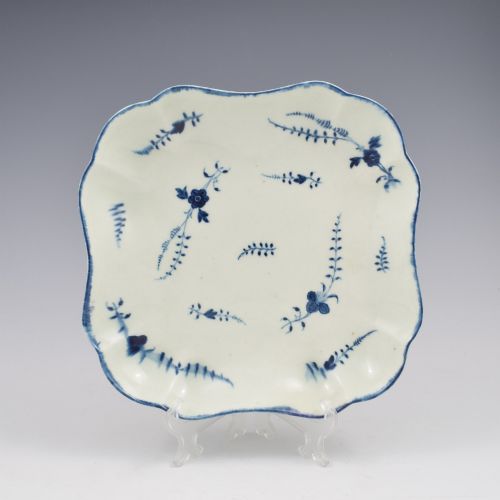


Worcester Porcelain Dessert Plate
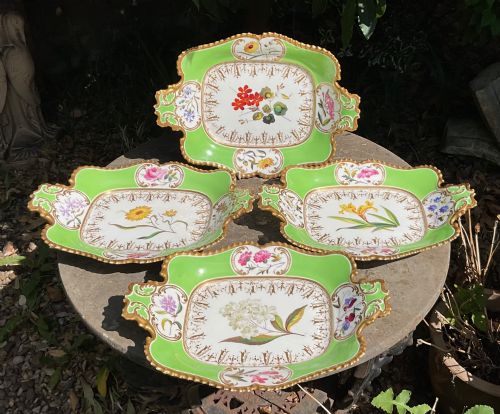
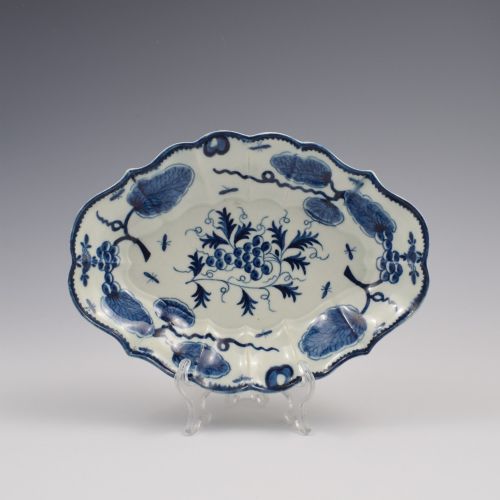
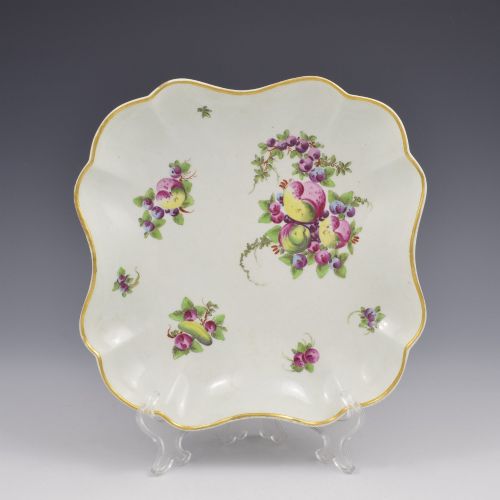
These pieces of worcester porcelain dessert plate range from eighteenth-century Dr Wall dishes to twentieth-century painted fruit services, offering collectors handpainted decoration and fine paste.
Worcester Porcelain Dessert Plate
A worcester porcelain dessert plate is a table ware designed for the final course of a formal meal, encompassing plates, leaf dishes and square dishes. The form spans several aesthetic movements from Georgian rococo to Victorian revivalism, produced across two centuries.
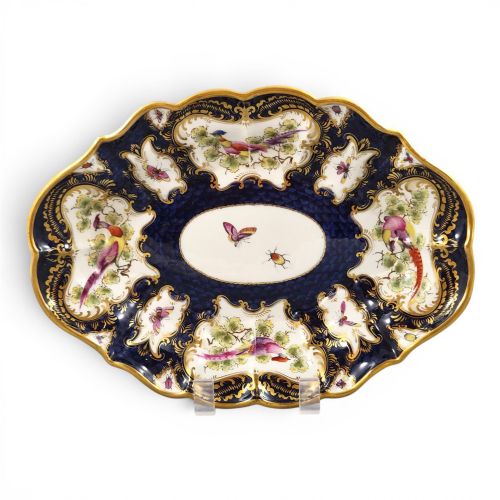
The eighteenth-century examples lean towards Dr Wall period pastes with blue scale grounds and bird subjects, whilst nineteenth-century pieces from factories like Chamberlain and Flight, Barr and Barr utilise armorials and topographical scenes.
Buyers encounter both individual plates and parts of larger dessert services, rendered in soft-paste or hard-paste porcelain depending on the date of manufacture.
How they were made
Potters shaped these vessels using porcelain bodies, particularly soft-paste porcelain in the eighteenth century, which was fired and then glazed. Overglaze enamels and gold leaf or gilding were applied by hand during subsequent kiln firings.
Decoration relied on skilled painters executing handpainted floral sprays, Kakiemon patterns, and botanical studies, supplemented by moulded forms such as lobed rims and leaf shapes.
The listings span the eighteenth and nineteenth centuries, featuring soft-paste porcelain, enamel, gold leaf, and handpainted botanical or avian subjects.
What varies in quality
The distinction between standard utility wares and the finest output rests upon the precision of the handpainted details and the application of overglaze enamels and gold leaf. Complex motifs such as fancy birds or armorial bearings demand greater artistry than simple sprig patterns.
Early soft-paste bodies and well-preserved blue scale grounds command attention for their tactile glaze texture and depth of colour, whereas later nineteenth-century pieces demonstrate technical refinement in their porcelain paste.
Grainger Lee And Co·Chamberlains Worcester·Flight Barr And Barr·Kerr And Binns·Royal Worcester·James Giles
The Worcester Porcelain Dessert Plate Glossary
- Soft-paste porcelain
- An artificial porcelain body composed of white clay, glass and frit, fired at lower temperatures than hard-paste. It produces a warm creamy tone and distinctive glaze pooling.
- Blue scale
- A dark blue underglaze ground pattern resembling fish scales, developed at the Worcester factory in the eighteenth century. It typically frames reserved panels containing painted birds or flowers.
- Overglaze enamels
- Pigments painted onto an already fired and glazed ceramic surface, requiring a lower temperature kiln firing to fuse the colours. This technique permits a wide palette including rich greens and pinks.
- Armorial
- A ceramic design incorporating a family coat of arms or crest. These were frequently commissioned by landed families for specific dining services.
Worcester Porcelain Dessert Plate: Frequently Asked Questions
How do I identify a Dr Wall piece?
First Period Worcester porcelain, often called Dr Wall period, dates from 1751 to 1783 and typically exhibits a soft-paste body with warm translucency. Look for early underglaze blue marks such as open crescents or simulated Chinese characters.
These pieces often feature handpainted blue scale grounds, Kakiemon designs, or delicate botanical subjects framed in gilded cartouches.
Were these plates used for dining?
Dessert plates and dishes from these periods formed part of formal dessert services deployed at the conclusion of a grand meal. They held fruit, sweetmeats, or confectioneries rather than savoury courses.
Due to their decorative nature and fragility, many survived with minimal wear, though collectors today generally display them on walls or in cabinets rather than using them for modern dining.
What is the difference between Flight, Barr and Barr and Chamberlain?
Flight, Barr and Barr operated the main Worcester factory during the Regency and early nineteenth century, known for topographical views and naturalistic bird studies. Chamberlain ran a competing Worcester manufactory that frequently produced armorial services and bright orange ground wares.
Both firms employed high-standard painting and gilding, but their marks and specific palette choices help separate their outputs.
How should I care for antique porcelain?
Antique porcelain requires gentle handling, avoiding sudden temperature changes and mechanical shocks that could damage the soft paste or brittle glazes. Hand washing in lukewarm water with mild soap is necessary when cleaning is required, avoiding modern dishwashers entirely.
Display vessels should be secured on stable plate stands or within enclosed cabinets protected from direct sunlight to preserve the overglaze enamels and gold leaf.