
Worcester Blue Dish
A worcester blue dish brings the celebrated porcelain traditions of the English countryside directly to the table.
Worcester Blue Dish
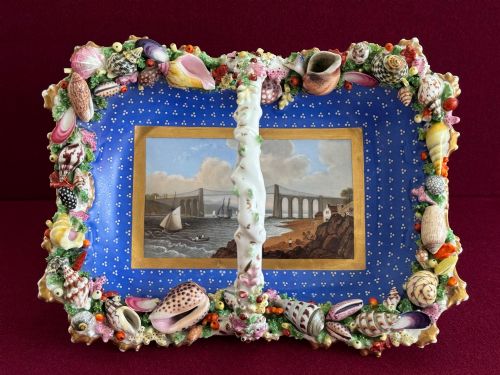
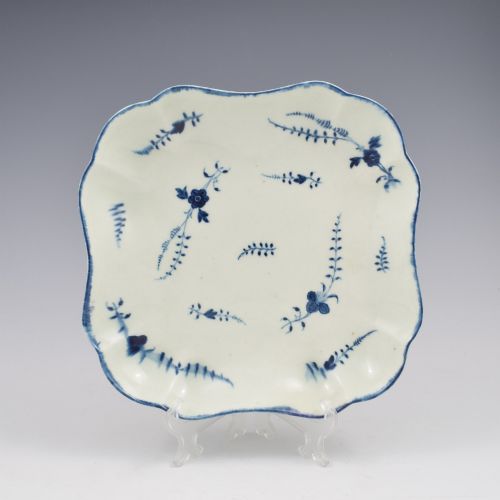
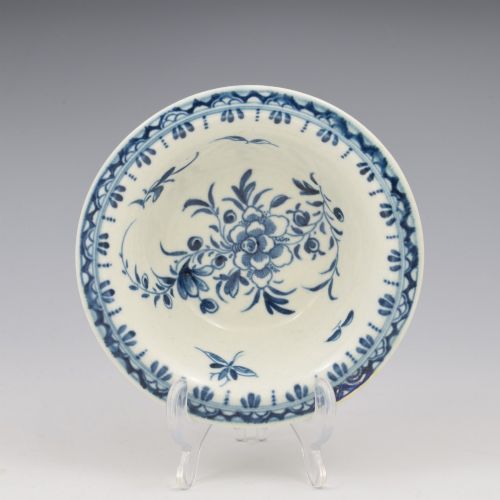
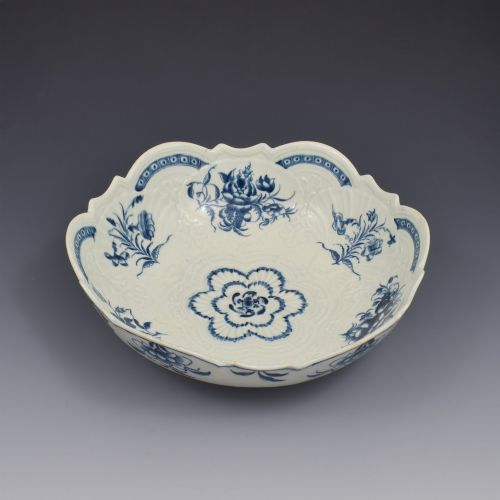
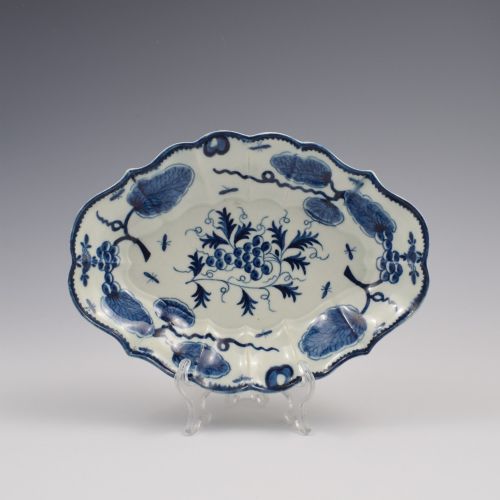
A worcester blue dish spans practical tablewares and ornamental display pieces, drawing heavily on eighteenth-century forms. Buyers encounter delicate pickle leaf dishes, deep junket bowls, and scalloped dessert pieces originating from the historic factory periods.
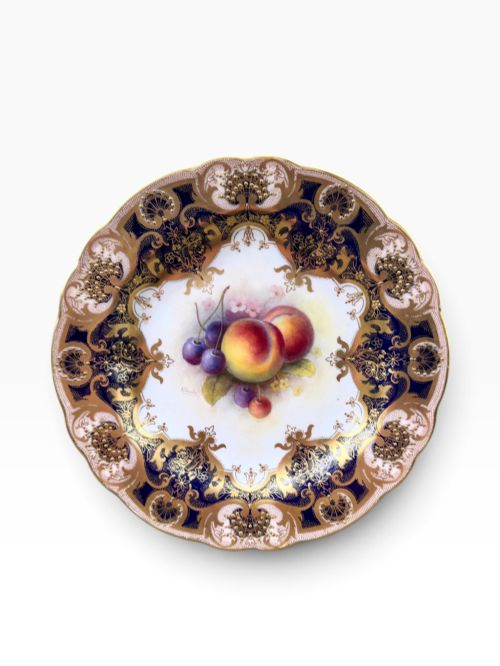
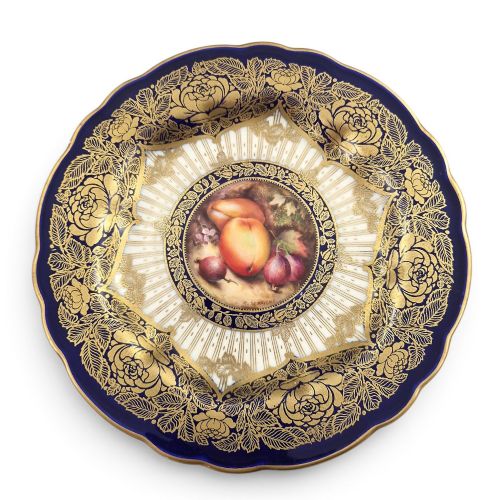
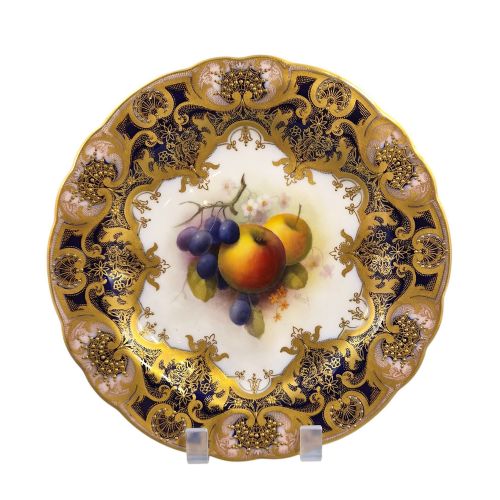
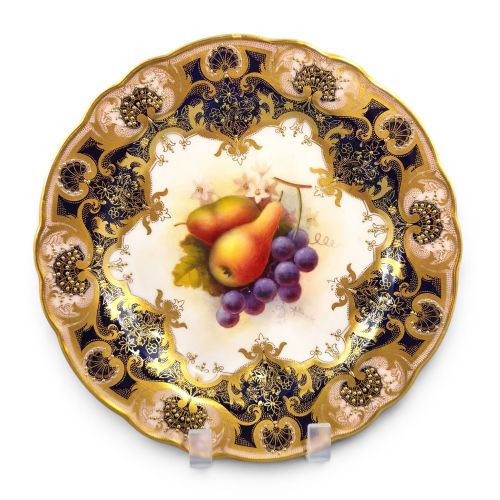
The selection ranges from early Dr Wall blue and white floral designs to later nineteenth-century Chamberlain productions and twentieth-century Royal Worcester interpretations. These items reflect enduring British craft traditions through traditional shapes like shells, baskets, and circular plates.
Materials and Construction
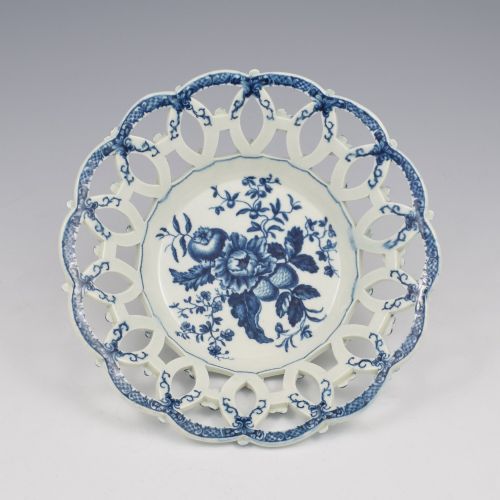
Makers utilised soft-paste porcelain and bone china as the primary body materials, shaped into intricate moulded forms such as wicker baskets and leaf platters. Cobalt glaze provided the deep blue coloration for underglaze painted patterns, often applied beneath a clear protective glaze.
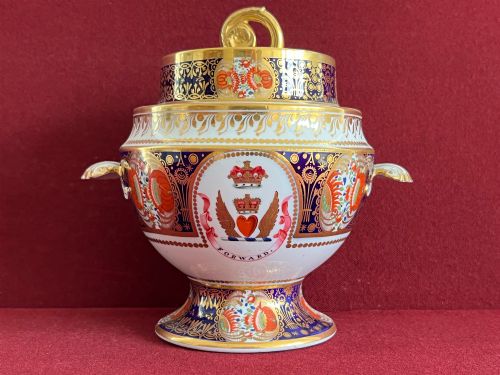
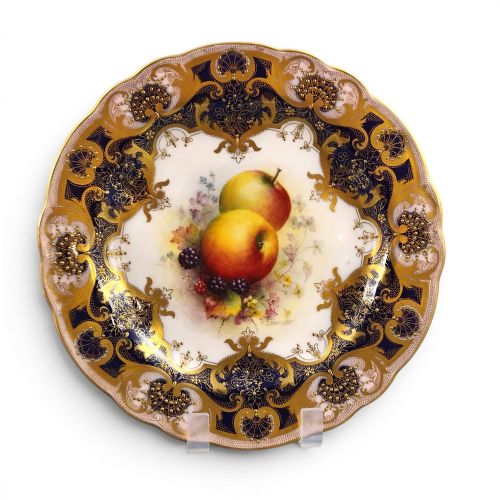
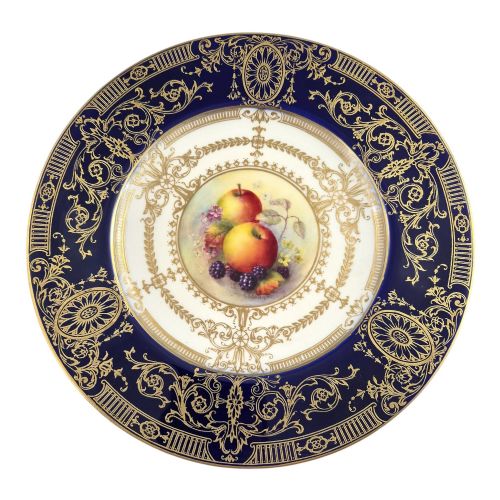
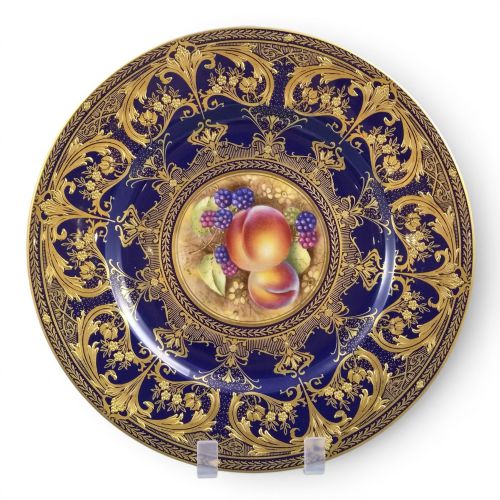
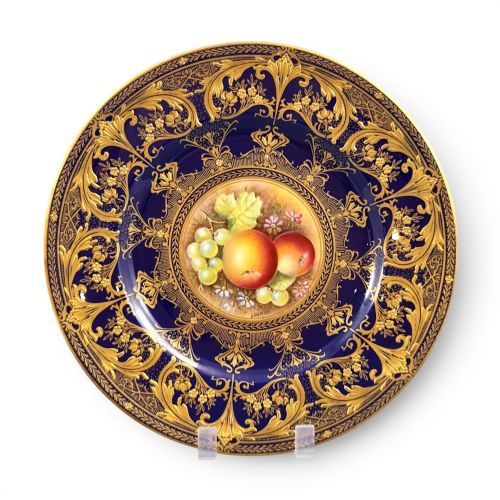
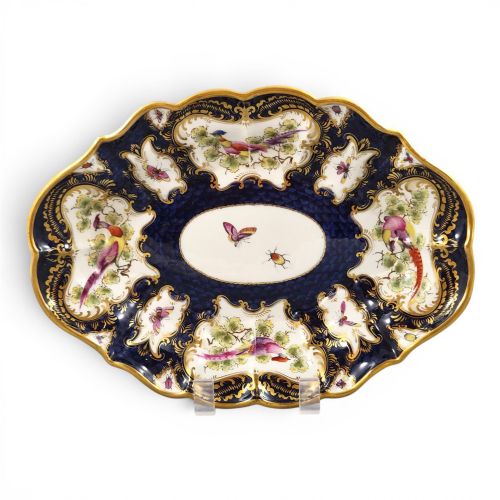
Gilding, gold leaf, and enamel additions frequently enhanced later cabinet pieces and plates, applied over the fired white body. Kiln firing techniques allowed cobalt pigments to fuse smoothly with the porcelain surface, creating lasting depth in traditional blue designs.
Listings feature porcelain pieces spanning the eighteenth century through the twentieth century, incorporating bone china and soft-paste materials.
Distinctions in Quality
The clarity and depth of the cobalt glaze distinguish finer examples, where underglaze blue brushwork remains crisp and well-defined without bleeding into the surrounding porcelain body. Early pieces display hand-painted precision that sets them apart from standard production items.
Moulding definition in shaped items, such as leaf veins, wicker weave, and scalloped edges, indicates the skill involved in initial production. Superior examples maintain sharp relief details and clean porcelain surfaces free from heavy firing distortions.
Royal Worcester·Chamberlain Worcester·Barr Flight Barr Worcester·Grainger And Co
The Worcester Blue Dish Glossary
- Dr Wall Period
- The formative era of Worcester porcelain production, spanning from 1751 under the guidance of Dr John Wall. Pieces from this time are noted for soft-paste bodies and delicate blue and white painting.
- Blue Scale
- A distinctive dark blue pattern resembling fish scales applied as a ground colour on porcelain. It frequently frames panels of exotic birds or flowers.
- Junket Dish
- A shallow vessel traditionally used for serving junket, a curd-based dessert popular in past centuries. These dishes often feature fluted or scalloped rims.
- Soft-paste Porcelain
- An artificial porcelain composition fired at lower temperatures than hard-paste porcelain. It possesses a warm, creamy translucency characteristic of early English factories.
Worcester Blue Dish: Frequently Asked Questions
How do I identify a Dr Wall period dish?
Dr Wall pieces typically date from the eighteenth century and feature soft-paste porcelain bodies with characteristic underglaze blue decoration or scale grounds.
Examine the foot rim and glaze for signs of period manufacturing techniques, such as small firing marks or characteristic crescent and square seal marks.
What is blue scale ground?
Blue scale is a rich, mottled cobalt pattern applied to the exterior or borders of porcelain dishes to resemble fish scales.
This technique required careful hand application and was often reserved for finer decorative tableware items alongside gilded accents.
How should I care for antique porcelain?
Antique porcelain requires gentle hand washing in warm water with mild soap, avoiding modern dishwashers and harsh abrasive sponges.
Store pieces securely on stable surfaces away from direct sunlight and extreme temperature fluctuations to protect the glaze and gilding.
Were these dishes used for dining?
Many forms, including junket dishes, pickle leaves, and dessert plates, served functional roles on formal dining tables during the Georgian and Victorian eras.
Later nineteenth and twentieth-century examples shifted increasingly towards decorative cabinet display rather than everyday culinary use.