

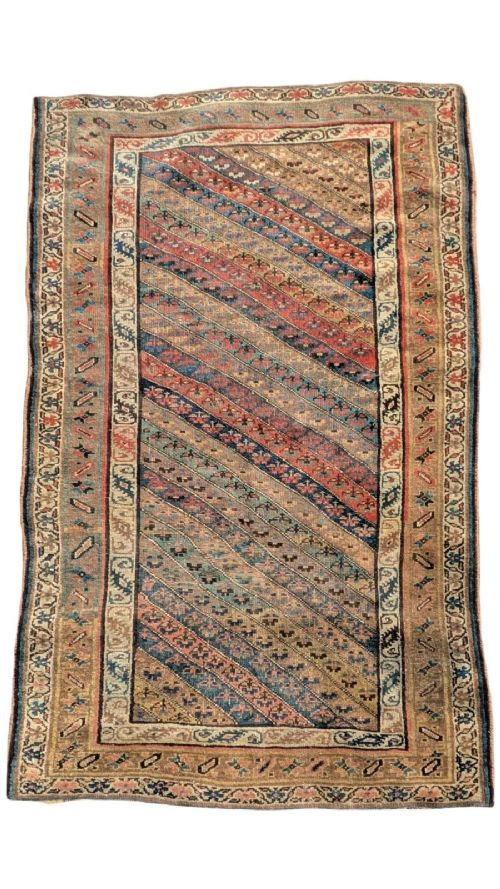
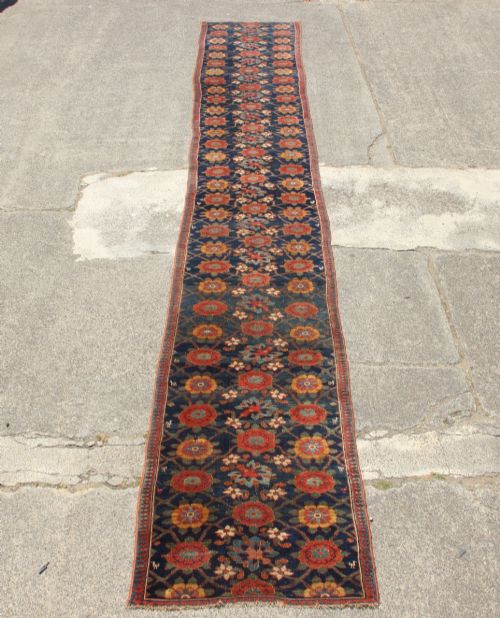
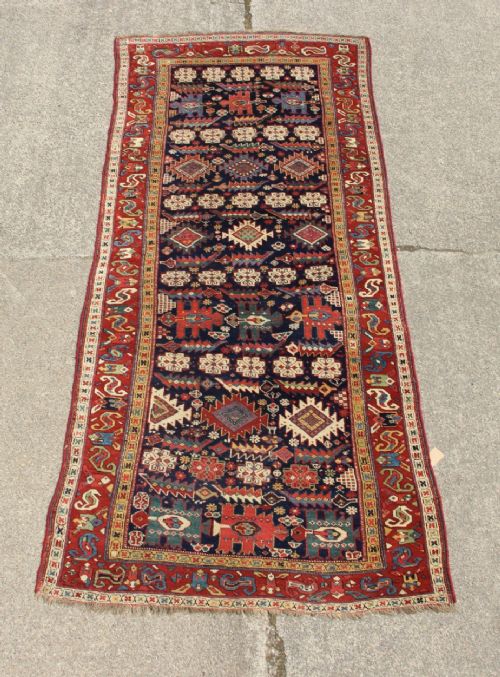
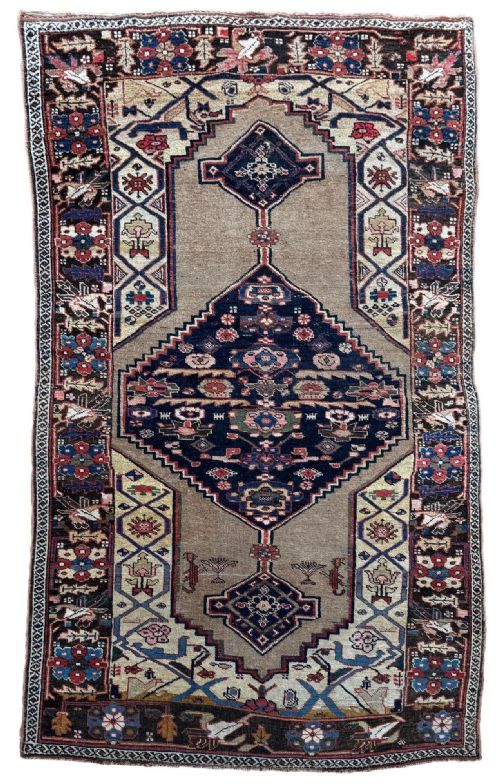


Wool Kurdish Runner Rug
These wool kurdish runner rug examples deliver robust tribal character and enduring utility for hallways and long spaces.
Wool Kurdish Runner Rug
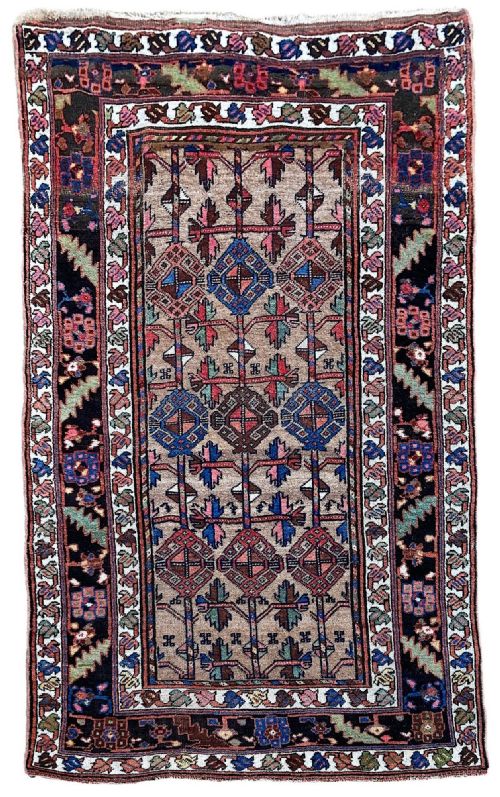
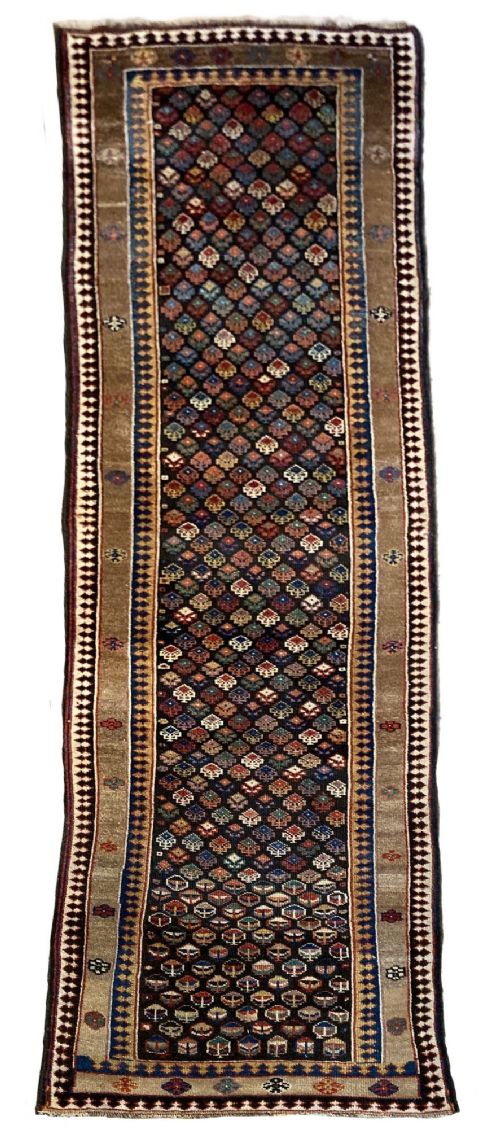
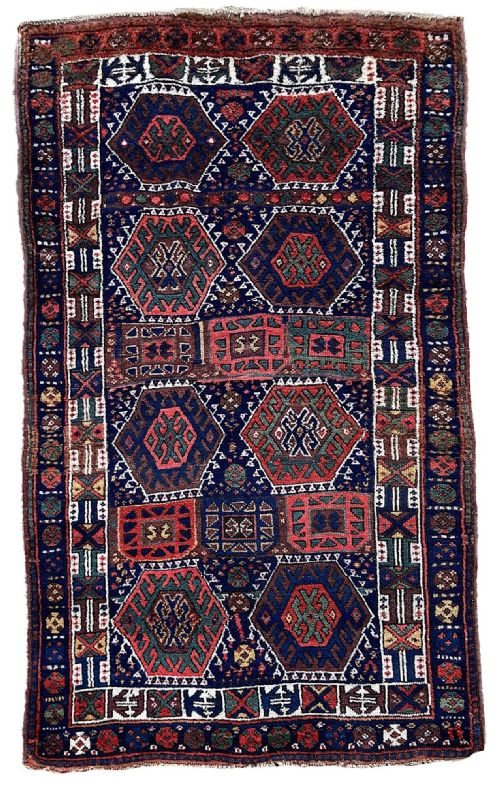
A wool kurdish runner rug is a long, narrow floor covering created by weavers from Kurdish regions spanning Persia, Anatolia, and the Caucasus. These textiles typically date from the nineteenth and early twentieth centuries, manifesting tribal designs handed down through generations.
The format serves long corridors, hallways, and narrow rooms where stamina and geometric strength are required. Pieces vary from compact runner proportions to expansive kelleh carpets, reflecting the diverse domestic needs of village and tribal workshops.
Tribal motifs dominate the patterns, incorporating traditional elements like Mina Khani patterns, shrub designs, and Memlinc type guls. The aesthetic remains grounded in regional traditions of North West Persia and surrounding Kurdish territories.
How they were made
Weavers relied on hand-spun wool for the pile, yielding a dense, resilient surface that absorbs natural dyes with profound depth. Cotton foundations frequently provide structural stability for the warp and weft threads.
Natural dyes impart the characteristic coloration, shifting subtly across the field and developing a rich patina over decades of use. Skilled hands knotted each piece individually, anchoring geometric and floral symbols securely into the foundation.
Nomadic weavers occasionally inserted deliberate minor errors into symmetrical patterns to ward off the evil eye.
What varies in quality
Quality rests upon the fineness of the knotting and the crispness of the tribal design implementation. Tighter structures and more articulate drawing separate master village weaving from standard utility pieces.
The integrity of the hand-spun wool and the vibrancy of the natural dyes dictate visual depth. Superior examples maintain structural soundness and balanced proportions across exceptional lengths.
The Wool Kurdish Runner Rug Glossary
- Gul
- An octagonal or medallion-like motif frequently repeated across tribal carpets. This geometric emblem often identifies specific tribal groupings.
- Kelleh
- A rectangular carpet format longer than it is broad, functioning as a room-size or large hall rug. These pieces provide substantial floor coverage.
- Mina Khani
- A repeating overall pattern of daisy-like flowers connected by a lattice network. The design appears commonly in Persian and Kurdish village weaving.
- Seneh
- A town in Kurdistan renowned for fine weaving traditions and intricate details. Carpets bearing this attribution display exceptional precision.
Wool Kurdish Runner Rug: Frequently Asked Questions
Where should I place a runner?
These narrow formats suit hallways, corridors, and long entryways where floor traffic demands durable construction. Their elongated proportions guide movement through domestic spaces.
They also function effectively beside beds or within gallery spaces, introducing warmth and geometric interest without overwhelming smaller room dimensions.
How do I care for antique wool rugs?
Gentle vacuuming without a rotating brush roll prevents damage to the hand-spun wool pile. Professional cleaning suited for natural dyes preserves the integrity of the fibres.
Avoid direct, harsh sunlight for prolonged periods to maintain the natural dye coloration. Rotating the floor covering periodically ensures even wear patterns over time.
What defines Kurdish tribal style?
Kurdish tribal design emphasises bold geometry, repeating motifs, and saturated natural dye palettes. Weavers drew inspiration from immediate surroundings, incorporating traditional symbols like guls and shrub patterns.
Unlike urban workshop pieces, tribal rugs display an expressive, less rigid approach to symmetry. This individuality reflects the heritage of North West Persian and Anatolian communities.
How do I determine the age?
Age is assessed through material analysis, observing the use of hand-spun wool and natural dye characteristics. Structural traits, such as the weave density and foundation materials, offer further clues.
Stylistic markers and regional attributions also help narrow down the period of production. Nineteenth and early twentieth-century examples exhibit distinct patinas absent in newer items.