

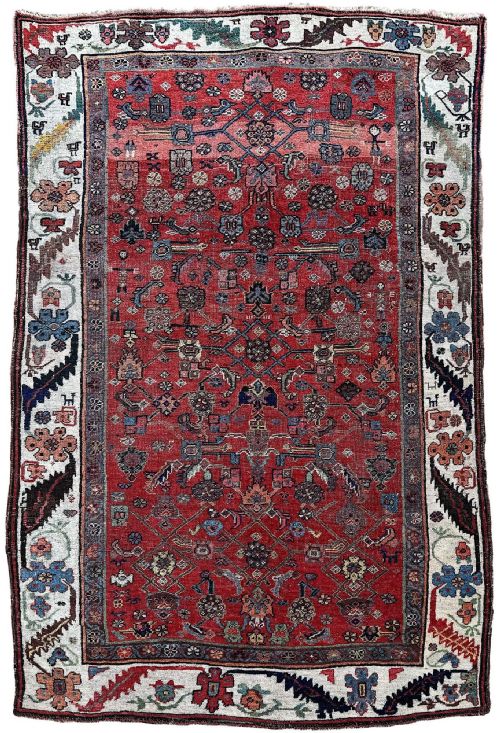
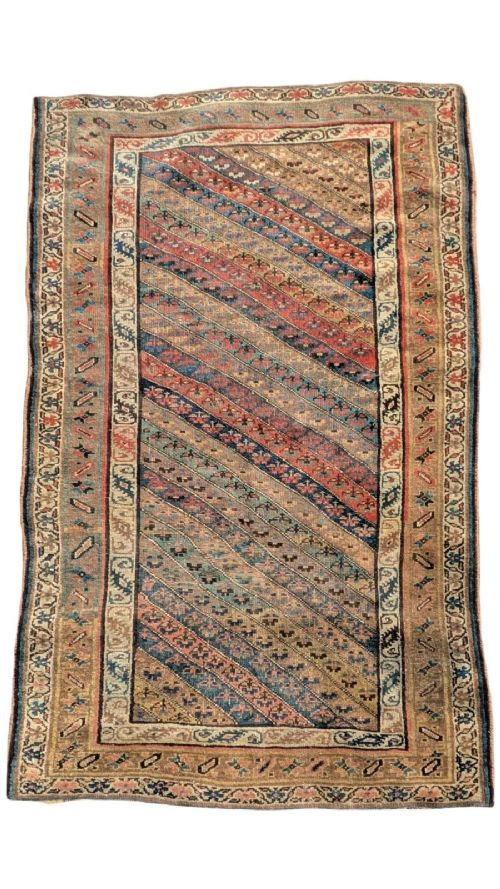
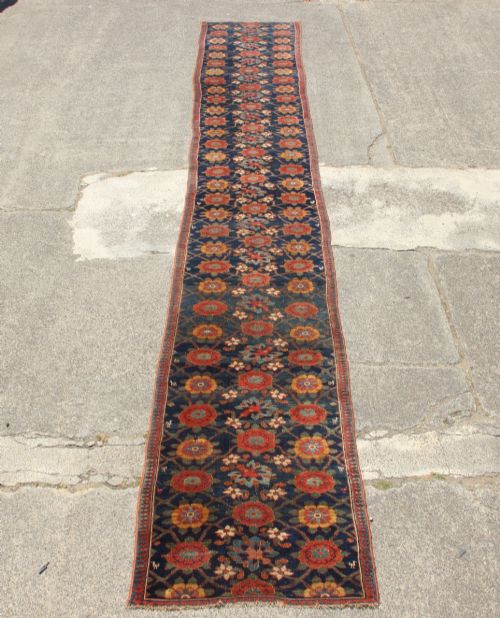
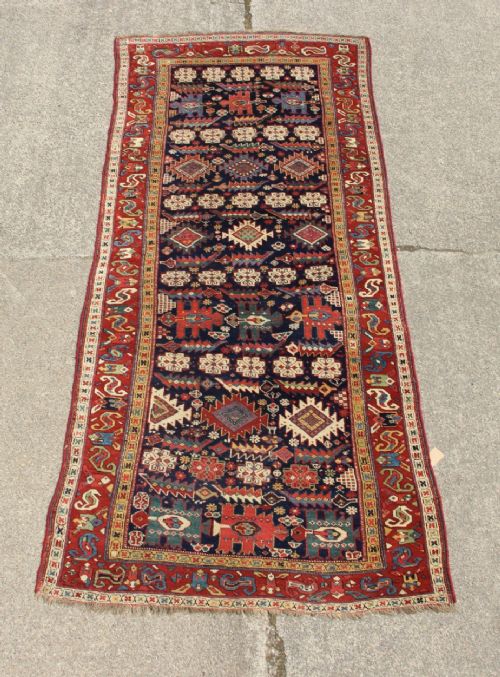
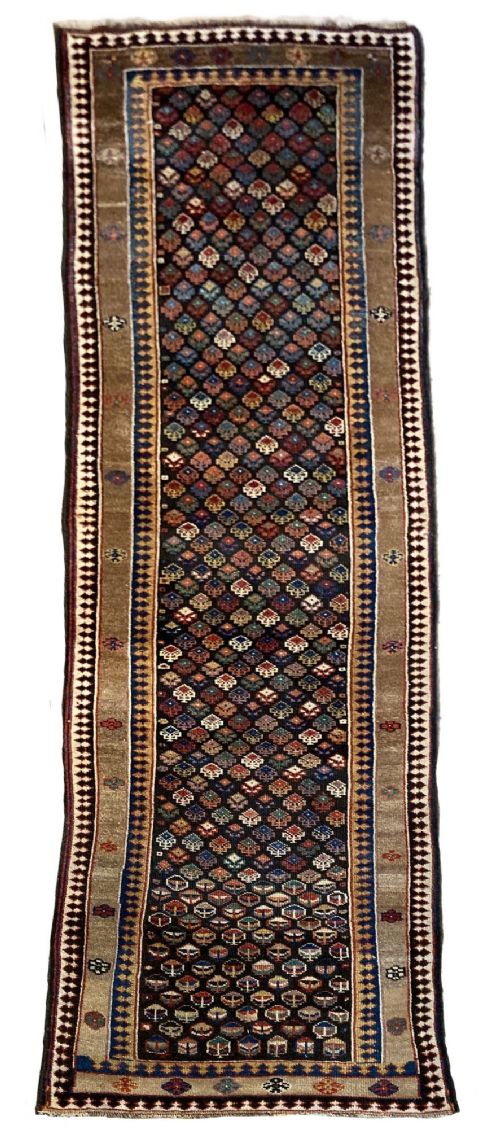
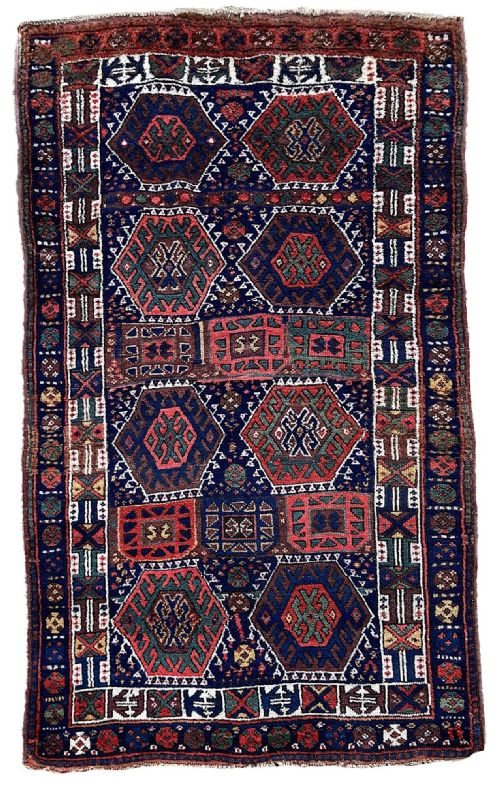
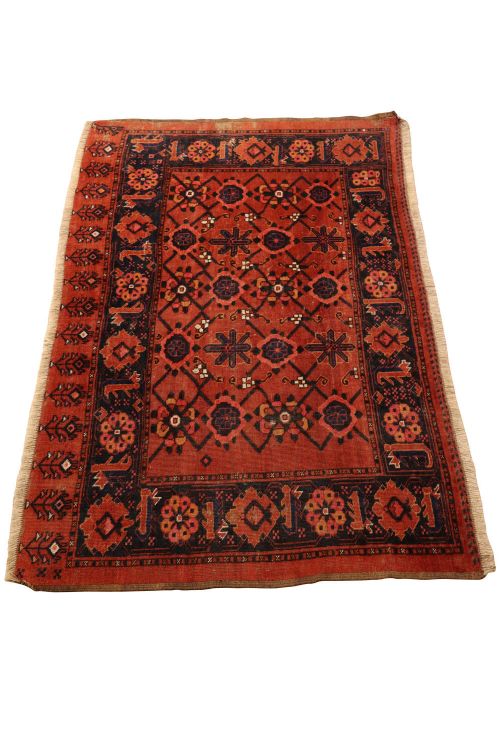


Tribal Kurdish Wool Rug
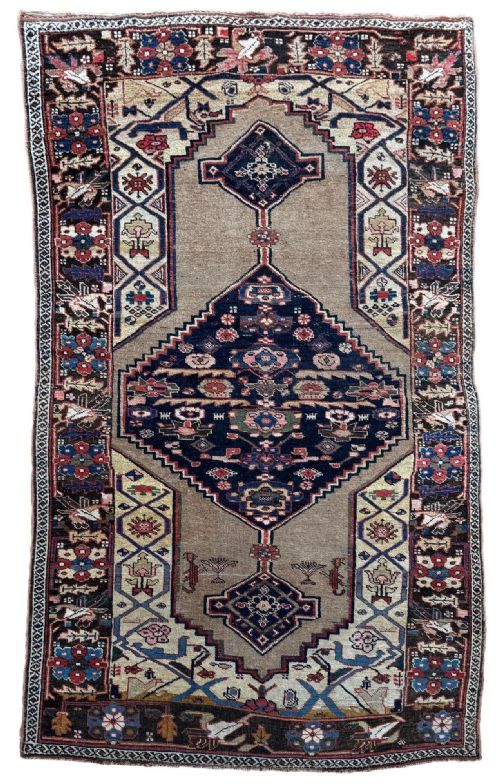
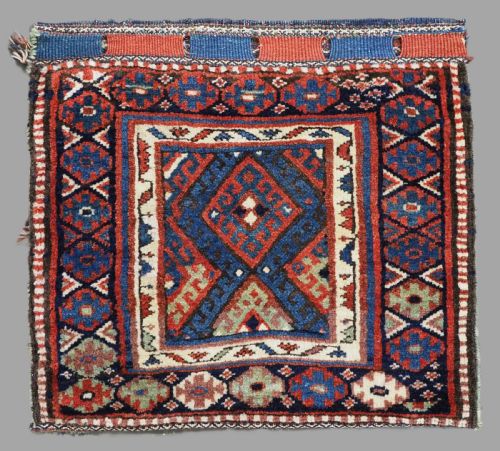
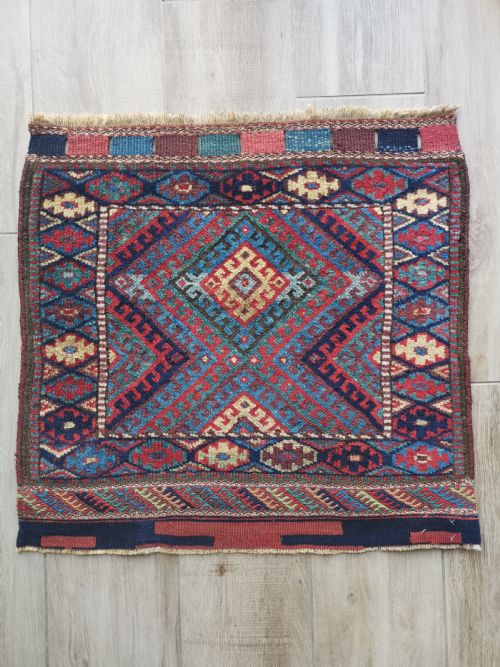
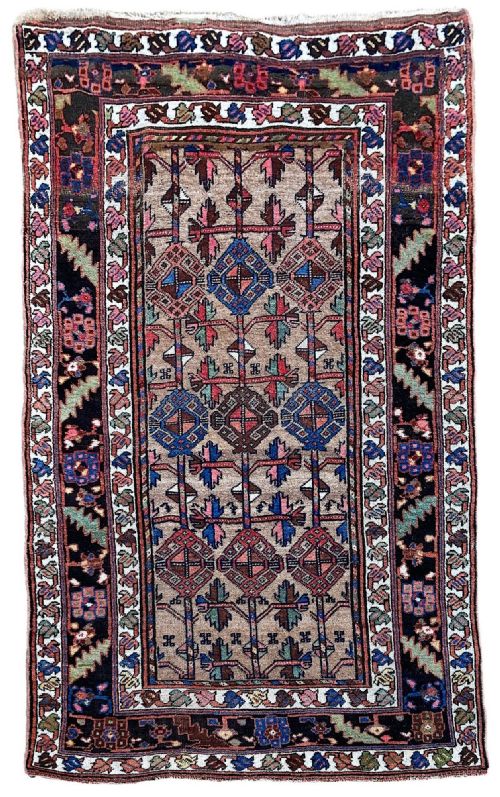
These tribal kurdish wool rug examples bring heavy-knotted durability and striking geometric patterns straight from nineteenth and early twentieth century village looms.
Tribal Kurdish Wool Rug
A tribal kurdish wool rug encompasses practical floor coverings, long runners, and smaller utility bags produced across Persian and Anatolian weaving regions. When searching this phrase, buyers encounter formats ranging from compact scatter rugs to substantial kelleh carpets and narrow hallway runners.
How they were made
These textiles rely on hand-spun wool foundations paired with natural dyes to achieve deep, lasting tones. Artisans utilised cotton for certain structural warps and incorporated goat hair for durable side cords and bag backs.
The construction involves hand-knotted pile techniques executed on upright village looms. This dense knotting produces a rigid, resilient fabric built to withstand decades of heavy floor use.
Object forms on this page include large kelleh carpets, long runners, saddlebag faces, and small chanteh bags.
What varies in quality
The fineness of the knot count and the precision of the geometric layout determine the upper tier of these textiles. Tighter knotting allows for sharper delineation of motifs such as guls and repeating trellis patterns.
The purity and complexity of the natural dye palette separate superior examples from simpler village work. Rich saturation and subtle abrash shade variations signal skilled dye preparation.
The Tribal Kurdish Wool Rug Glossary
- Kelleh
- A rectangular carpet format typically longer than a standard room rug but wider than a narrow corridor runner.
- Gul
- A medallion motif repeated across the field, often bearing tribal or familial significance.
- Abrash
- A natural tonal variation within a single field of colour caused by changes in dye batches or hand-spun wool lots.
- Chanteh
- A small traditional woven bag utilised by nomadic and village weavers for personal belongings.
- Warp
- The stationary vertical threads stretched onto the loom that form the structural foundation of the textile.
Tribal Kurdish Wool Rug: Frequently Asked Questions
How do I clean a tribal kurdish wool rug?
Regular gentle vacuuming without a rotating brush roll keeps dust and grit from settling into the deep wool pile. Professional specialist cleaning remains necessary for periodic washing to protect the natural dyes.
Avoid chemical spot treatments or excessive water immersion at home. Addressing liquid spills immediately by blotting with a clean cloth prevents staining.
Are these rugs suitable for high traffic hallways?
The dense hand-knotted wool construction makes many runner formats exceptionally durable for heavy corridor use. Their original purpose demanded resilience against daily foot traffic in busy village homes.
Using a quality underlay prevents slipping and cushions the foundation fibres against hard flooring. This simple addition significantly extends the working life of older carpets.
How can I tell a runner from a kelleh?
Runners feature a notably elongated narrow proportion designed specifically for corridors and narrow spaces. Kelleh carpets provide a broader format suited for large rooms while maintaining an extended rectangular shape.
Measuring the exact width relative to the overall length clarifies the specific category. Runners maintain a high length-to-width ratio.
What rooms suit these geometric runner rugs?
Narrow hallway runners fit naturally in entranceways, corridors, and galley kitchens where sturdy floor coverings are required. Their bold geometric patterns anchor long, narrow architectural spaces effectively.
Smaller rug formats transition easily into bedrooms, studies, or beside seating arrangements. The rich colours complement both traditional and modern interior settings.