

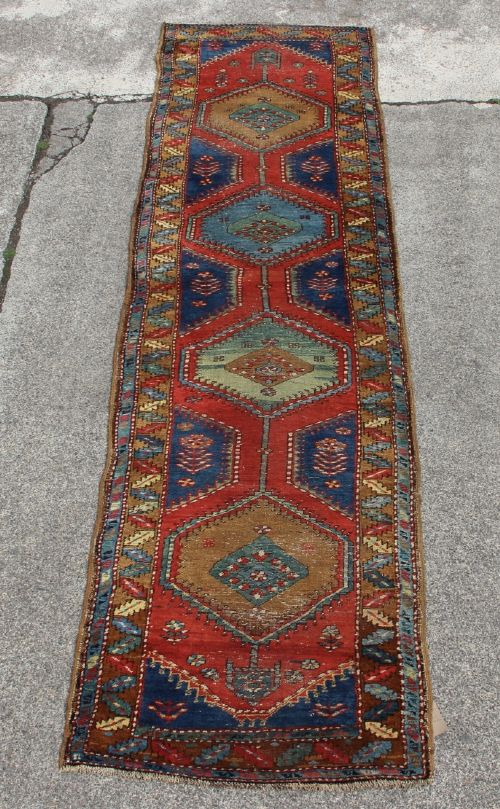
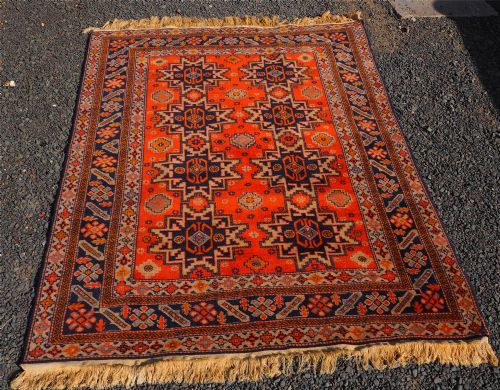
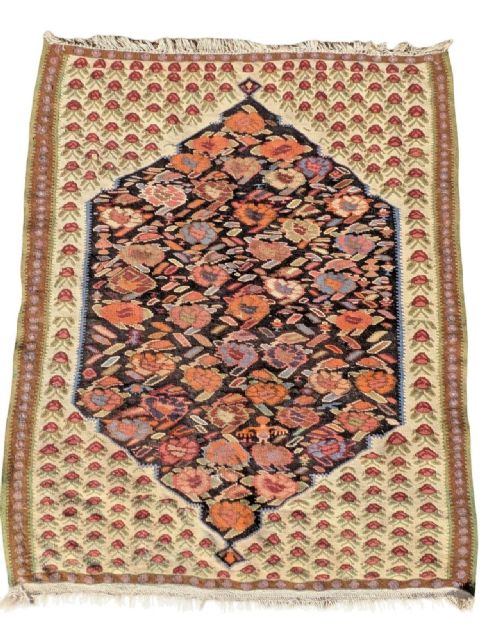
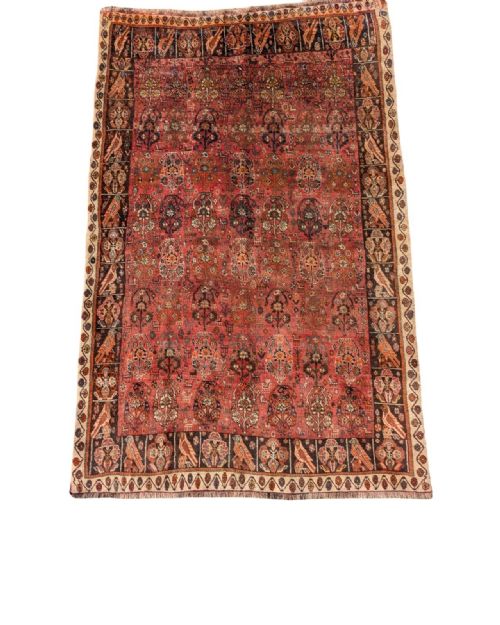
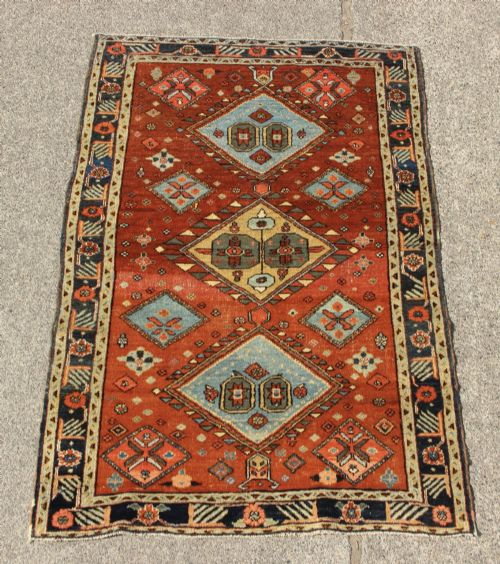
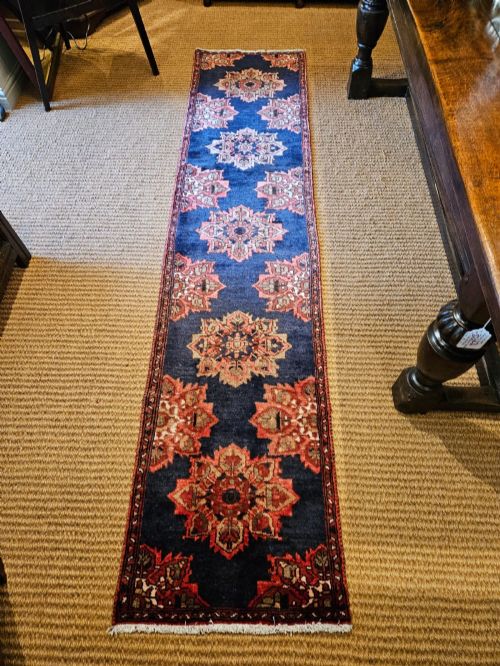
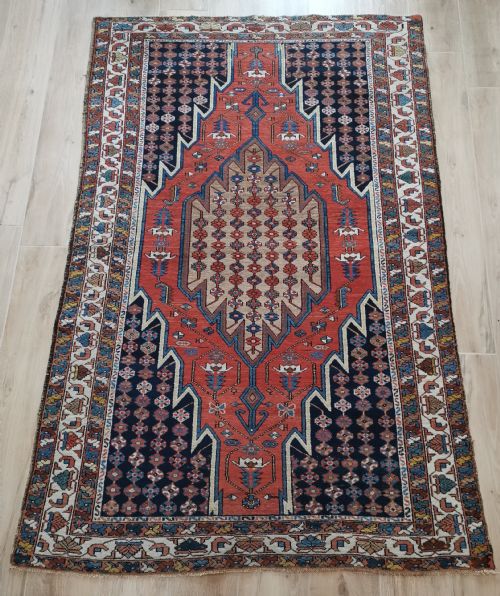
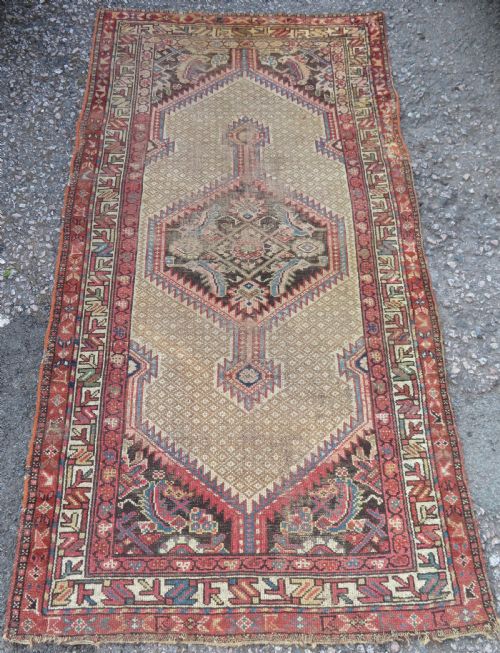

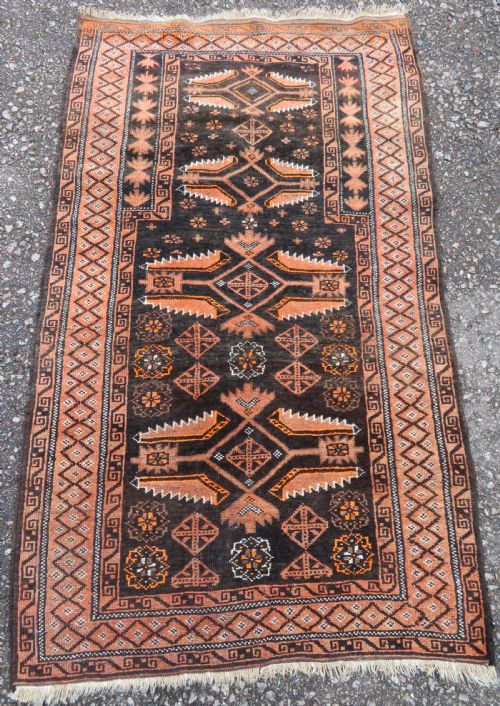
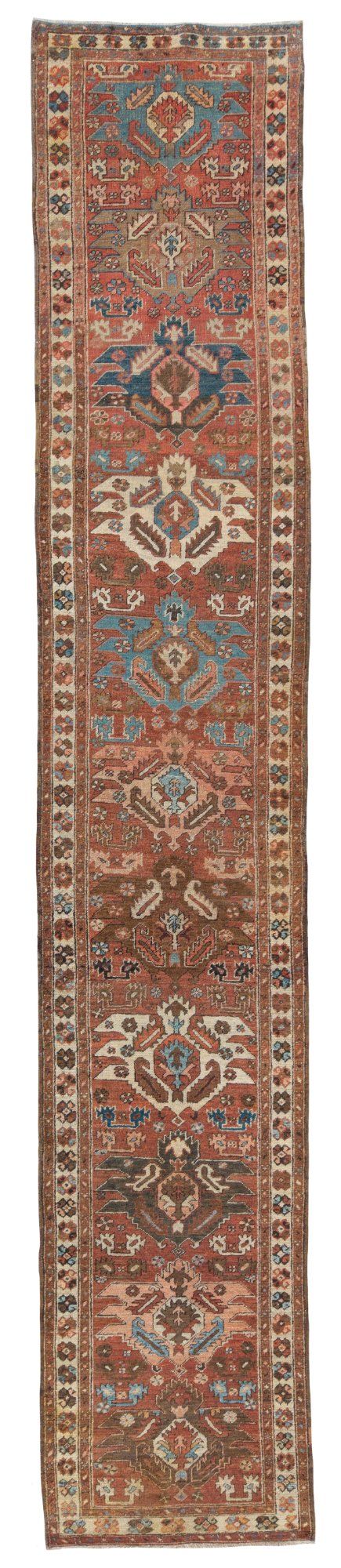
Terracotta Tribal Runner Carpet
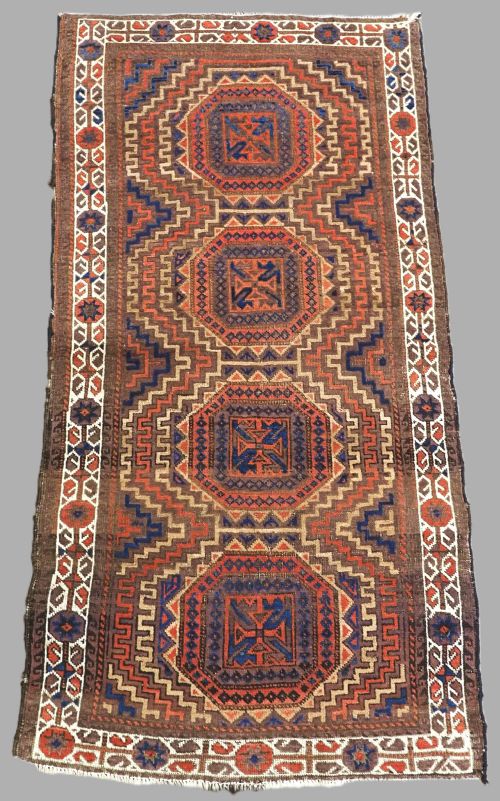
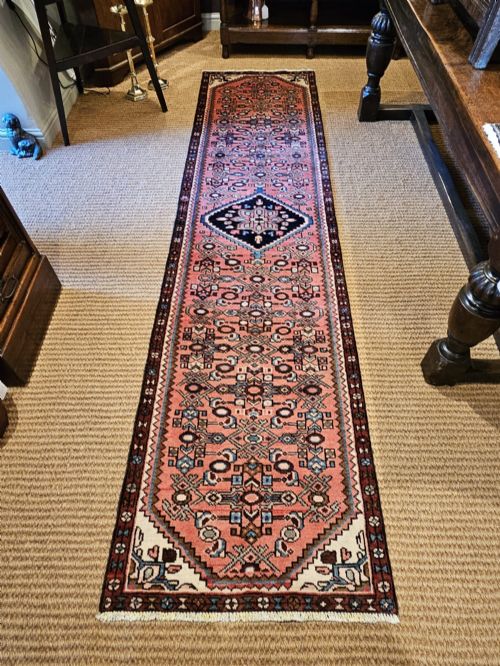
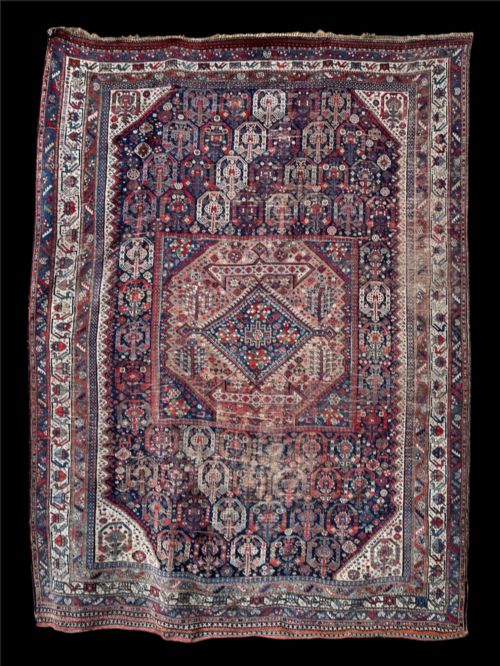
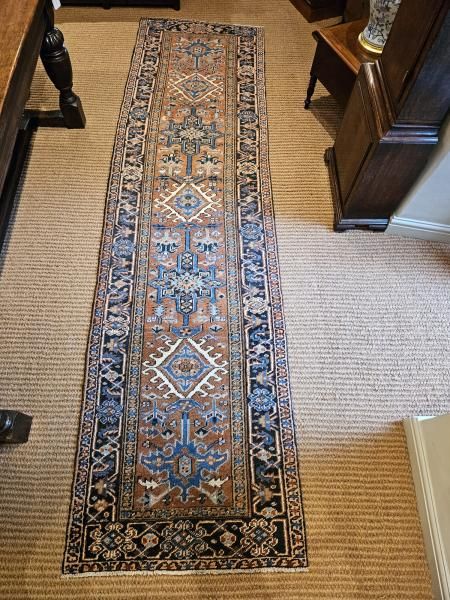
These terracotta tribal runner carpet pieces bring rich geometric motifs and earthy tones into long spaces.
Terracotta Tribal Runner Carpet
A terracotta tribal runner carpet sits among nineteenth and early twentieth century floor coverings originating from Persian, Caucasian, and Anatolian weaving traditions. These elongated formats served nomadic and village households as hallway paths and tent furnishings, woven on vertical looms with dense wool foundations.
The pieces appearing on this page span from the late nineteenth century into the 1930s, encompassing Kurdish, Heriz, Bakshaish, and Afghan regional styles. Buyers encounter various geometric medallion layouts, boteh patterns, and repeating guls executed in dominant terracotta and brick red terracotta ground shades.
The selection ranges from narrow corridor runners exceeding four metres in length to smaller Kurdish and Caucasian tribal rugs suited for compact spaces. Each specimen reflects the specific regional palette and knotting density of its producing tribal confederacy or village workshop.
What Varies in Quality
Knot density and structural integrity dictate the finer examples, where tighter packing creates sharper geometric definition in the motifs. Superior pieces retain healthy pile heights and original border guards without extensive re-weaving along the edges.
The richness of the natural dye palette separates standard village production from masterwork carpets, particularly where madder terracotta tones show subtle abrash variations. Crisp drawing of tribal guls and balanced proportions across long runner formats indicate superior workshop execution.
The Terracotta Tribal Runner Carpet Glossary
- Abrash
- Natural tonal variation in the wool caused by changes in dye batches or hand-spun yarn lots. This slight colour shading adds depth and authenticity to older tribal carpets.
- Boteh
- A stylised almond or paisley motif representing a floral spray or cypress tree. It appears frequently in repeating rows across Persian and Caucasian runner fields.
- Gul
- A repeating octagonal or medallion motif used by tribal groups such as the Ersari Turkmen and Afghan weavers. Each pattern variation identifies specific tribal lineages.
- Kilim
- A flatweave textile produced without a pile, often utilised at the ends of runner carpets to protect the structural foundation from wear.
- Selvedge
- The bound edge running along the long sides of a carpet that prevents the lateral warps from unravelling. Original wrapped selvedges indicate a well-preserved piece.
Terracotta Tribal Runner Carpet: Frequently Asked Questions
How do I clean an old wool runner?
Gentle surface brushing and regular low-suction vacuuming without a beater bar remove embedded grit from the wool pile. Professional specialist cleaning remains necessary for addressing deep-set soil.
Water saturation and harsh chemical detergents damage natural dyes and weaken hand-spun wool foundations. Prompt blotting of liquid spills prevents permanent staining.
What underlay works best on wooden floors?
A breathable rubber mesh underlay prevents the runner from shifting under foot traffic while protecting the delicate cotton or wool warp threads. Avoid plastic or non-porous backing materials that trap moisture beneath the carpet.
Quality underlay also provides cushioning that reduces friction between the hard floor and the handmade foundation.
Can I place these in high traffic hallways?
Traditional village and nomadic runners were built for daily household use using durable wool and sturdy knotting techniques. Hallways and corridors suit their narrow elongated proportions.
Rotating the carpet periodically ensures even wear across the pile when exposed to concentrated foot traffic in narrow spaces.
How do I identify different regional tribal patterns?
Geometric medallion layouts, recurring boteh motifs, and specific gul designs point to particular weaving regions such as Heriz, Kurdish areas, or Afghanistan. Border guards and colour palettes further narrow the geographic origin.
Comparing knot types and foundation materials helps distinguish between sedentary village workshops and nomadic tribal output.