
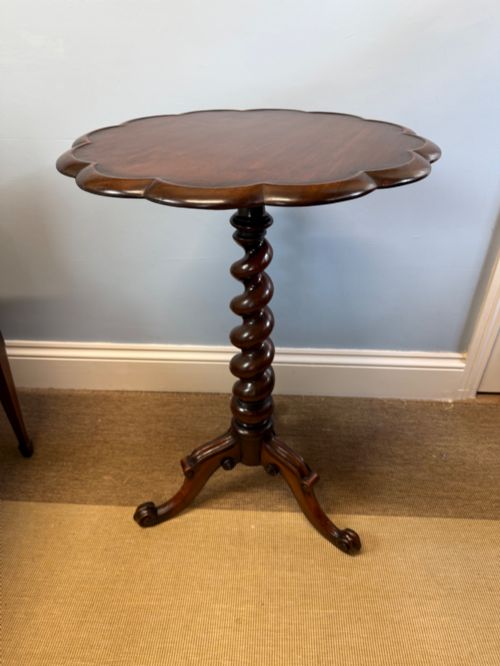
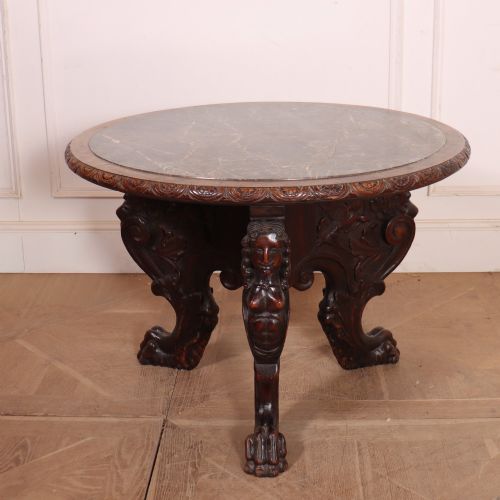
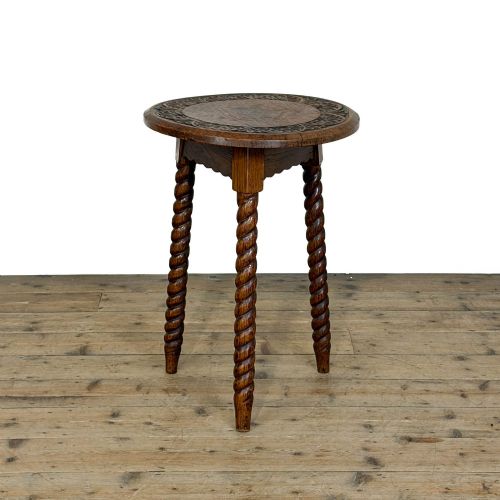
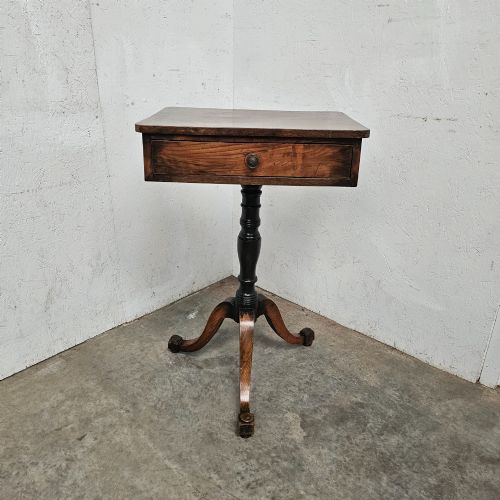
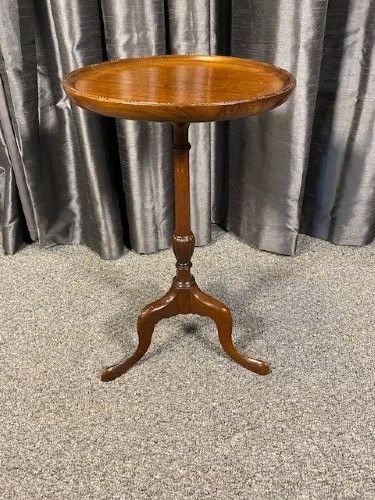
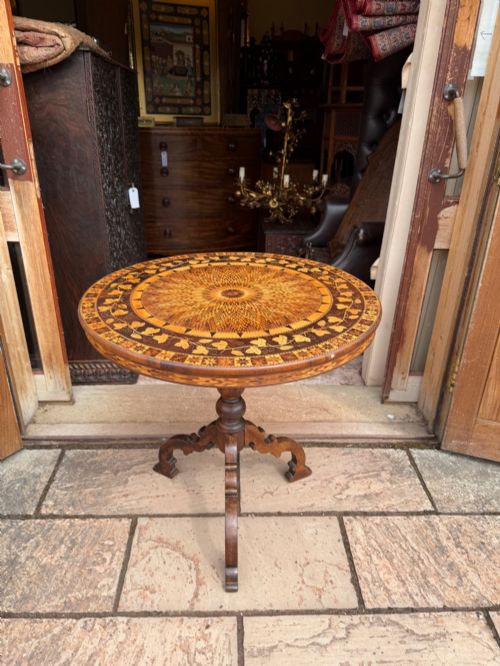
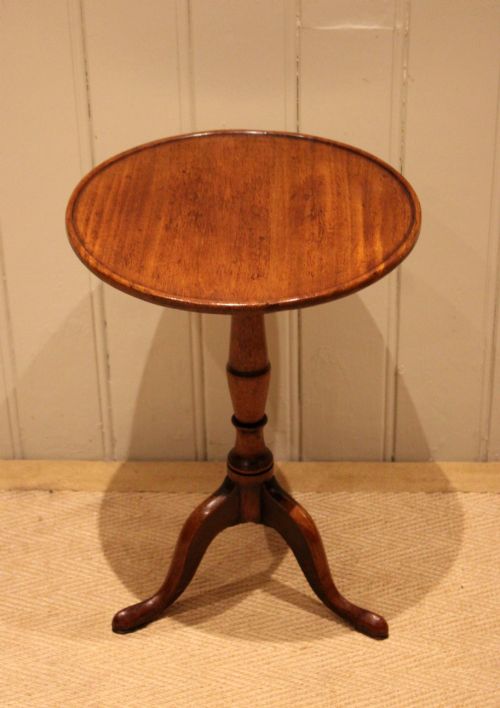
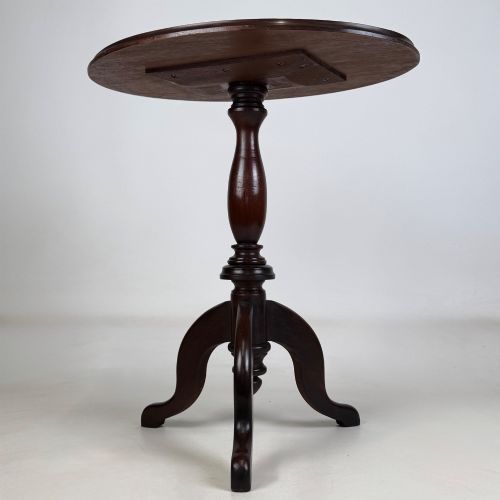
Wooden Tripod Lamp Table
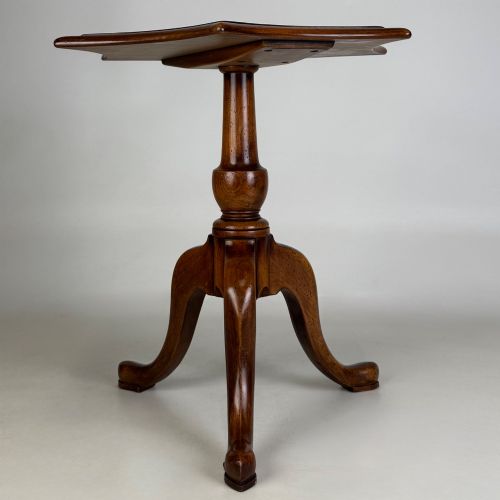
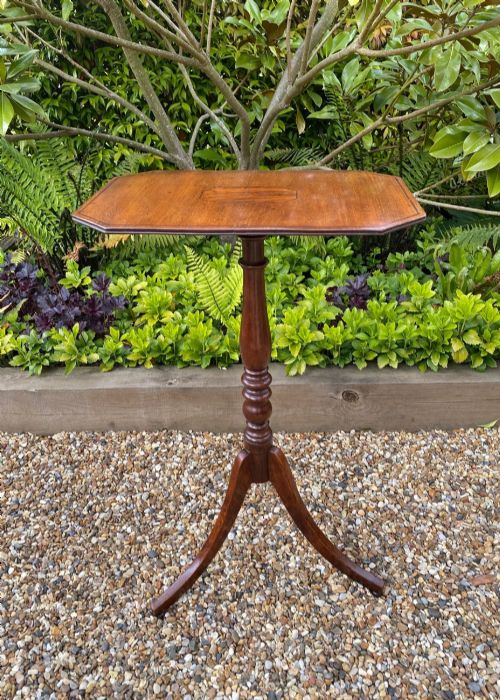
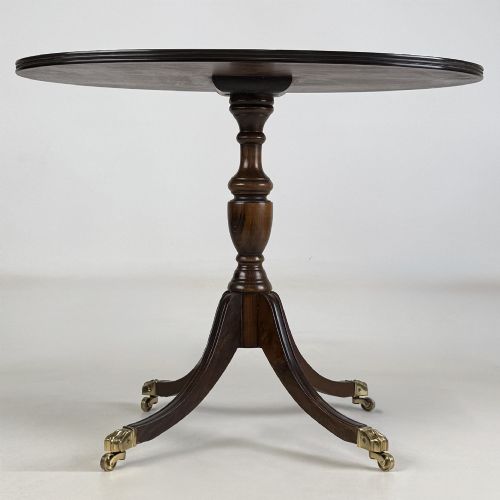
A wooden tripod lamp table balances practicality and form, offering a sturdy three-legged support that tucks neatly beside a chair.
Wooden Tripod Lamp Table
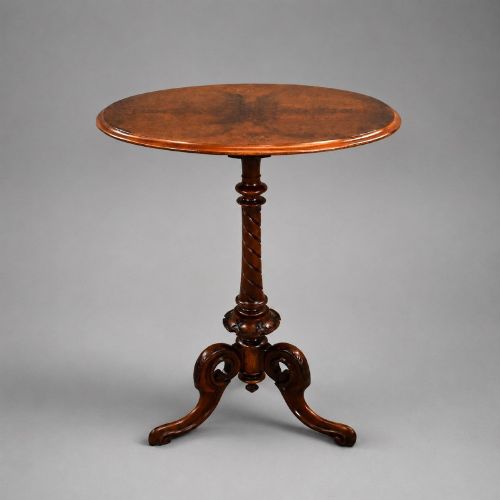
A wooden tripod lamp table serves as a compact surface for illumination and small items, resting typically on three tapering legs beneath a round or oval top. When searching for a wooden tripod lamp table, buyers encounter forms that span several centuries, functioning historically as wine tables, candle stands, and cricket tables.
The pieces available here appear across multiple periods including the Georgian, Regency, Victorian, and Edwardian eras. Buyers regularly meet forms executed in solid timbers or with inlaid decorative surfaces, designed originally for specific domestic tasks but repurposed today beside modern seating.
How they were made
Cabinet makers constructed a wooden tripod lamp table using native and imported hardwoods like mahogany, oak, walnut, and elm, often turning the central pedestal on a lathe. Carpenters joined the three legs to the central column using dovetail or tenon joints to ensure stability without excessive weight.
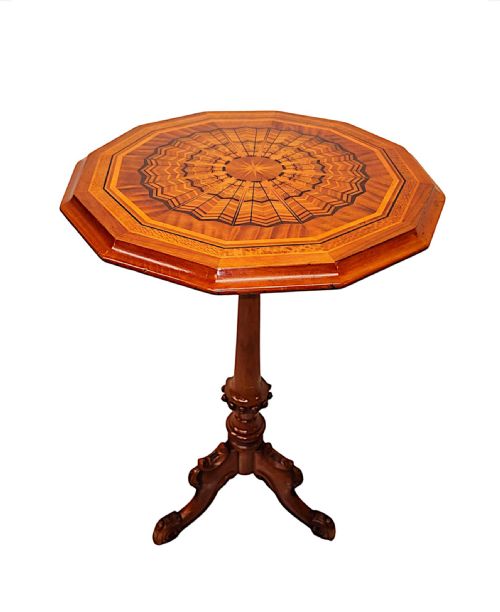
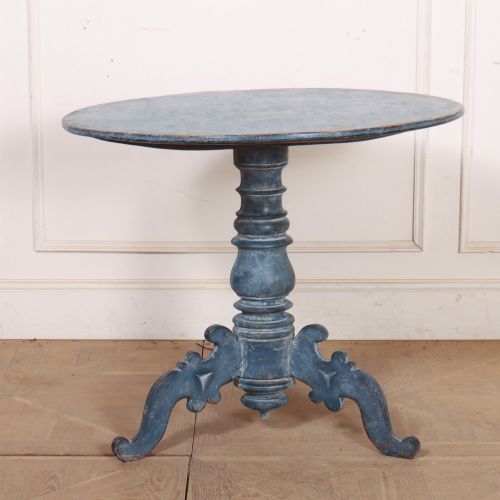
Surface decoration involved sophisticated techniques including inlay, crossbanding, carving, and painted finishes depending on the origin and period. Tilt-top mechanisms utilised clever brass catches or wooden pegs, allowing the tabletop to fold flat against the pedestal when not in use.
Object forms span wine tables, occasional tables, cricket tables, and candle stands alongside standard lamp bases.
What varies in quality
The distinction between standard and superior examples of a wooden tripod lamp table rests largely on timber selection and the crispness of the turning. Finer pieces display carefully matched veneers, such as burr walnut or satinwood, and hand-carved details rather than cast or moulded embellishments.
Structural integrity also separates the grades, visible in the tightness of the leg joints and the smooth operation of the tilt mechanism. Tables that retain their original surfaces without excessive modern intervention command greater appreciation among collectors.
Gillows
The Wooden Tripod Lamp Table Glossary
- Cricket table
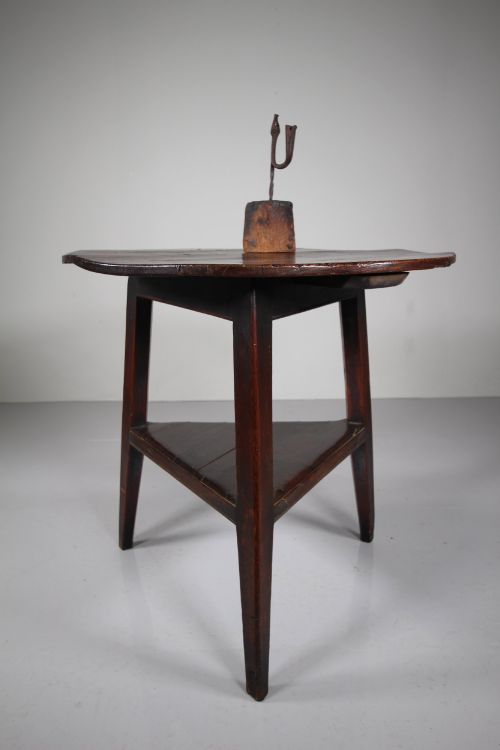
- A small, three-legged occasional table typically constructed from oak or pine with a round top. These utilitarian pieces date frequently from the eighteenth century and feature pegged joints.
- Tilt-top
- A hinged tabletop mechanism that allows the surface to pivot into a vertical position. This clever engineering saved valuable floor space in historical rooms.
- Inlay
- A decorative technique where contrasting woods, brass, or shell are fitted into recesses carved into the surface. Satinwood and mahogany often receive this treatment to create geometric or floral motifs.
- Tripod base
- A three-legged support system designed to remain stable on uneven floors. This configuration prevents the rocking common in four-legged furniture.
Wooden Tripod Lamp Table: Frequently Asked Questions
What is a cricket table?
A cricket table is a sturdy three-legged occasional table traditionally made from oak or pine. These pieces generally feature a round top supported by simple pegged stretchers.
Historically used in domestic spaces, their three legs ensure stability on uneven early floors. Today they function well as compact lamp tables in rustic settings.
How do tilt-top tables work?
Tilt-top tables utilise a hinged block beneath the surface that connects the circular top to the central pedestal. A small catch secures the top horizontally when in use.
Released, the surface pivots vertically so the table can store flat against a wall. This ingenious mechanism saved significant space in period interiors.
Where should I place a lamp table?
A lamp table suits tight corners, narrow hallways, or beside a favourite reading chair. Their compact footprint provides a convenient surface without dominating the room.
Matching the wood tone to existing furniture helps integrate the piece smoothly. Their three-legged design allows them to tuck closely into awkward spaces.
How do I date a tripod table?
Dating a tripod table involves examining the timber species, the construction of the legs, and the method used to join the top to the pedestal. Georgian examples often feature slender mahogany pillars with snake feet.
Later Victorian and Edwardian pieces frequently showcase heavier turned pedestals or elaborate inlay. Tool marks and fastener types offer further clues to the manufacturing era.