
Wooden Torchere Stand
A wooden torchere stand brings height and presence to a room, holding candles, plants or lamps with upright dignity.
Wooden Torchere Stand
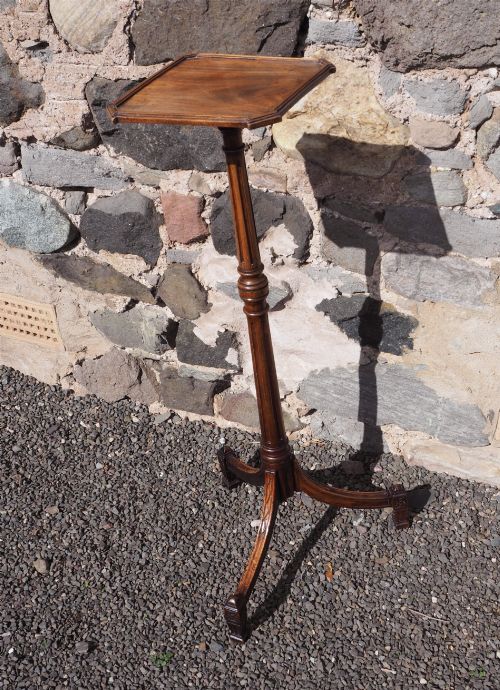
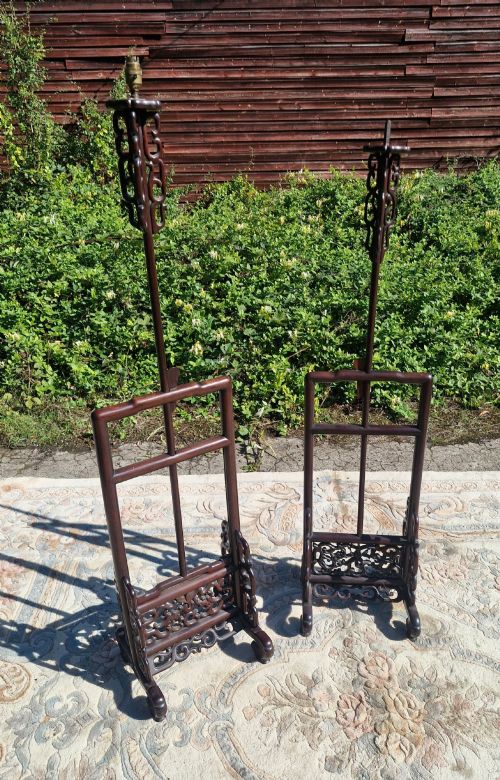
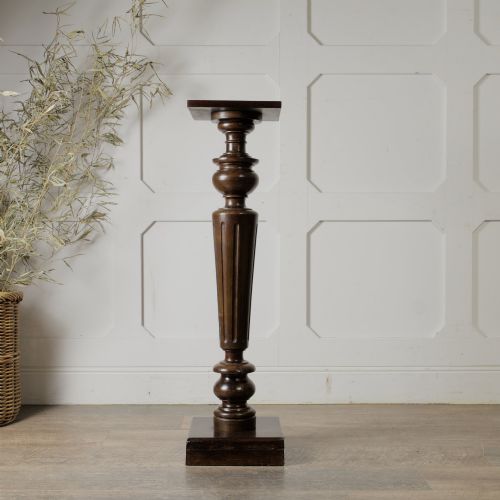
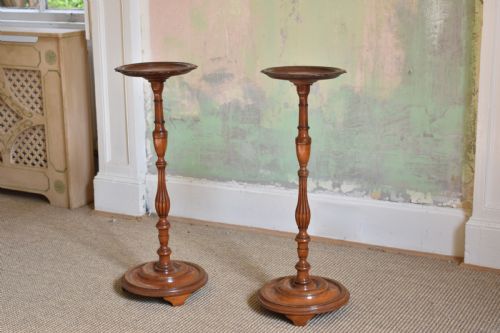
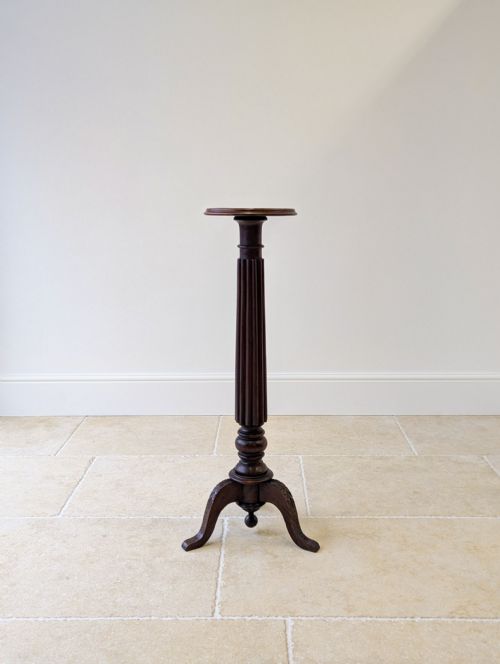
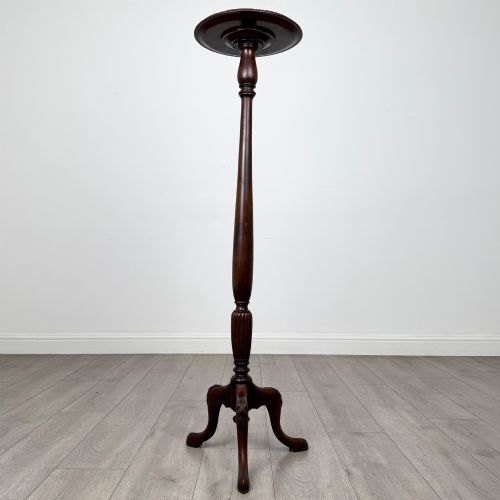
A wooden torchere stand is a tall, slender support designed originally for candles and now frequently utilised for plants, lamps or decorative objects. When you search for a wooden torchere stand, you encounter tall columns, pedestals and tripod-based stands spanning the eighteenth, nineteenth and early twentieth centuries.
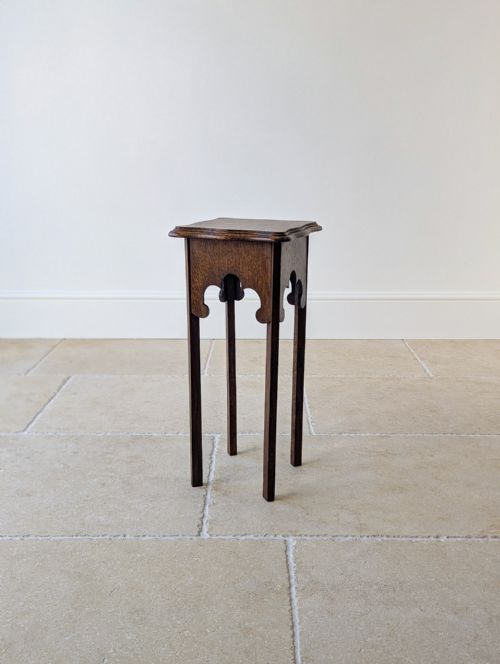
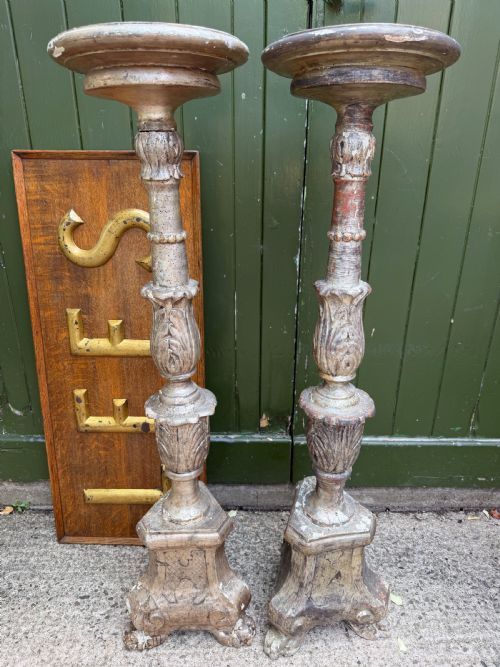
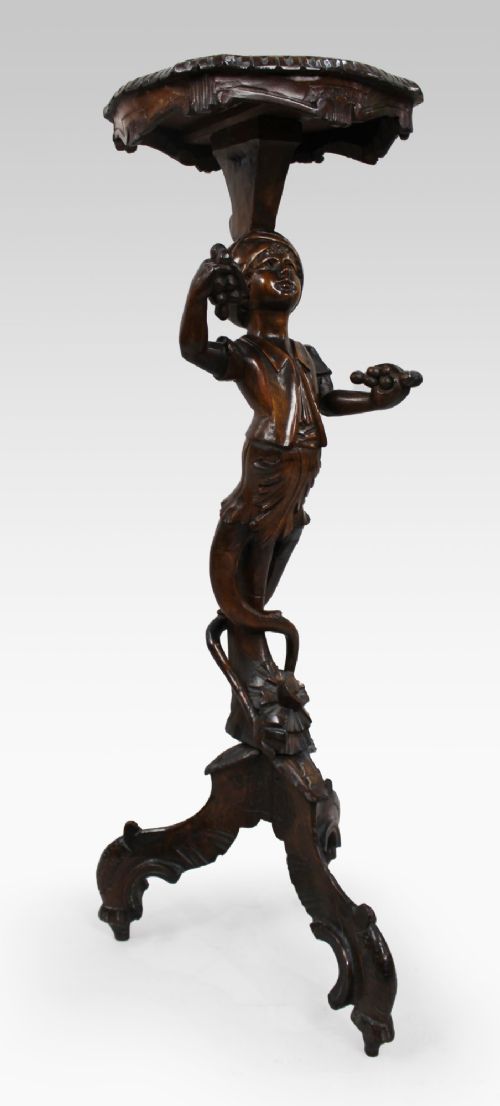
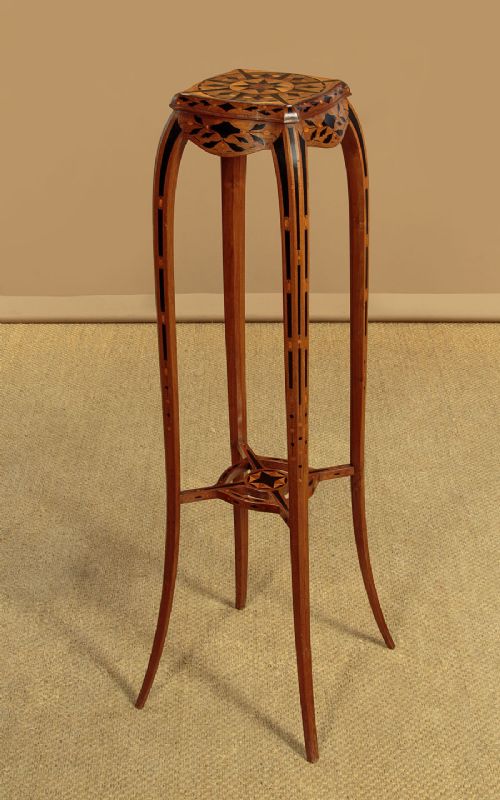
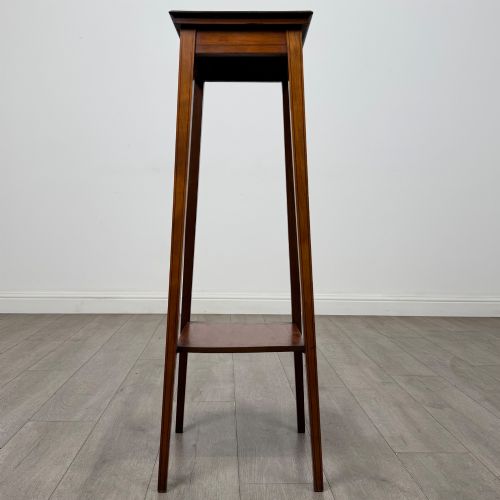
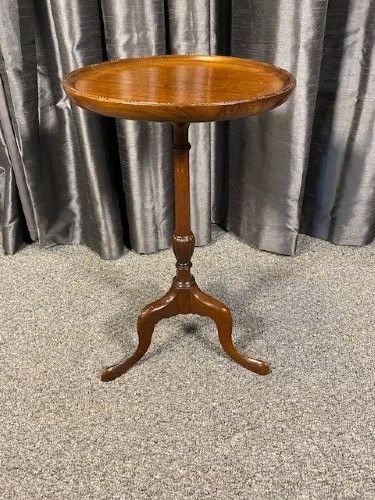
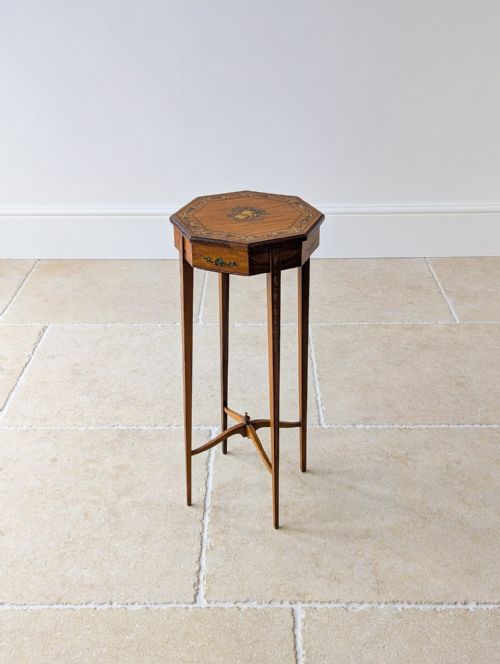
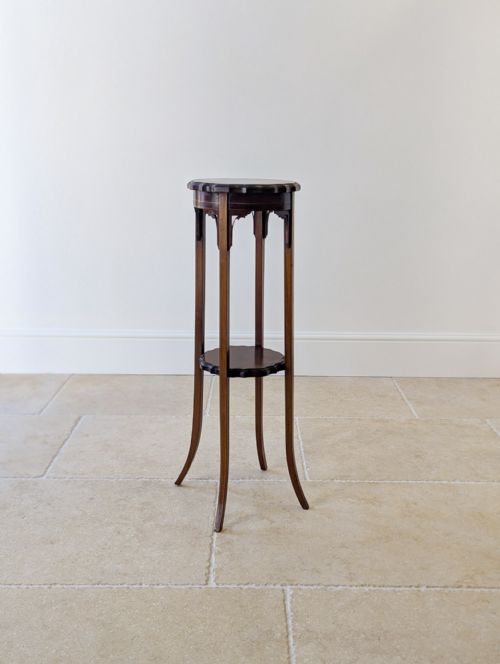
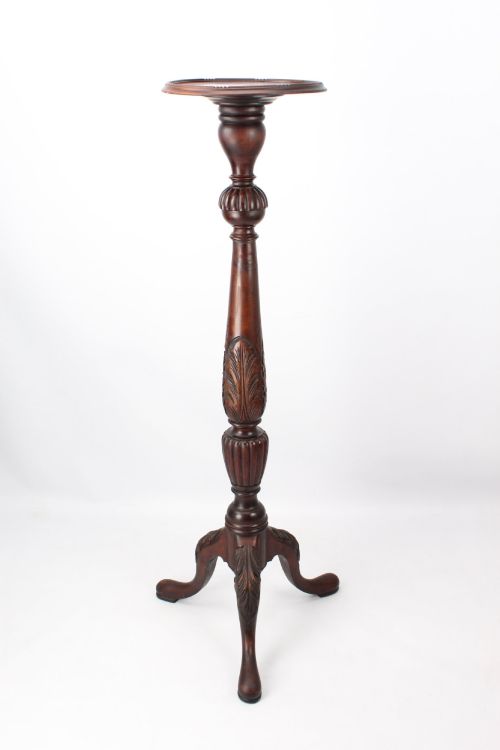
The selection here encompasses various forms, from simple turned mahogany plinths to elaborately carved Italian and Dutch baroque examples, alongside Edwardian satinwood pieces and Arts and Crafts oak plant stands. These vertical furnishings serve to lift small focal points off the floor, introducing architectural interest into empty corners.
How They Were Made
Cabinet makers and carvers built these supports using dense timbers like mahogany, walnut and oak, occasionally incorporating exotic woods such as kingwood, yew and satinwood for decorative effect. Turning on a lathe formed the slender columns and baluster shafts, while joinery techniques secured the tripod or circular bases.
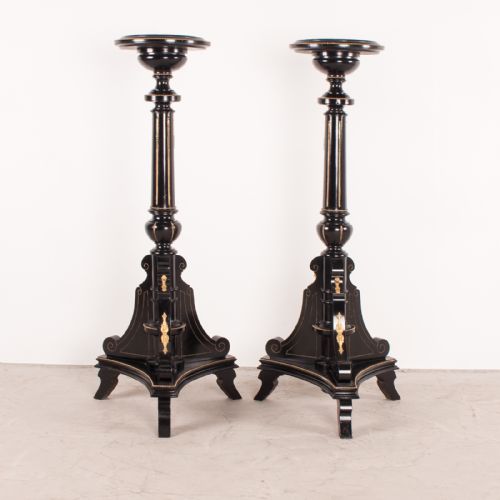
Surface ornamentation relied heavily upon hand carving, silvering, ebonising and polychrome paint, alongside delicate inlay work and brass mounts. These traditional methods produced rigid, stable vertical shafts capable of supporting weight despite their narrow footprints.
Carved figural columns occasionally introduce watchful human forms into the room, guarding corners in the guise of Blackamoor or classical statues.
What Varies In Quality
Quality rests primarily in the crispness of the hand carving and the selection of timber, where tightly figured grains and solid construction outweigh plain secondary woods. Superior examples display balanced proportions between the slender shaft and the supporting base, ensuring stability without excessive bulk.
The sophistication of decorative details - such as fine satinwood inlay, well-executed figural elements or original painted surfaces - separates standard utility pieces from high-status decorative furnishings.
Shoolbred·WMF
The Wooden Torchere Stand Glossary
- Torchere
- A tall stand designed to hold a light source, candle or decorative object. Originally developed in France, these pieces evolved to serve multiple display purposes.
- Plinth
- A heavy flat base or lower block that supports a column, statue or standard. It provides stability to tall, narrow furniture.
- Tripod base
- A three-legged support structure commonly found beneath nineteenth-century stands. This configuration prevents rocking on uneven floorboards.
- Jardiniere
- An ornamental pot or stand for holding plants and flowers. These containers often integrate directly into tall wooden pedestals.
- Inlay
- A technique where pieces of contrasting wood or other materials are inserted into depressions within the primary surface. Satinwood frequently appears in this application.
Wooden Torchere Stand: Frequently Asked Questions
What is the difference between a torchere and a plant stand?
A torchere originated specifically to hold a light or candle, featuring a narrow top designed for visibility rather than weight. Over time, the distinction blurred as makers adapted similar tall columns to hold jardinieres and flower pots.
Today, listings often use the terms interchangeably because both share a tall, slender vertical format intended to elevate objects above standard table height.
How do I choose the right height for a room?
Consider the surrounding furniture scale and the specific object you intend to place on top. Taller stands suit empty architectural corners, drawing the eye upward and breaking up blank wall space.
Shorter pedestals work effectively beside seating or beneath existing paintings where an excessively tall column would block the view.
Are these stands stable enough for heavy items?
Most wooden stands rely on sturdy tripod bases or weighted circular feet designed to counteract the height of the column. However, heavier items require careful centring to maintain balance.
Heavier marble or solid hardwood versions offer greater inherent gravity, whereas lighter turned pine or slender softwood pieces suit delicate plants and small lamps.
How do I date an antique wooden stand?
Dating relies on timber choice, tool marks, construction methods and stylistic revival periods. Eighteenth-century pieces typically feature rich walnut or dense mahogany with hand-cut joinery.
Later nineteenth-century and Edwardian examples often incorporate machine-turned elements, ebonised finishes, or specific revival motifs associated with the Georgian and Victorian eras.