
Wooden Tea Caddy Chest
These wooden tea caddy chest items are storage boxes designed to preserve expensive leaf tea, offering a glimpse into domestic life across the Georgian, Regency, and Victorian periods.
Wooden Tea Caddy Chest
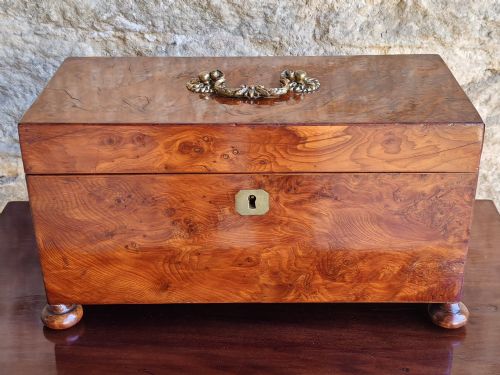
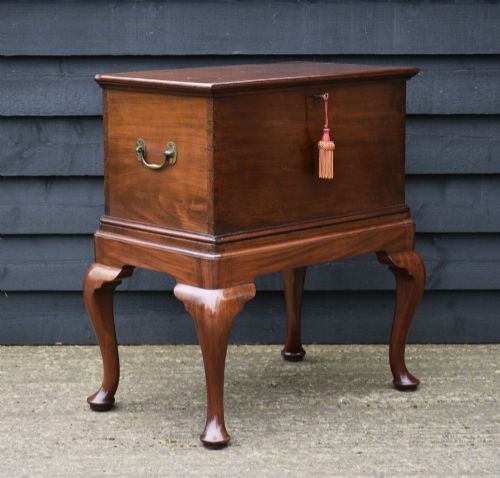
A wooden tea caddy chest is a specialised storage box designed to hold and protect valuable tea leaves in domestic interiors. When exploring this selection, buyers frequently encounter pieces dating from the eighteenth and nineteenth centuries, spanning Georgian, Regency, and Victorian periods.
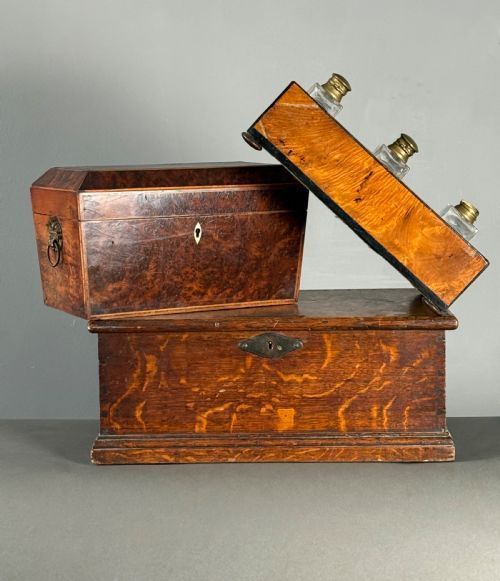
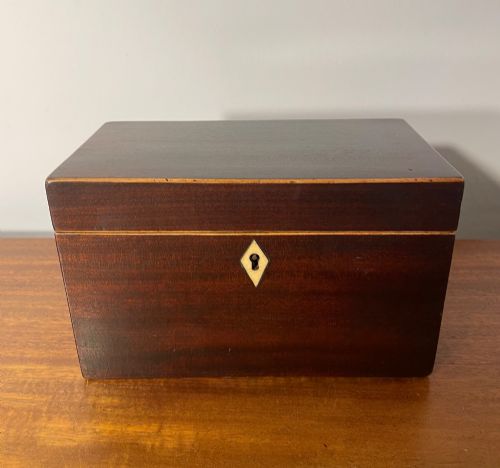
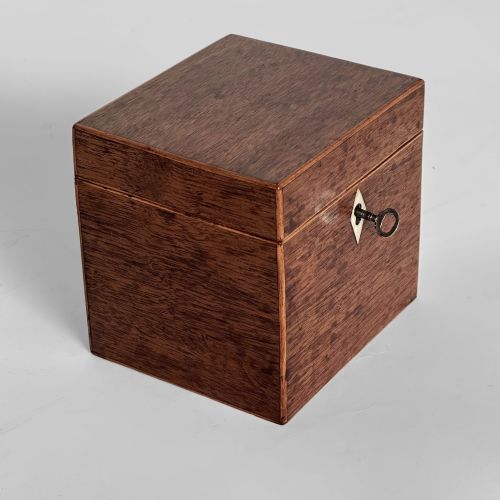
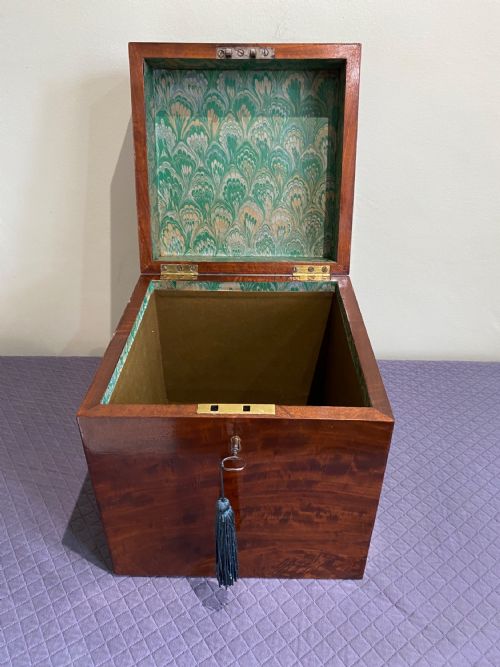
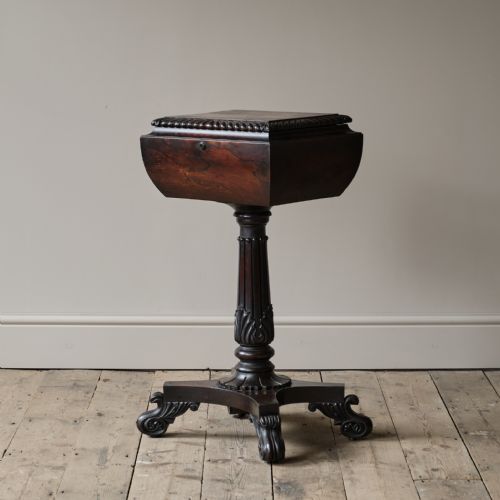
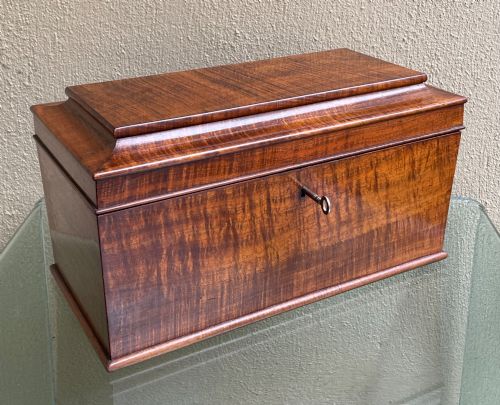
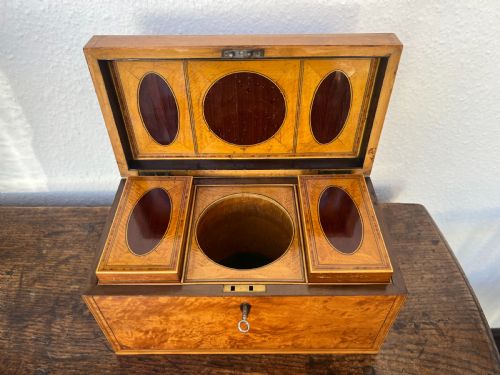
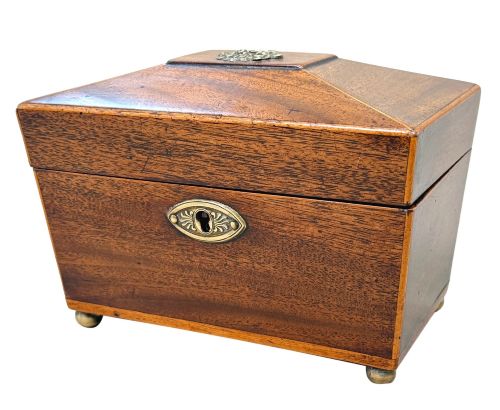
The forms vary from simple rectangular boxes to elaborate sarcophagus shapes, hexagonal containers, and elevated teapoys mounted on stands. Many examples feature fitted interiors, secure locks with keys, and internal compartments once used for dry tea and sugar storage.
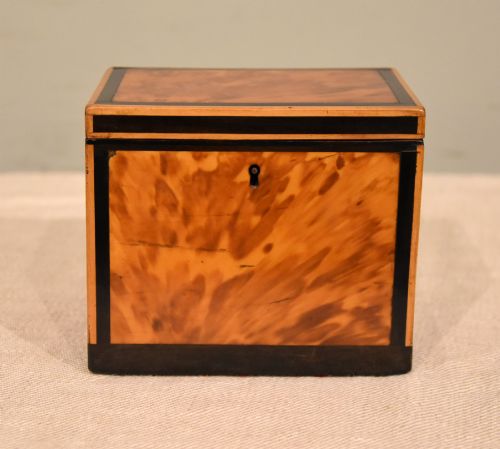
Materials range from native timbers like mahogany, walnut, yew, and satinwood to exotic woods such as rosewood and padouk. Detail work frequently incorporates brass hardware, bone, mother-of-pearl, tortoise-shell, and intricate Tunbridge Ware marquetry.
Construction and Materials
Cabinetmakers constructed these chests using solid hardwoods and decorativeveneers applied to sturdy core timbers. Mahogany, walnut, and rosewood serve as the primary structural woods across the majority of surviving examples.
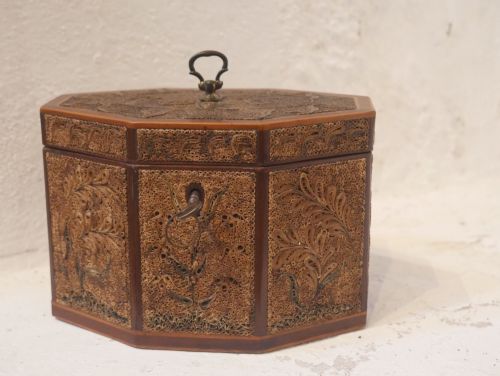
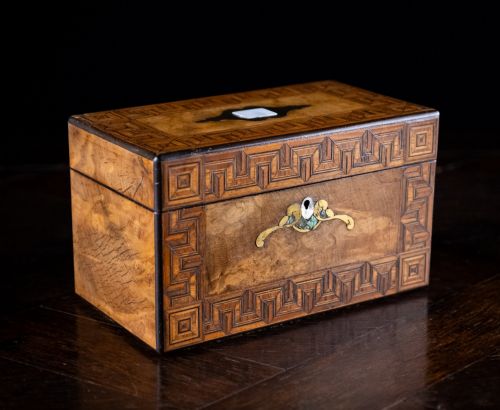
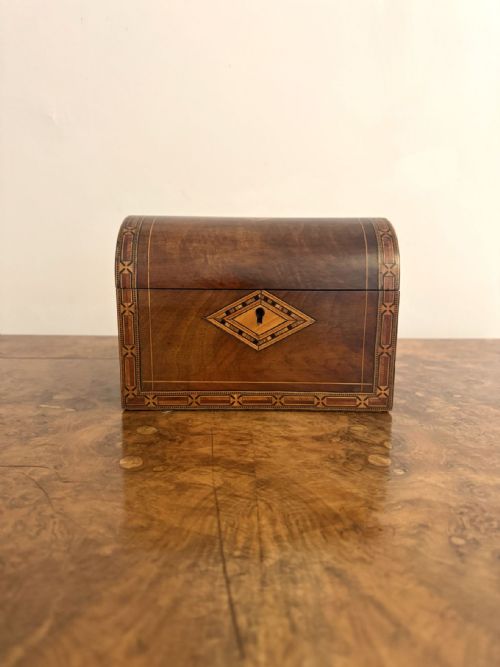
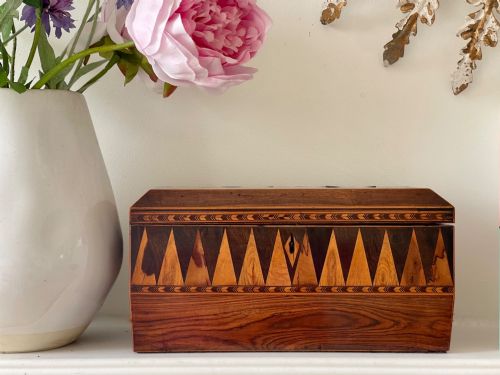
Surface ornamentation relied on meticulous handcrafting techniques, including parquetry, paper filigree, micro-mosaic Tunbridge Ware, and contrasting stringing in boxwood, ebony, and satinwood. Metal inlay in brass and shell enhancements added further visual texture to the finished surfaces.
Evaluating Quality and Craftsmanship
The standard of a wooden tea caddy chest is determined by the selection of timber veneers and the precision of its decorative inlays. Pieces featuring complex geometric parquetry or detailed Tunbridge Ware micro-mosaics generally represent higher tiers of period craftsmanship.
Internal architecture further distinguishes finer examples from simpler containers. Superior boxes retain original fitted interior canisters, glass mixing bowls, working locks, and secret drawers that demonstrate the full skill of the original workshop.
Henry Hollamby
The Wooden Tea Caddy Chest Glossary
- Sarcophagus
- A box shape featuring a domed or peaked lid sloping on four sides, frequently utilised for large Regency and Victorian tea chests. This form mimics ancient stone tombs and provides substantial interior capacity.
- Tunbridge Ware
- A type of decorative woodworking characterised by tiny pieces of tinted wood glued together to form intricate mosaic pictorial designs. This technique originated in Kent and appears frequently on Victorian boxes.
- Teapoy
- A small table fitted with a lidded tea chest mounted on a central pillar or legs. These pieces allowed tea to be brewed directly in the drawing room.
- Parquetry
- Geometric wood-mosaic work used for flooring and box surfaces. Artisans arranged contrasting wood veneers in repeating patterns to create decorative lid and side panels.
- Navette
- A boat-shaped decorative form featuring pointed ends and a curved centre. This silhouette appears on specialised Georgian tea boxes.
Wooden Tea Caddy Chest: Frequently Asked Questions
What is a wooden tea caddy chest used for?
These chests were originally manufactured to lock away and preserve precious tea leaves when tea was an expensive imported commodity. They protected dry leaves from moisture and light while keeping them secure from domestic staff.
Today, buyers repurpose these lidded boxes as decorative storage containers for jewellery, letters, and small keepsakes. Their divided interior compartments make them practical for organising modern items.
How do I tell a Georgian tea chest from a Victorian one?
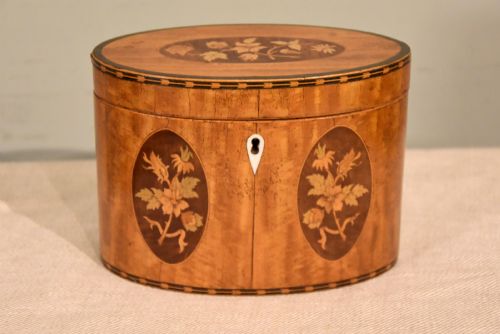
Georgian tea chests typically display restrained classical proportions, featuring fine mahogany, satinwood veneers, and subtle shell or butterfly string inlay. They lean toward neat rectangular, oval, or hexagonal geometries.
Victorian examples often embrace bolder forms like the sarcophagus shape, alongside heavier woods such as burr walnut and rosewood. They frequently incorporate dense Tunbridge Ware decoration, mother-of-pearl, and brass mountings.
What are Tunbridge Ware tea caddies?
Tunbridge Ware pieces are distinctive wooden boxes decorated with microscopic mosaic patterns made from thousands of tiny tinted wood blocks. These designs usually depict geometric patterns, flowers, or castles.
Originating in the spa town of Royal Tunbridge Wells, these items represent a specialised form of nineteenth-century decorative woodworking. Collectors prize them for their vibrant polychromatic wooden tessellations.
Did these chests come with mixing bowls?
Many period tea chests included a central glass bowl nestled between two internal lidded compartments. This bowl was used for blending different teas or storing loose sugar.
Surviving examples that retain their original glass mixing sticks and bowls are particularly sought after by collectors. The presence of these complete internal fittings indicates a well-preserved piece.