




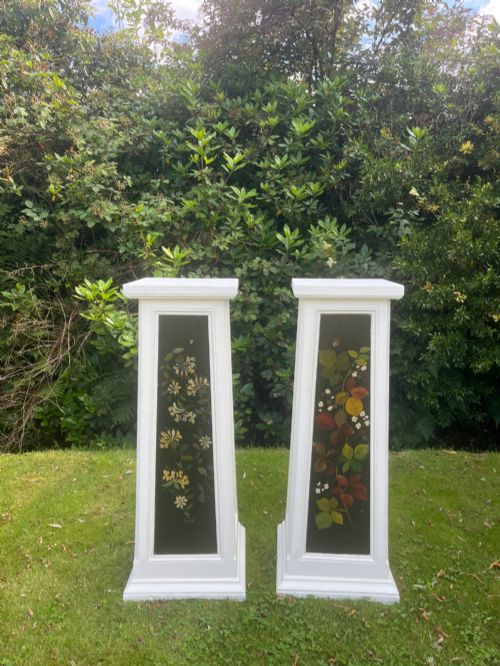
Wooden Sculpture Display Stand
A wooden sculpture display stand elevates three-dimensional art to catch the eye and anchor a room.
Wooden Sculpture Display Stand
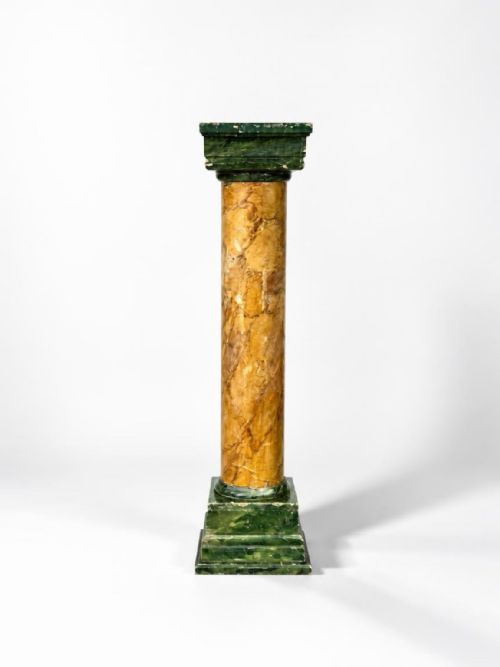
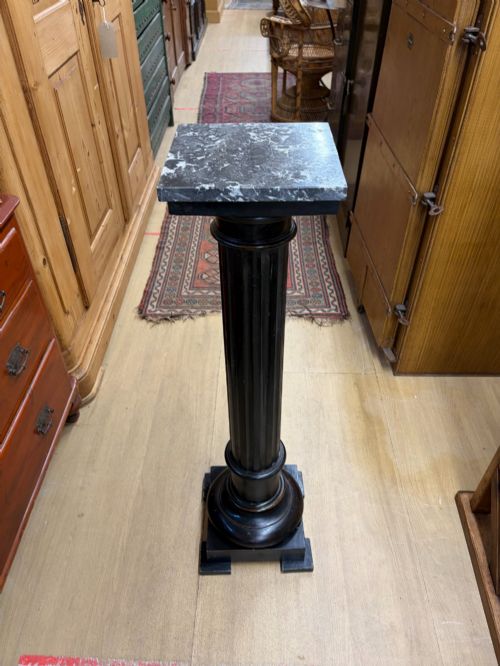
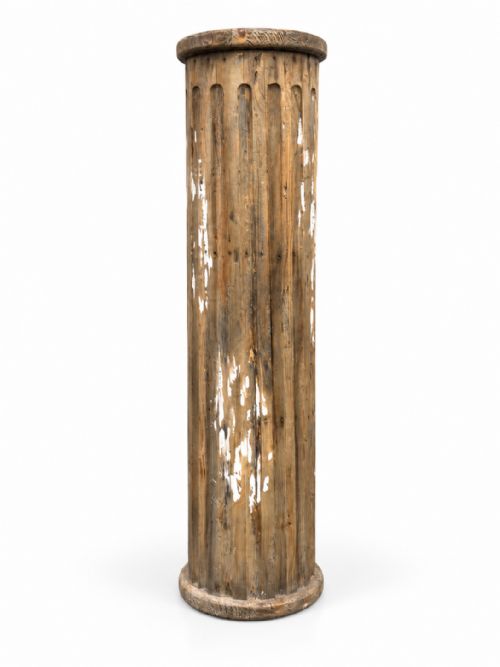
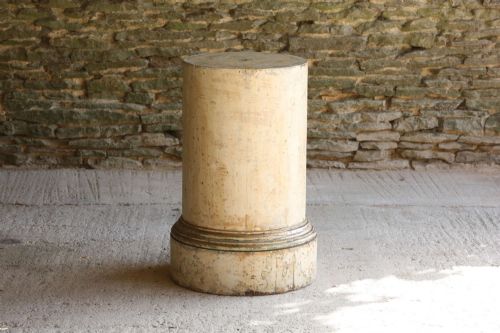
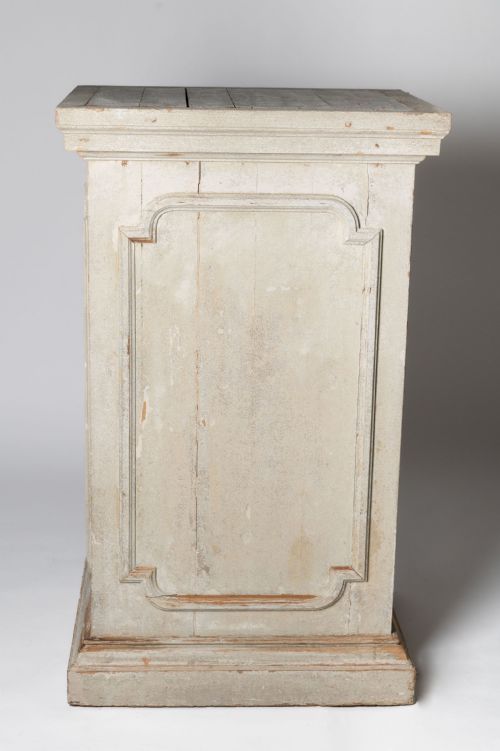
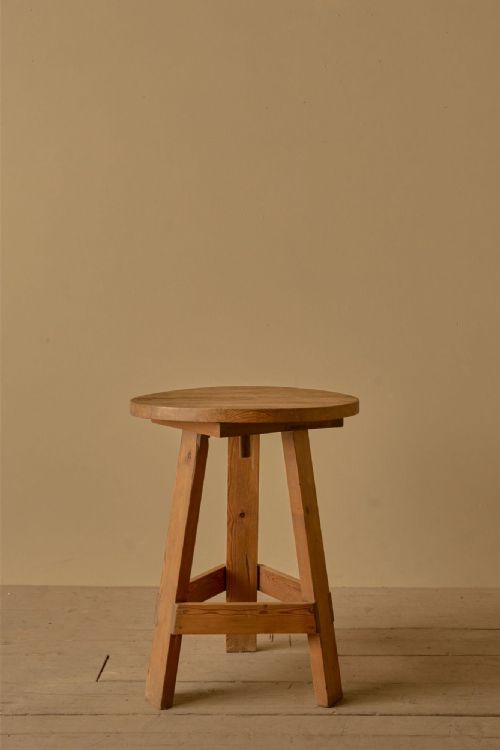
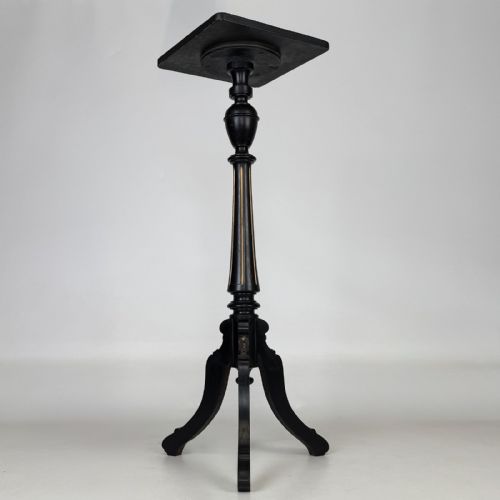
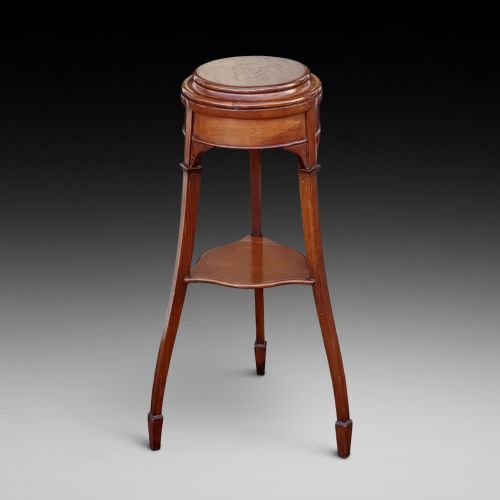
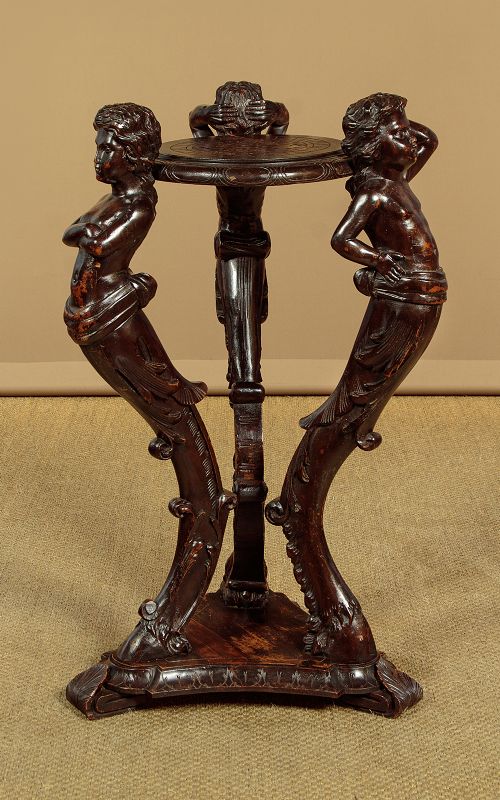
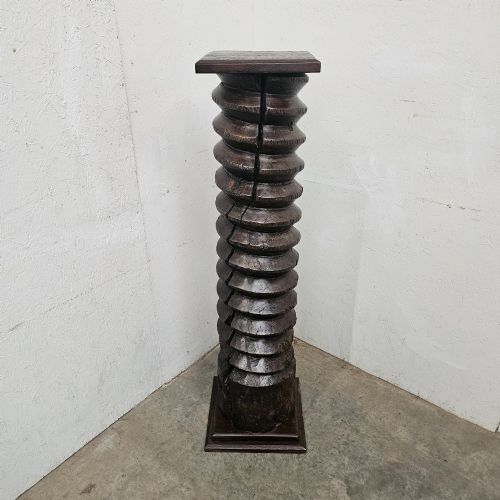
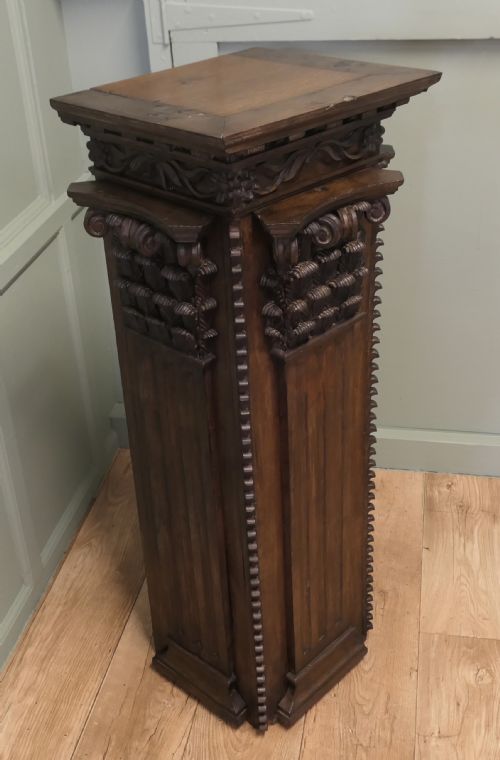
When searching for a wooden sculpture display stand, buyers encounter a variety of forms including columns, pedestals, plinths, and torcheres. These practical yet decorative items serve to support busts, vases, and sculptures at an optimal height for viewing.
The selections span from the nineteenth century into the early twentieth century, encompassing Victorian, Edwardian, and Georgian periods. British, French, Italian, and Scandinavian origins appear frequently across the inventory.
Makers utilised woods such as mahogany, walnut, oak, satinwood, and birch, alongside painted, ebonised, and gesso finishes. Forms range from simple cylindrical stands to elaborate spiral pillars and neoclassical columns.
How they were made
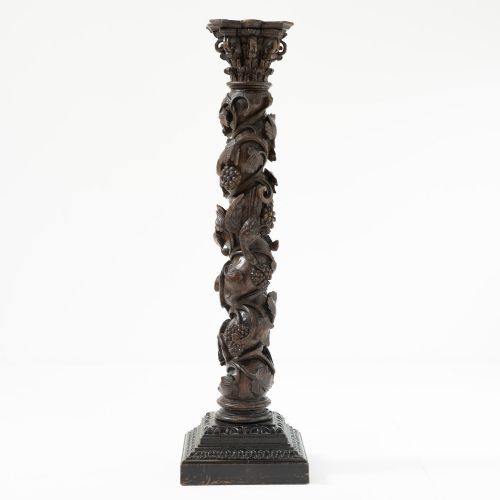
Cabinet makers employed solid hardwoods and decorative veneers such as mahogany, walnut, and amboyna over secondary timbers. Turning on a lathe produced cylindrical columns and spiral pillars, while skilled joinery created sturdy triform and tripod bases.
Carving added surface detail, from neoclassical motifs to folk art elements. Finishes varied from clear polish to ebonisation, paint, and gilding, often tailored to mimic costlier materials like marble.
Wooden Sculpture Display Stand Retail Price Guide 2026
Typical asking prices for wooden sculpture display stand among the pieces listed under this phrase on Sellingantiques today, from the lower quarter to the upper quarter. They describe what is for sale here now, not the wider market.
Periods represented span the eighteenth century through the Victorian, Edwardian, and Art Deco eras.
What varies in quality
The distinction between standard utility items and exhibition quality pieces lies in the choice of materials and the depth of craftsmanship. Finer examples display meticulous hand carving, choice veneers like macassar ebony, and substantial proportions.
Structural integrity also separates the grades, with superior stands offering stable weight distribution and precise turning. The execution of surface treatments, whether fine polishing or elaborate gilding, dictates the visual impact of the pedestal.
Gillow & Co.
The Wooden Sculpture Display Stand Glossary
- Torchiere
- A tall stand or floor lamp originally designed to carry a torch. In this context, it functions as a slender pedestal for a bust or sculpture.
- Plinth
- A heavy rectangular or square block serving as the base for a statue, column, or pedestal. It provides stability and visual weight at ground level.
- Solomonic
- Describes a column with a helical twist, resembling a spiral. This distinctive form adds dynamic movement to display furniture.
- Ebonised
- Wood treated with a chemical stain or finish to imitate ebony. This dark, uniform surface was popular during the Victorian era.
- Gesso
- A plaster mix applied to wood surfaces as a base for painting or gilding. It allows for crisp, intricate relief ornamentation.
Wooden Sculpture Display Stand: Frequently Asked Questions
How do I choose the right height for my sculpture stand?
Consider the viewing angle and the height of the artwork itself so the focal point rests near eye level. Taller columns suit smaller busts, while shorter plinths support larger, heavier pieces.
Matching the scale of the stand to the proportions of the sculpture ensures a balanced display within the room.
Can these stands support heavy marble pieces?
Many nineteenth-century pedestals and columns were constructed from solid hardwoods like oak and mahogany to bear considerable weight. Examining the base construction and width helps determine stability for heavy objects.
Tripod and triform bases often provide wide footprints that distribute weight evenly across the floor.
How do I tell a Victorian pedestal from an Edwardian one?
Victorian stands often favour darker, heavier woods, ebonisation, and ornate revival styles with deep carving. Edwardian examples tend to exhibit lighter timbers, simpler lines, and more restrained decoration.
Comparing the turned details and finish types reveals the manufacturing preferences of each decade.
Where should I place a column stand in a room?
Columns and pedestals work well in corners, framing doorways, or as freestanding sculptural elements in open spaces. Placing them where natural light highlights the wood grain enhances their decorative presence.
Ensuring adequate clearance around the stand prevents accidental knocks to the displayed artwork.