

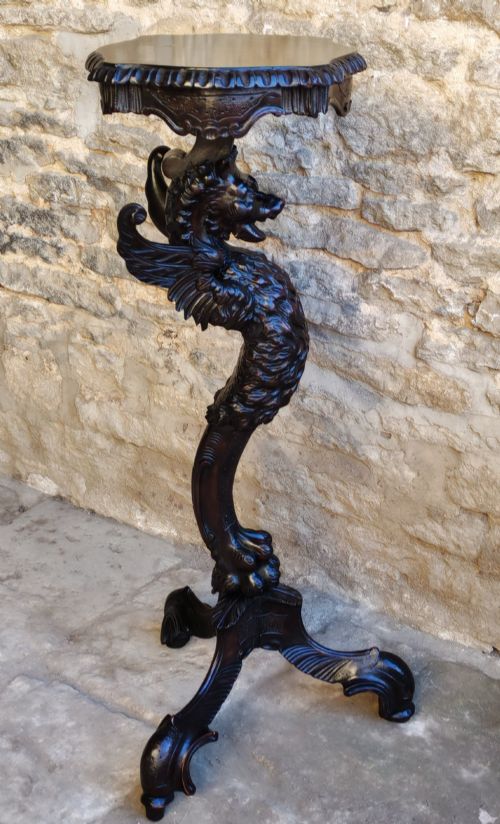
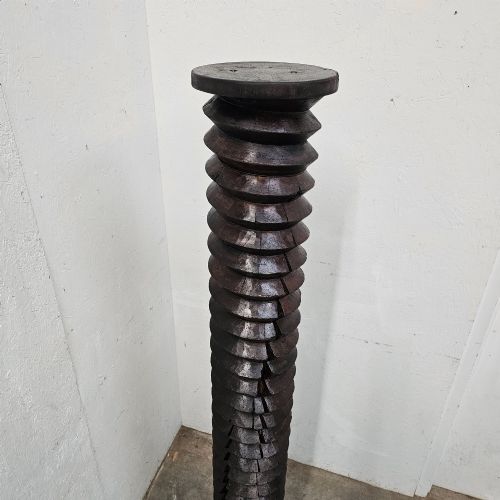
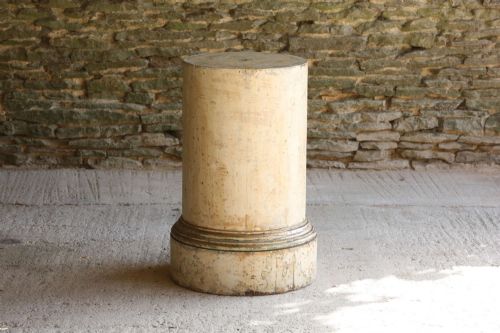
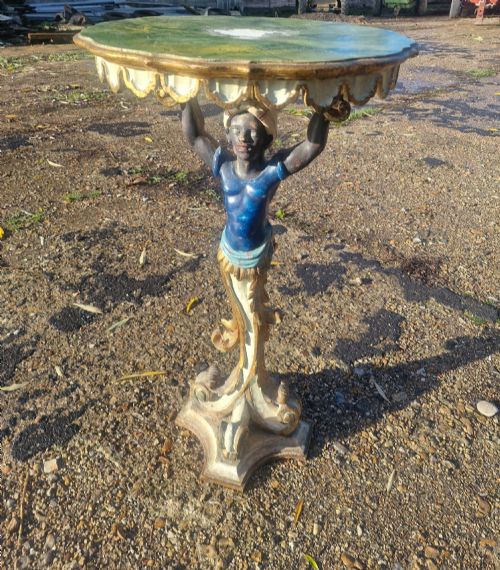

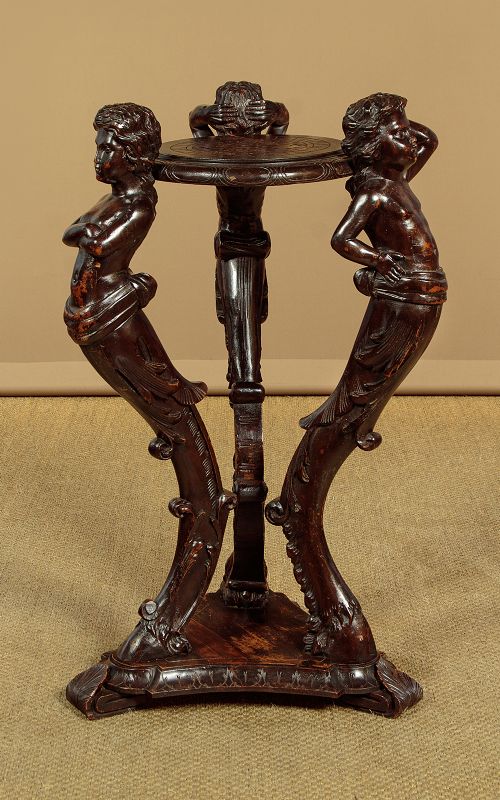
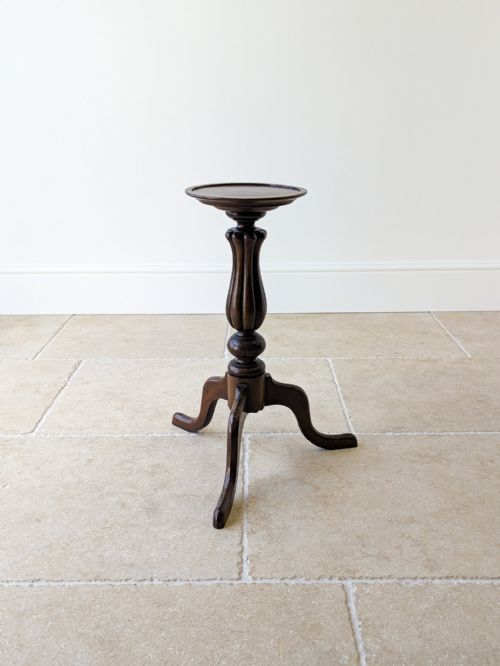
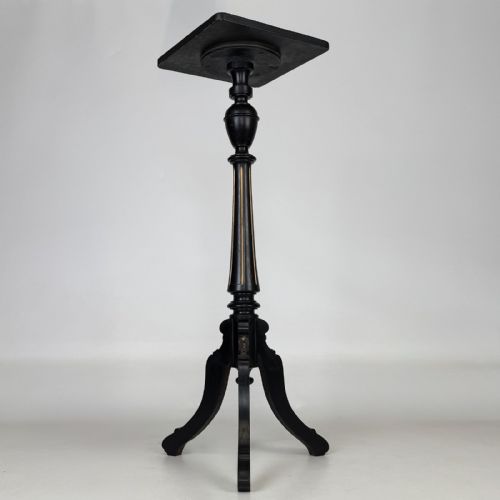
Wooden Plant Pedestal
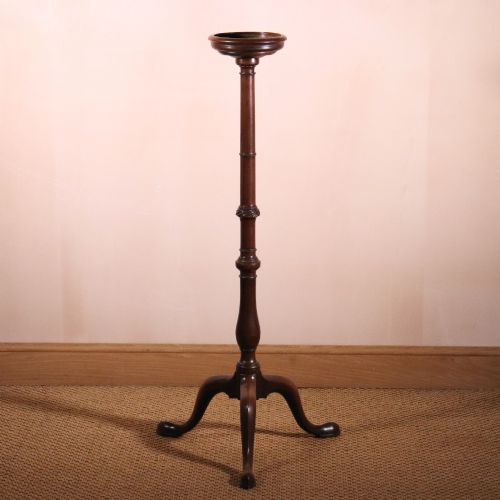
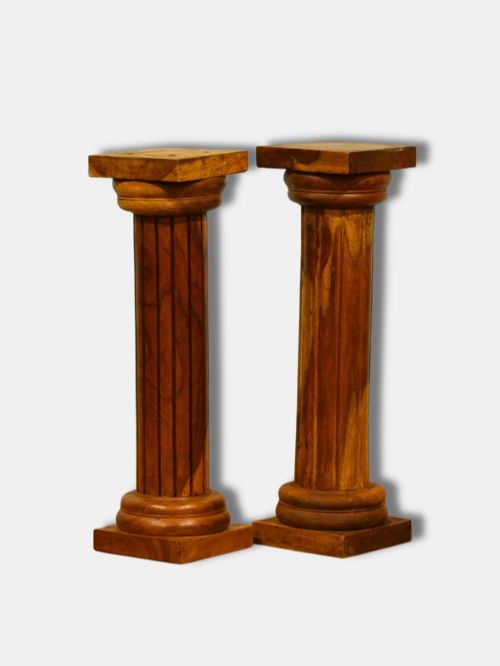
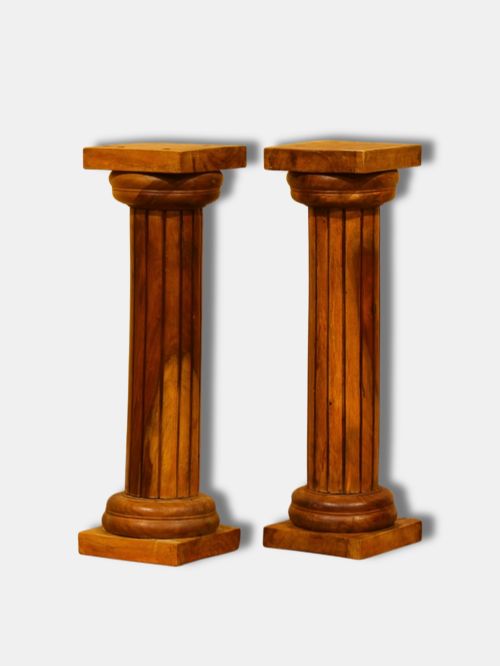
A wooden plant pedestal elevates a pot to catch the light, drawing the eye upwards through tall columns and turned plinths.
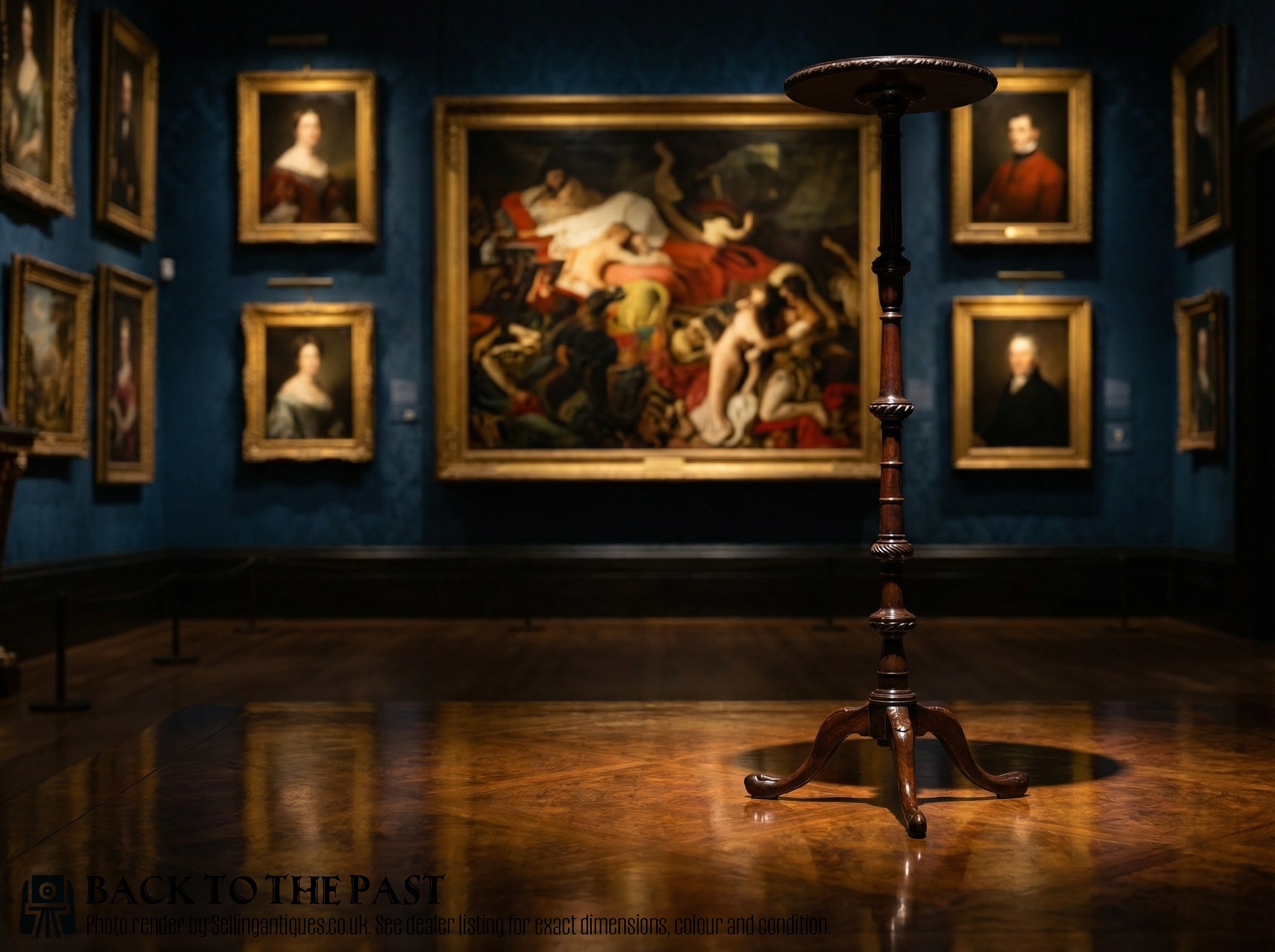
Wooden Plant Pedestal
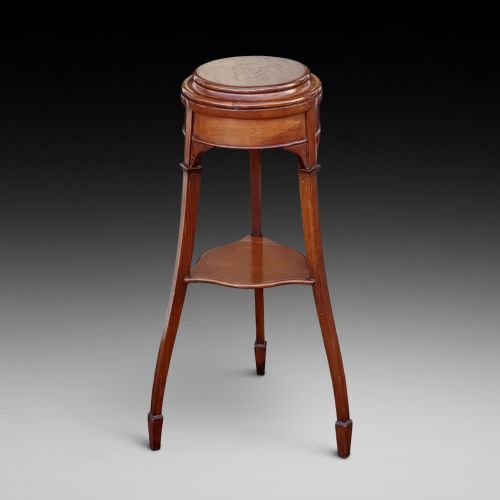
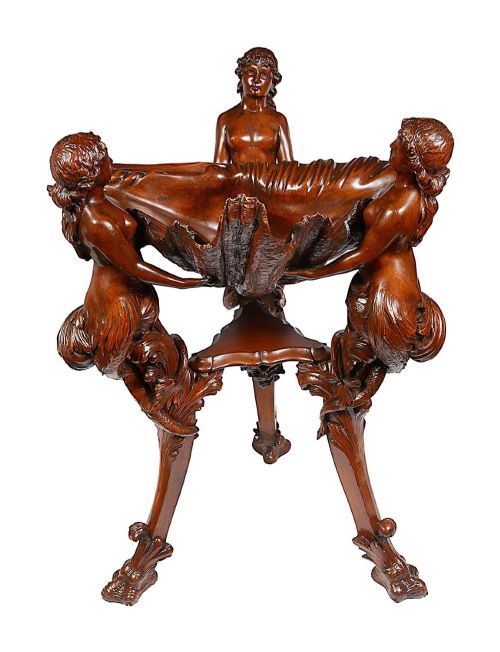
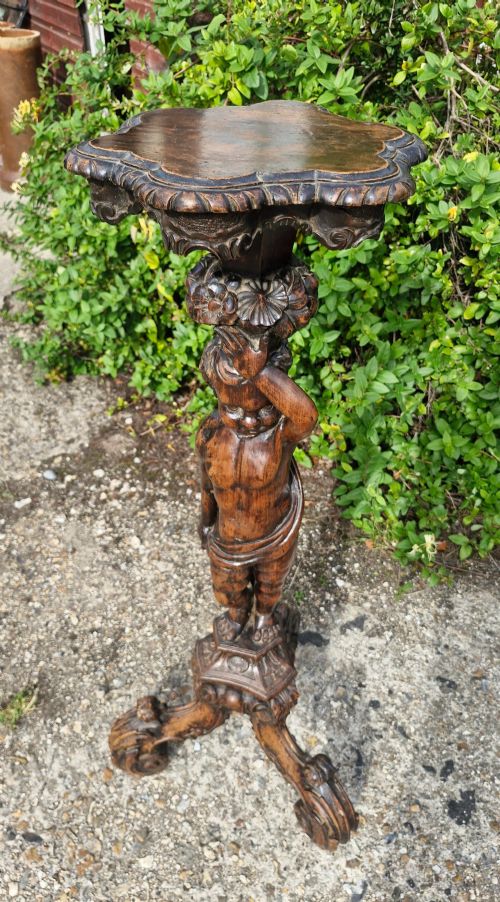
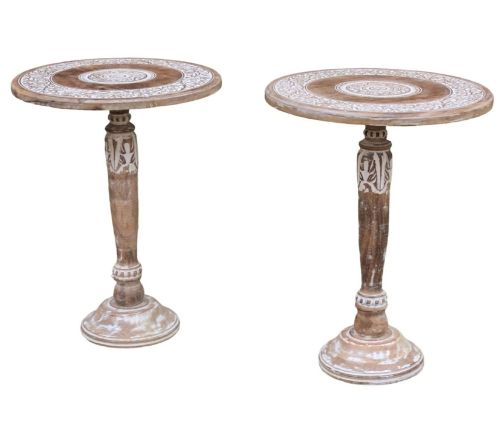
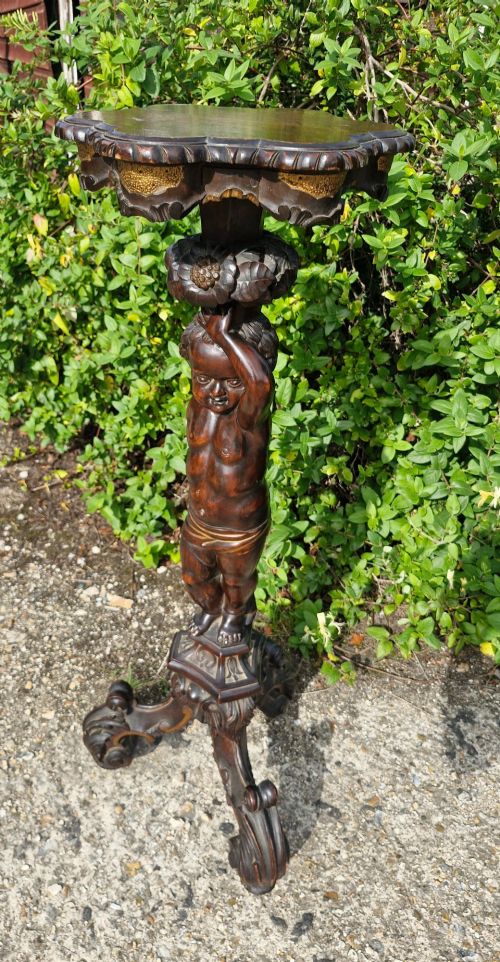
A wooden plant pedestal provides a sturdy stage for greenery, urns, and decorative busts in domestic interiors. When searching for a wooden plant pedestal, buyers encounter tall columns, torcheres, and tiered stands designed to raise plants above floor level.
The pieces appearing on this page span several centuries, with Edwardian and Victorian examples forming the majority alongside Georgian and Arts and Crafts designs. Formats range from slender spiral columns and tripod bases to square jardiniere stands and occasional tables.
Origins vary from English workshops to continental European makers and beyond, reflecting diverse tastes in domestic display. Makers utilised local and exotic timbers to construct these functional sculptures, which double as display surfaces for art and ceramics.

Materials and Construction
Cabinetmakers constructed these supports predominantly using hardwoods such as mahogany, walnut, and oak, selecting timber for strength and grain pattern. Satinwood and brass appear as contrasting elements for inlay and decorative mounts on refined examples.
Joinery techniques include traditional turning on a lathe to create barley twist and solomonic columns, alongside hand-carved foliage, fluting, and figural details. Surfaces receive polish, wax, or original paint finishes that protect the wood while highlighting the natural figure.
Wooden Plant Pedestal Retail Price Guide 2026
Typical asking prices for wooden plant pedestal among the pieces listed under this phrase on Sellingantiques today, from the lower quarter to the upper quarter. They describe what is for sale here now, not the wider market.
Listings include specialised forms such as torcheres, occasional tables, jardiniere stands, and column displays.
Evaluating the Pieces
Quality rests in the crispness of hand-carved ornamentation, the selection of figured timber veneers, and the structural stability of the central shaft. Superior examples balance heavy pots without tipping, relying on weighted or well-splayed tripod feet.
Refined detailing distinguishes finer pieces, such as precise inlay work, intricate turning, and intact original surfaces like early paint or polish. The integration of design motifs specific to the Arts and Crafts or Georgian Revival styles shows the maker's adherence to period aesthetics.
Baillie Scott·Druce & Co London·Shoolbred
The Wooden Plant Pedestal Glossary
- Torchere
- A tall stand designed to hold a lamp or candle, often adapted to display plants or vases. These slender supports feature prominent columns and elevated platforms.
- Solomonic
- A spiral column twist resembling a winding helix, popular in seventeenth-century furniture and revived in later periods. This turning technique creates strong vertical movement.
- Jardiniere
- A decorative pot or stand intended to hold plants or flowers indoors. The term applies to stands built specifically to support such planters.
- Plinth
- A heavy rectangular or square base supporting a column, bust, or plant stand. It provides stability and grounds the vertical design.
- Inlay
- A technique where pieces of contrasting wood or brass are fitted into the surface to form decorative patterns. Satinwood is frequently used for this purpose against dark mahogany.
Wooden Plant Pedestal: Frequently Asked Questions
What is a wooden plant pedestal used for?
A wooden plant pedestal elevates potted plants, urns, and sculptural busts to improve room proportions and catch natural light. They serve a functional role in displaying greenery while adding vertical architectural interest to corners and empty wall spaces.
Beyond holding plants, many examples function as torchere stands or occasional lamp tables. Their compact footprint makes them versatile additions to traditional and modern interiors alike.
How do I date an antique plant stand?
Dating relies on examining the timber species, construction methods, and stylistic cues characteristic of specific periods like the Victorian or Edwardian eras. Hand-cut joinery, patination, and specific turning styles offer clues to the approximate decade of manufacture.
Makers' marks or stamps, where present, help pinpoint the origin and workshop. Comparing the decorative vocabulary to known revival styles also clarifies the timeline.
Are these stands stable enough for heavy pots?
Most stands are engineered to support substantial weight, utilising weighted bases or wide tripod feet for balance. Solid hardwood construction provides the necessary rigidity for heavier ceramic pots and jardiniere displays.
Heavier items require placement on stands with wide or reinforced bases to prevent tipping. Slender columns suit lighter ferns and trailing plants best.
How do I care for antique wood finishes?
Maintenance involves dusting with a soft, dry cloth and applying quality beeswax periodically to nourish the timber. Avoiding direct sunlight and sustained moisture prevents the wood from drying out or warping over time.
Using waterproof saucers beneath plants protects the antique wooden top from water damage and staining. Regular care preserves the original polish and natural patina of the piece.