

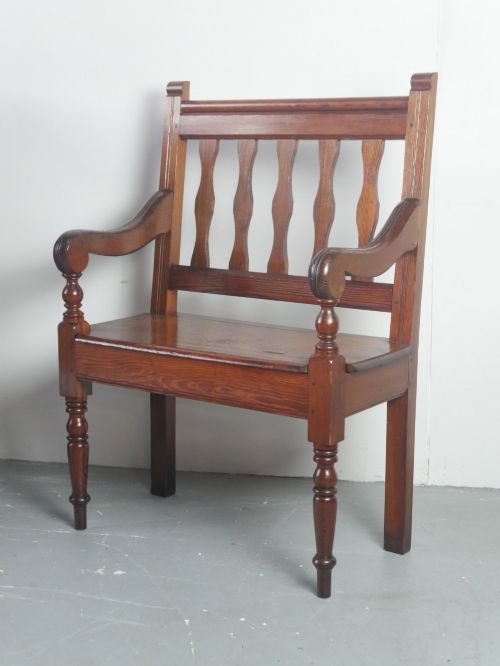
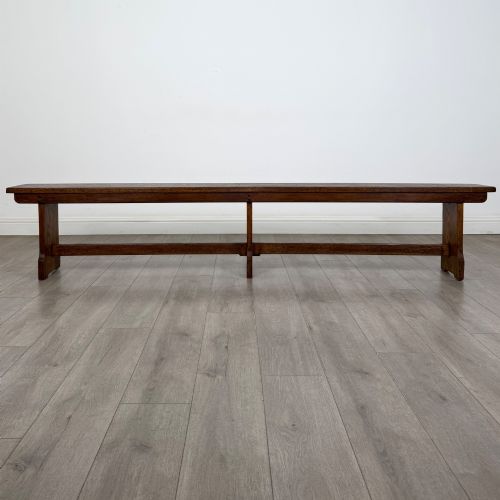
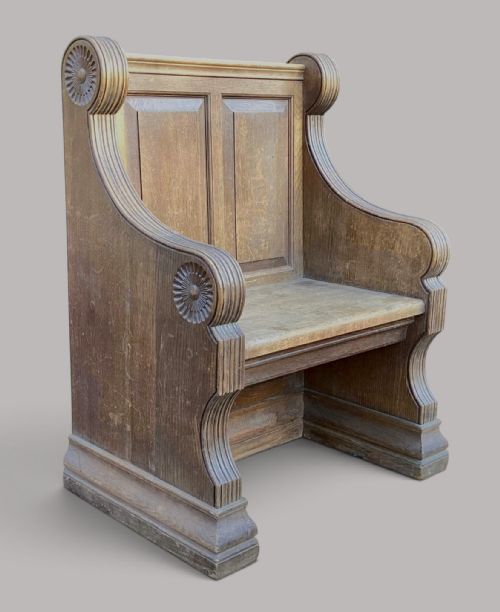
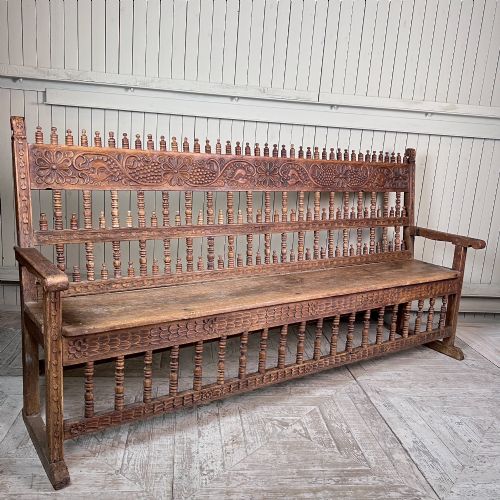
Wooden Pew Seat
These wooden pew seat examples bring sturdy ecclesiastical history into domestic hallways and kitchens, offering solid timber construction built to endure.
Wooden Pew Seat
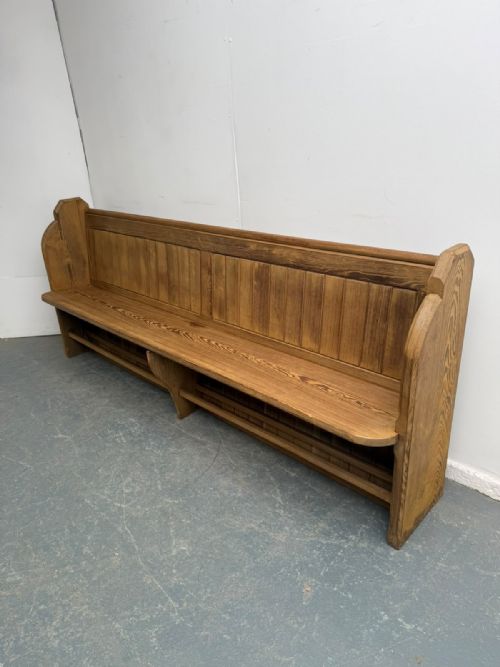
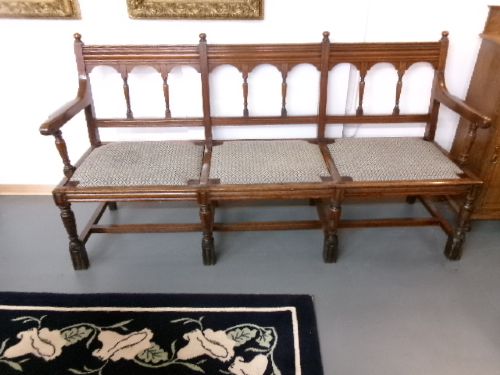
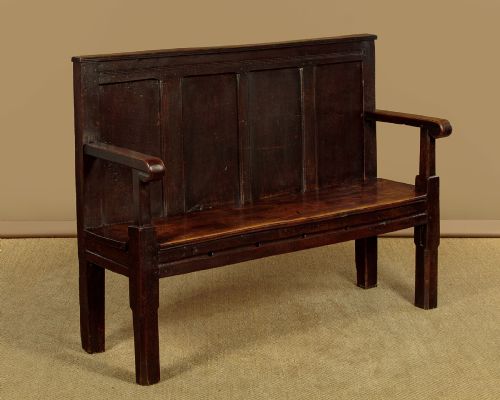
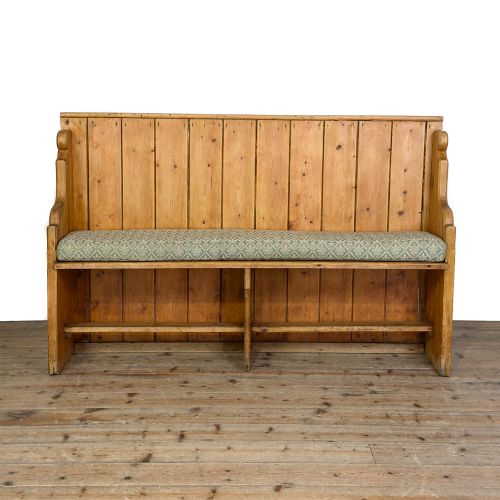
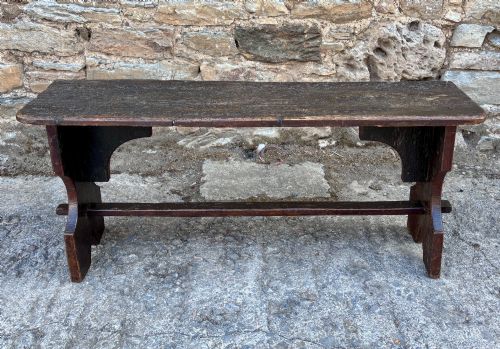
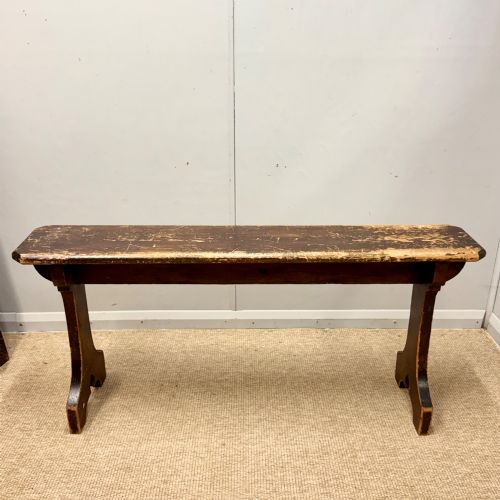
When you search for a wooden pew seat, you encounter long church benches, chapel seating, and sturdy settles originating from the eighteenth, nineteenth, and early twentieth centuries. These forms serve practical seating roles in hallways, kitchens, and dining spaces while carrying the heavy character of ecclesiastical and vernacular furniture.
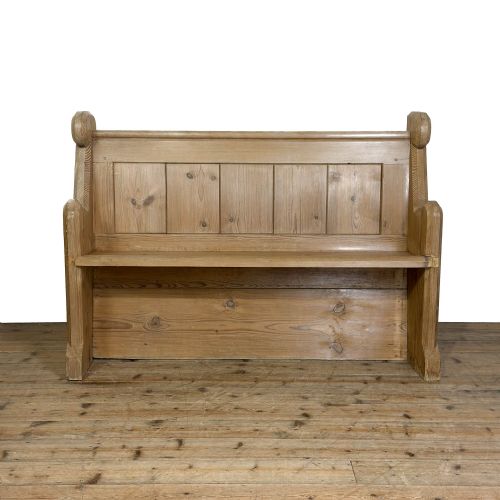
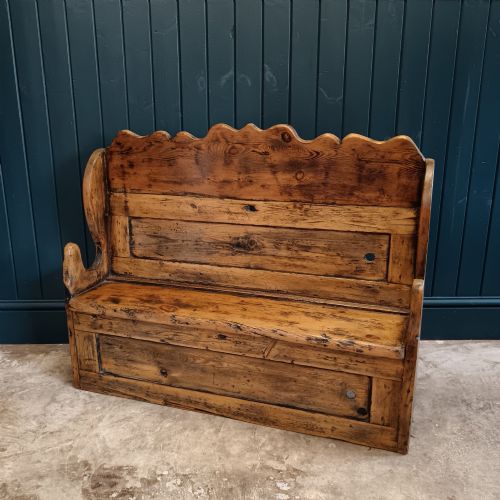
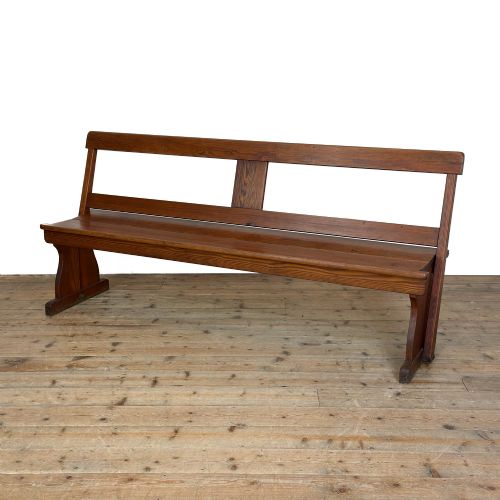
The versions most frequently met on this page are nineteenth-century pine church pews and oak hall benches created in various regional styles, including Gothic Revival and rustic farmhouse traditions. Some pieces feature storage boxes beneath the seat or high wooden backs designed to block cold draughts in large stone buildings.
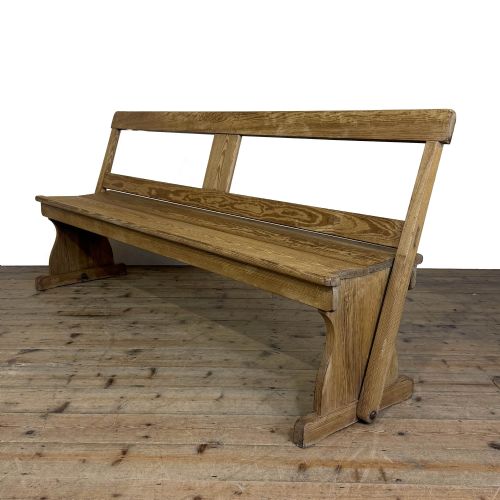
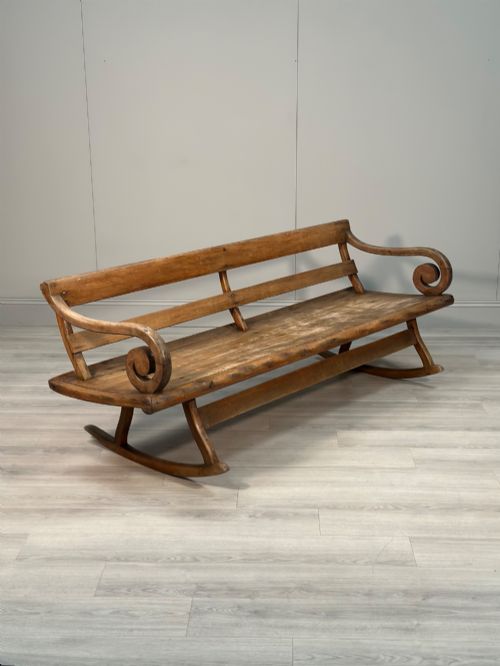
Beyond standard church pews, the selection incorporates specialised forms such as flip-over chapel benches, organist seating, tavern benches, and canopied settles. These variations reflect diverse historical uses, from quiet devotion in rural parishes to robust hospitality in public houses.
How they were made
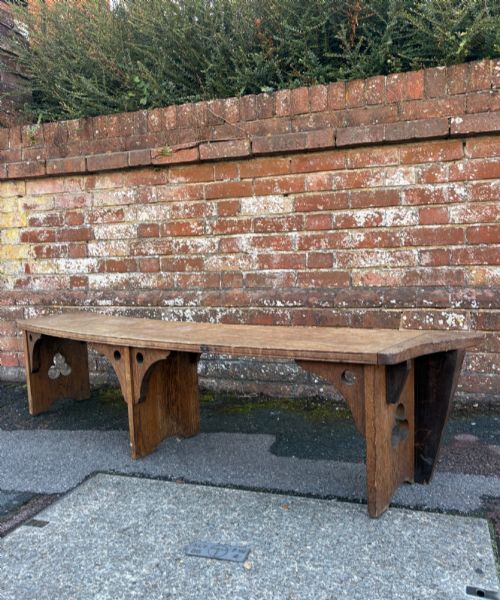
Makers utilised durable native timbers, predominantly relying on solid pine, oak, pitch pine, elm, and timber frames to construct these heavy benches. Craftsmen shaped these woods using traditional joinery methods, often incorporating panelled backs, trefoil carved supports, and exposed peg joints.
Surface finishes range from natural waxed patinas and honey brown tones to deliberate layers of historic paint and folk art coloration. Structural integrity relies on thick boards and solid box construction, ensuring the benches withstand generations of heavy use.
Wooden Pew Seat Retail Price Guide 2026
Typical asking prices for wooden pew seat among the pieces listed under this phrase on Sellingantiques today, from the lower quarter to the upper quarter. They describe what is for sale here now, not the wider market.
Certain chapel pews arrive with tiny built-in umbrella racks or hinged flip-over book ledges attached to the rear.
What varies in quality
Quality in these pieces rests upon the integrity of the original timber and the restraint of subsequent alterations, as many church pews have been shortened to fit domestic interiors. Pieces retaining their full historical length, original box storage compartments, or untouched waxed surfaces demonstrate higher levels of preservation.
Subtleties in carving, such as architectural Gothic detailing or specialised supports like trefoil cut-outs, separate standard utilitarian seating from finer artisanal work. The weight and selection of dense hardwoods like oak or pitch pine likewise distinguish more substantial commissions from simpler workshop productions.
The Wooden Pew Seat Glossary
- Settle
- A wooden bench with a high back, solid arms, and often a storage box beneath the seat, designed to keep out cold draughts in older homes.
- Pitch pine
- A durable, resinous wood frequently utilised in nineteenth-century ecclesiastical and domestic seating for its distinct grain pattern.
- Gothic Revival
- An architectural and design movement popular in the nineteenth century that drew inspiration from medieval forms, featuring pointed arches and trefoil motifs.
- Patina
- The deep surface sheen and coloration developed through years of handling, waxing, and ageing on exposed wood.
Wooden Pew Seat: Frequently Asked Questions
How do I fit a long church pew into a modern hallway?
Many historic pews were originally built for compact spaces or have been professionally shortened by previous owners to suit domestic proportions.
Measuring your available floor space carefully before selecting a bench ensures the piece clears doorways and leaves adequate room for passage.
Are these benches comfortable for daily dining use?
Most ecclesiastical and vernacular seating was designed for upright posture during services rather than lounging.
Adding loose cushions or sheepskins provides extra comfort while preserving the original wooden surface beneath.
How do I care for the wax finish on old pine?
Maintain the wood by applying a traditional beeswax polish sparingly and buffing it with a soft cloth when the surface looks dry.
Avoid placing these benches near direct heat sources or in damp areas to prevent the timber from splitting.
What is the difference between a pew and a settle?
Pews generally feature open backs and sides designed for row seating in churches and chapels.
Settles incorporate solid panelled backs and enclosed armrests or storage boxes underneath, offering a more sheltered seat for domestic rooms.