


Wooden Framed Mirror
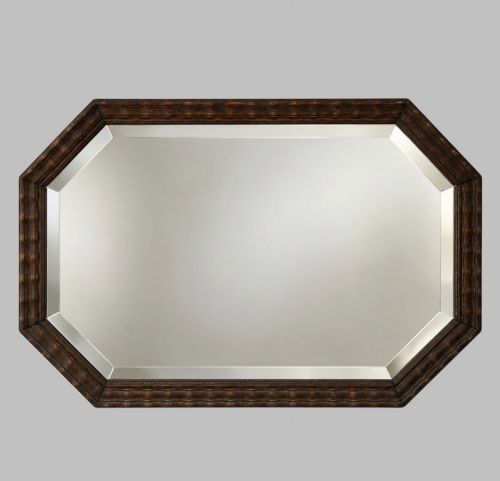
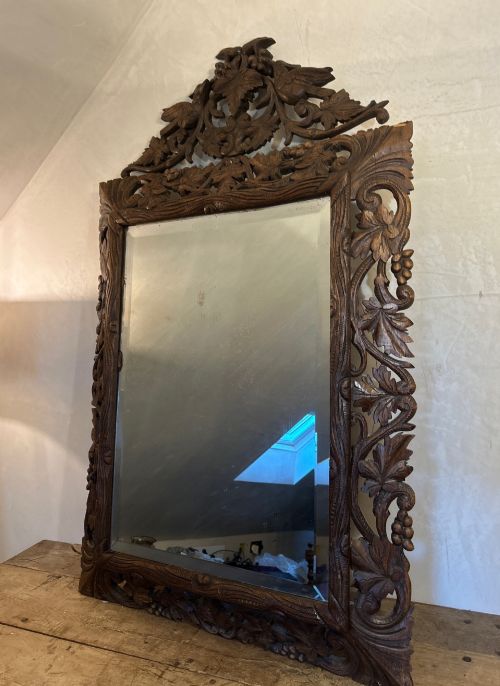
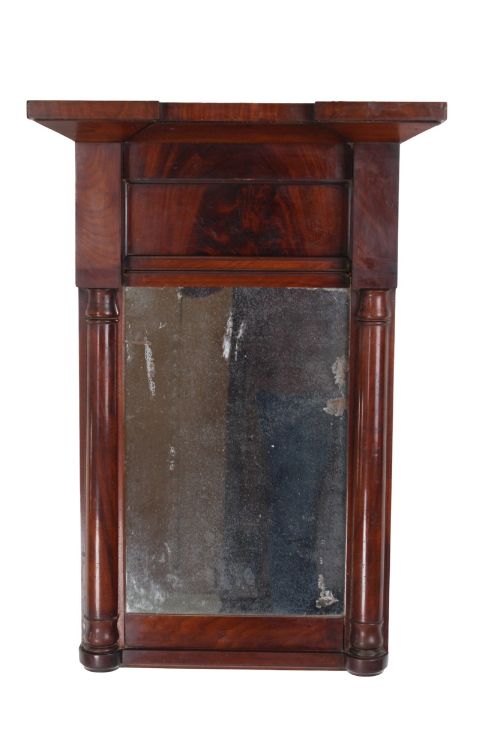
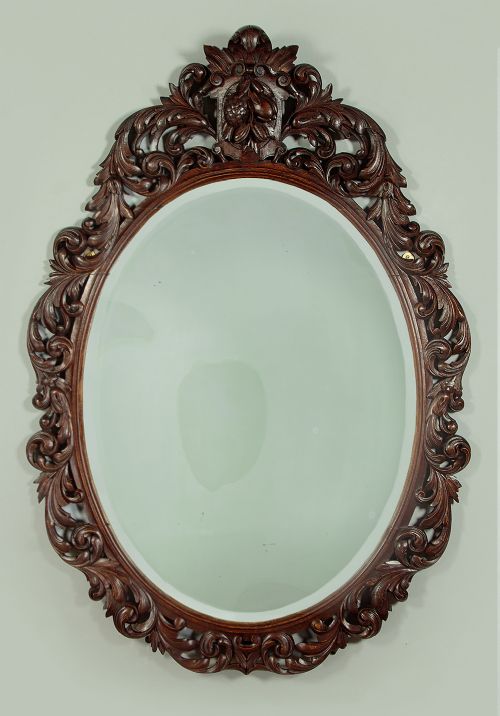
A wooden framed mirror brings warmth and reflection into a room, spanning styles from austere oak to ornate giltwood.
Wooden Framed Mirror
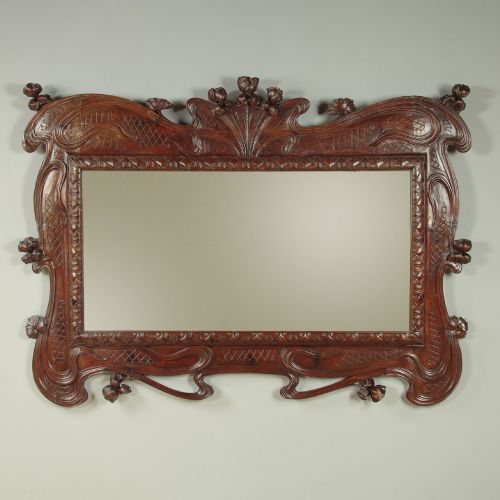
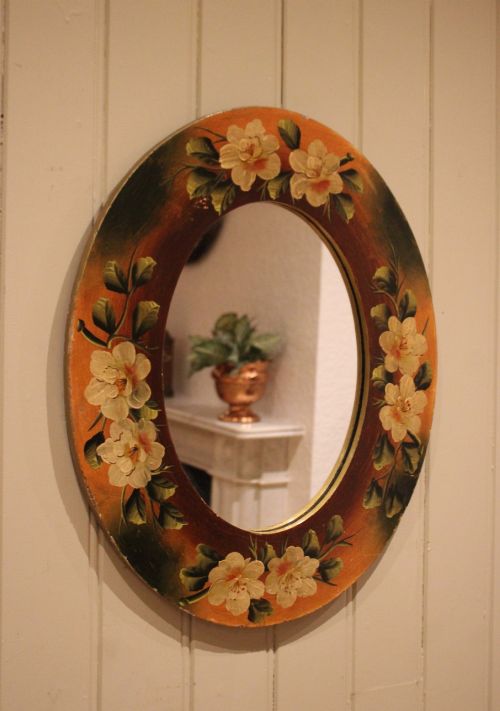
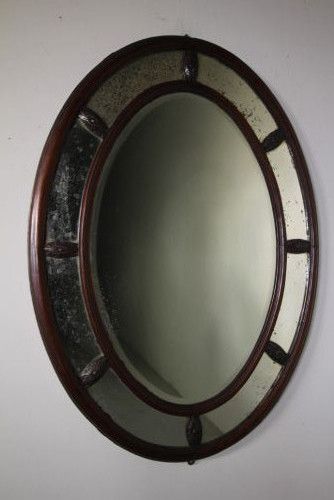
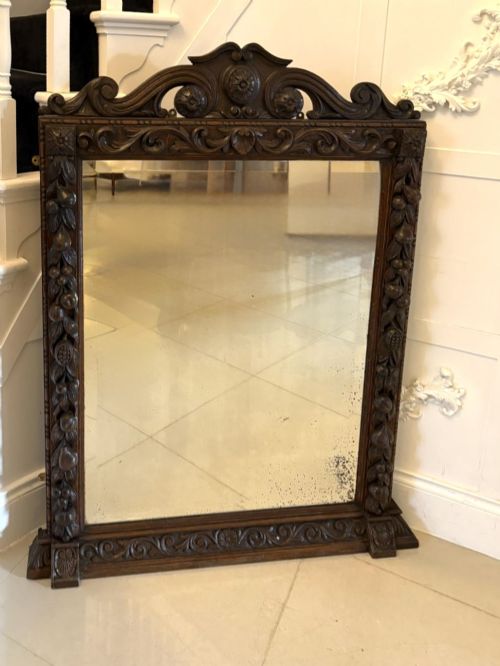
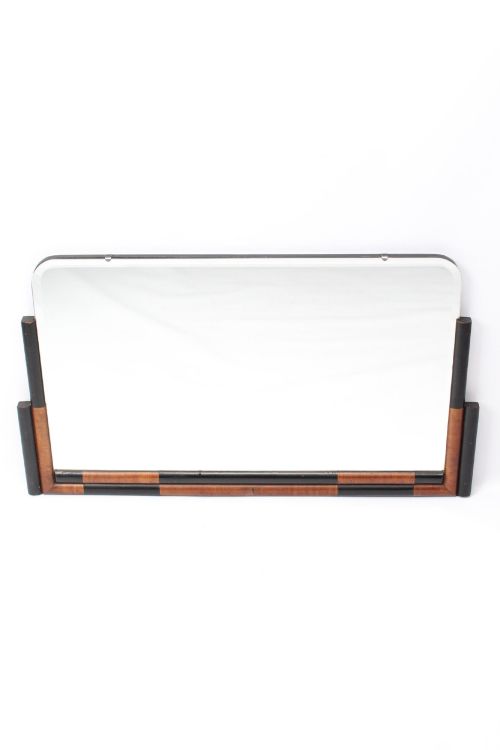
When you search for a wooden framed mirror, you encounter everything from compact toilet mirrors to grand overmantel mirrors designed to anchor a Victorian reception room. The selection heavily draws on nineteenth-century craftsmanship, alongside Edwardian and early twentieth-century examples.
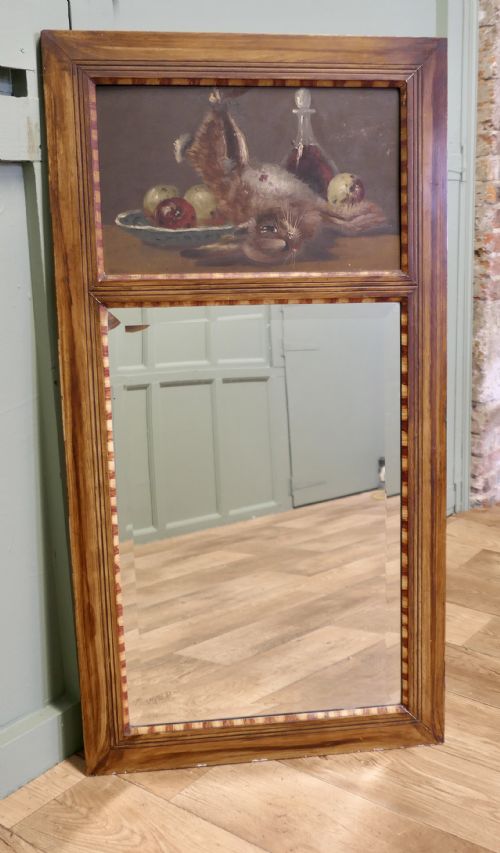
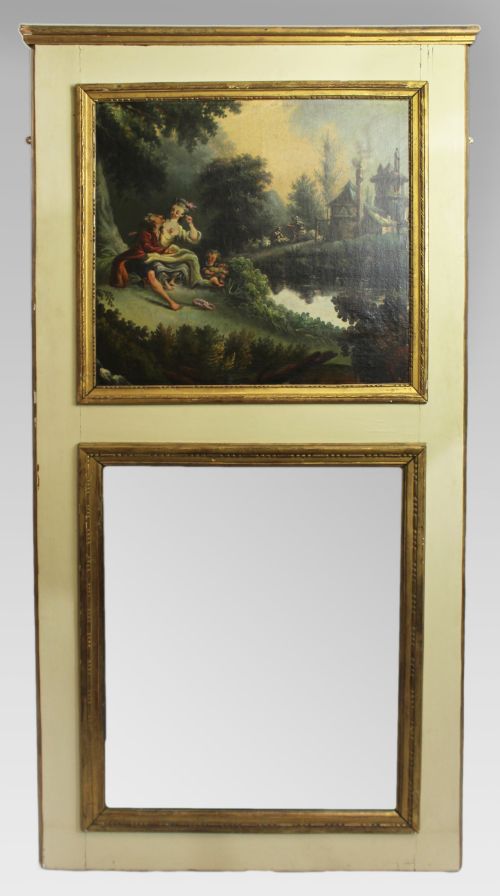
You meet heavy carved oak wall mirrors, mahogany pier mirrors, and walnut dressing table mirrors alongside French trumeau panels and oval country house pieces. Oak and mahogany dominate the timber selection, while gesso and giltwood appear on more decorative Continental pieces.
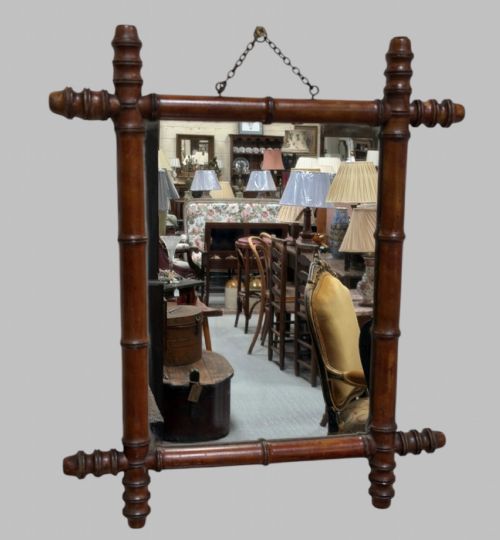
The forms range from simple rectangular wall hangings to triptych overmantels with intricate cresting and small faux bamboo novelties. Most pieces originate from English and French workshops, though items from Italy and North India occasionally surface.
How they were made
Cabinetmakers constructed these frames using solid timbers such as oak, mahogany, walnut, and maple, joining the mitres with pegged or dowelled joints. Timber selection dictated the carving depth, allowing dense woods like oak to hold deep relief work while softer woods took fine mouldings.
Surface decoration involved hand carving, applied gesso, and polishing with shellac to form a durable French polish. Gilding was applied using gold leaf over gesso grounds, while mirrors intended for daily use employed bevelled glass plates secured into the rebate by wooden backing boards.
Listings feature woods like oak, mahogany, walnut, and maple across periods spanning the eighteenth, nineteenth, and early twentieth centuries.
What varies in quality
Quality rests upon the crispness of the hand carving and the integrity of the timber joints holding the frame together. A finer piece displays deeply undercut foliage, clean mitres, and original mercury or bevelled silvered glass plates rather than modern replacements.
Subtlety of proportion and the harmony between glass size and frame width separate standard utility mirrors from exceptional works. Maker attribution or distinct regional characteristics elevate certain pieces above anonymous workshop production.
Waring and Gillow·P and MA Nicholson
The Wooden Framed Mirror Glossary
- Trumeau mirror
- A tall wall glass incorporating a painted panel or oil painting above the reflective plate. These typically hung between windows in period drawing rooms.
- Pier mirror
- A vertical glass designed to hang on the narrow wall pier between two windows. They often sat above pier tables to maximise light.
- Gesso
- A plaster-like mixture applied to wooden frames as a smooth base for gilding or painting. Artisans carved fine details directly into this dried layer.
- Overmantel mirror
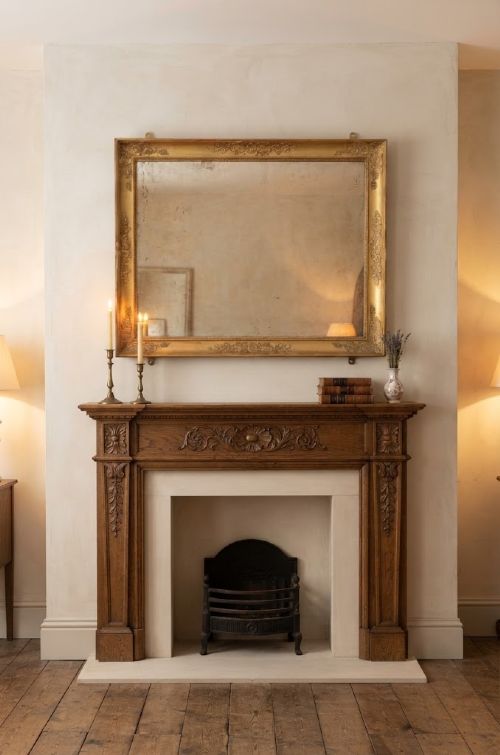
- A large horizontal glass made to hang specifically above a fireplace mantelpiece. They frequently incorporate architectural columns or shelf cresting.
- Cheval mirror
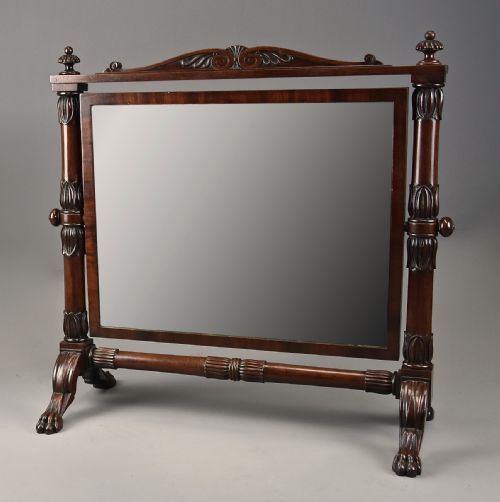
- A full-length dressing glass suspended on a vertical swivelling frame between four supporting legs. This allows the user to tilt the angle of reflection.
Wooden Framed Mirror: Frequently Asked Questions
Where should I hang a wooden framed mirror?
Position your mirror opposite a window to bounce natural daylight deep into darker corners of the room. Large overmantel pieces suit traditional fireplace walls, while smaller oval or rectangular frames fit narrower hallway spaces.
Ensure the wall fixings match the weight of the timber and glass combination. Heavy oak and giltwood frames require secure wall plugs and screws fitted directly into studs or masonry.
How do I clean an antique mirror glass?
Wipe the glass gently with a soft microfibre cloth dampened slightly with distilled water. Avoid spraying liquid directly onto the glass edge where moisture can seep behind the silvering.
Keep chemical cleaning agents away from the wooden frame and gilt surfaces. Commercial window sprays will damage aged shellac polishes and strip delicate gold leaf.
How do I tell an old mirror from a reproduction?
Examine the rear of the frame for hand-cut boards, rose-headed nails, and shrinkage cracks appropriate to the timber age. Older mirror plates often show faint foxing, tiny dark spots, and slight distortion within the glass.
Modern reproductions typically feature uniform machine-sawn backing timbers and flawless, perfectly flat glass plates. Check the joinery for modern staples or PVA glue residue which point to twentieth-century manufacturing.