
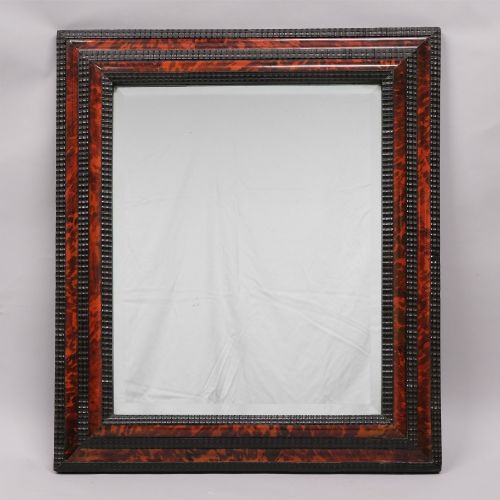
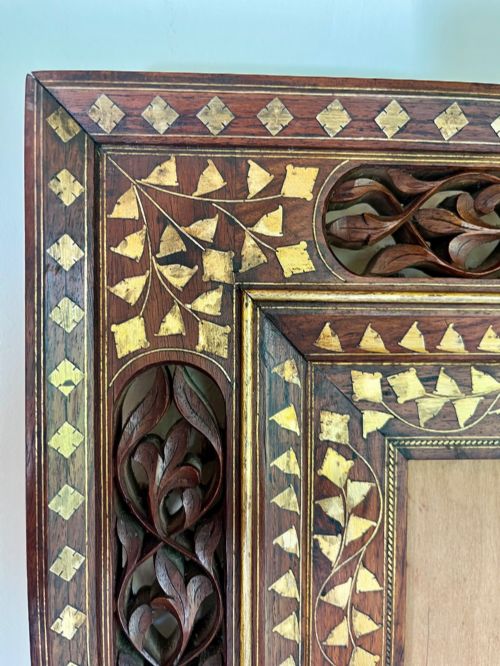
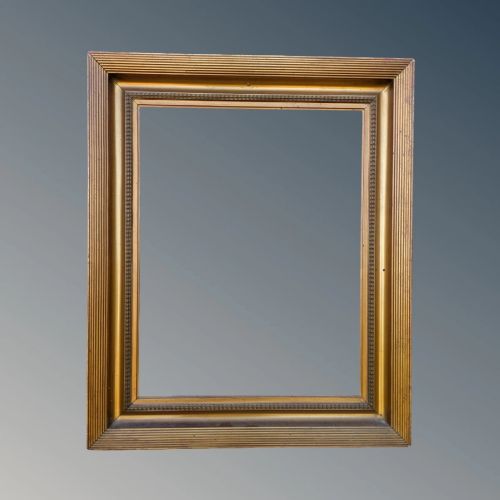
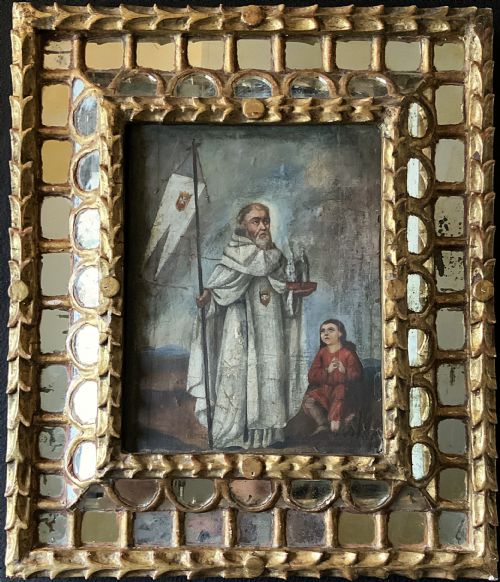


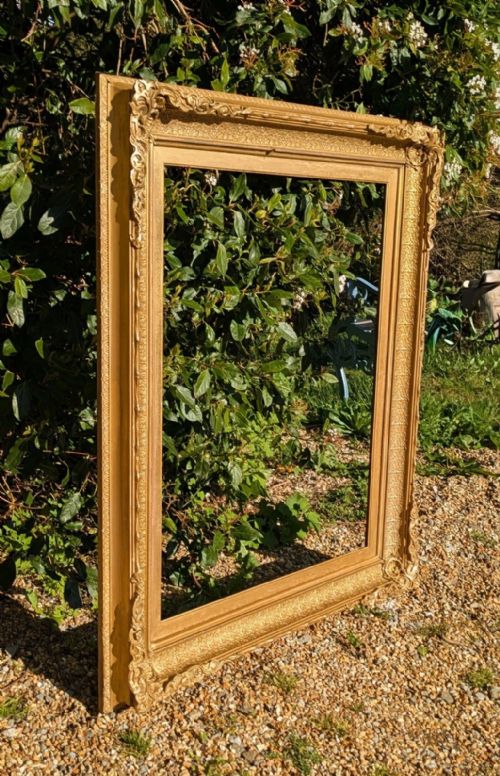

Antique Picture Frame Mirror
When you search for an antique picture frame mirror, you seek a hybrid piece where traditional framed art and reflective glass meet.
Antique Picture Frame Mirror
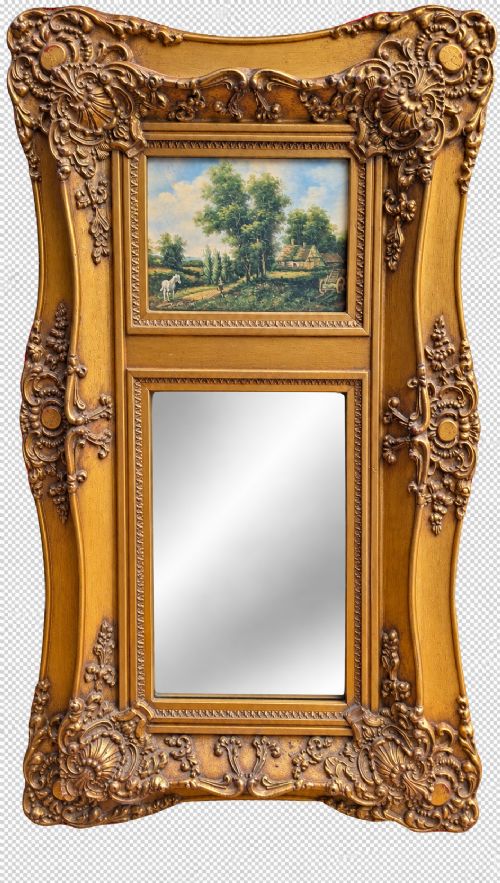
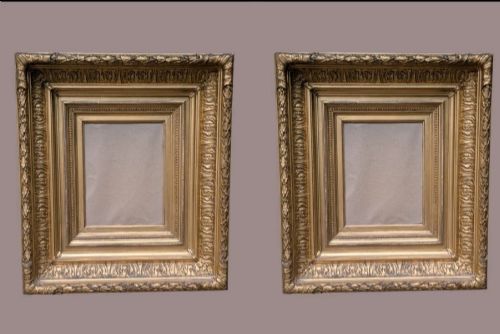
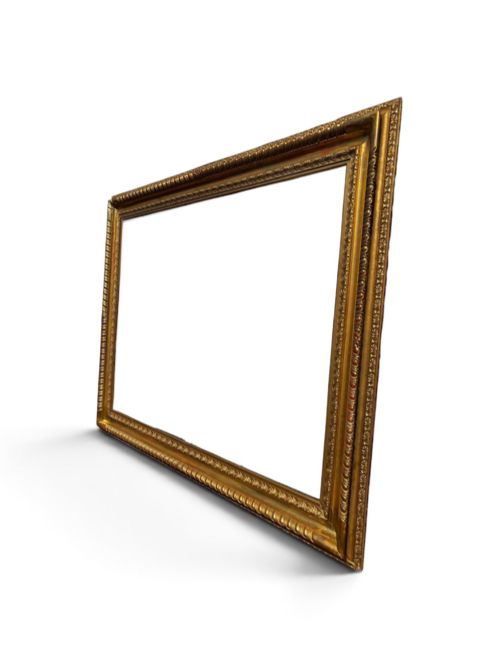
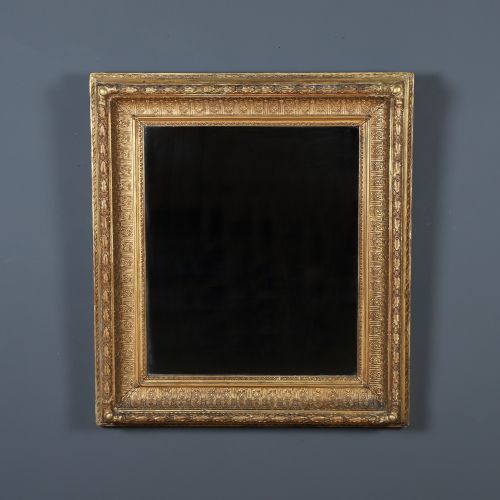
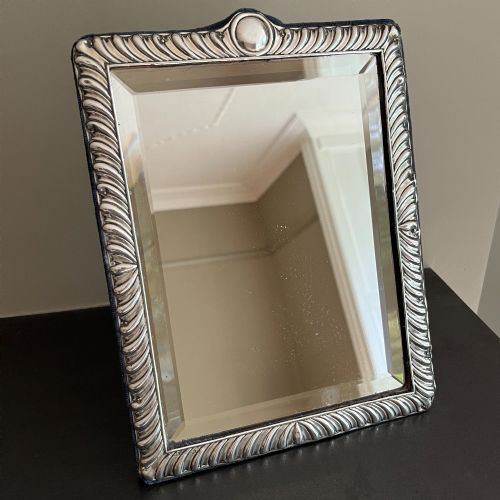
An antique picture frame mirror merges the decorative moulding of fine art housings with functional looking glass, taking forms from overmantles to table stands. These hybrid pieces often bridge the gap between paintings and mirrors, utilising deep wooden profiles originally intended for canvas.
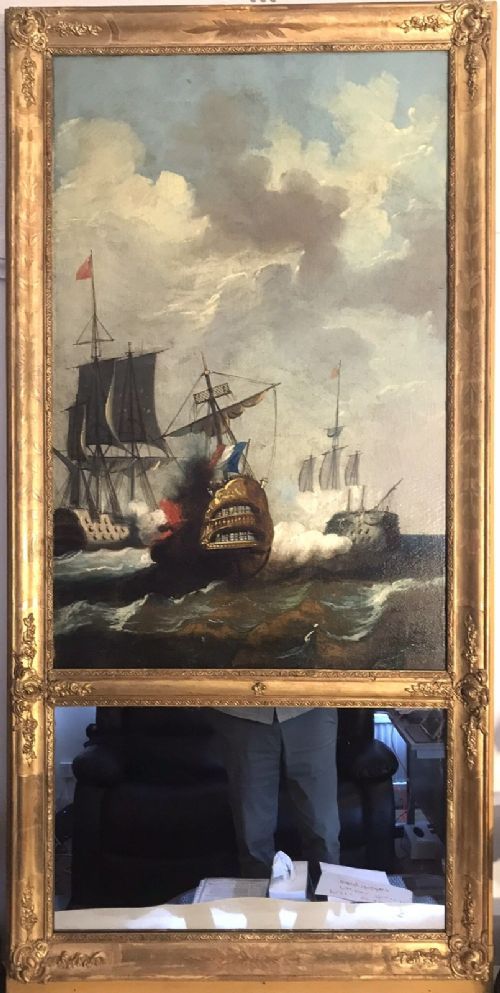
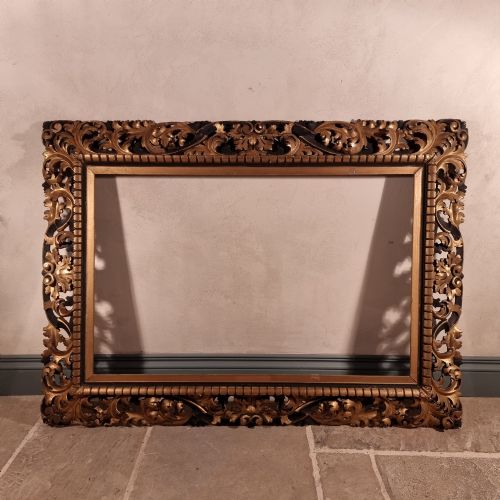
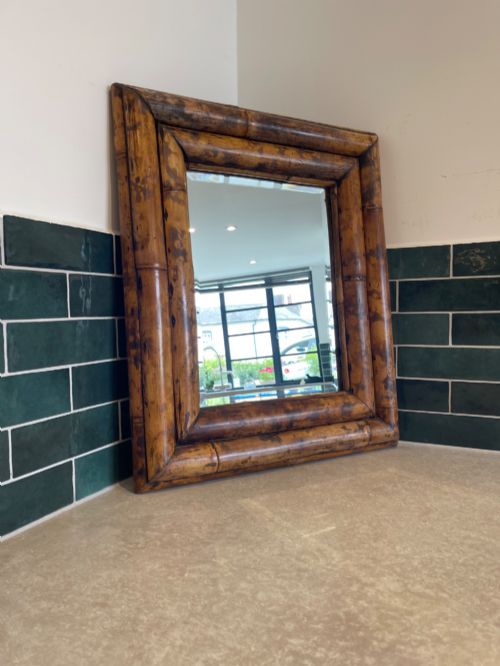
Victorian and nineteenth-century examples dominate the selection, bringing ornate gilding and substantial timber construction into domestic spaces. Buyers frequently encounter French trumeau formats featuring oil paintings alongside the glass, alongside Italian Florentine carvings and simpler bamboo or tortoiseshell designs.
The objects serve dual purposes as wall hangings and vanity pieces, spanning small oval miniatures to large overmantle mirrors designed for hallways and principal reception rooms.
How They Were Made
Carvers shaped timber foundations from pine, maple, or general hardwood before applying layers of gesso to build up decorative relief. Artisans then sculpted this plaster-like mixture to create acanthus leaves, floral motifs, and scrollwork.
Gilders applied gold leaf or metallic compositions over the prepared surfaces, often burnishing specific areas to contrast matte finishes against bright shine. Glaziers fitted silvered glass plates into the rebates, sometimes retaining earlier reverse-painted glass panels or oil paintings within the upper sections.
An early nineteenth-century maple frame preserves a reverse glass print recording a historic naval engagement between British and American warships.
What Varies In Quality
The crispness of the hand-carved or moulded relief distinguishes superior examples from softer, less defined castings. Deep profiles with undercut foliage display a sculptural competence lacking in flat, monotonous mouldings.
Original gilding retains a warmth and depth that modern metallic paints fail to replicate, especially where age has mellowed the gold leaf over gesso. The integrity of the timber substrate and the retention of period mirror glass or original artwork further separate standard items from exceptional survivals.
The Antique Picture Frame Mirror Glossary
- Gesso
- A plaster mixture applied to wood frames as a base for gilding or painting. It allows craftsmen to carve intricate relief ornaments.
- Trumeau
- A decorative wall mirror often paired with an oil painting or panel above the glass. Originating in French interior design, these pieces combine art and reflection.
- Overmantle
- A large mirror designed to hang directly above a fireplace mantelpiece. These horizontal formats frequently feature elaborate crestings.
- Cassetta
- A flat-profile picture frame style with a central hollow moulding, common in Italian Renaissance design. The architectural layout suits both paintings and later mirror conversions.
- Oleograph
- A mechanical colour lithograph reproduction textured to imitate an oil painting. They frequently appear inside nineteenth-century frames.
Antique Picture Frame Mirror: Frequently Asked Questions
How do I hang a heavy gilt mirror?
Large nineteenth-century frames carry substantial weight from timber, gesso, and glass. Secure fixings must anchor directly into wall studs rather than depending on standard plaster.
Professional mirror hangers utilise split battens or heavy-duty D-rings screwed securely into the wooden carcass to distribute the load evenly.
Are these original mirrors or converted picture frames?
Many pieces began life as artwork housings before receiving mirror glass during the nineteenth or twentieth centuries. The distinction matters little to period aesthetics since frame makers and looking-glass makers shared overlapping workshops.
Examine the backboards and rebates to see whether the glass sits in original housings or replaces an earlier canvas.
How do I clean an antique gilt frame?
Gilt surfaces require minimal intervention to preserve fragile gold leaf and delicate gesso composition. Dust gently with a soft, dry ostrich feather brush rather than using wet cloths or chemical cleaners.
Moisture can dissolve water-gilding grounds and strip the historic metallic finish from the wooden substrate.
What is a trumeau mirror?
A trumeau is a decorative architectural mirror incorporating an oil painting, print, or carved wooden panel within the upper section. These pieces originally filled the wall space between windows in eighteenth and nineteenth-century European drawing rooms.
The lower plate provides reflection while the upper artwork maintains a decorative pictorial focus.