

Wooden Desktop Drawers
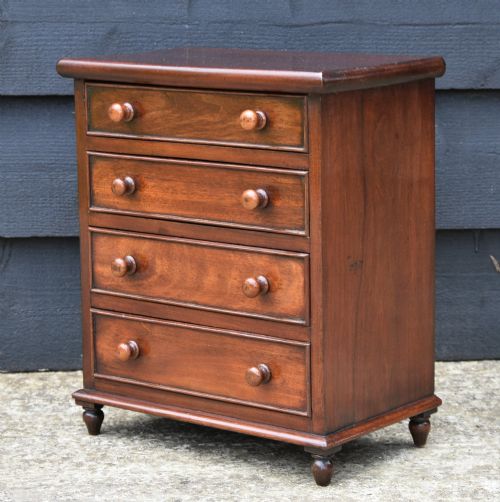
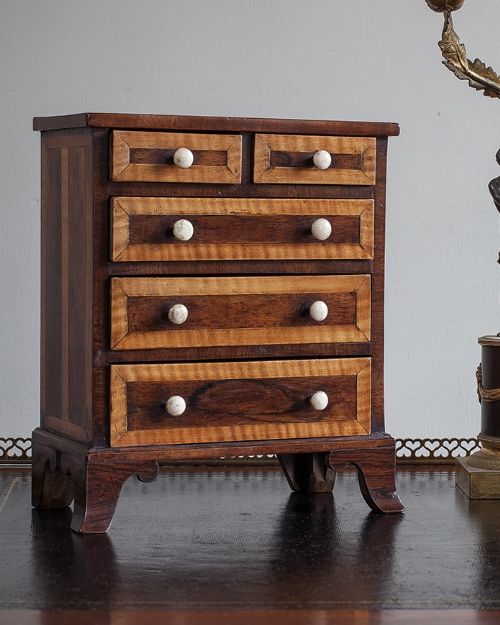
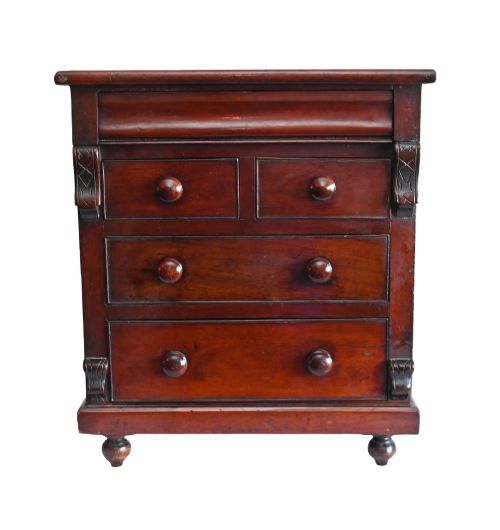
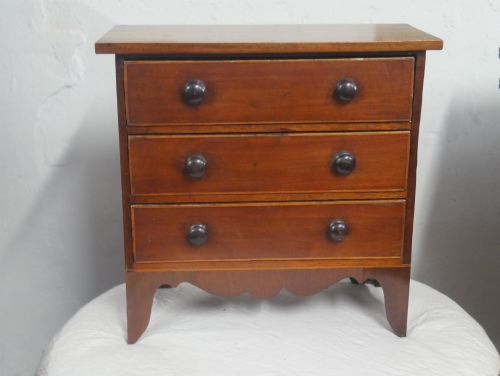
Wooden desktop drawers collect miniature chests, tabletop cabinets and spice boxes, offering compact storage for small valuables and papers.

Wooden Desktop Drawers
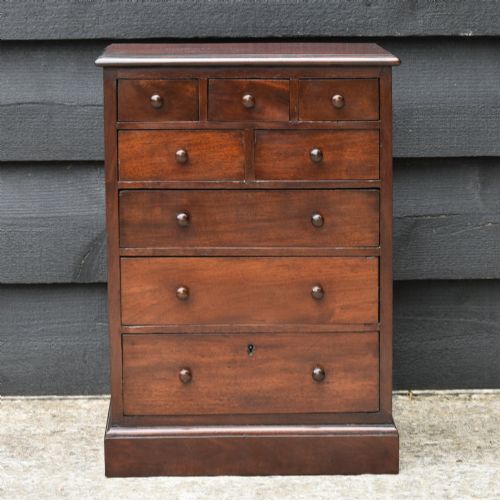
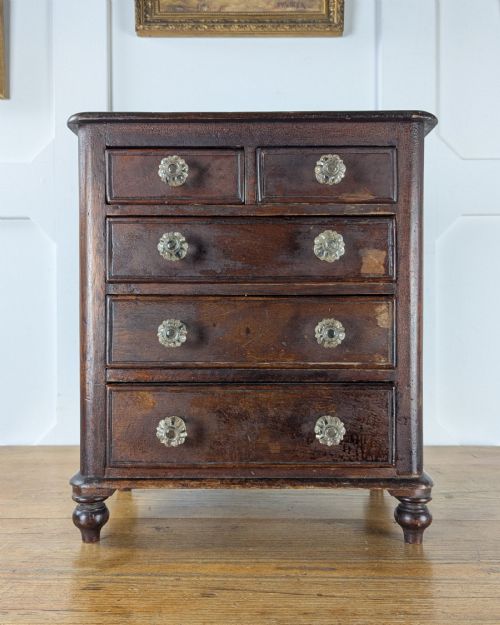
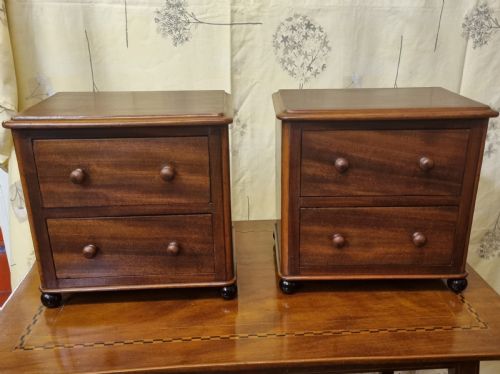
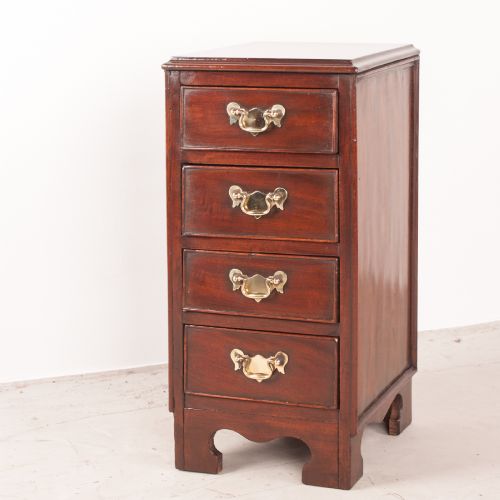
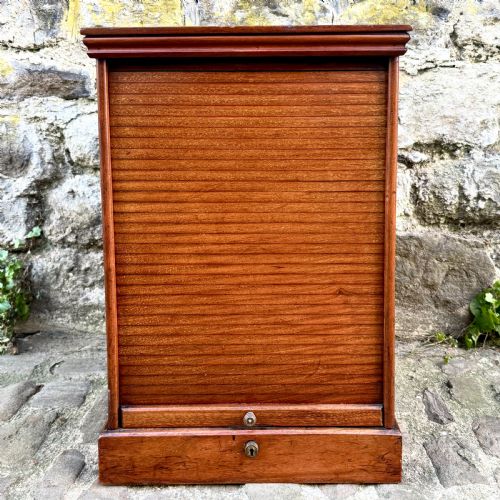
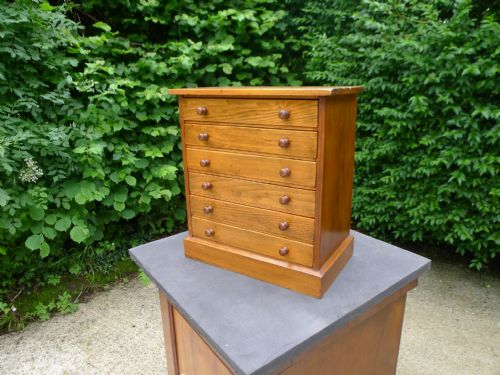
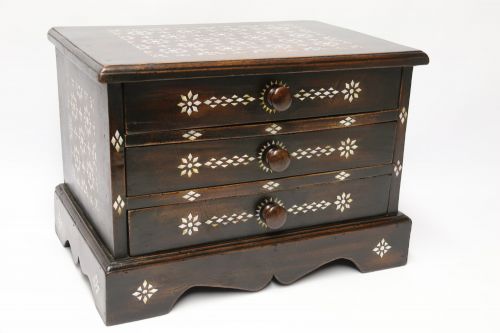
Wooden desktop drawers span several forms designed for tabletop utility, from miniature chests and apprentice pieces to spice drawers, filing cabinets and collectors' cabinets. These items originate across the Georgian, Victorian, Edwardian and 20th-century periods, showing regional varieties including Scottish and Anglo-Indian designs.
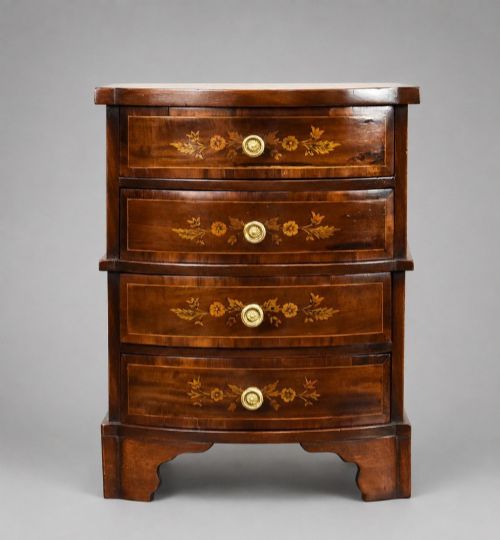
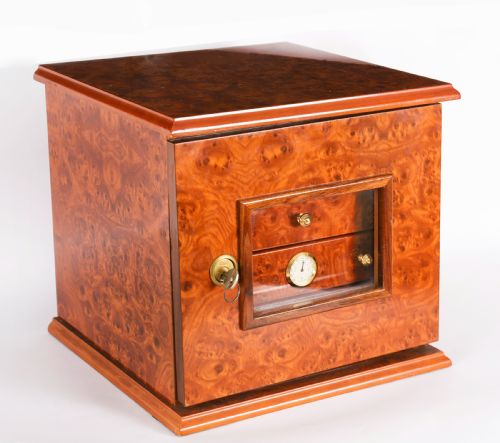
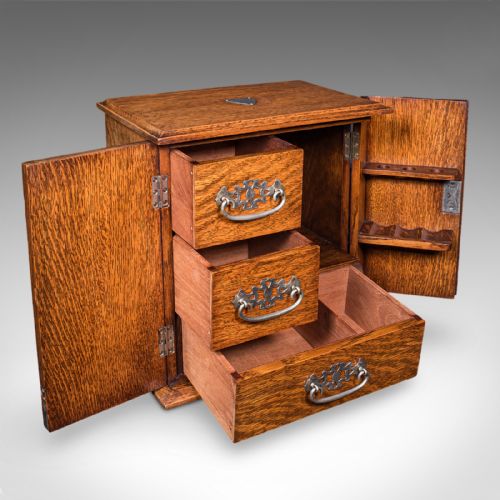
Miniature chests of drawers and tabletop cabinets dominate the selection, often mirroring full-sized furniture styles like the bow front or the Wellington chest. Specialised pieces such as cigar humidors, doctor's smoking cabinets and specimen cases also appear among the options.
Determining quality
Quality rests upon timber selection and surface finish, where figured veneers, burr timbers and detailed marquetry elevate a piece above plain stained pine. The use of dense hardwoods like mahogany and walnut indicates higher ambition in the original workshop.
Refinement in miniature joinery, matching drawer grains, and integrated locking mechanisms with working keys distinguish superior examples. Retained original brass handles and smooth drawer movement separate well-preserved items from altered pieces.
Cambridge doctors required specialised smoking cabinets to keep their cigars and smoking paraphernalia neatly secured away from patients.
The Wooden Desktop Drawers Glossary
- Apprentice piece
- A small item demonstrating a craftsman's skill before gaining full guild membership. These often take the form of miniature chests of drawers.
- Wellington chest
- A tall, narrow cabinet featuring a side-locking stile that secures all drawers simultaneously. The design dates to the 19th century.
- Specimen cabinet
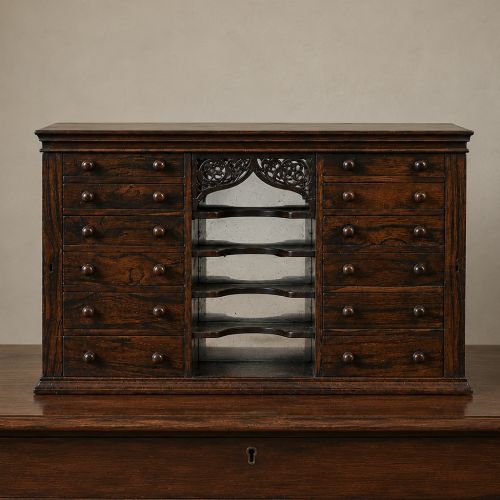
- A specialised storage unit built with shallow drawers for botanical, geological or entomological collections. Examples utilise oak or pine.
- Marquetry
- Decorative woodwork where pieces of veneer form intricate pictorial or geometric patterns on a surface. This technique appears on Edwardian miniature chests.
- Humidor
- A moisture-controlled box designed for storing cigars. Desktop versions often incorporate cedar linings and brass fittings.
Wooden Desktop Drawers: Frequently Asked Questions
What are apprentice chests?
Apprentice chests are small-scale furniture pieces created by trainees to demonstrate mastery of woodworking joints and proportions.
They mirror full-sized chests of drawers in miniature, utilising the same mahogany, oak or walnut timbers and construction methods.
How were tabletop cabinets used?
Tabletop cabinets served multiple storage purposes in offices, surgeries and drawing rooms, housing everything from documents to medical supplies.
Specialised variants held postage stamps, spices, cigars or natural history specimens within secure, lockable drawers.
How do I date these drawers?
Dating relies on identifying timber species, hardware styles and structural characteristics typical of Georgian, Victorian or Edwardian periods.
Mahogany and serpentine curves suggest 18th or early 19th-century origins, while satin walnut and specific locking systems point toward 1900.
Are these drawers suitable for modern desks?
These compact cabinets fit neatly onto contemporary workspaces to organise stationery, jewellery or small collections.
Their varied footprints, from tall Wellington chests to shallow spice drawers, allow placement on most flat surfaces.