
Small Oak Storage Chest
A small oak storage chest keeps valuables and linen secure while anchoring a room with dense grain and rich history.
Small Oak Storage Chest
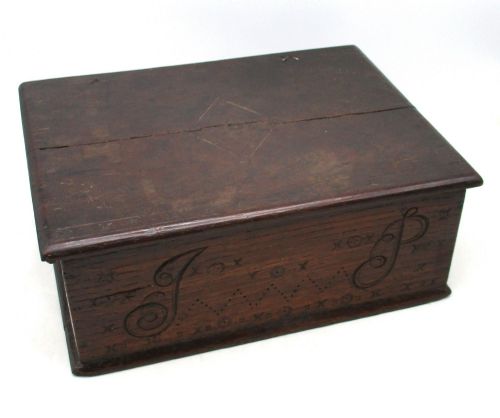
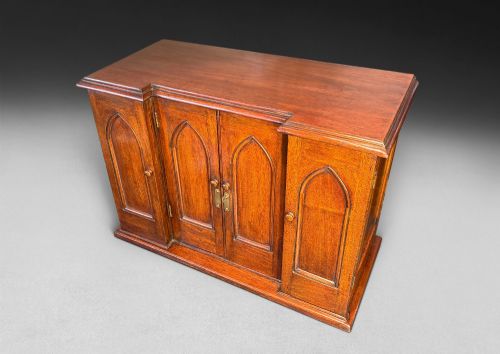
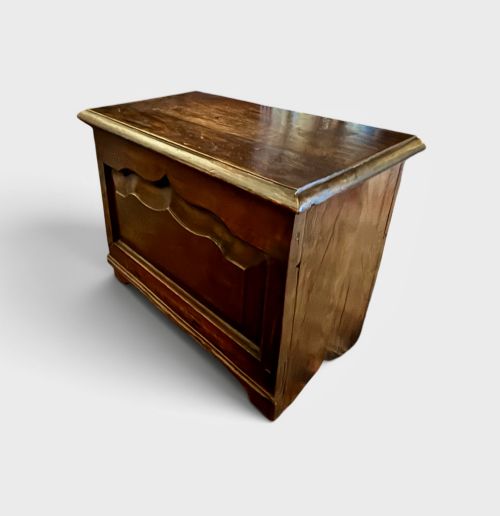
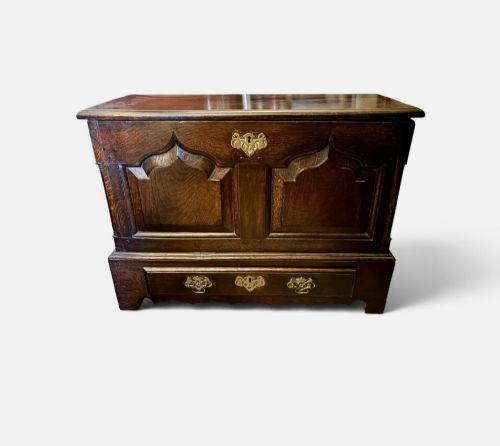
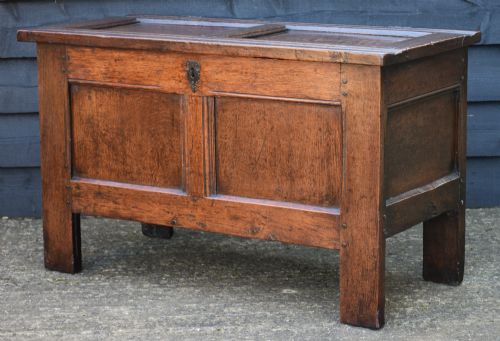
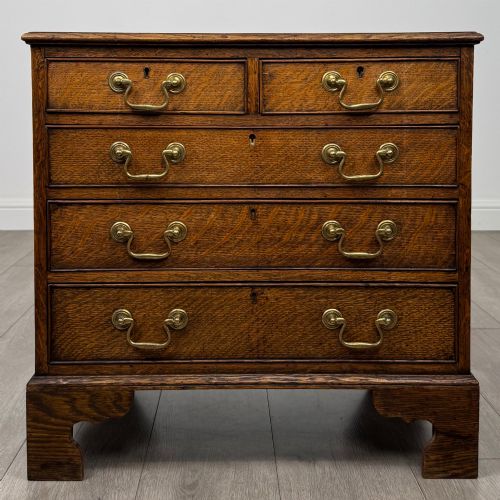
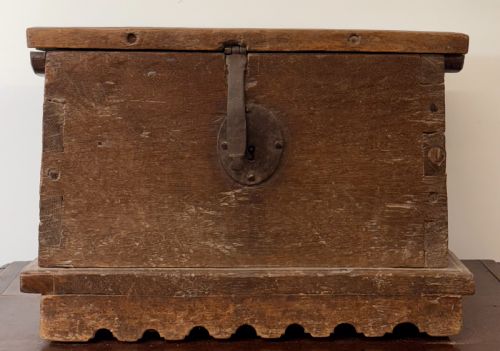
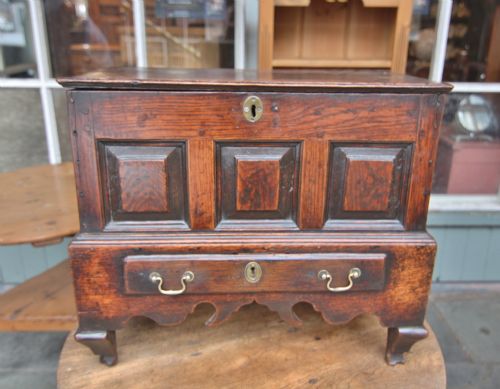
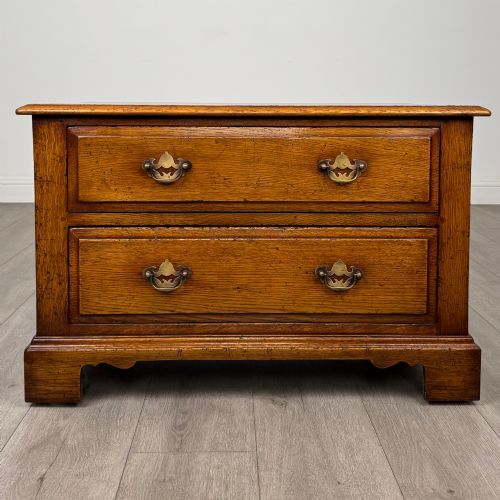
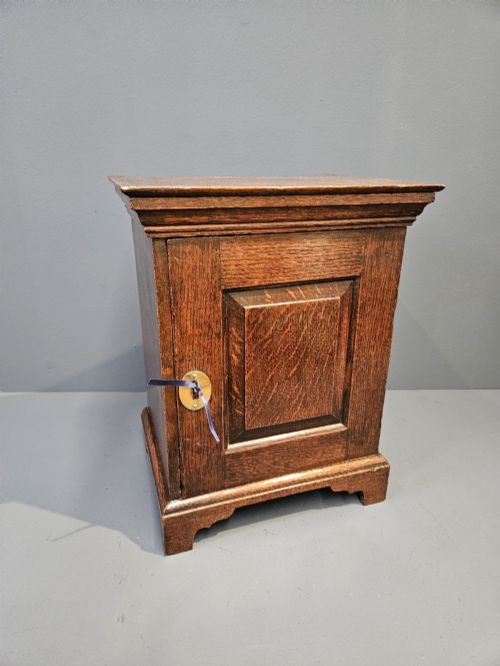
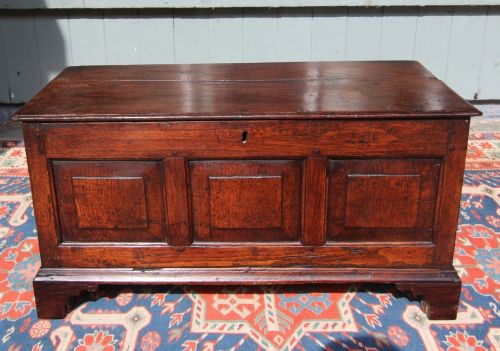
A small oak storage chest encompasses a variety of compact containers designed for domestic organisation, ranging from seventeenth-century paneled coffers to Georgian spice cupboards and coffer bachs. Buyers seeking a small oak storage chest will encounter sturdy tabletop boxes, low blanket trunks, and miniature chests of drawers spanning multiple centuries.
The selections on this page draw heavily from seventeenth, eighteenth, and nineteenth-century English and Welsh vernacular traditions. Pieces such as the coffer bach and the spice cupboard represent regional domestic furniture scaled down for intimate living spaces.
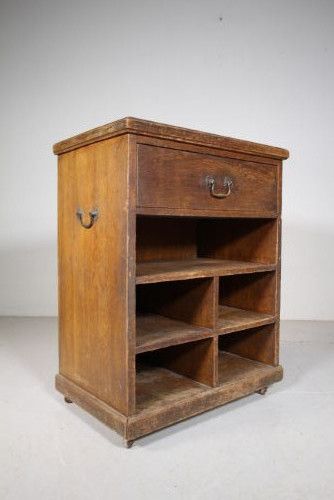
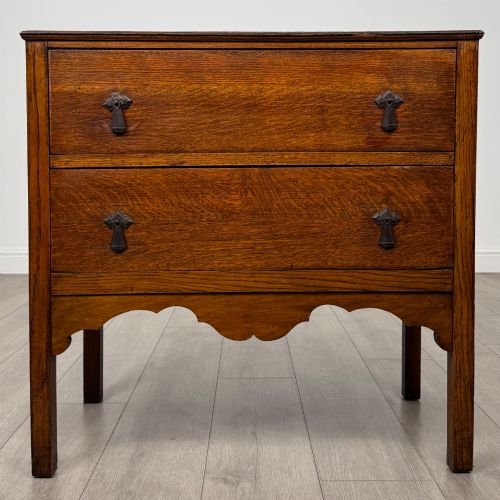
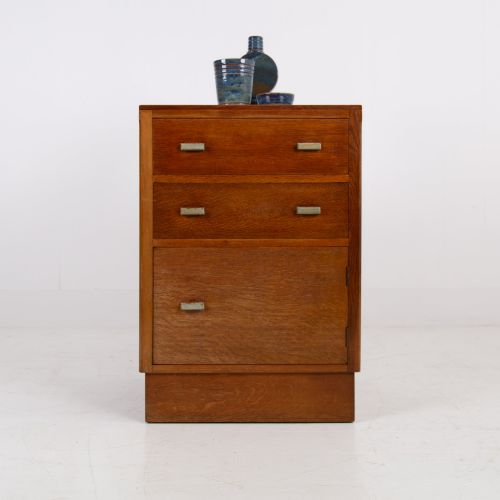
Beyond traditional coffers, the inventory includes Edwardian smoking cabinets, Art Deco modernist drawer units, and nineteenth-century collectors' cabinets. These variations demonstrate how compact oak storage evolved from heavy boarded timber into specialised tabletop and bedside furniture.
Materials and construction
Solid oak provides the primary structural framework across these pieces, frequently paired with brass or iron hinges, locks, and handles. Cabinetmakers utilised sturdy mortise and tenon joinery for panels, while later nineteenth and twentieth-century examples incorporated dovetailed drawer construction.
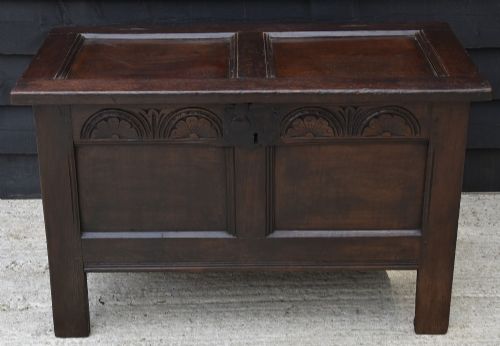
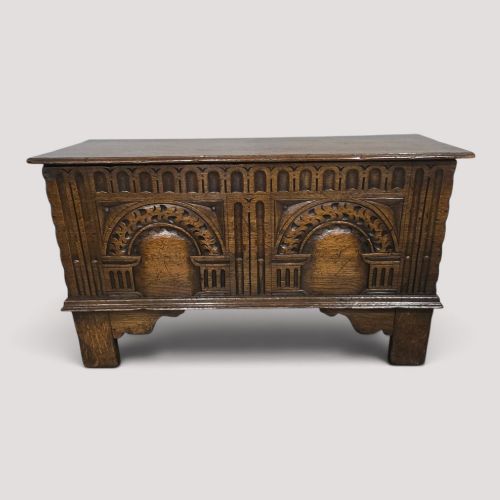
Surface decoration relies heavily on traditional hand-carving techniques, including linenfold panels, geometric mouldings, and figural motifs such as the green man. Natural timber finishes dominate, though occasional pieces display cross-banding in mahogany or simulated painted wood effects.
Some small chests served as doctor's travelling pharmacies, carrying miniature drawers of remedies alongside smoking accessories.
Judging the standard
The standard of a small oak storage chest rests upon the crispness of the original timber carving and the integrity of its structural joints. Superior examples retain their original brass or iron hardware and uncompromised proportions without excessive timber replacement.
Finer pieces demonstrate thoughtful selection of quarter-sawn oak boards, displaying prominent medullary rays that catch the light. Poorer quality often reveals clumsy later alterations, replaced hardware that disturbs the visual balance, or unsympathetic modern stripping of the historic patina.
Gomme
The Small Oak Storage Chest Glossary
- Coffer bach
- A small Welsh tabletop chest traditionally used for storing valuables or linen. These miniature coffers often feature a small drawer beneath the main compartment.
- Mule chest
- A storage chest fitted with one or more drawers at the base beneath the main lift-top compartment. This form bridges the gap between the traditional coffer and the modern chest of drawers.
- Linenfold
- A style of wood carving that imitates folded parchment or linen cloth. It appears frequently on panels of seventeenth-century oak furniture.
- Cross-banding
- A decorative border technique where narrow strips of veneer are laid across the grain of the primary wood. It adds visual contrast to drawer fronts and cabinet doors.
- Spice cupboard
- A small wall-mounted or tabletop cabinet fitted with multiple internal drawers for storing valuable culinary spices and medicines. These pieces date predominantly from the seventeenth and eighteenth centuries.
Small Oak Storage Chest: Frequently Asked Questions
How do I date an oak chest?
Dating relies on observing construction methods, hinge types, and decorative carving styles. Seventeenth-century examples typically feature hand- split panels held with pegged mortise and tenon joints.
Later Victorian and Edwardian pieces show more mechanical sawing marks and machine-cut dovetails. Examining the interior timber and the wear around the keyholes also reveals the age of the piece.
Where should I place a small chest?
These compact chests adapt easily to living rooms as side tables or function as bedside cupboards for storing smaller items. Tabletop versions sit comfortably on top of larger desks, bookcases, or chests of drawers.
Keep the timber away from direct heat sources and strong sunlight to prevent the oak from drying out and splitting over time. Regular gentle waxing maintains the lustre of the grain.
What is the difference between a coffer and a trunk?
A coffer is traditionally constructed from heavy frame and panel oak by skilled joiners for domestic storage. Trunks often indicate simpler boarded construction or travelling cases covered in leather or metal.
Storage chests made of solid oak were permanent household fixtures rather than travel luggage. They provided secure locking storage for heavy textiles before fitted wardrobes became common.