




Wood Panel Oil Artwork
These wood panel oil artworks bring together the tactile warmth of prepared timber and the rich pigment of traditional oil paint.
Wood Panel Oil Artwork
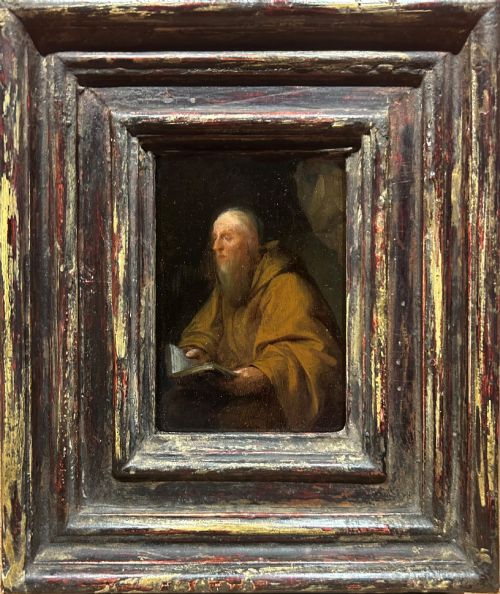
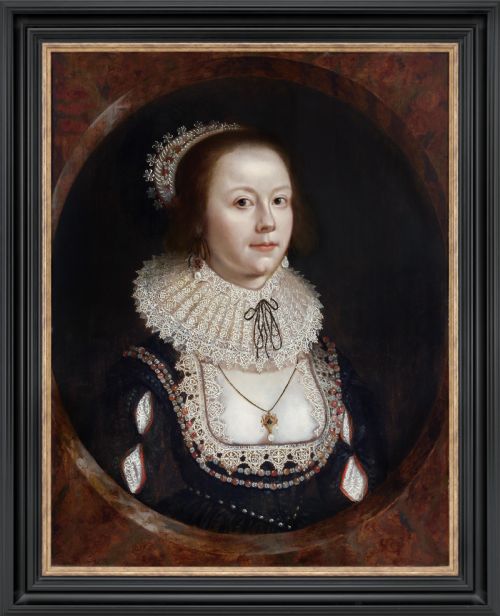
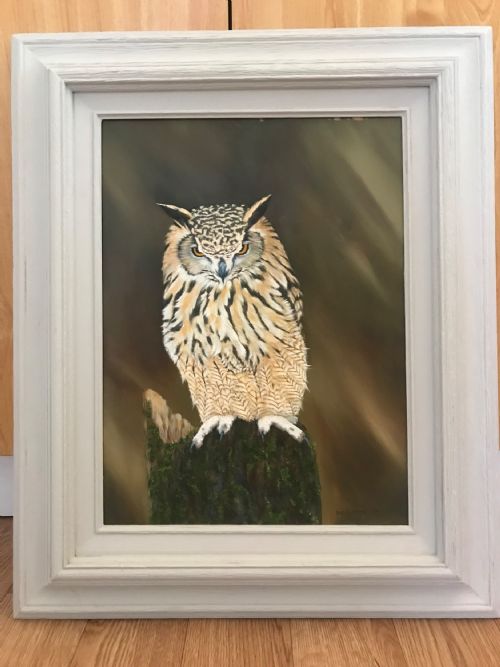
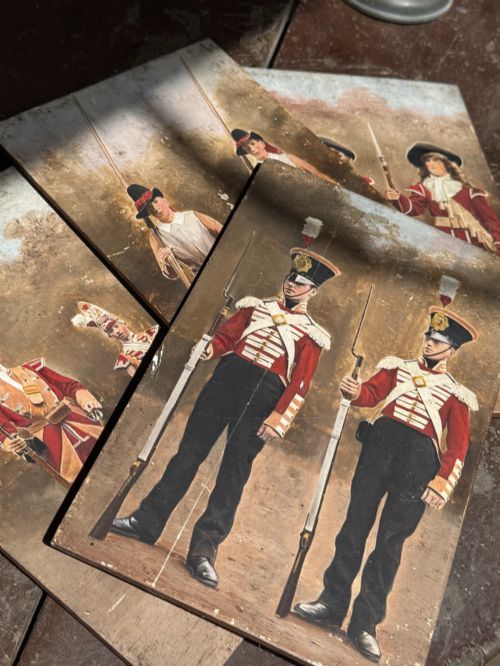
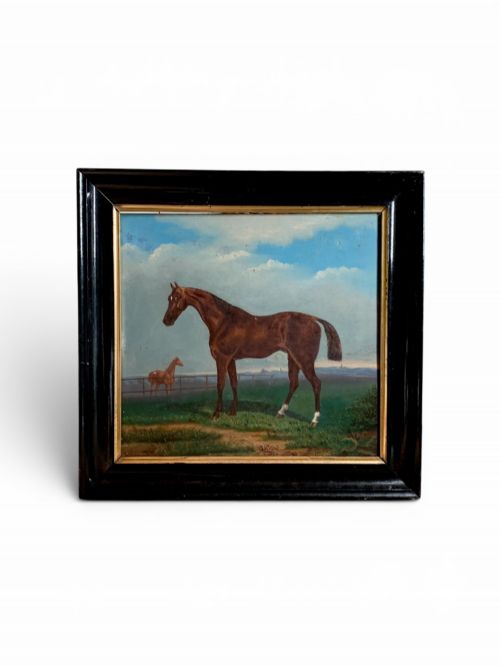
A wood panel oil artwork comprises a rigid wooden support painted with oil colours, offering a stable surface that has attracted artists for centuries. When searching this phrase, a buyer encounters everything from small seventeenth-century portraits to nineteenth-century landscapes and twentieth-century coastal scenes.
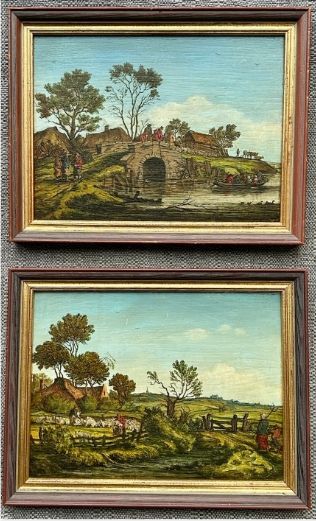
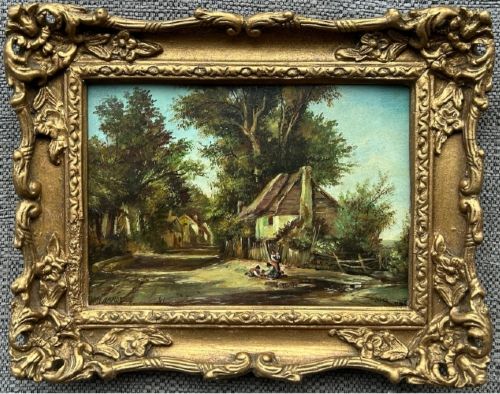
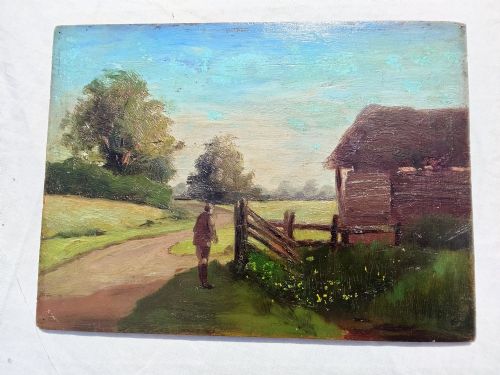
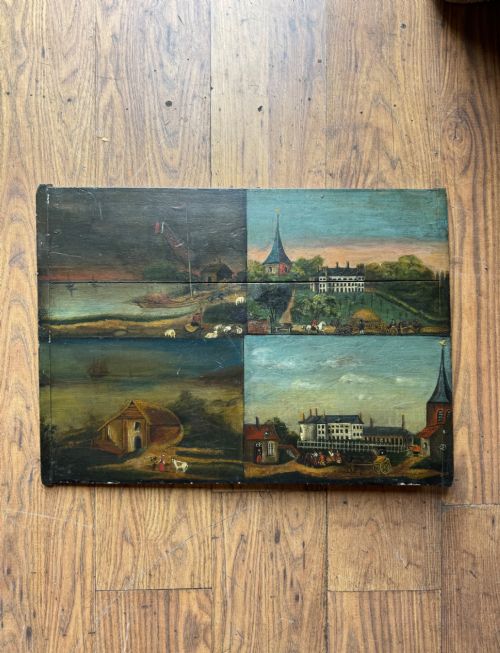
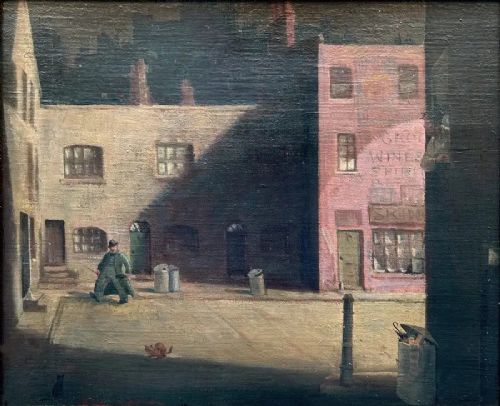
The pieces on this page span several distinct movements, including Dutch Golden Age studies, Victorian genre scenes, British Impressionism, and Naive Folk Art. Most common are nineteenth-century landscapes and townscapes executed on prepared wooden boards or panels, frequently housed in period frames.
Materials and construction
Makers prepare a flat piece of wood - often oak, mahogany, or general timber boards - by applying a ground or gesso layer to create a smooth, non-porous working surface. This rigid foundation prevents the flexing and cracking associated with stretched canvas over time.
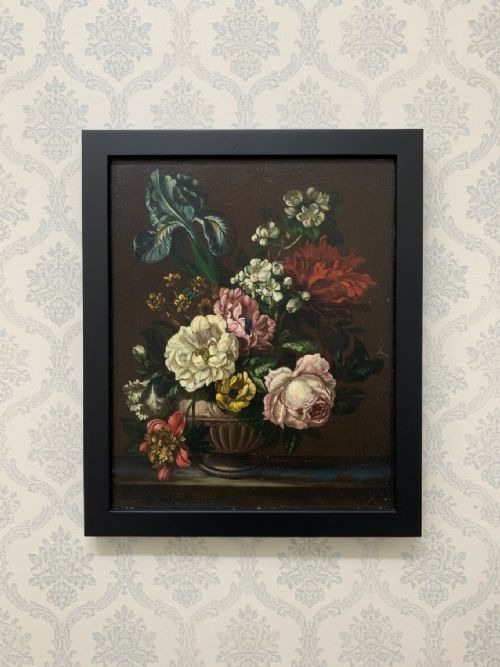
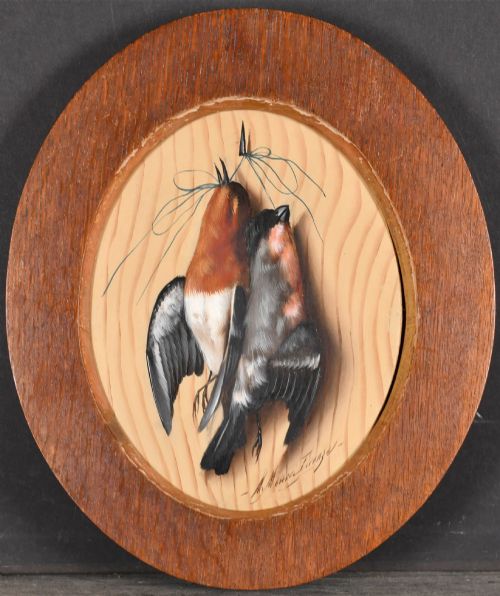
Artists apply oil paint in layers, utilising the opaque and translucent qualities of the medium to build depth and luminosity. The smooth grain of the wood allows for meticulous detail work, visible in miniature portraits and trompe l'oeil still lifes alike.
Listings feature seventeenth-century Dutch School panels alongside nineteenth-century Victorian landscapes and mid-twentieth-century still life paintings.
Evaluating quality and execution
Quality rests in the handling of light, brushwork precision, and the preservation of the painted surface relative to the period of origin. Masterful works demonstrate confident pigment application and anatomical or spatial accuracy, whereas provincial or naive pieces rely on charm and directness.
The condition of the wooden support itself influences the integrity of the piece, as unwarped panels with stable paint layers represent superior survival. Original frames, where present, add historical context and complement the visual depth of the panel.
Tom Campbell·William Howard Hardy·Michelangelo Meucci·Francisco Sancha·Florence Adelina Hess·Hubert Wellington·Sir David Murray·James Kyd·Fernando Del Basso·Hans Temple·Paul Leon Jazet·Sam Bough·Kershaw Schofield
The Wood Panel Oil Artwork Glossary
- Oil on panel
- A painting technique where oil-based pigments are applied directly to a wooden board rather than canvas.
- Trompe l'oeil
- An artistic illusion designed to trick the eye into perceiving a painted object as three-dimensional.
- Gilt wood
- Timber frames or panels treated with a thin layer of gold leaf or metallic gilt finish.
- Provincial
- Artwork created outside major metropolitan artistic centres, often reflecting local traditions and materials.
- Dutch School
- A stylistic classification referring to painters working in the Netherlands during the seventeenth century and their later followers.
Wood Panel Oil Artwork: Frequently Asked Questions
How do I care for a wood panel painting?
Keep the artwork away from direct sunlight, radiators, and damp environments to prevent the wood from expanding or contracting.
Display the piece on a stable interior wall where temperature and humidity remain relatively consistent throughout the year.
Why did artists choose wood over canvas?
Wood panels offered a completely rigid surface that allowed for finer brushwork and greater resistance to punctures compared to woven fabric.
Many early workshops preferred timber because boards were readily available and provided a smooth grain ideal for detailed portraiture and still life.
How can I tell the age of the wooden panel?
Examine the reverse side of the board for tool marks, panel thickness, maker stamps, or framing evidence that correspond to historical carpentry methods.
Stylistic cues in the clothing, subject matter, and signature style also help anchor the painting within a specific century.
Are these paintings usually signed?
Signatures appear on many pieces, though earlier works from the seventeenth and eighteenth centuries are frequently attributed to specific schools rather than bearing a clear signature.
When a signature is present, researching the artist helps confirm the regional school and active working dates.