




Antique Wildlife Oil Painting
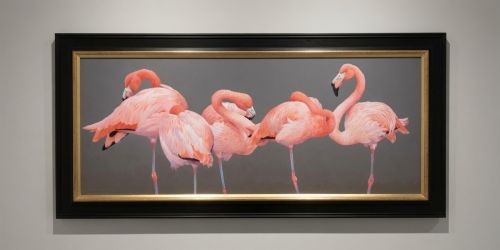
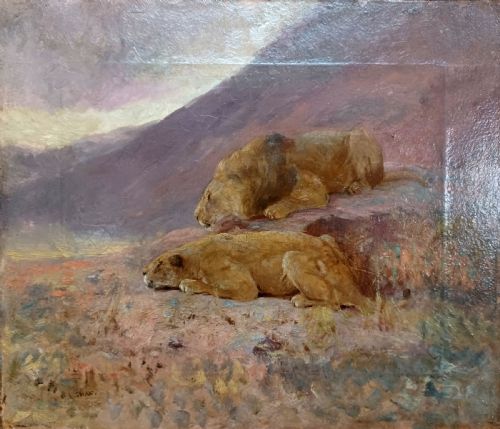
An antique wildlife oil painting brings the movement and character of nature directly onto the wall in rich oil pigments.
Antique Wildlife Oil Painting
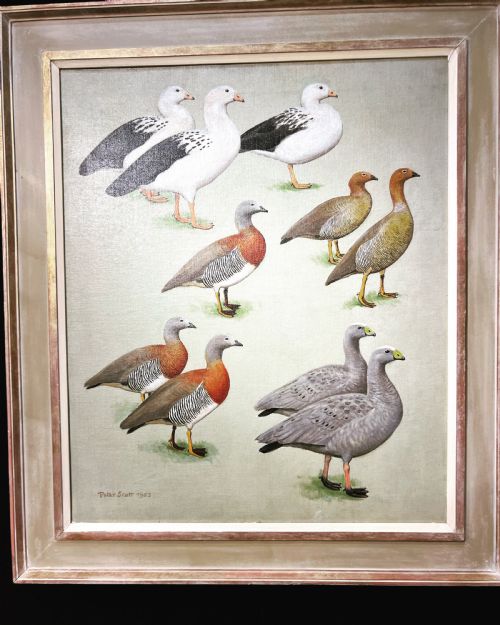
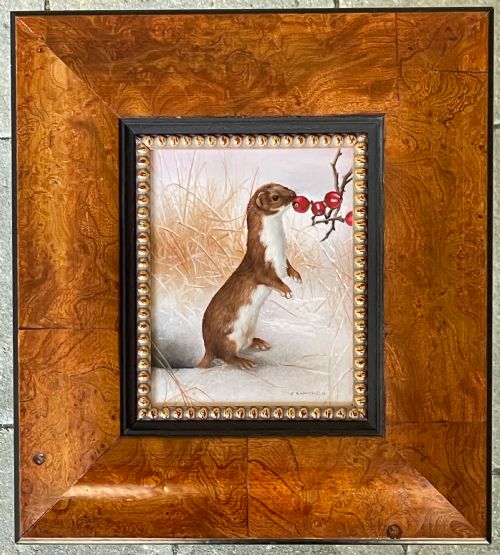
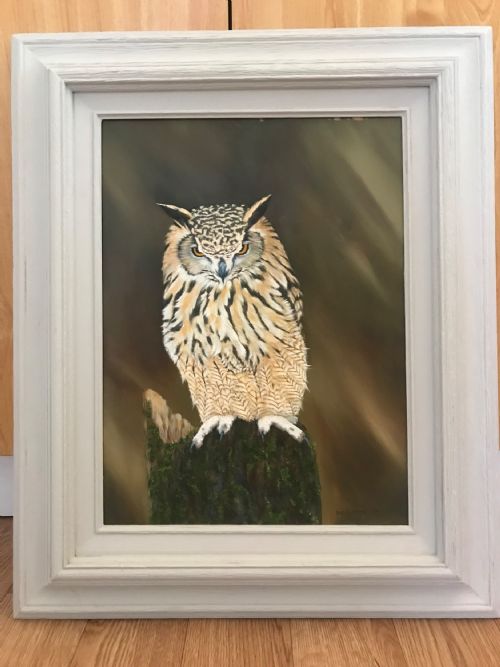
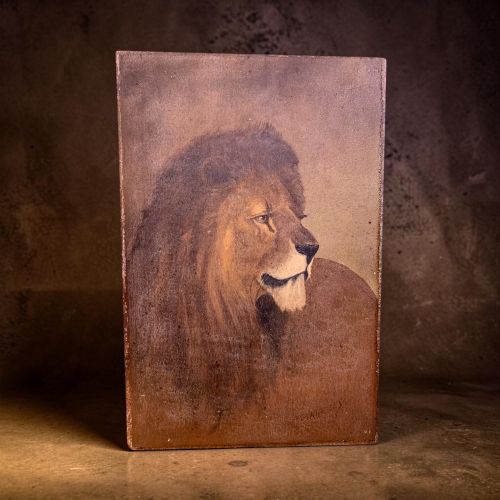
When you search for an antique wildlife oil painting, you encounter canvases portraying animals, birds and sporting scenes across multiple centuries. The selection ranges from naive folk art depictions of lions to detailed studies of ducks, stags and squirrels.
Most examples originate from the nineteenth and eighteenth centuries, taking forms such as framed oil paintings on canvas and panel. These works capture creatures in natural landscapes, from highland scenes to river banks.
The subjects span British naturalism, Victorian sporting art and continental animalier traditions. You find both intimate animal studies and large scale compositions featuring predators and prey.
How they were made
These works rely on oil paint applied to woven canvas stretched over wooden frames. Artists built depth through layered brushwork, blending pigments to render fur, feathers and natural light.
Many surviving pieces retain their original wooden frames, often finished with giltwood or gold leaf. The interaction between the painted surface and the heavy timber setting defines the physical object.
Frogs and toads share the canvas alongside ducks in at least one eighteenth century composition.
What varies in quality
Quality rests in the precision of anatomical rendering and the handling of light within the natural setting. Master painters capture muscle tension and plumage texture with convincing weight, whereas naive works rely on simpler forms and flat perspective.
The integrity of the canvas and the preservation of the original paint layer distinguish superior examples. Retained period frames also contribute to the completeness and historical standing of the piece.
Philipp Ferdinand de Hamilton·George Armfield·Marmaduke Cradock·Jacob Bogdani·Cuthbert Edmund Swan·Thomas Blinks·Constant Ludovic Artz·Geza Vastagh·Godfrey Douglas Giles·William Crampton·James Malcolm Stewart·Stephen Elmer·Sir Peter Markham Scott
The Antique Wildlife Oil Painting Glossary
- Canvas
- A heavy woven fabric stretched across a wooden stretcher to provide a firm painting surface. It serves as the primary support for traditional oil compositions.
- Giltwood
- Wood carved and coated with a thin layer of gold leaf or metallic gilt. This finish frequently decorates the frames surrounding period paintings.
- Naturalism
- An artistic approach aiming to represent subjects as they appear in nature without idealisation. In these works, it governs the accurate depiction of animals and their habitats.
- Sporting Art
- A genre of painting dedicated to hunting, shooting, fishing and animals in the field. It forms a distinct category within nineteenth century visual culture.
- Naive Art
- Work created by artists without formal academic training, often characterised by a charming directness and simplified perspective. These pieces possess an unpretentious folk quality.
Antique Wildlife Oil Painting: Frequently Asked Questions
How do I date an old painting?
Dating relies on examining the canvas preparation, the stretcher construction, and the style of the brushwork. Pigment analysis and framing methods offer further clues to the period of creation.
Makers' signatures, stamps on the reverse, and historical records help narrow the decade. Comparing the subject matter to known artistic movements of the eighteenth and nineteenth centuries provides a reliable guide.
Where should I hang an oil painting?
Hang oil paintings away from direct sunlight and strong heat sources to prevent the canvas and paint from drying out. Stable indoor temperatures protect the integrity of the materials.
Choose a wall with balanced ambient light that allows you to view the brushwork clearly. Ensure the fixing supports the combined weight of the canvas and its timber frame securely.
What is animalier art?
Animalier art refers to the realistic depiction of animals, particularly wild beasts, in sculpture and painting during the nineteenth century. Artists focused on capturing the raw power and natural behaviour of creatures.
This movement gained momentum as European natural history collections expanded and public interest in zoology grew. Painters studied live specimens in menageries to achieve anatomical accuracy.