





Framed Wildlife Canvas Art
Framed wildlife canvas art brings the untamed natural world indoors through historical oil paintings of animals, birds, and sporting scenes.
Framed Wildlife Canvas Art
When you search for framed wildlife canvas art, you encounter historical oil paintings capturing animals, birds, and sporting subjects within traditional frames. These works span multiple centuries, capturing creatures ranging from ducks and upland game to big cats and stags in natural habitats.
The selections on this page lean heavily towards nineteenth century naturalism and sporting art, alongside eighteenth century European compositions. You meet detailed studies of birds by rivers, fierce predator encounters, and expansive landscape settings.
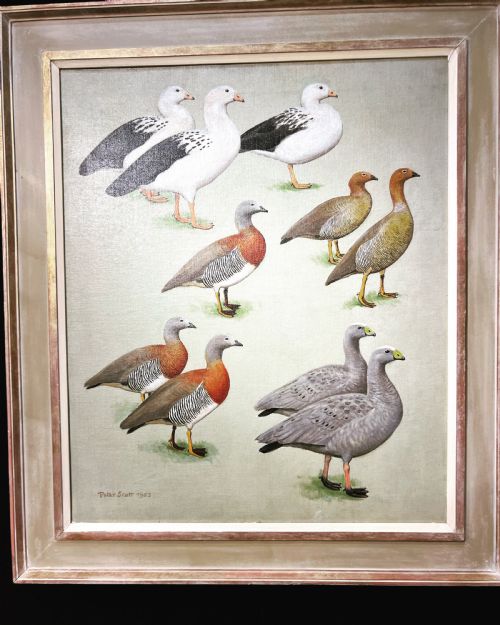
Makers and artists represented include figures like Cuthbert Edmund Swan, William Crampton, and Sir Peter Markham Scott. Each piece unites painterly observation of wildlife with period framing materials such as giltwood.
How these artworks were constructed
Artists painted primarily in oil on canvas stretched over wooden supports, building rich textures and deep tones. This medium allowed for fine feather detail, fur texture, and atmospheric lighting effects.
Many of these paintings reside in their original or period frames fashioned from wood and finished with gold leaf or gilt. These giltwood surrounds complement the dark, earthy palettes typical of historical animal painting.
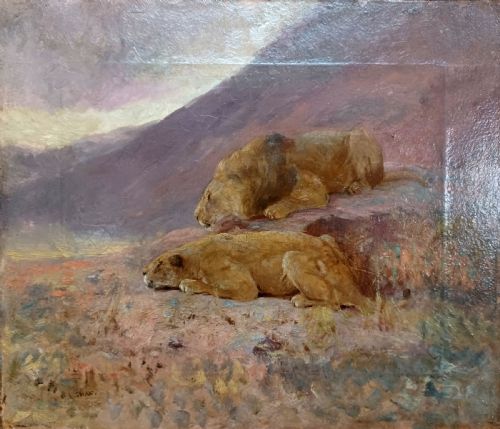
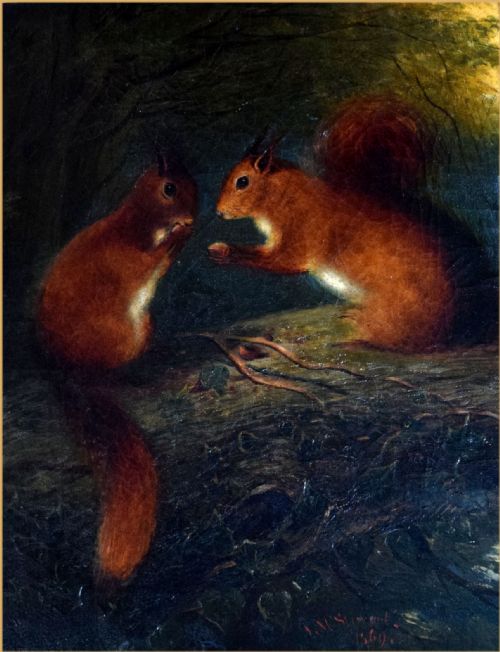
Ducks, ducklings, frogs, and red squirrels share gallery space with stalking lions and leopards.
What separates the finest examples
Quality rests upon the anatomical precision of the animals and the handling of light within the natural landscape. Master painters captured posture and movement with acute observation, whereas lesser works remain stiff and generic.
The preservation of the canvas surface and the originality of the giltwood frame influence the integrity of the piece. Clean surfaces free from heavy restoration and frames retaining their original gilding elevate the stature of the work.
Sir Peter Markham Scott·Philipp Ferdinand de Hamilton·Marmaduke Cradock·Cuthbert Edmund Swan·Thomas Blinks·Constant Ludovic Artz·Geza Vastagh·William Crampton·James Malcolm Stewart·Stephen Elmer
The Framed Wildlife Canvas Art Glossary
- Animalier
- A nineteenth century artistic movement focused on the realistic depiction of animals. Artists in this tradition studied anatomy closely to portray beasts in motion or repose.
- Giltwood
- Wood carved and coated with gold leaf or gold paint. This finish creates the bright, reflective borders common on historical picture frames.
- Sporting Art
- Genre of painting dedicated to hunting, shooting, fishing, and game animals. These works often record specific breeds of dogs, birds, and quarry in rural landscapes.
- Oil on Canvas
- Technique involving pigment suspended in drying oil applied to woven fabric. This combination provides flexibility and allows for subtle blending of colours.
Framed Wildlife Canvas Art: Frequently Asked Questions
What periods do these paintings come from?
The works span from the eighteenth century through to the mid twentieth century. They include eighteenth century European pieces and nineteenth century Victorian sporting art.
Later examples extend into the twentieth century, reflecting enduring traditions of natural history painting and sporting illustration.
Are the frames original to the canvas?
Many pieces retain period frames fashioned from wood and gilt leaf that complement the age of the painting. Surviving frames often show historical patination consistent with their age.
Examining the rebate and fixings helps determine whether a frame has been paired with the canvas at a later date.
How should I care for an oil painting on canvas?
Keep the artwork away from direct sunlight and fluctuating humidity to prevent the canvas from slackening and the paint from cracking. Gentle dusting with a soft, dry brush maintains the surface.
Avoid using moisture or chemical cleaners on the paint layer or the giltwood frame.
What subjects are most common?
Common subjects include game birds like ducks and black game, predatory mammals such as lions and leopards, and stags in highland landscapes. Artists often placed these creatures within detailed natural settings.
Sporting encounters, such as hounds in combat or birds in flight, also feature prominently across the collection.