
Framed Nature Artwork
Framed nature artwork brings the outdoors inside through landscapes, botanicals and wildlife captured across centuries in oil, watercolour and pencil.
Framed Nature Artwork
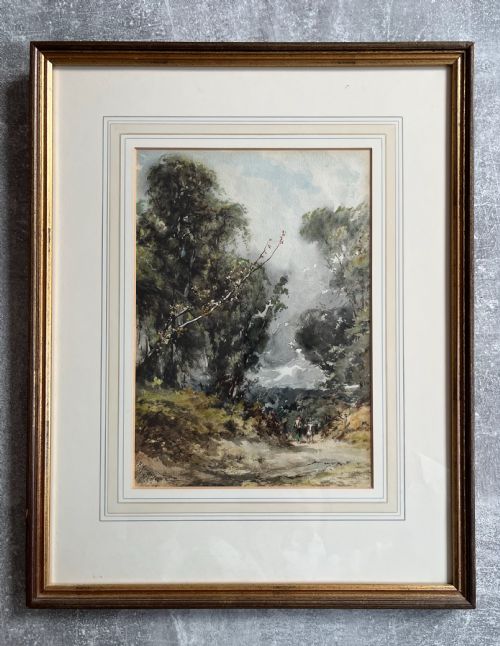
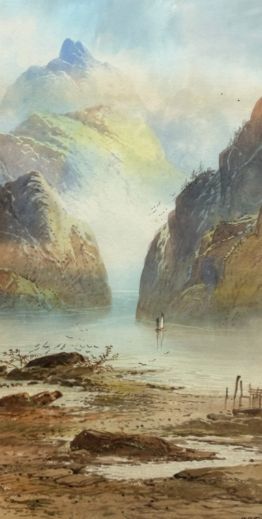
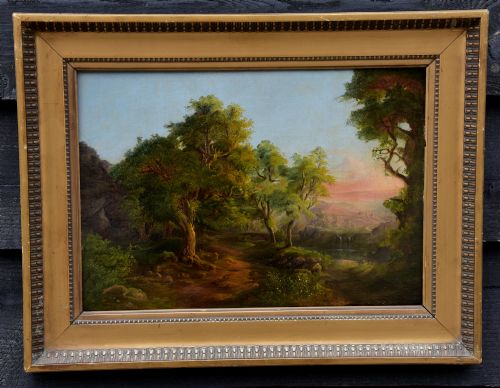
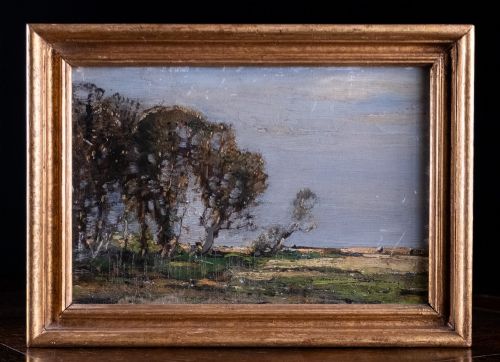
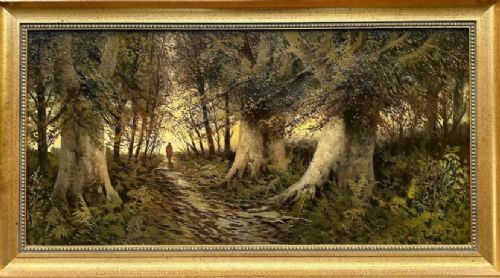
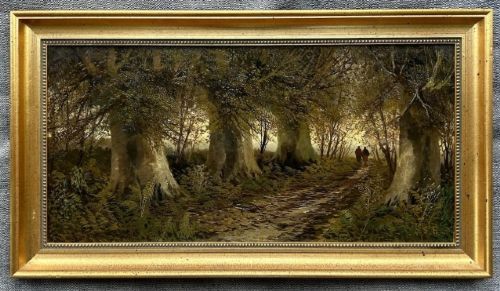
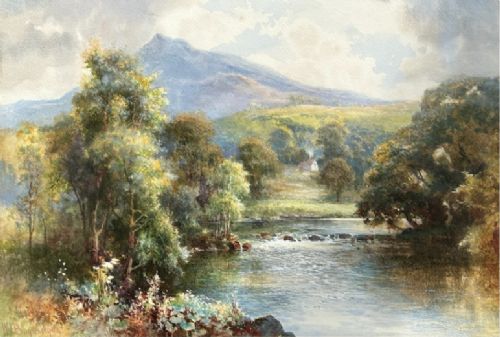
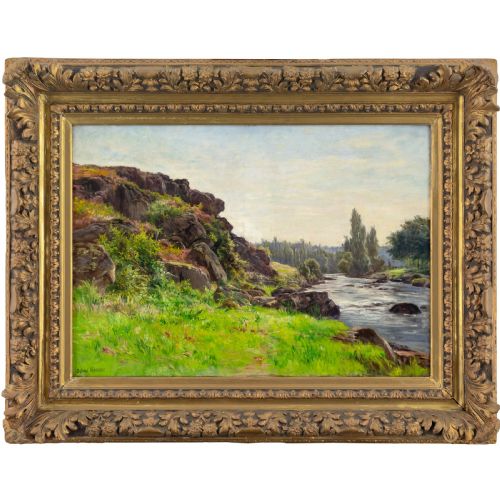
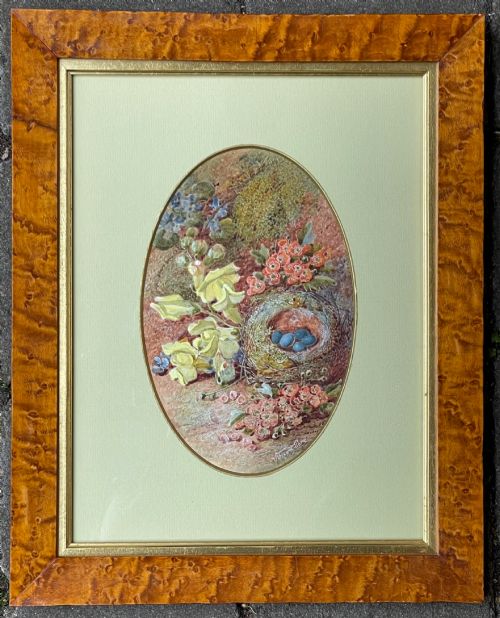
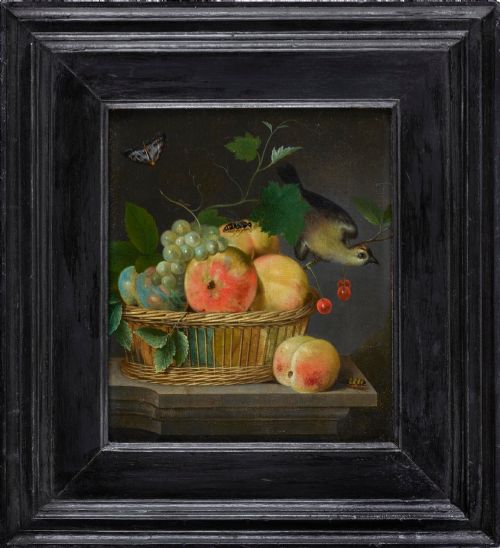
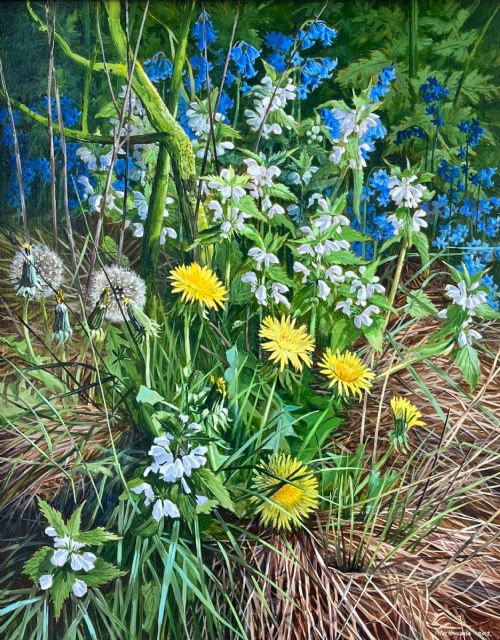
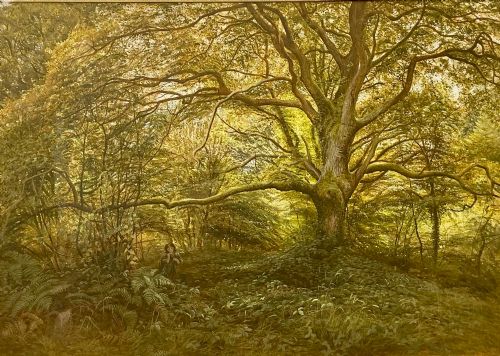
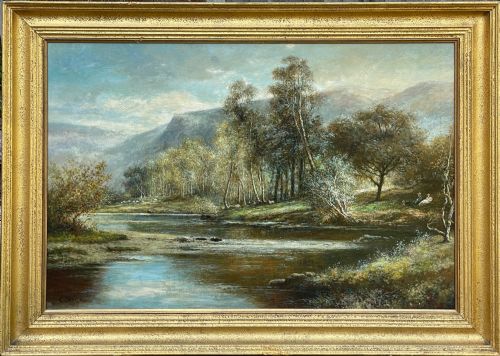
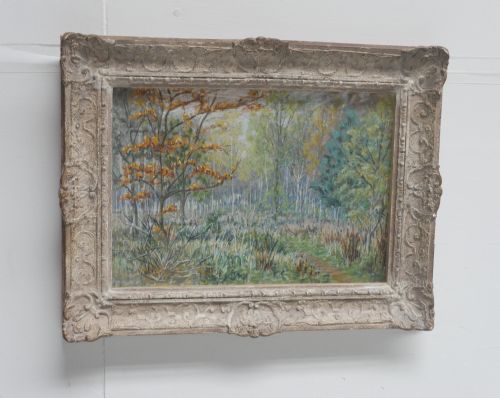
Framed nature artwork spans traditional landscapes, riversides, woodland scenes and botanical studies rendered by artists working from the nineteenth century onward. Buyers look for depictions of the natural world, ranging from expansive Scottish highlands to quiet forest floors and detailed still lifes of fruit and flora. The most common examples met on this page are nineteenth-century and Victorian watercolours and oil paintings housed in period wood and gold leaf frames.
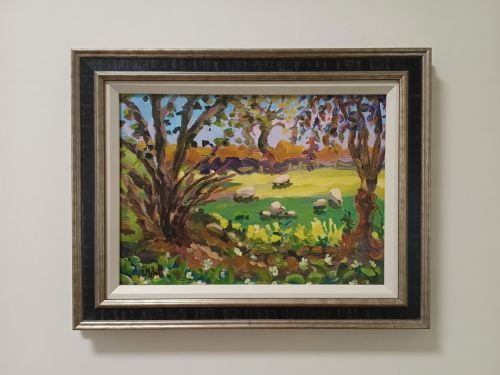
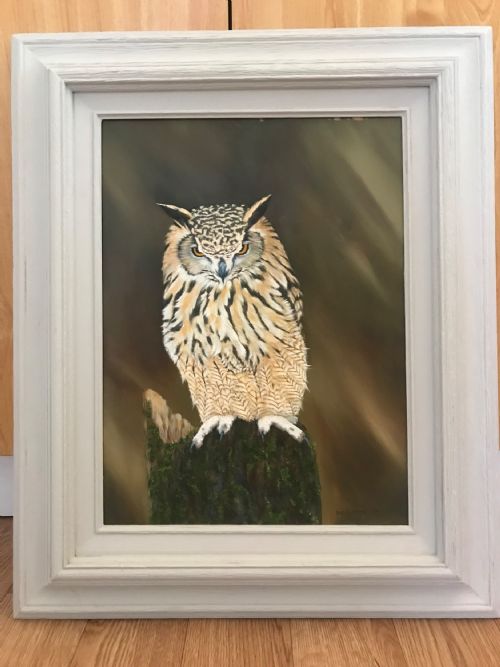
The subjects capture changing environments, including rural vistas, Welsh rivers, and wildlife such as owls and sheep amongst wild garlic. Works extend from the detailed naturalism of the Victorian era into mid-century interpretations, utilising paper, canvas, and board as a base. Each piece preserves a specific topography or natural arrangement through the medium chosen by the painter or illustrator.
Materials and techniques
Painters relied heavily on oil paint and watercolour, applying pigments to canvas, wood panels, board, or heavy paper to capture outdoor light and texture. Oil paint allowed for rich layering in woodland landscapes and still lifes, whereas watercolour created translucent washes suitable for river views and botanical details.
Finished works were secured behind glass where paper or watercolour was used, while oil paintings on canvas or board remained exposed within protective wood and gold leaf frames. These mounting choices preserved the integrity of the pigments against dust and atmospheric changes over decades of display.
Sheep grazing amongst wild garlic share wall space with meticulous studies of spotted flycatchers and woodland deities.
Elements of quality
Quality rests on the handling of light, brushwork precision, and the anatomical or topographical accuracy demonstrated by the artist. Stronger pieces reveal a confident command of depth and atmosphere, particularly in how woodland shadows or water reflections are rendered.
The integrity of the original framing, the preservation of the paper or canvas surface, and the clarity of artist signatures or inscriptions further distinguish finer examples from standard decorative works.
George Fotherly Hargitt·William Henry Earp·Kershaw Schofield·Thomas W Lascelles·William Joseph Boyes·Gabriel Mathieu·Vincent Clare·Gaspar Peeter Verbruggen·Peter Newcombe·Bonomi Edward Warren·Margaret Maitland Howard·William Mellor·J Phipps·Paul Lelong·George Arthur Fripp·John Wright Oakes·William Langley·Eloise Harriet Stannard·Rowland Henry Hill·William Stephen Coleman·John Hobson Nicholson·H Church·R L Howey
The Framed Nature Artwork Glossary
- Watercolour
- A paint consisting of soluble pigment suspended in a water-based solution, typically applied to paper. It offers transparent washes and delicate colour transitions.
- Oil on Canvas
- A painting technique utilising pigments bound in a drying oil, applied to stretched woven fabric. This method permits deep colour saturation and textured brushwork.
- Gold Leaf
- Gold beaten into extremely thin sheets, utilised to gild picture frames and decorative mouldings. It provides a reflective, durable border that enhances the artwork.
- Still Life
- A work depicting inanimate subject matter, typically commonplace objects such as fruit, flowers, or baskets. These compositions showcase the artist's skill in texture and lighting.
- Provenance
- The documented history of ownership of an artwork, establishing its authenticity and origin. A clear record adds historical context to the piece.
Framed Nature Artwork: Frequently Asked Questions
How should I clean my framed nature artwork?
Dust wood frames gently with a dry, soft cloth and avoid chemical sprays or water near the exposed surfaces. For works behind glass, use a minimal amount of glass cleaner applied to a cloth rather than directly to the pane.
Keep oil paintings away from damp conditions and direct sunlight to protect the pigments and canvas from warping or fading over time. Professional framing conservation prevents dust accumulation behind the glass.
Can I hang these paintings in direct sunlight?
Direct sunlight causes watercolour pigments to fade and accelerates the degradation of paper and canvas fibres. Placing artworks away from intense south-facing windows preserves the original colour balance.
Indirect natural light or controlled indoor illumination safely highlights the brushwork and detail without risking ultraviolet damage to the medium.
How do I identify a Victorian watercolour?
Victorian watercolours often exhibit meticulous brushwork focusing on rural landscapes, botanical accuracy, or narrative naturalism. They frequently feature heavy paper stock, period signatures, and substantial gold leaf or moulded wood frames typical of the nineteenth century.
Examining the back of the frame or paper backing can reveal historical dealer labels, framing stamps, or handwritten inscriptions regarding the location and date.
What is the difference between oil on board and oil on canvas?
Oil on canvas involves stretched fabric over a wooden stretcher frame, offering slight give and a textured woven surface beneath the paint layers. Oil on board uses a rigid wooden or composition panel as the solid foundation for the paint.
Board paintings are less susceptible to canvas sagging over time but require stable indoor humidity to prevent warping of the wooden support.