


1920s French Artwork
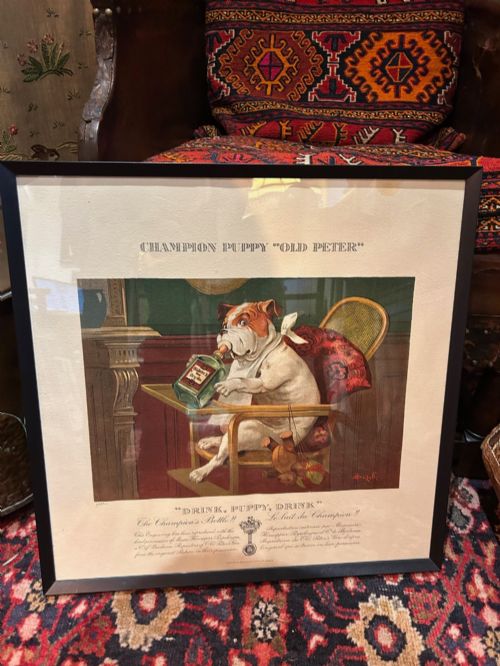
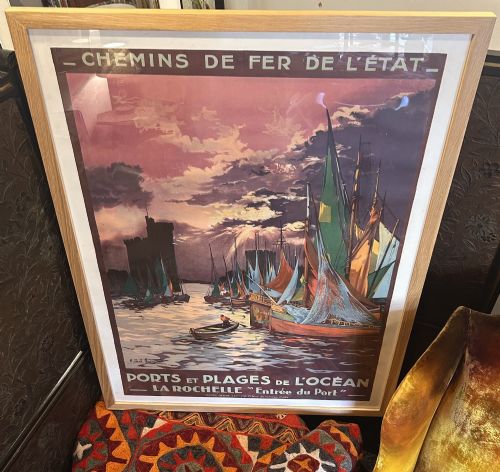
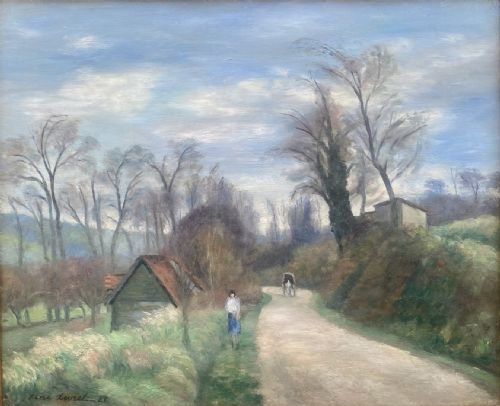
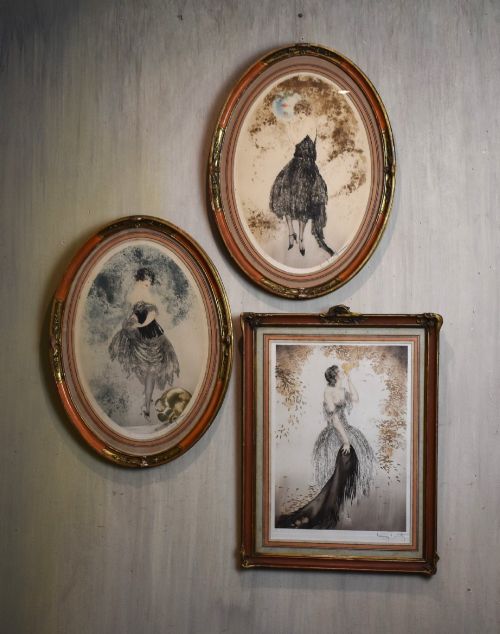
1920s French artwork brings the vibrant energy of the interwar period into a room through expressive paintings, prints and sculptures.
1920s French Artwork
When searching for 1920s French artwork, collectors encounter a diverse range of visual expressions created during a transformative decade in European culture. The selection on this page centres primarily on oil paintings, works on paper, prints and sculptures originating from France between the years 1920 and 1930.
Buyers will find pieces spanning several prominent movements of the era, including Art Deco, Post-Impressionism, Fauvism and Cubism. Landscapes, coastal scenes, portraits of women, and urban cityscapes dominate the forms available in these listings.
Materials and methods of creation
Artists of this period worked extensively with oil paint on canvas, panel or board, capturing light and atmosphere with varied brushwork. Works on paper utilised charcoal, pastel, watercolour, pencil and ink to achieve immediacy and expressive line quality.
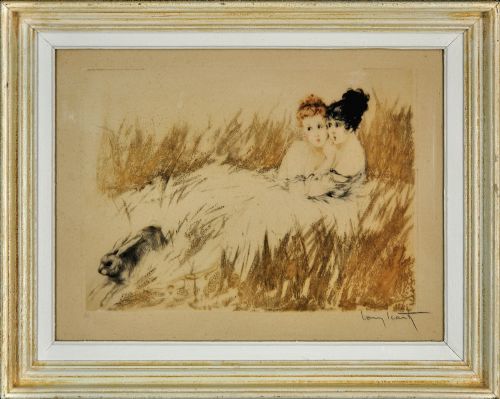
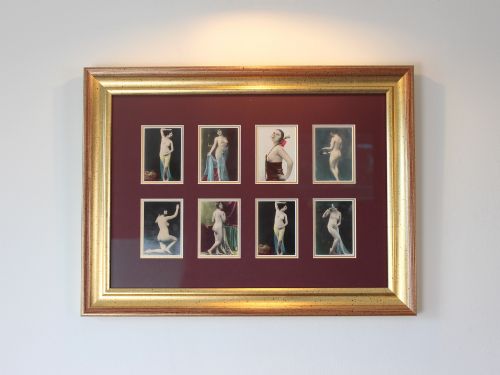
Printmakers employed techniques such as etching, drypoint, aquatint, lithography and hand-tinted photography to produce multiple impressions, often enhanced with delicate hand-colouring. Sculptors shaped materials including terracotta and other media to reflect contemporary design trends.
Erotic female nude photographs by Julian Mandel sit alongside pastoral Brittany landscapes and bustling city street scenes.
Distinctions in execution and provenance
Quality in these pieces rests upon the surety of the artist's hand, the boldness of composition and the integrity of the medium used. Works that capture the distinct spirit of movements like Fauvism or Cubism with clarity hold greater visual impact.
Condition of the paper, canvas or panel alongside the preservation of original framing also influence the overall standard of an artwork. Pieces retaining documentation or strong historical provenance carry additional weight for collectors.
Marcellin Auzolle·Rene Levrel·Louis Icart·Julian Mandel·Raymond Moritz·Louis Suire·Georges Goursat·Demetrios Galanis·P. Sega·Girieud·Jean Hippolyte Marchand·Edmond Defonte·Lamotte·Maurice Asselin·Kees van Dongen·Pierre Peltier·Fred Lawson
The 1920s French Artwork Glossary
- Drypoint
- A printmaking process where an image is scratched directly onto a metal plate with a sharp needle, producing soft, velvety lines. This technique allows for expressive, delicate details often seen in period prints.
- Aquatint
- An etching method used to create tonal effects resembling watercolour washes on paper. Artists utilised this process to build subtle gradations of shadow and light.
- Fauvism
- An early twentieth-century style characterised by wild, vibrant brushwork and non-naturalistic use of colour. Practitioners prioritized painterly qualities over realistic representation.
- Lithography
- A planographic printing process based on the repulsion of oil and water on a flat stone or metal plate. It enabled artists to produce rich, multi-coloured graphic works.
1920s French Artwork: Frequently Asked Questions
How do I identify a 1920s French artwork?
Look for stylistic markers typical of the interwar period, such as Art Deco geometric lines, Fauvist colour palettes or Cubist spatial fragmentation. Signatures, dates and framing materials often provide further contextual clues to the period.
Examining the specific medium, whether oil on canvas, lithograph or etching, helps confirm the techniques prevalent among French workshops of that decade.
What subjects are most common in these pieces?
Portraits of women, coastal scenes from regions like Brittany and Provence, and vibrant urban cityscapes appear frequently across the collection. Pastoral landscapes and floral still lifes also represent popular themes of the era.
Artists frequently documented daily leisure, architectural landmarks and picturesque rural settings across France during the 1920s.
How should I care for works on paper?
Works on paper require protection from direct sunlight to prevent fading of watercolours, inks and hand-tinted elements. Framing behind UV-resistant glass helps maintain the longevity of fragile charcoal, pastel and print media.
Displaying these pieces in environments with stable humidity prevents warping of the paper and deterioration of the backing materials.
What is the difference between an etching and a lithograph?
An etching involves incising lines into a metal plate, which then holds ink for transfer under pressure, creating raised marks on paper. A lithograph is printed from a flat surface treated to accept ink only in specific design areas.
Both techniques were widely utilised by French printmakers during the 1920s to produce distinctive graphic editions.