

Antique French Landscape
When you search for an antique french landscape, you uncover centuries of painted rivers, wooded valleys, and sunlit coasts.
Antique French Landscape
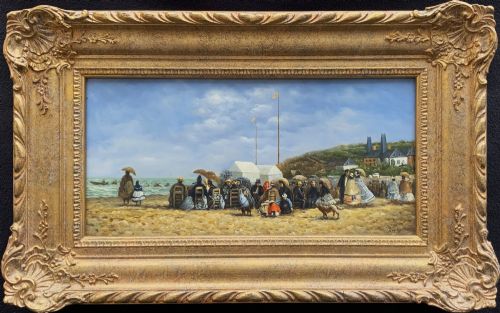
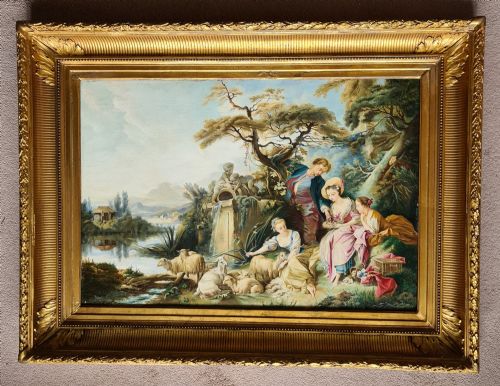
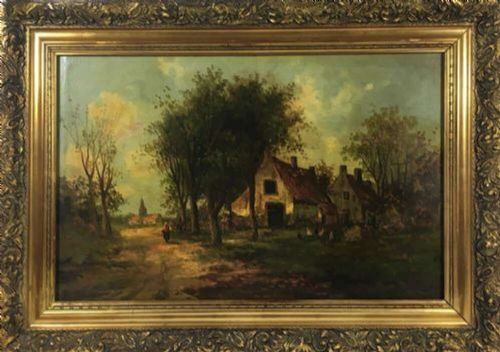
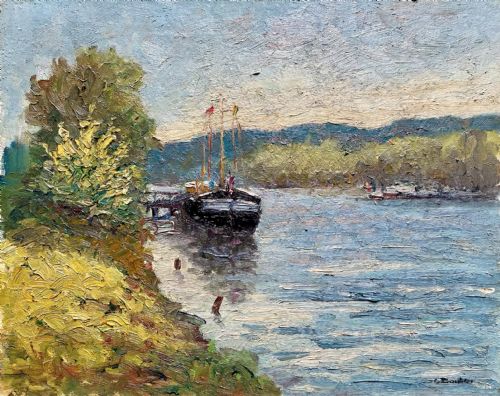
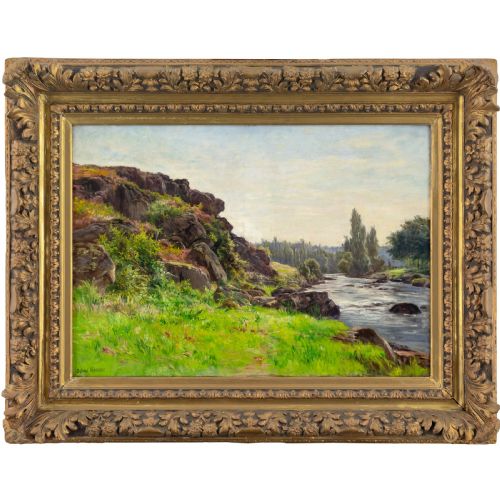
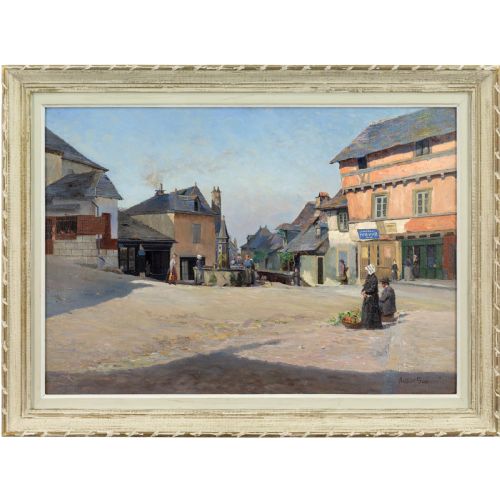
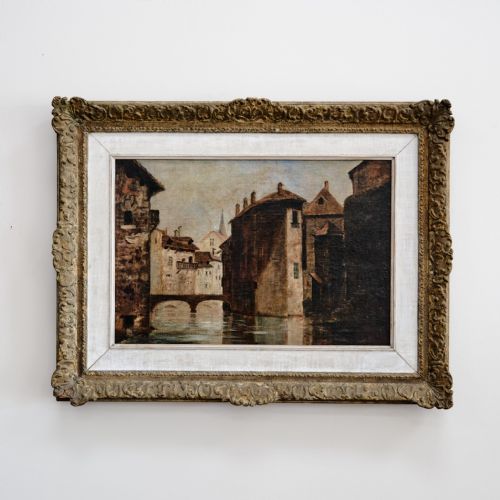
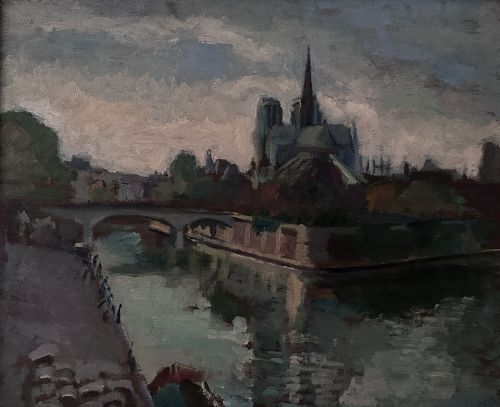
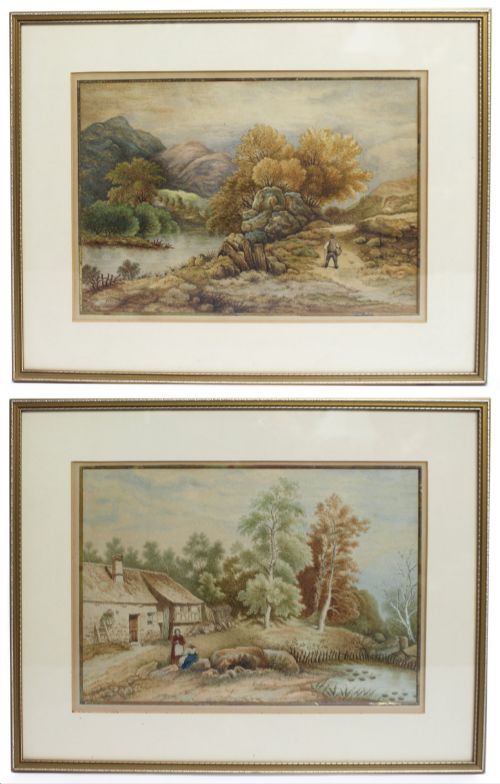
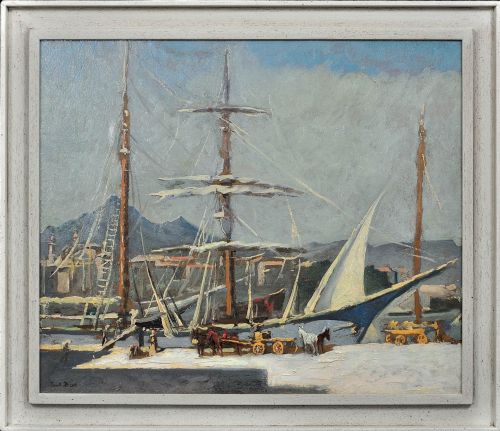
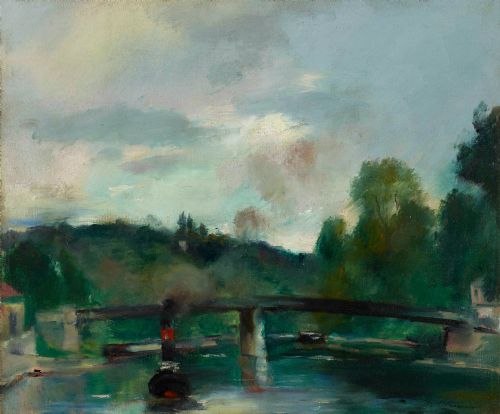
An antique french landscape captures rural rivers, wooded forests, and coastal vistas through the eyes of artists working from the seventeenth century into the twentieth century. These works appear most frequently as oil paintings on canvas or panel, alongside watercolours, engravings, and woven tapestries.
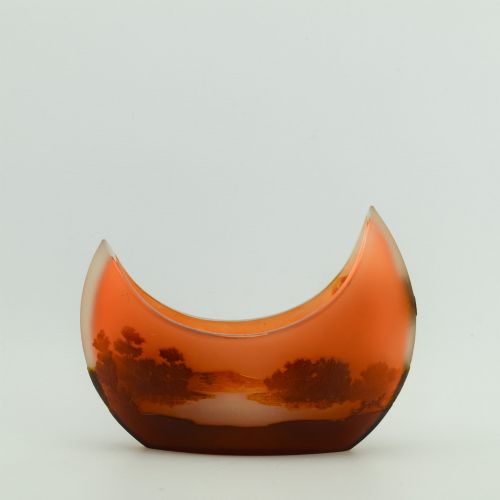
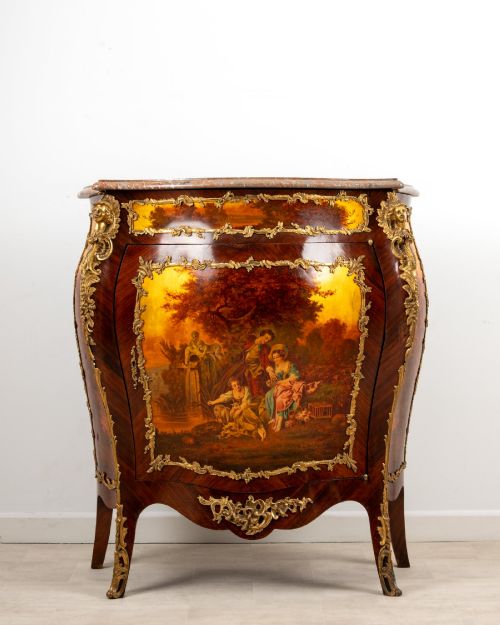
Makers and artists range from the Barbizon School painters recording the forest of Fontainebleau to Post-Impressionist and Art Nouveau creators depicting Mediterranean shores and provincial squares. Buyers also encounter decorative arts incorporating scenic motifs, including cameo glass vases and carved wooden mirrors with painted panels.
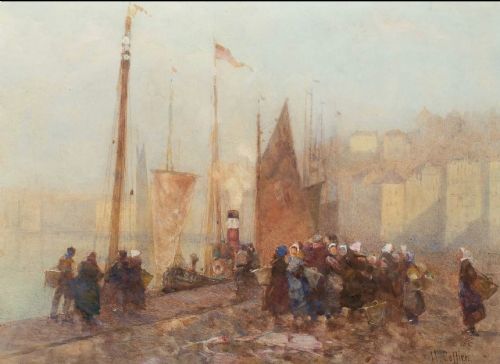
The category spans quiet rural scenes, classical compositions with ruins, and industrial or seaside views set across Normandy, Paris, Provence, and the Pyrenees. Each period brings its own palette, moving from dark seventeenth-century verdure tapestries to the light-filled brushwork of later impressionist canvases.
How They Were Made
Artists applied oil paint to stretched canvas, wooden panels, or heavy paper, building depth with layered brushstrokes or subtle glazes. Watercolours utilised pigment washes on paper to capture the changing light of rivers and chateaux.
Glassmakers created scenic vessels through multi-layered cameo carving, acid-etching coloured glass to reveal distant horizons and trees. Weavers produced large verdure tapestries in workshops like Aubusson using wool and silk threads to construct dense forest foliage.
Several landscapes include tiny, unidentifiable figures caught wandering near nineteenth-century rivers, perhaps wondering if the collector is watching.
What Varies In Quality
The strength of composition and the handling of natural light distinguish finer paintings from ordinary decorative works. Masterful brushwork and confident draftsmanship capture atmosphere and spatial depth with precision.
Materials and framing contribute significantly to a piece's standing. Original gilt frames, undamaged cameo glass surfaces, and well-preserved tapestry dyes elevate the integrity of the object.
Gabriel Mathieu·Arthur Gué·Daum Frères·Paul Désiré Trouillebert·Étienne Baudet
The Antique French Landscape Glossary
- Barbizon School
- A nineteenth-century movement of painters who worked directly from nature in the forest of Fontainebleau. They focused on realistic rural scenes and atmospheric landscape studies.
- Verdure Tapestry
- A woven wall hanging dominated by lush foliage, trees, and often animals or distant rivers. These textiles frequently originated in Aubusson during the seventeenth and eighteenth centuries.
- Cameo Glass
- glassware formed by fusing multiple layers of coloured glass and carving away the outer layers to create a raised scenic design. This technique gained prominence during the Art Nouveau period.
- Trumeau Mirror
- An antique wall mirror featuring an upper painted panel depicting a pastoral or landscape scene. These decorative pieces were popular in French interiors.
Antique French Landscape: Frequently Asked Questions
What subjects appear in these landscapes?
Artworks depict river valleys, forest clearings, seaside harbours, and pastoral mountains across various French regions. Many compositions include figures, bridges, chateaux, or rustic farmhouses.
Specific locales range from Normandy and the Seine to the Mediterranean coast and the forest of Fontainebleau.
How do I identify the period of a painting?
Stylistic shifts offer clear clues, moving from classical seventeenth-century engravings and dark verdure tapestries to nineteenth-century Barbizon realism and twentieth-century impressionism. Brushwork, framing styles, and artist signatures also help date the work.
Examine the back of the canvas or panel for old labels, stamps, or inscriptions that record dates and provenance.
Where were cameo glass landscape vases made?
Renowned glassmakers in France, notably Émile Gallé and Daum Frères, produced cameo glass vases featuring etched natural scenery. These pieces date primarily from the late nineteenth and early twentieth centuries.
Signed examples utilise multi-layered acid-etching to render trees, lakes, and sunsets in coloured relief.
How should I display a textile landscape?
Large verdure tapestries require sturdy wall mounting systems that distribute the weight evenly across the upper edge. Protect antique textiles from direct sunlight to preserve the colours of the woven wool and silk.
Ensure adequate ventilation behind the tapestry to prevent moisture buildup against older walls.