
Framed Bird Picture
A framed bird picture brings the natural world indoors through delicate watercolours, textured wool work, and detailed oil paintings.
Framed Bird Picture
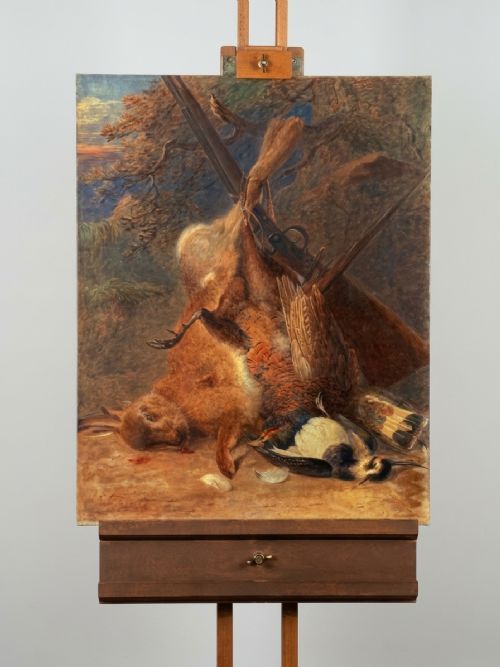
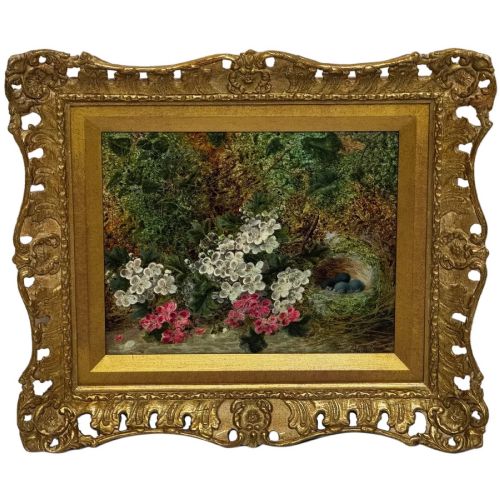
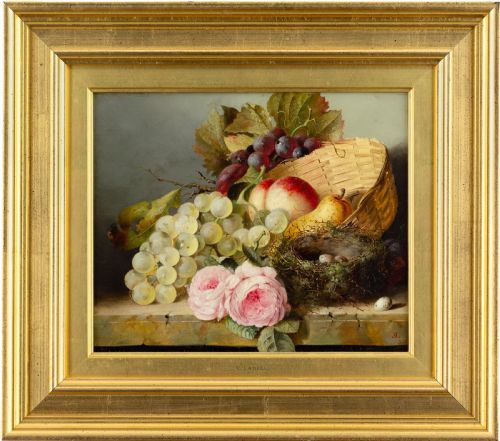
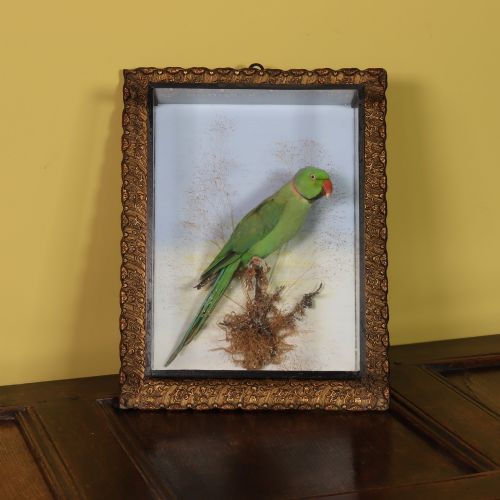
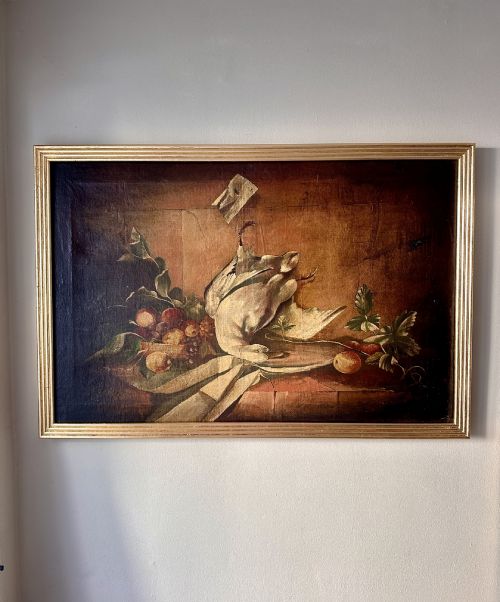
A framed bird picture spans a variety of historical mediums, capturing avian subjects through precise watercolours, textured embroideries, and oil paintings. These works range from scientific illustrations of exotic species to intimate depictions of garden birds and game in domestic settings.
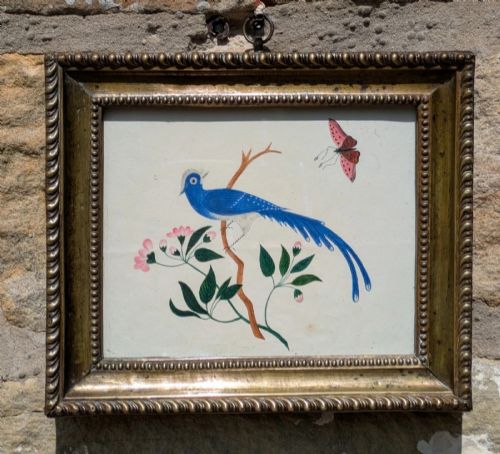
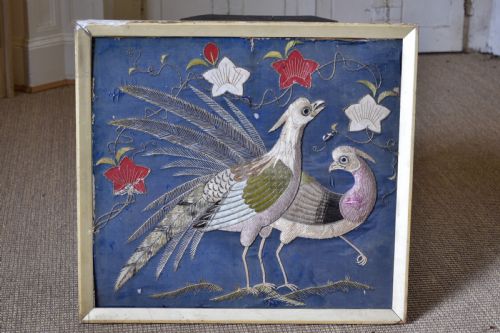
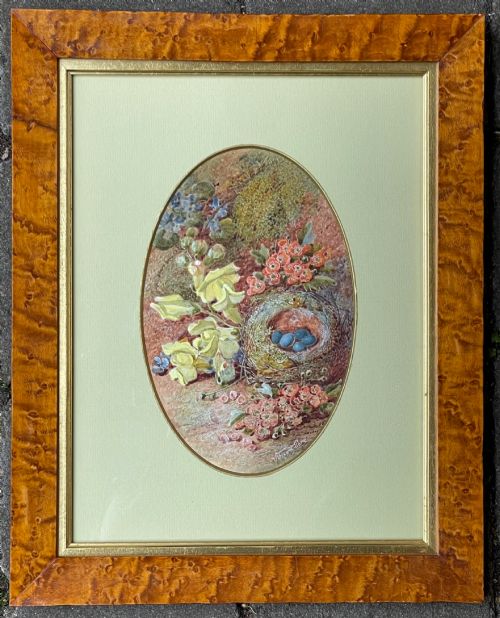
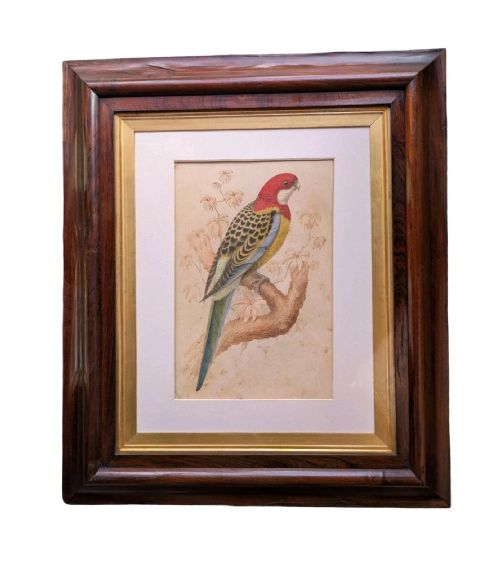
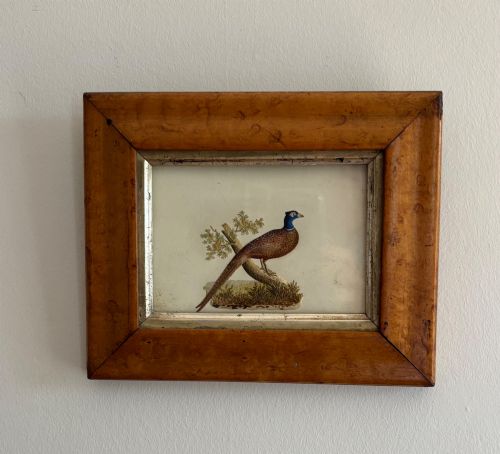
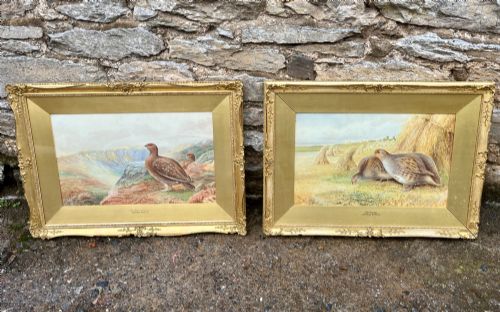
The versions most frequently met on this page include nineteenth-century watercolours and detailed silk embroideries housed in period wood or gilt frames. Examples often highlight natural history interests, featuring subjects like parrots, pheasants, and owls rendered with distinct regional styles.
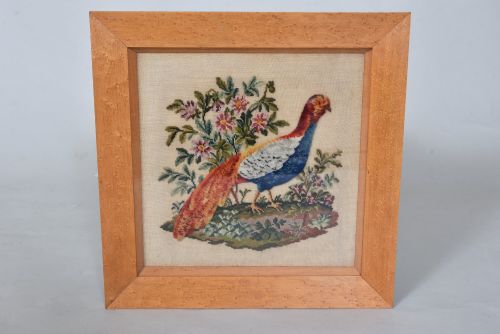
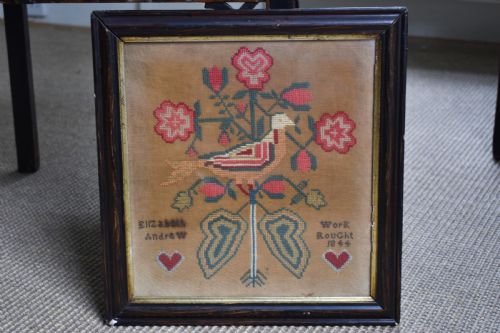
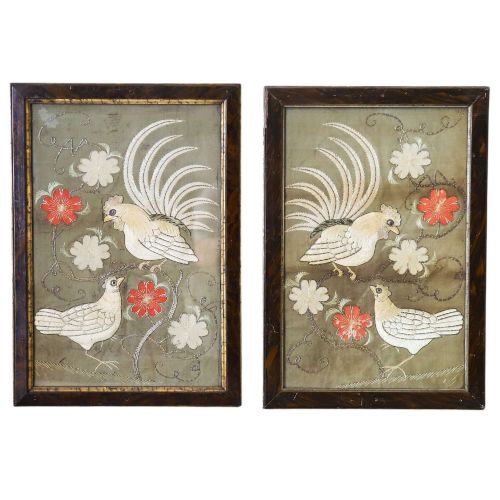
Beyond paintings on paper and panel, the category includes textiles such as wool work samplers and silk pictures alongside relief works. These diverse objects reflect changing domestic tastes for natural history subjects across the Georgian, Victorian, and Edwardian eras.
Materials and Techniques
Paper and silk serve as the primary grounds for these works, supporting watercolours, bodycolours, lithographs, and hand-stitched embroideries. Artists employed fine brushes and coloured threads to render plumage and anatomical details with exactness.
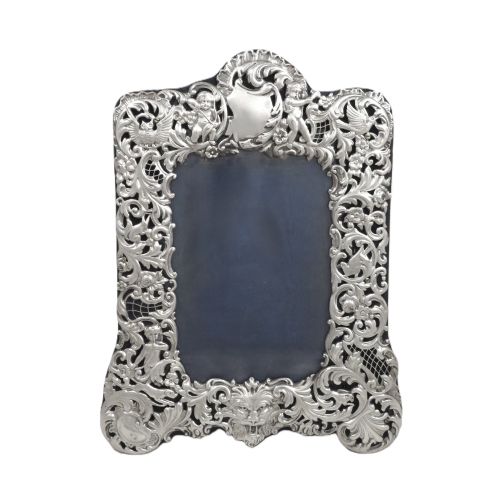
Wood frames, frequently fashioned from maple, ebonised timber, or gilt wood, enclose the artworks alongside glass protection. Makers utilised materials like gold leaf and deep mounts to enhance the visual depth of the framed scenes.
Listings feature paper, silk, and wood materials combined in watercolours, embroideries, and oil paintings from the nineteenth century.
Assessing Quality and Execution
The execution of plumage and proportion separates superior works from simpler decorative pieces, revealing the artist's mastery of line and colour. Skilled handling of watercolour washes or needlework tension brings vitality and realism to the avian subject.
The integrity and originality of the enclosing frame contribute significantly to the piece. Frames constructed from birds-eye maple, gilt wood, or ebonised timber that match the period of the artwork elevate the overall object.
George Sydney Shepherd·Oliver Clare·Edward Ladell·Samuel Dixon·William Bazeley And Sons·George Rankin·Ralston Gudgeon·Charles F Tunnicliffe·Harry Bright·George Edwards
The Framed Bird Picture Glossary
- Watercolour
- A painting method where fine pigment is suspended in water-soluble binder. This technique allows for translucent washes that capture the subtle tones of bird plumage.
- Bodycolour
- An opaque water-based paint often combined with watercolour. Artists utilised this medium to add highlights and solid areas of colour to bird studies.
- Plushwork
- A textile technique utilising raised, cut-pile embroidery threads to create a tactile surface. It appears on Victorian depictions of birds like pheasants to simulate feathers.
- Lithograph
- A printmaking process based on the repulsion of oil and water on a limestone plate. This method enabled the mass production of coloured bird illustrations.
- Gilt Wood
- Wood treated with a thin layer of gold leaf or metallic powder. These reflective frames frequently surround nineteenth-century paintings and embroideries.
Framed Bird Picture: Frequently Asked Questions
What periods do these pictures come from?
These artworks predominantly date from the nineteenth century, encompassing Georgian, Regency, and Victorian periods. Later examples extend into the Edwardian era and mid-century.
Materials and framing styles typically align with these specific decades, offering clear indicators of their original production period.
How were bird embroideries displayed?
Needlework pictures of birds were traditionally mounted behind glass within wooden or gilt frames to protect the delicate silk and wool threads from dust and light.
These textile pieces often served as parlour decorations, reflecting domestic interests in natural history and handicraft during the Victorian era.
What is a reverse glass picture?
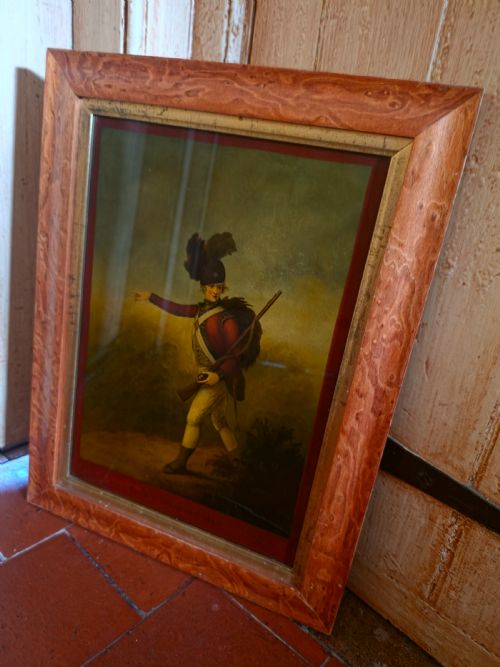
A reverse glass picture involves painting or printing an image directly onto the rear surface of a glass panel. When viewed from the front, the glass provides a glossy protective layer over the pigment.
This technique produced durable wall art with a distinct luminous quality popular in earlier centuries.
How do I identify a maple frame?
Maple frames display distinct natural grain patterns, often featuring bird's-eye figures or warm amber tones. These frames were frequently used in the nineteenth century for watercolours and prints.
The polished wood surface provides a contrasting border that complements the colours within the artwork.