
Wood Dressing Table Mirror
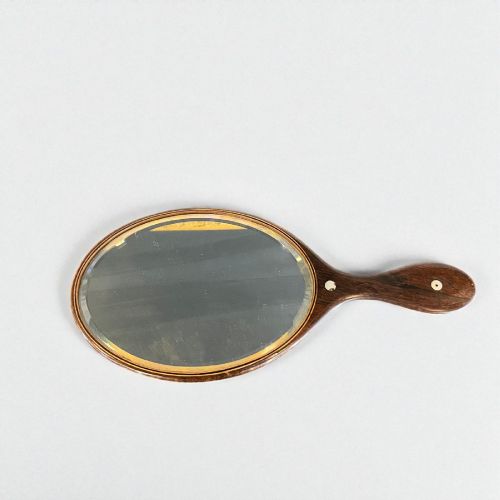
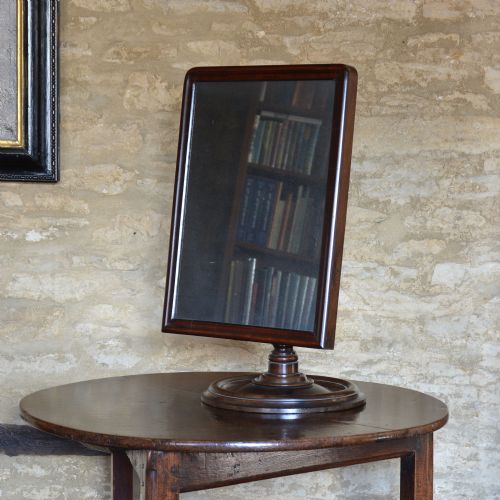
A wood dressing table mirror sits on a chest or desk to tilt reflection, offering a traditional tabletop glass for daily grooming.
Wood Dressing Table Mirror
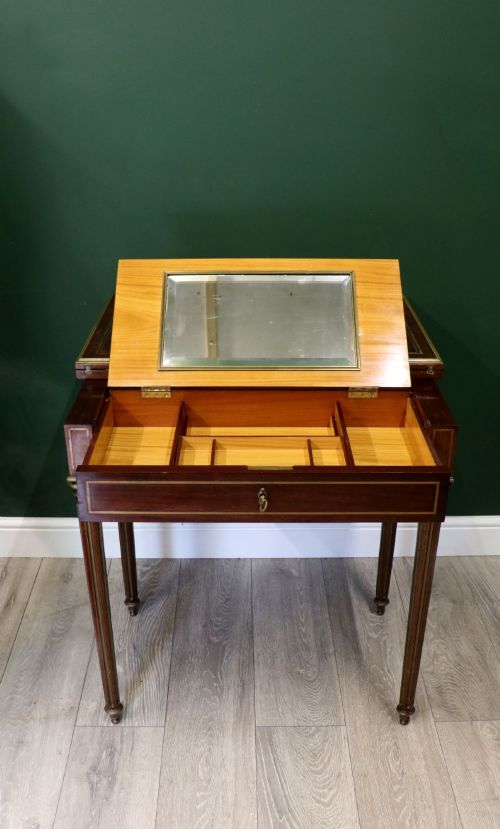
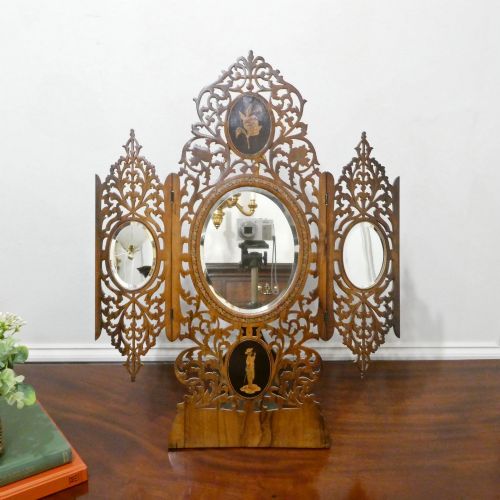
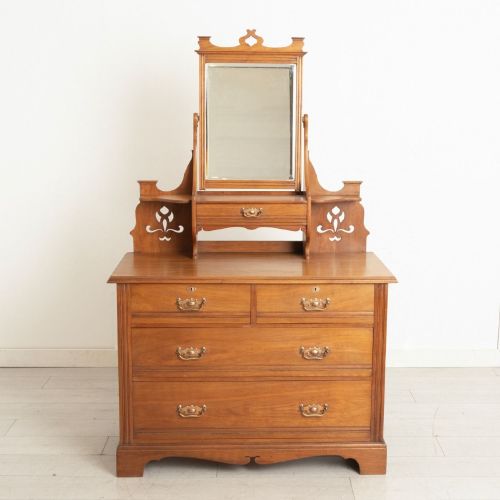
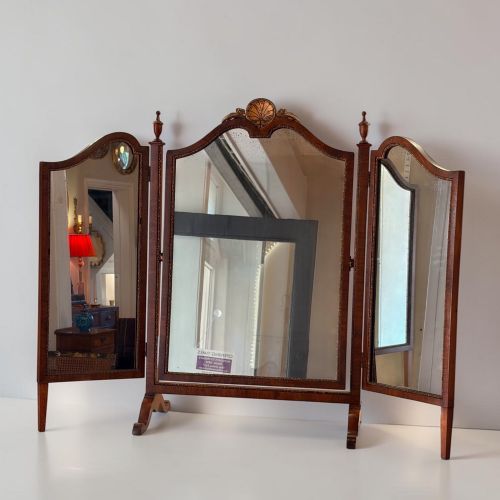
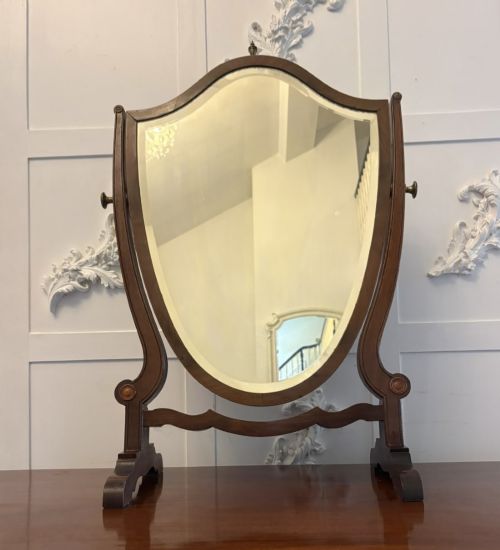
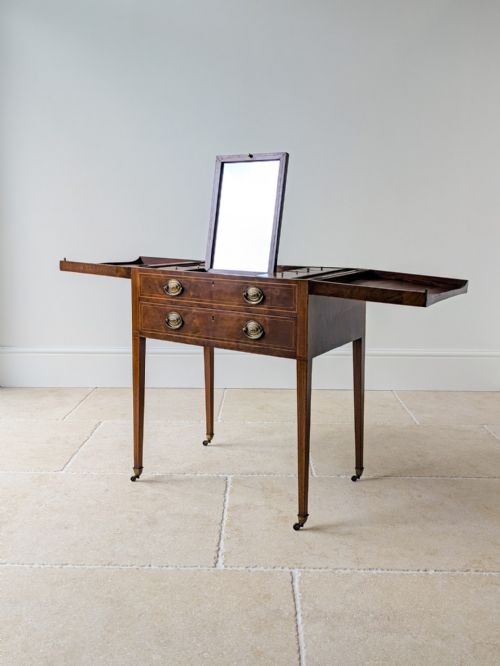
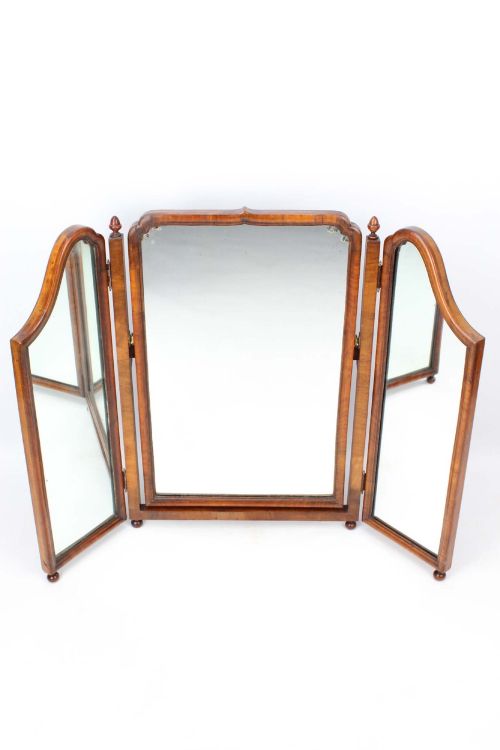
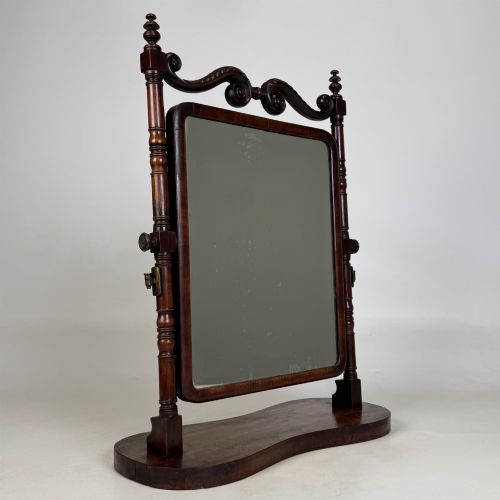
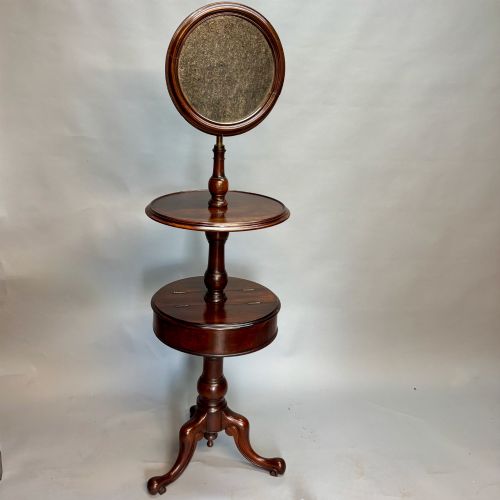
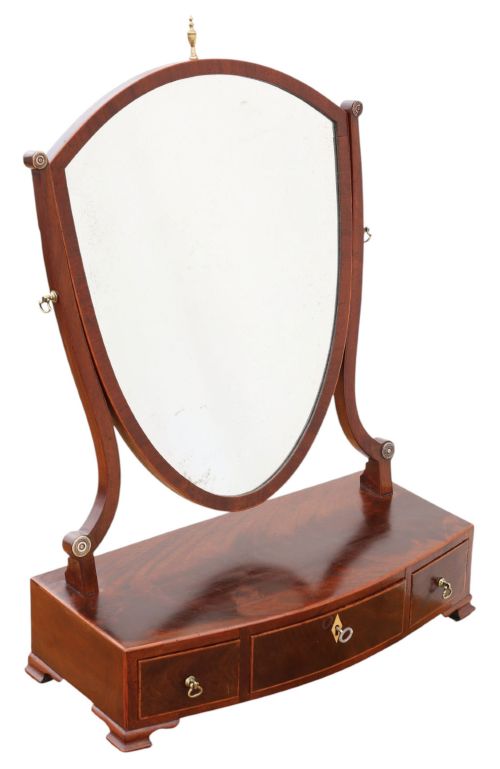
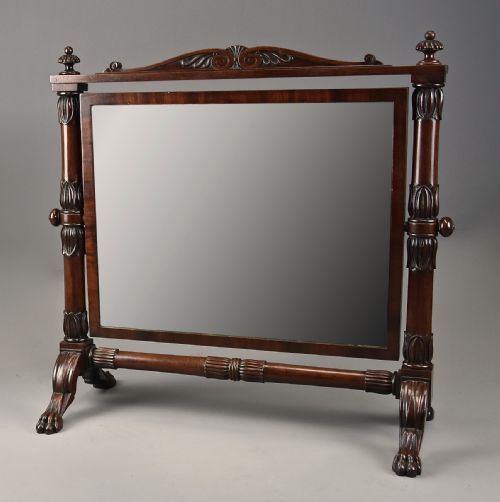
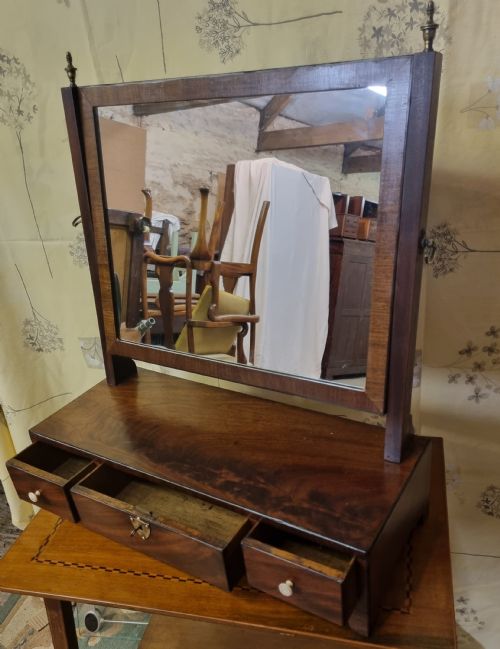
A wood dressing table mirror typically takes the form of a swing frame, toilet glass or cheval plate mounted on upright arms above a small base or box of drawers.
The selections span Georgian, Victorian, Regency and Edwardian eras, with mahogany frames appearing most frequently alongside walnut, oak and satinwood variants.
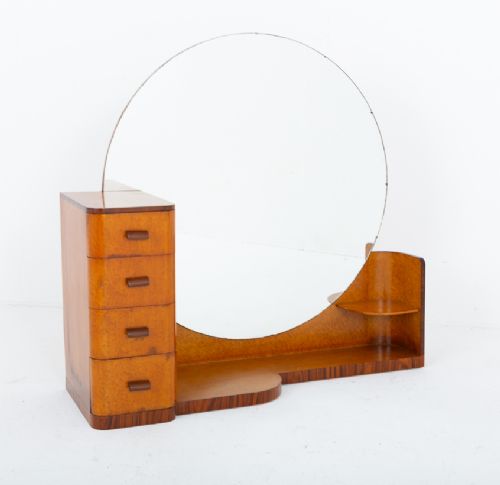
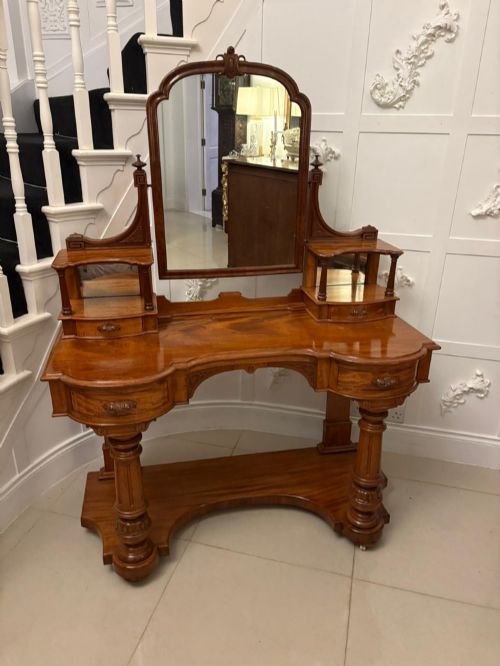
Many sit upon miniature drawer bases designed for keeping trinkets, while others form part of larger dressing chests or vanity suites.
Quality differences
The standard of timber selection largely dictates grade, with figured Cuban mahogany or burr walnut marking the higher tiers.
Joinery detail separates standard production from finer cabinet work, seen in dovetailed drawer construction and crisply cut mouldings rather than simple pinned joints.
The retention of original mirror glass, mercury silvering and matching brass hardware preserves the integrity of the piece.
Several examples include hidden compartments behind the small drawers, designed long ago for secret love letters or precious trinkets.
Heal And Sons·Waring And Gillows·Maple And Co
The Wood Dressing Table Mirror Glossary
- Swing mirror
- A glass plate hung within a moveable frame that pivots between two upright arms. This allows the user to adjust the angle of reflection.
- Toilet mirror
- A compact table mirror often fitted with small drawers beneath the frame. These stood upon dressing tables or chests in bedrooms.
- Cheval mirror
- A full-length freestanding floor mirror mounted in a sturdy frame. They permit a view of the entire outfit.
- Crossbanding
- A narrow strip of veneer laid across the grain of the primary surface. It provides a decorative border around drawer fronts or frame edges.
- Boxwood stringing
- Thin inlaid lines of pale wood set into contrasting darker timber. This technique defines panel outlines and geometric borders.
Wood Dressing Table Mirror: Frequently Asked Questions
What is a wood dressing table mirror used for?
These pieces provide a surface reflection for personal grooming and styling. They sit upon a table or chest to give an adjustable view.
Historically, they occupied bedrooms and dressing rooms as functional items of furniture. Today they continue to serve daily grooming needs while adding traditional character to a room.
How do I date a wooden mirror?
Dating relies on timber choices, construction methods and stylistic cues. Georgian examples often feature slender proportions and mahogany framing, while Victorian pieces tend to be heavier with darker finishes.
Examine the drawer joints and backboards for clues about age. Hand-cut dovetails and older secondary woods typically point to earlier periods of manufacture.
Are original mirror plates common?
Original glass plates do survive, though many mirrors have received replacement glass over the decades. Old glass often shows slight foxing or minor imperfections in the reflection.
Replacement glass is a standard maintenance update that does not diminish everyday utility. Collectors nevertheless value the undisturbed character of an original mercury-backed plate.
How do I style a table mirror at home?
Position the piece securely on a stable chest of drawers, sideboard or dressing table surface. Ensure the adjusting screws are tightened gently to hold the desired tilt.
Pair the frame with complementary wood tones or use it to reflect natural light across a room. The compact footprint makes it adaptable for bedrooms, hallways and living spaces.