

Oval Mirror Dressing Table
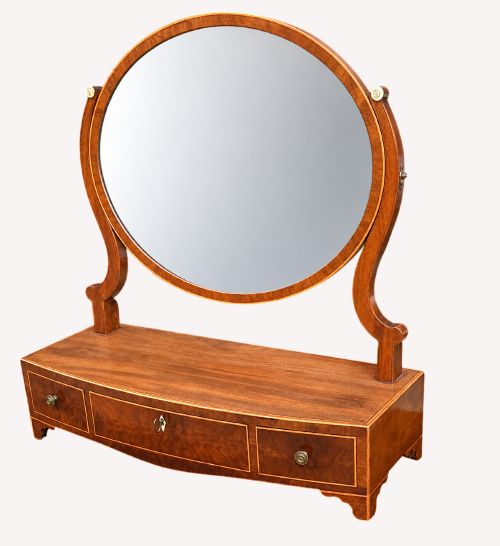
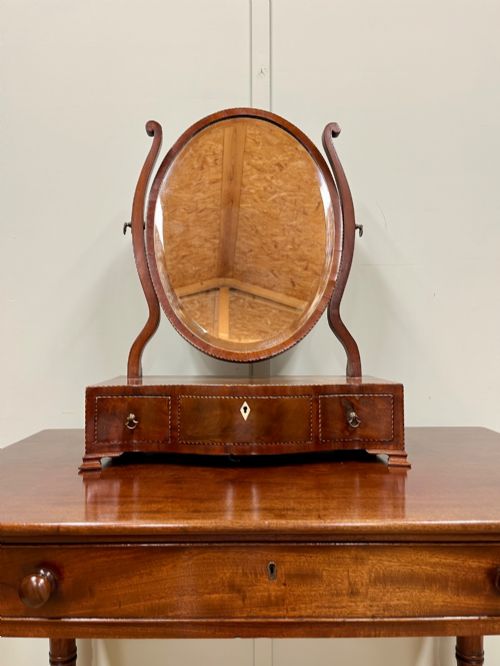
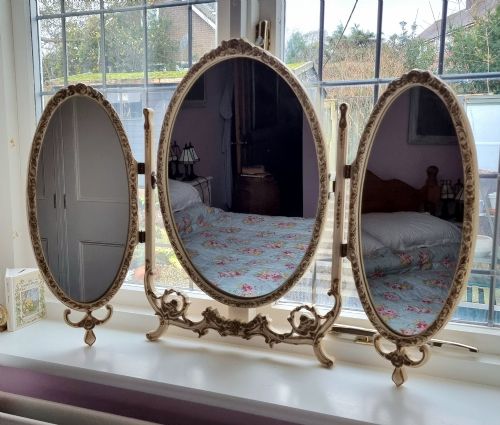
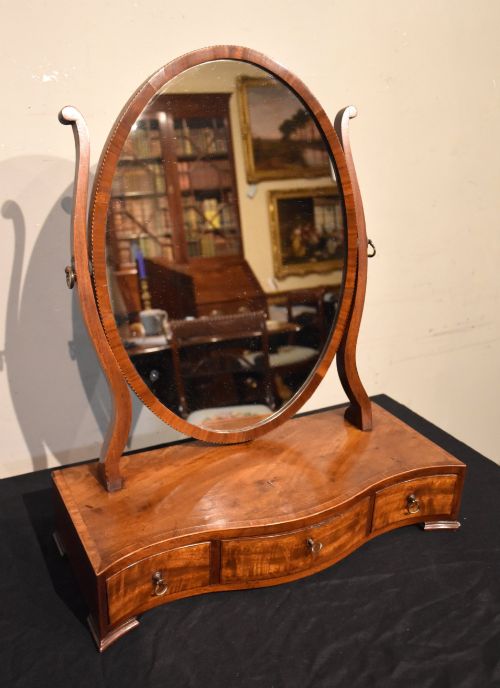
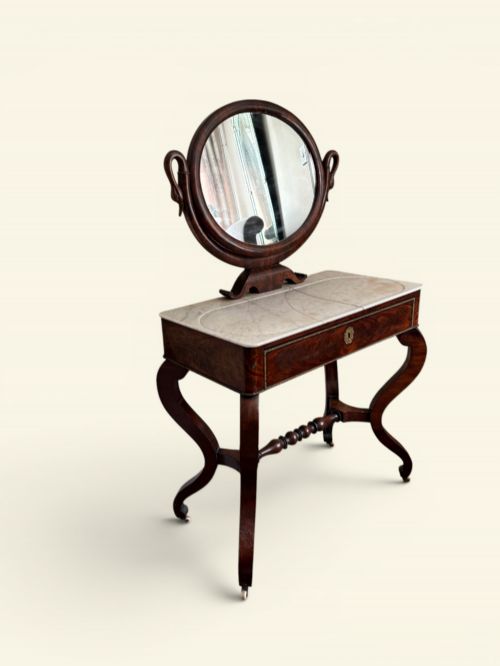
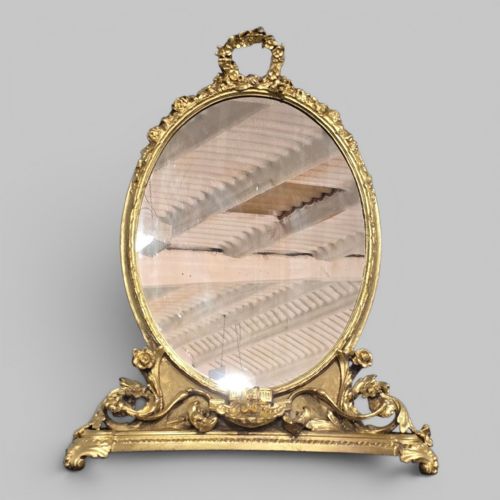
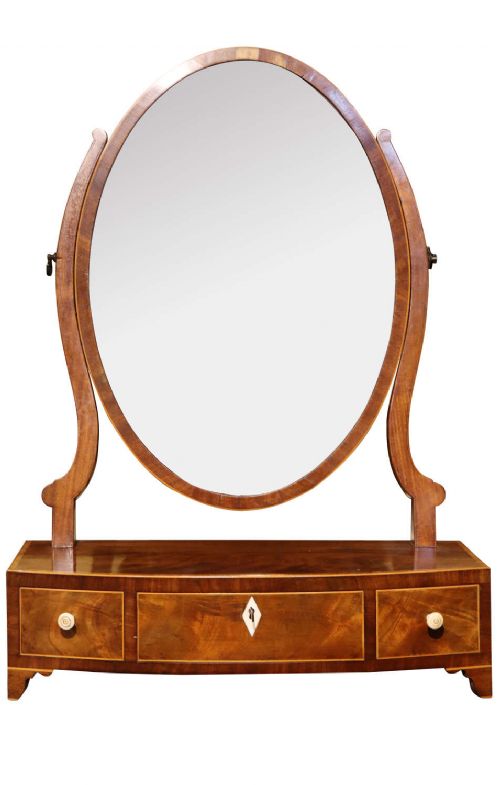
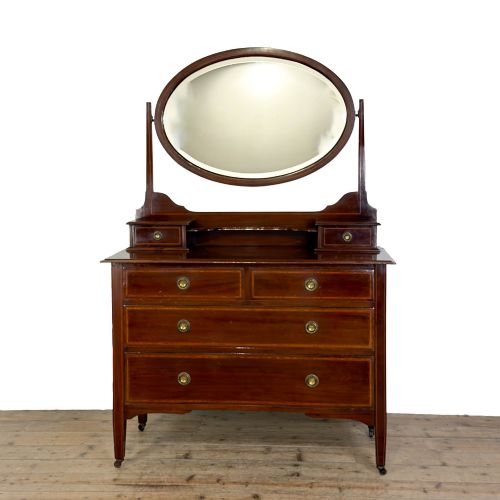
These oval mirror dressing table pieces combine practical bedroom furniture with pivoting glass, offering the exact forms found in Edwardian and Arts and Crafts interiors.
What these pieces are
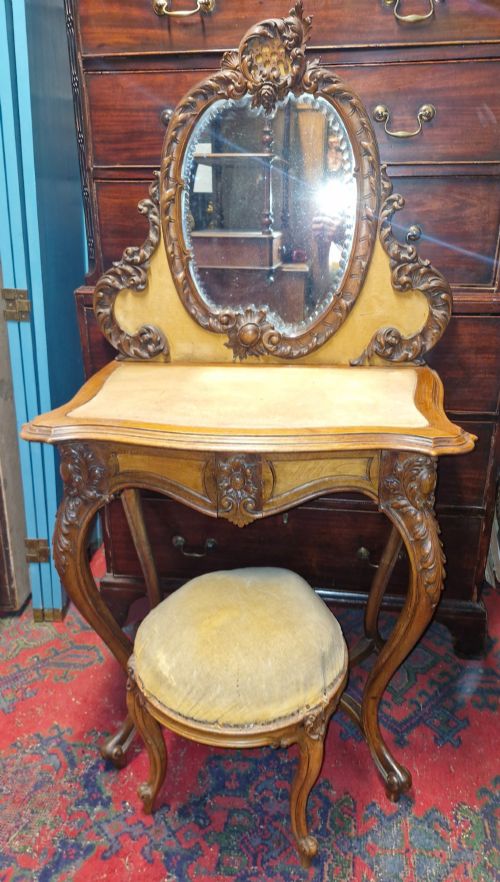
An oval mirror dressing table brings together functional bedroom furniture and adjustable pivoting glass, appearing frequently in Edwardian formats alongside bedroom suites. These pieces accommodate daily grooming routines through integrated drawers and surfaces designed to hold personal items.
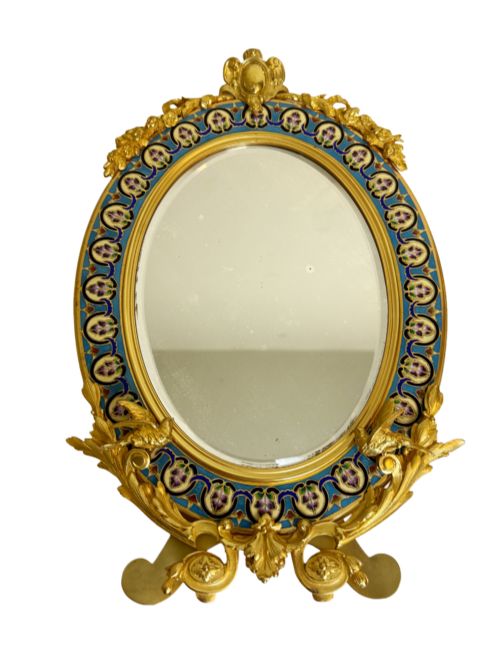
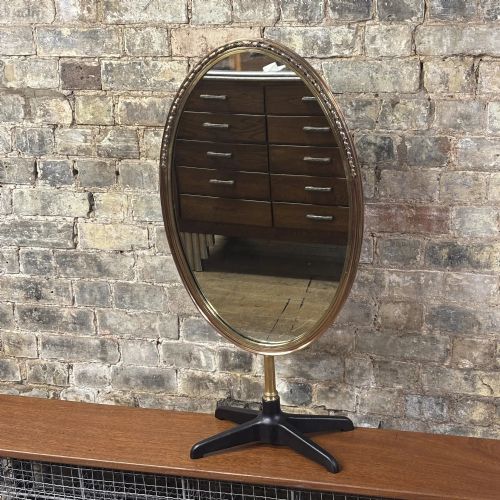
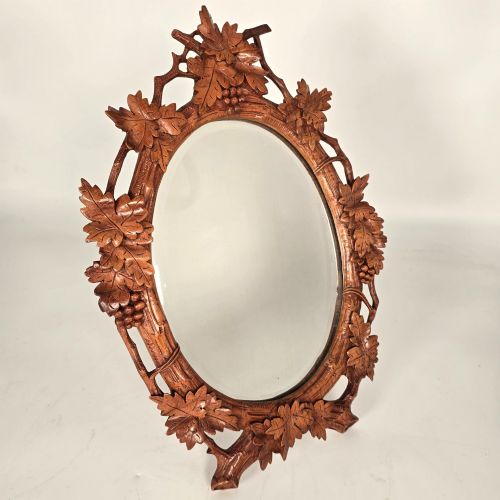
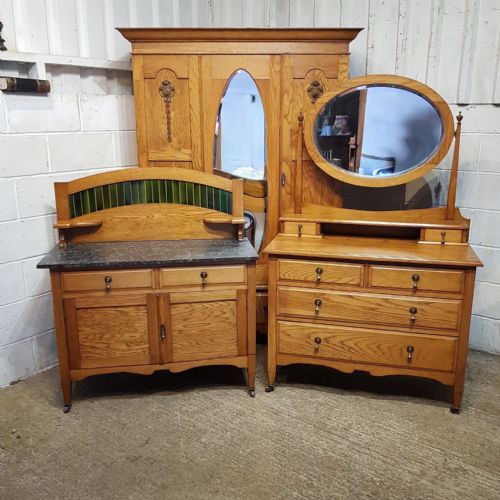
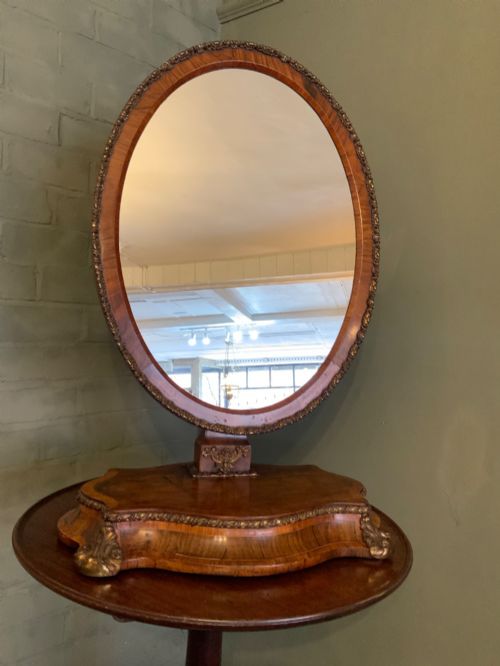
The evidence shows forms ranging from standalone dressing table mirrors to complete oak bedroom suites and decorative French pieces dated around eighteen ninety. Buyers encounter mahogany and oak constructions most often, reflecting the dominant timber choices of the late nineteenth and early twentieth centuries.
How they were made
Cabinet makers utilised solid woods such as mahogany and oak, frequently incorporating brass fittings for mirror pivots and drawer pulls. Glass forms the central pivoting element, supported by upright framing arms attached to the main table structure.
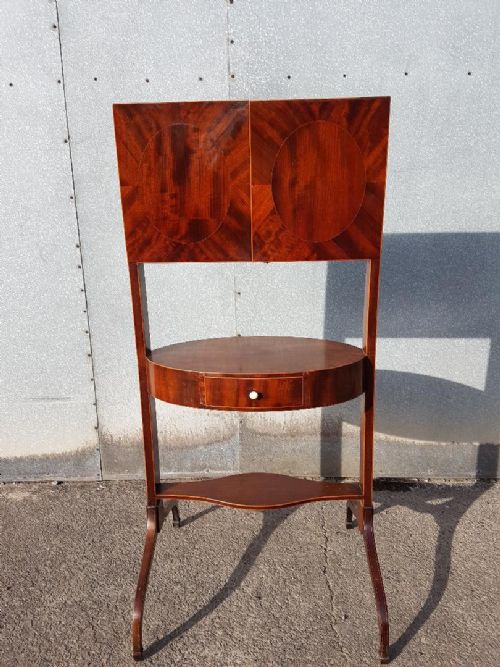
Surfaces often feature inlaid details, polished finishes, or painted and parcel gilt treatments on late nineteenth century examples. Cane panels and marble tops occasionally appear within broader bedroom furniture suites from the Edwardian period.
Retail Price Guide 2026
Typical UK retail prices for oval mirror dressing table, calculated from the Sellingantiques database of over a million retail prices indexed since 2003. This retail price guide relies exclusively on Sellingantiques data; no external sources or auction records are used, so the figures do not describe the wider market.
Skeleton frames offer a wonderfully minimalist view, proving that even Victorian dressing glass appreciated a breath of fresh air.
What varies in quality
Quality rests in the selection of timber grain, the precision of inlay work, and the stability of the mirror frame joints. Superior examples demonstrate careful balancing of the pivoting oval glass so the mirror holds its angle without slipping.
The integration of brass hardware and the crispness of carved or turned supports separate standard production items from finer decorative pieces. Complete bedroom suites show consistency in timber selection and hardware across every component.
The Oval Mirror Dressing Table Glossary
- Edwardian
- Dating from the reign of King Edward VII, this period produced lighter furniture designs often utilising oak and mahogany.
- Arts and Crafts
- A design movement prioritising honest construction and visible craftsmanship, frequently seen in oak bedroom suites.
- Cheval mirror
- A full length or large dressing glass mounted on a freestanding frame that allows the entire mirror to swing.
- Duchess dressing table
- A large nineteenth century dressing table style featuring a large central oval mirror supported by smaller drawers.
- Serpentine
- A furniture front configuration featuring a gentle convex centre flanked by concave curves.
Frequently Asked Questions
How do I date an oval mirror dressing table?
Dating relies on timber choices, construction methods, and stylistic markers such as Edwardian proportions or Arts and Crafts framing.
Examining drawer dovetails and brass hardware provides further clues to the period of manufacture.
Are the mirrors adjustable?
Most pieces feature pivoting brass screws or side pins that allow the oval glass to tilt to different angles.
This mechanism was standard for directing light during daily grooming.
What woods were used?
Mahogany and oak appear most frequently across these listings, alongside occasional satinwood and walnut.
Secondary woods and applied veneers were also utilised depending on the workshop and period.
Do these pieces come as sets?
Some examples form part of larger bedroom furniture suites that include matching wardrobes and washstands.
Others exist as standalone dressing tables or tabletop swing mirrors.