
Wind Up Timepiece
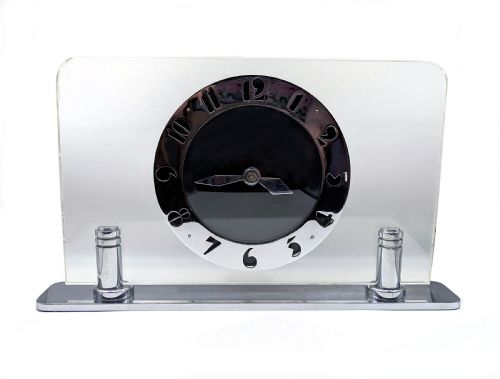
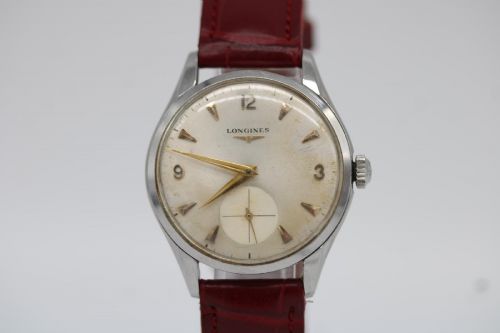
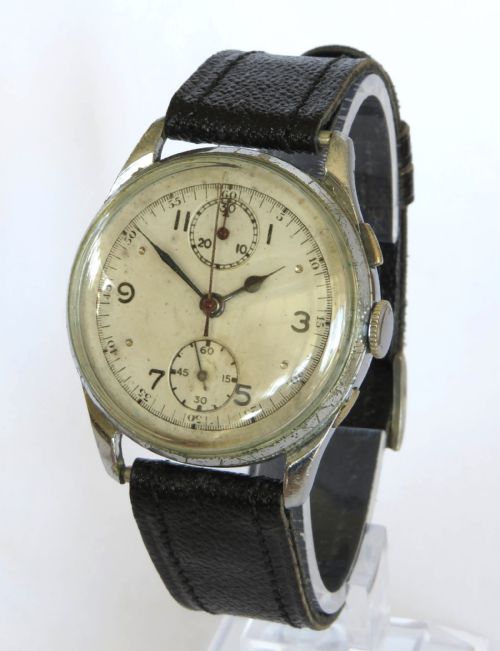
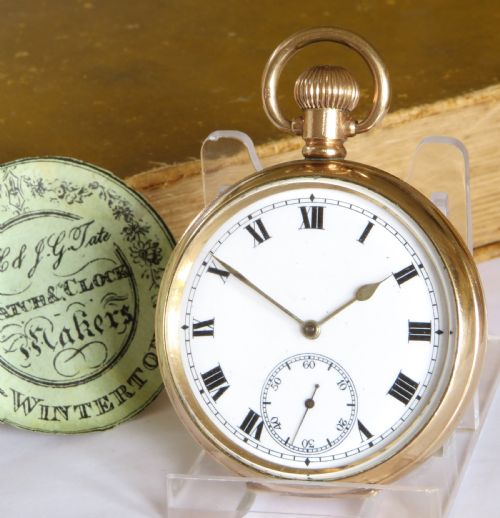
These wind up timepiece examples span pocket watches, wristwatches, and mantel clocks driven by mainsprings across Victorian, Edwardian, Art Deco, and Mid-Century periods.
Wind Up Timepiece
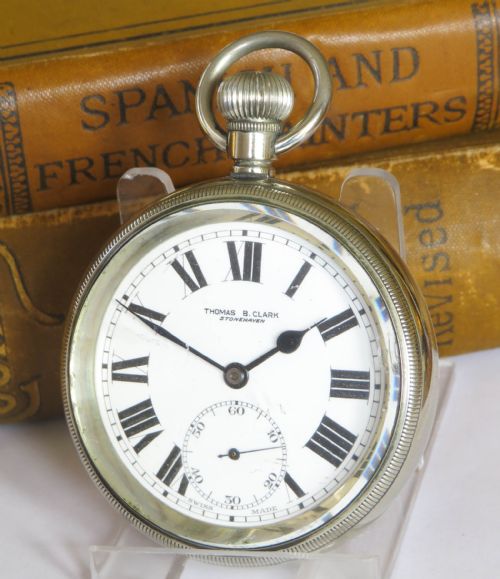
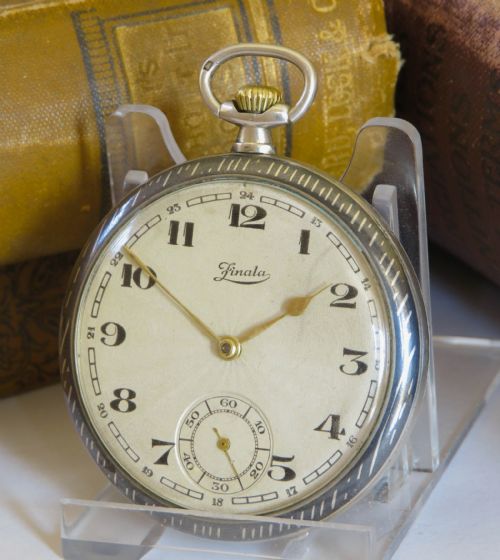
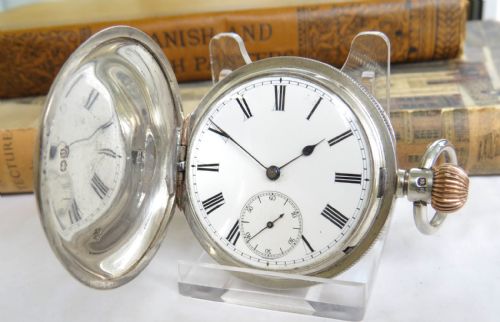
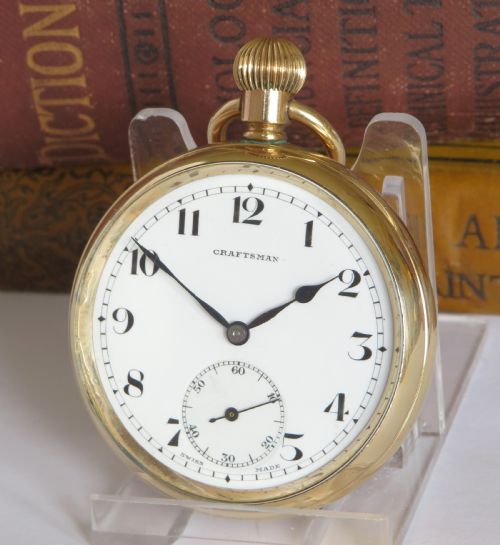
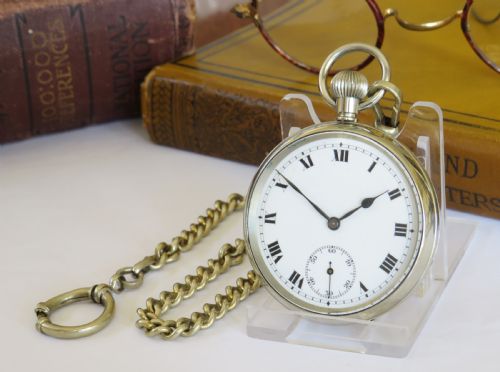
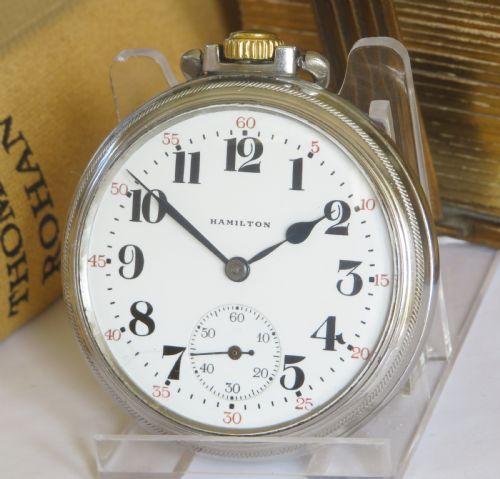
A wind up timepiece encompasses portable pocket watches, wristwatches, and stationary mantel or table clocks driven by mechanical movements. When you search for a wind up timepiece, you encounter mechanical objects powered by a mainspring that require manual winding to function.
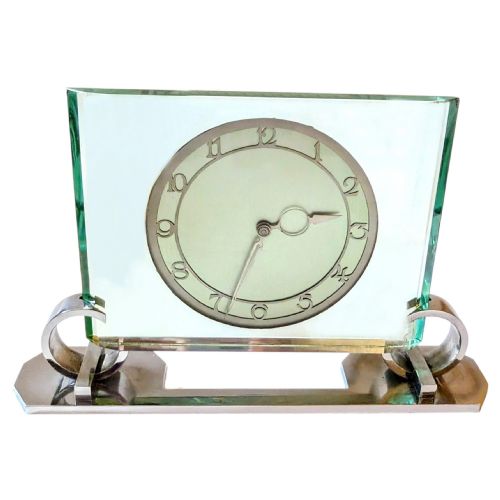
The selections here range from Late Victorian carriage clocks and early pocket watches to Art Deco mantel clocks and mid-century wristwatches. Pocket watches dominate the current selection, alongside structural brass carriage clocks and alarm clocks.
Origins stretch across British, Swiss, and French workshops, utilising styles such as Art Deco, Edwardian, and Mid-Century Modern. Each piece represents a period when mechanical timekeeping dominated daily life.
Materials and construction methods
Metal construction forms the backbone of these pieces, utilising brass, steel, chrome, gold plate, and silver cases. Glass protects dial faces on both pocket watches and heavy carriage clocks.
Enamel dials feature heavily on pocket watches and clocks, providing a smooth white or coloured surface for painted numerals. Niello and delicate surface treatments appear on specific watch casings from the early twentieth century.
Movements rely on intricate gear trains, balance wheels, and mainsprings assembled by hand within metal housings. Cases range from simple steel wristwatch bodies to heavy glass and brass carriage clock frames.
Some heavy pocket watches carried the grand title of goliath, requiring oversized leather travel cases to sit upon a bedside table.
Judging the range of quality
Quality separates standard mass-produced timepieces from fine chronographs and specialised 8-day movements. The complexity of the internal mechanism, such as repeater functions, moon phases, or alarm complications, dictates the grade of the piece.
Materials and casing finish separate everyday items from luxury examples. Solid gold cases, heavy silver hallmarks, or intricate niello work denote higher initial manufacture than standard chrome-plated brass.
The crispness of dial printing, the preservation of enamel faces without hairline cracks, and the weight of brass carriage frames indicate superior workshop standards.
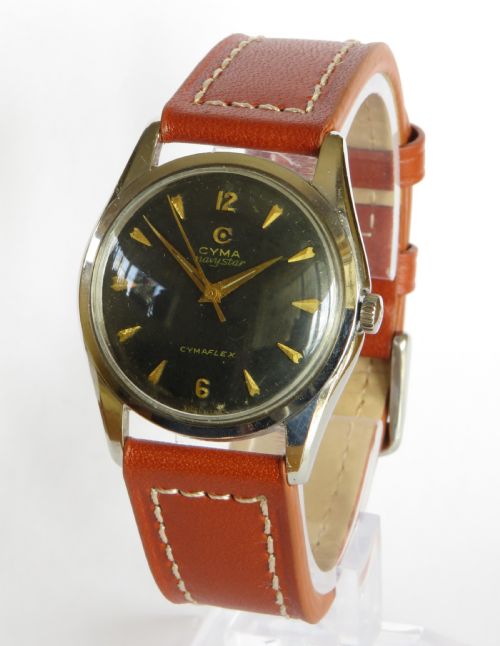
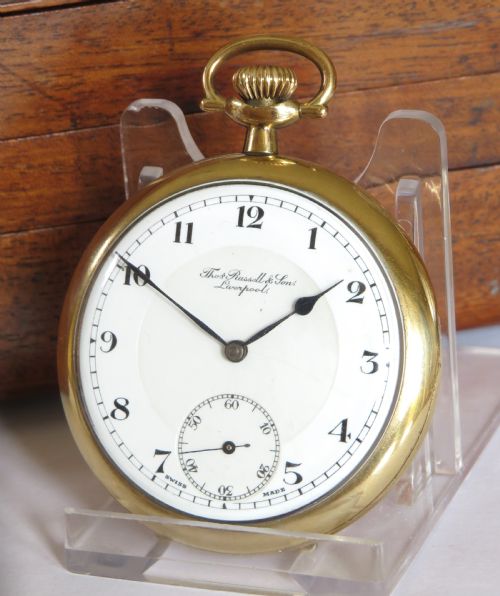
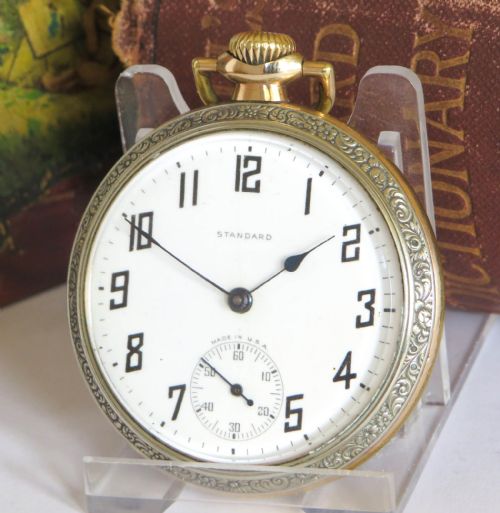
Cyma Navystar·Thomas Russell and Son·New York Standard·Octava·Revue·Silvana·Longines·Craftsman·Smiths Clockmakers·Hamilton·Venus·Zenith·Elgin·Havila·Lanco·Waltham·Doxa·Helvetia·Langendorf·Phoenix·Eastern Watch Case Co·Baume and Co·Omega·Alliance Lever·L Epee
The Wind Up Timepiece Glossary
- Mainspring
- The coiled spring inside a mechanical timepiece that stores potential energy to power the movement when wound. As the spring unwinds, it drives the gear train that moves the hands.
- Full hunter
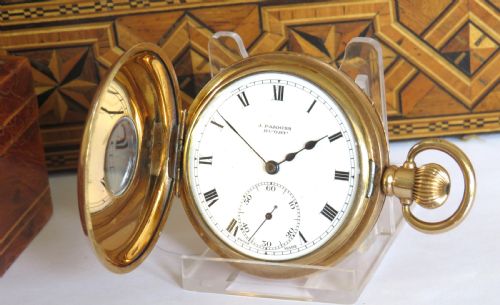
- A pocket watch style featuring a metal cover hinged over the dial for protection. Opening the cover via a spring-loaded button reveals the face.
- Half hunter
- A pocket watch case featuring a small glass or open circle in the outer cover allowing the hands to be read without opening the case. This design protects the delicate enamel dial beneath.
- Carriage clock
- A small, portable spring-driven clock designed for travel during the nineteenth century. These clocks typically feature a rectangular brass and glass case with a folding handle on top.
- Niello
- A black metallic alloy used as an inlay on engraved metal surfaces. This technique creates dark decorative contrasts against silver or steel watch cases.
Wind Up Timepiece: Frequently Asked Questions
How do I wind a mechanical pocket watch?
Wind the crown at the top of the pocket watch gently between your thumb and forefinger until you feel resistance. Stop winding immediately when resistance increases to avoid snapping the internal mainspring.
Most vintage pocket watches require winding once every twenty-four hours, though specific 8-day models need attention much less frequently.
What is the difference between a hunter and an open face watch?
An open face pocket watch displays the dial and crystal directly without any protective metal cover in front. A hunter pocket watch includes a hinged metal lid that shields the glass face from scratches.
Watchmakers added hunter lids to pocket watches worn in rugged conditions, while open face versions suited waistcoat pockets where quick viewing mattered.
How do carriage clocks work?
Carriage clocks operate on a spring-driven movement regulated by a platform escapement rather than a pendulum. This portable mechanism allows the clock to keep accurate time while moving.
Travellers placed these heavy brass and glass clocks in carriages, winding them through the dial or back plate using a dedicated key.
How can I tell the period of a timepiece?
Examine the styling of the numerals, hands, and case ornamentation against known design eras like Edwardian, Art Deco, or Mid-Century. Art Deco pieces display geometric symmetry, whereas Victorian items feature ornate engraving.
Maker signatures, serial numbers, and hallmarks stamped inside the case or movement plates provide further clues to the exact manufacturing decade.
Can I wear a vintage wristwatch daily?
Vintage mechanical wristwatches require careful handling because older movements lack modern shock resistance and water protection. Daily wear is possible if you avoid moisture, magnetic fields, and heavy impacts.
Regular servicing by a professional horologist keeps the internal gears lubricated and ensures reliable timekeeping for regular use.