
Edwardian Gold Watch
An edwardian gold watch combines precise early twentieth-century timekeeping with the enduring warmth of yellow and rose precious metals.
Edwardian Gold Watch
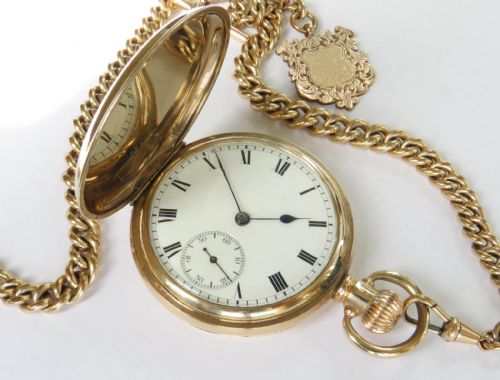
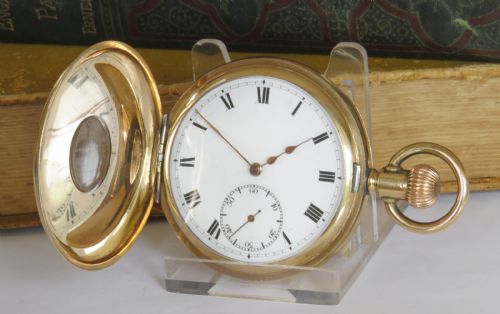
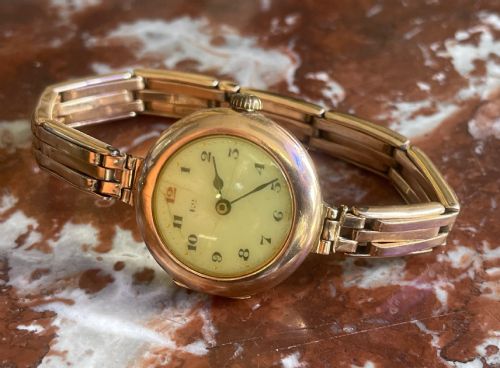
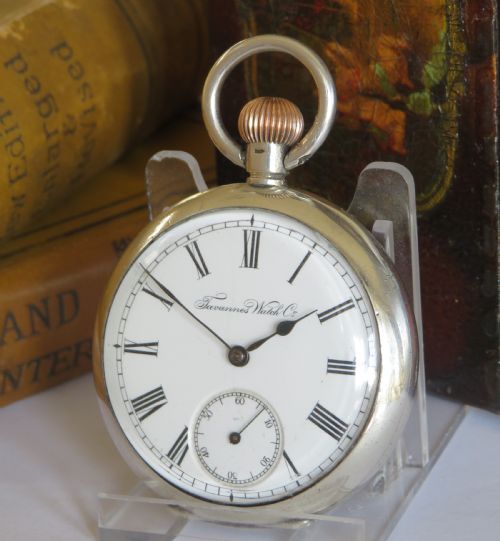
The pieces on this page originate predominantly from the Edwardian period and the surrounding decades of the late nineteenth and early twentieth centuries. Buyers encounter solid nine-carat and eighteen-carat yellow and rose gold cases alongside gold-plated variants.
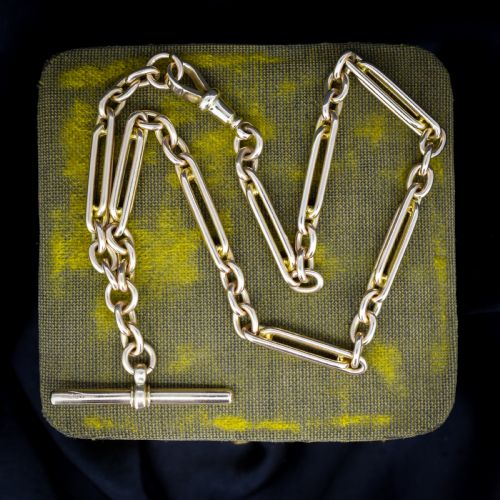
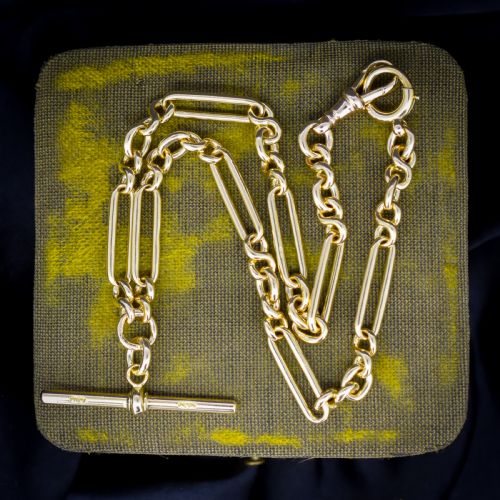
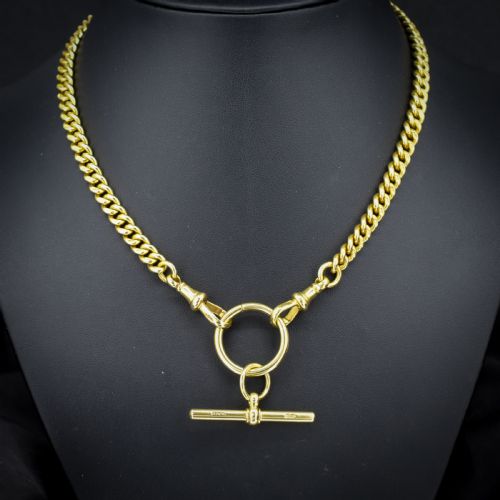
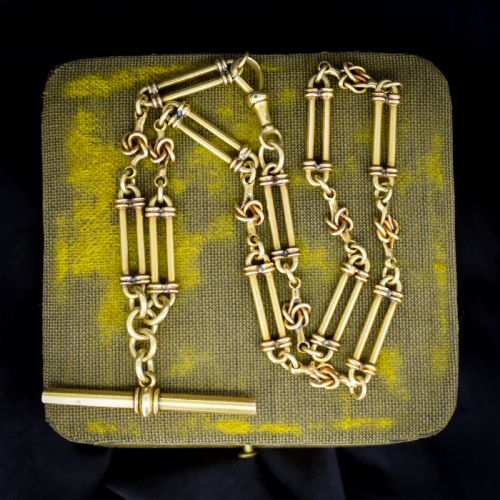
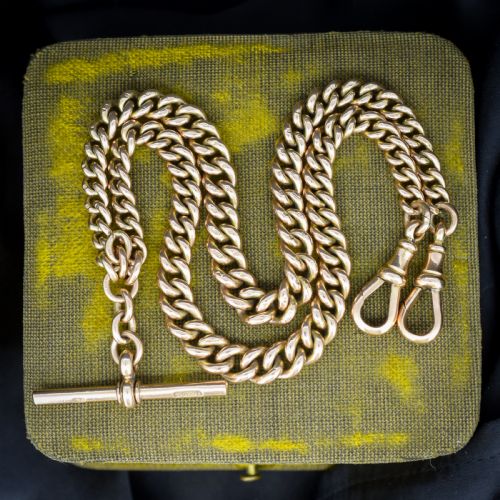
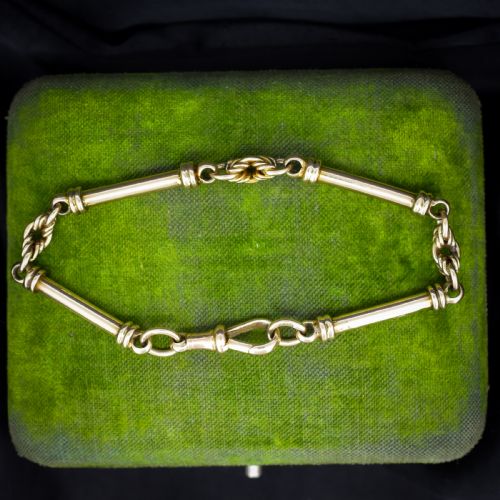
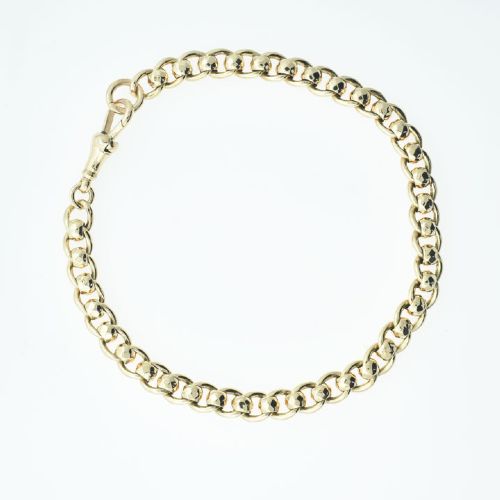
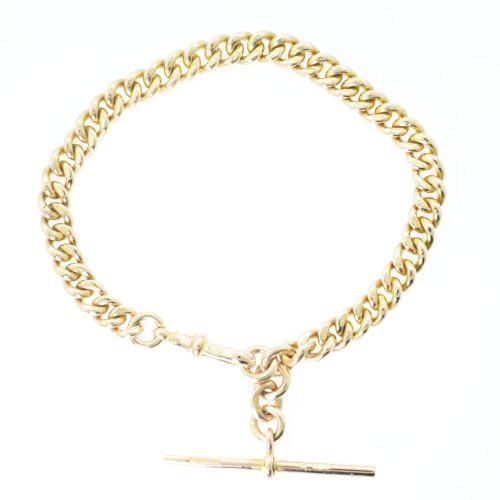
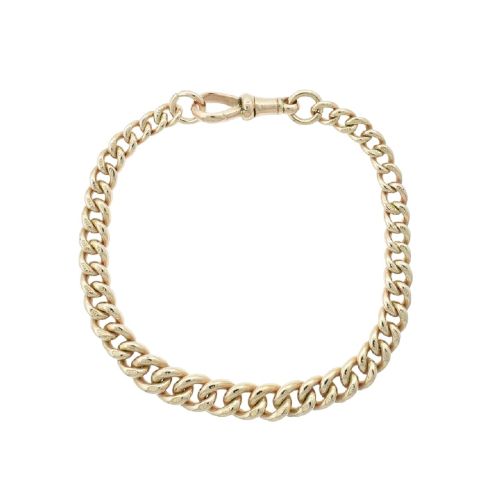
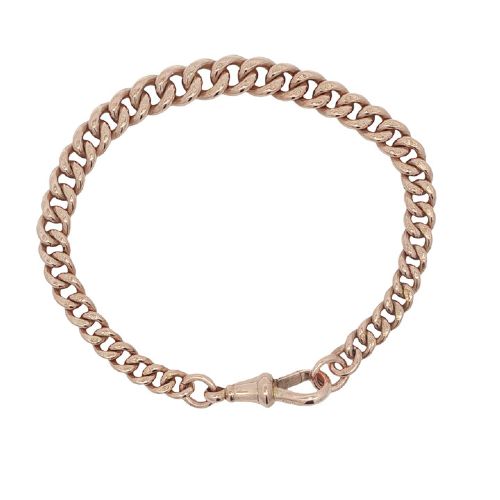
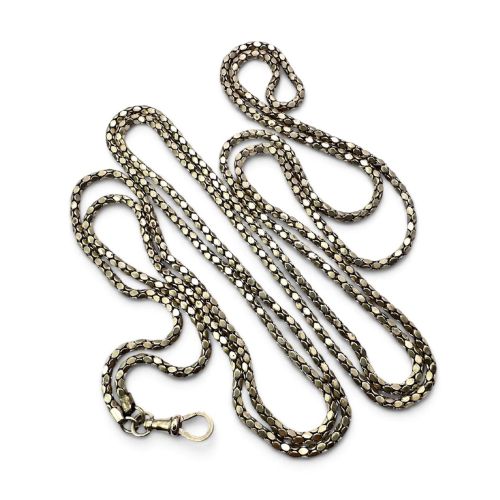
Pocket watches and wristwatches from this era reflect the transition from pocket-carried timepieces to wrist-worn designs. Associated chains feature distinct link formations such as curb, trombone, and love knot patterns designed to secure the timepiece.
How They Were Made
Watchmakers utilised solid nine-carat gold, eighteen-carat gold, and gold plate for cases and chains, often incorporating enamel details and glass crystals over white enamel dials. Goldsmiths constructed links by hand or through early industrial stamping, assembling curb, oval, and trombone patterns with dog clips and T-bars.
Movements inside these timepieces relied on mechanical gear trains driven by mainsprings, housed within dust-resistant inner and outer case covers. Engraving, hallmarking, and granulation added surface detail to watch fobs, rollerball bracelets, and chain links.
Edwardian Gold Watch Retail Price Guide 2026
Typical asking prices for edwardian gold watch among the pieces listed under this phrase on Sellingantiques today, from the lower quarter to the upper quarter. They describe what is for sale here now, not the wider market.
Object types on this page include pocket watches, wristwatches, longuard chains, charm pendants, and graduated albert bracelets.
What Varies in Quality
The distinction between tiers rests upon the purity of the metal, ranging from heavy solid eighteen-carat gold down to gold plate over base metals. Hallmarks stamped on individual links or case interiors provide definitive evidence of origin and metal standard.
Mechanical complexity and maker reputation influence the standing of a timepiece, with recognised names and jewellers commanding attention. The crispness of chased decoration, the integrity of enamel dials, and the original matching of chains to fobs determine the completeness of a piece.
Waltham·Limit Revue·Rolex Wilsdorf and Davis·Tavannes·Elgin·Acme Lever·H Samuel·Urania·Dennison·J W Benson
The Edwardian Gold Watch Glossary
- Full hunter
- A pocket watch featuring a spring-loaded metal outer cover that protects the glass dial. Pressing the crown opens the lid to reveal the time.
- Half hunter
- A pocket watch with an outer cover containing a glass or open aperture in the centre, allowing the user to view the hands without opening the case.
- T-bar
- The crossbar component attached to the centre of an albert chain used to secure the chain through a garment buttonhole. It prevents the timepiece from slipping.
- Dog clip
- A spring-loaded swivel hook attached to watch chains and bracelets for securing fobs, charms, or pocket watches. This fastener allows quick attachment and removal.
- Fob
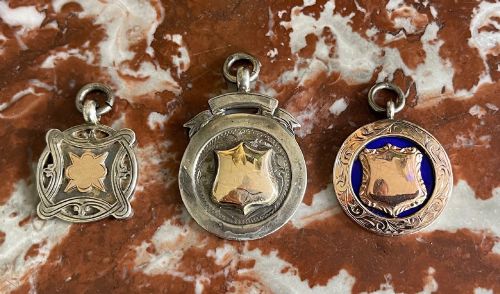
- An ornamental medallion, seal, or charm attached to a watch chain. Fobs often incorporate bloodstone, intaglios, or spinning panels.
Edwardian Gold Watch: Frequently Asked Questions
How do I wind an Edwardian pocket watch?
Winding requires turning the crown clockwise gently until resistance is felt, avoiding over-winding to protect the internal mainspring.
Most pieces from this era use a stem-wind mechanism accessed directly through the top pendant crown.
How were watch chains worn historically?
Gentlemen secured pocket watches by passing the T-bar through a waistcoat buttonhole, letting the draped chain sit across the front.
Shorter lengths and albertines were also adapted as bracelets, necklaces, or secured to pocket openings with decorative dog clips.
Are these gold watches still suitable for daily wear?
Mechanical timepieces from the early twentieth century require careful handling and regular servicing by a specialist horologist to maintain accuracy.
Owners often reserve them for occasional use to protect the delicate internal gears and antique gold cases from heavy wear.