




William IV Gilt Mirror
A william iv gilt mirror brings classical presence to a room, offering grand scale and warm metallic reflection.
William IV Gilt Mirror
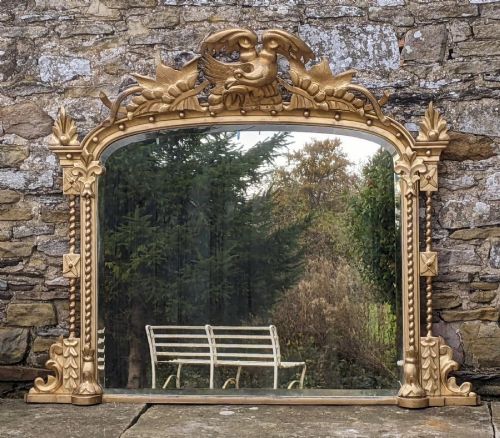
A william iv gilt mirror primarily takes the form of a large overmantel or pier mirror designed to anchor a principal reception room. These pieces reflect the robust classical tastes of the early nineteenth century, drawing on Regency and George IV design idioms.
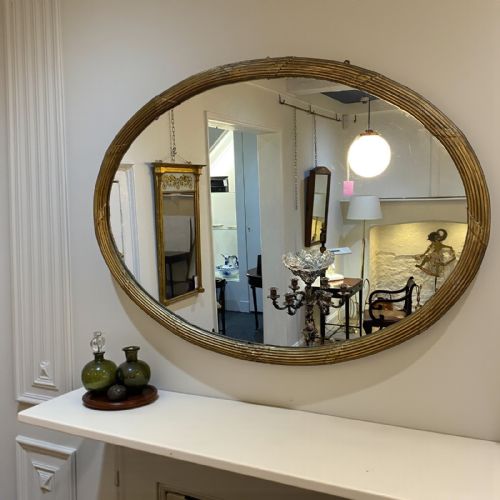
Overmantel mirrors dominate the available selection, often spanning several feet to sit comfortably above a fireplace mantelpiece. Pier mirrors and circular convex formats also appear, providing vertical presence between tall windows or striking focal points on blank walls.
How they were made
Makers built these frames using timber carcase foundations, predominantly giltwood, carved gesso, and rosewood, alongside secondary elements of birdseye maple veneer and brass. Water gilding or oil gilding applied a delicate layer of gold leaf over prepared gesso surfaces to achieve a luminous metallic finish.
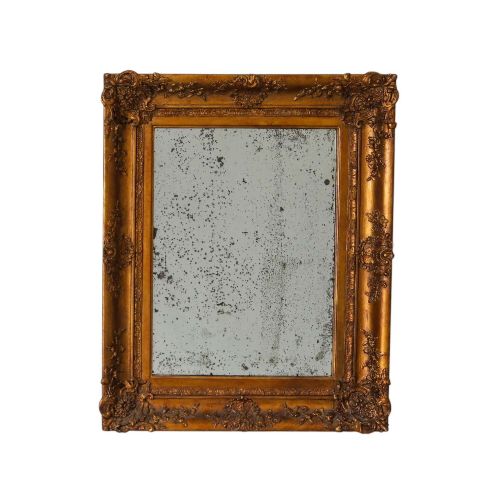
Mirror plates consisted of heavy glass, sometimes retaining original foxing or silvering degradation acquired over nearly two centuries of domestic habitation. Structural framing incorporated architectural mouldings, rope twists, and classical motifs suited to the period.
What varies in quality
The depth and crispness of the wood carving distinguish superior examples from simpler production, particularly where acanthus leaves, classical moulding, or figural ornaments meet the eye. Deep relief and sharp undercutting demonstrate the hand of a skilled artisan rather than routine workshop output.
The integrity of the original gilding and the condition of the glass plate heavily influence the character of the piece. Retaining untouched water gilding and period mirror plates with natural ageing preserves the authenticity that collectors seek.
Ciceri and Co·Sir Willian Trotter
The William IV Gilt Mirror Glossary
- Giltwood
- Timber carved and coated with gold leaf. This material defines the bright reflective frames characteristic of the nineteenth century.
- Gesso
- A plaster mixture applied to wood frames to create a smooth surface for gilding. Artisans carved intricate details directly into this hardened compound.
- Overmantel mirror
- A wide horizontal mirror designed to hang directly above a fireplace mantel. These large plates dominated nineteenth-century drawing rooms.
- Pier mirror
- A tall vertical mirror designed to hang on the narrow wall space between two windows. They maximised natural light in formal interiors.
- Convex mirror
- A circular mirror with an outward-curving glass plate that provides a wide-angle reflection of the room. Frames often incorporate eagle crests or ball garnitures.
William IV Gilt Mirror: Frequently Asked Questions
Where should I hang a william iv gilt mirror?
These mirrors suit principal living spaces, traditionally positioned above a fireplace mantel or between tall windows to amplify natural daylight.
Ensure the wall structure securely supports the substantial weight of these large wooden and glass frames.
How do I identify a william iv gilt mirror?
Look for robust classical proportions, bold architectural mouldings, and carved gesso details that bridge Regency and early Victorian aesthetics.
Materials commonly combine giltwood frames with heavy mirror glass and occasional rosewood or birdseye maple veneers.
Are the mirror plates original?
Many surviving examples retain their original glass plates, which often display characteristic foxing, dark spots, or minor silvering losses.
Original plates contribute historical depth, though replacement glass occasionally occurs during nineteenth or twentieth-century maintenance.
How do I clean the gilt frame?
Dust the carved surfaces gently with a soft dry brush to prevent damage to the delicate gold leaf application.
Avoid liquid cleaners or commercial polishes entirely, as moisture strips water gilding and ruins the historic finish.