
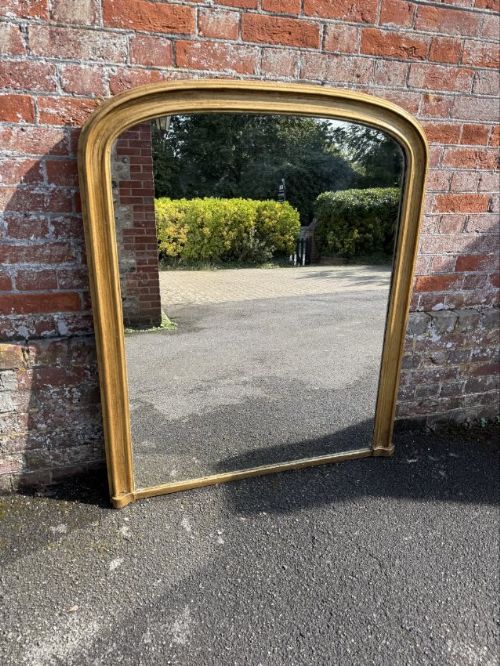
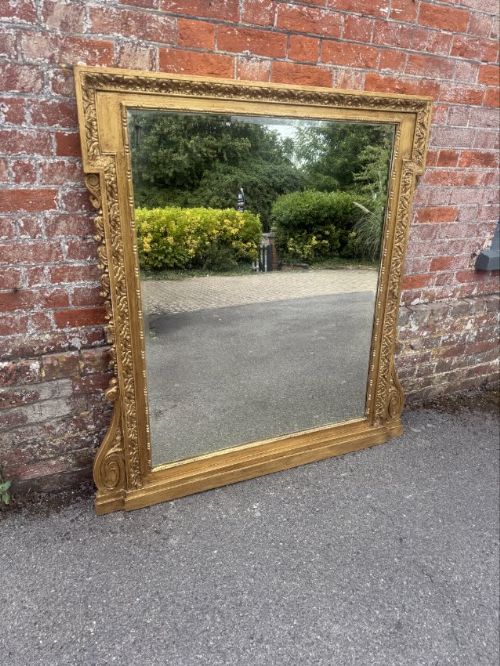
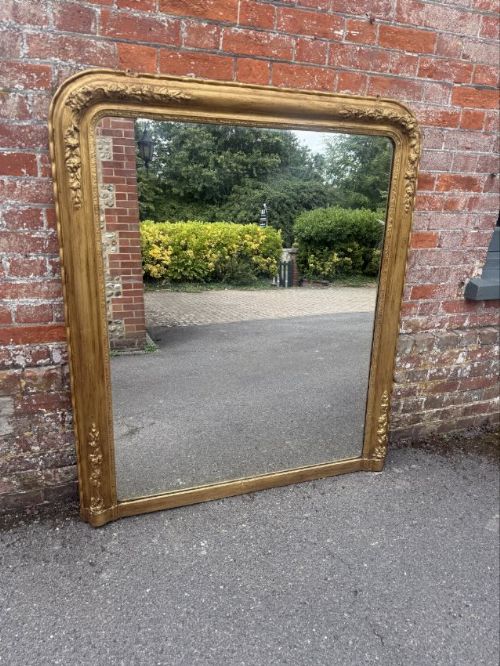
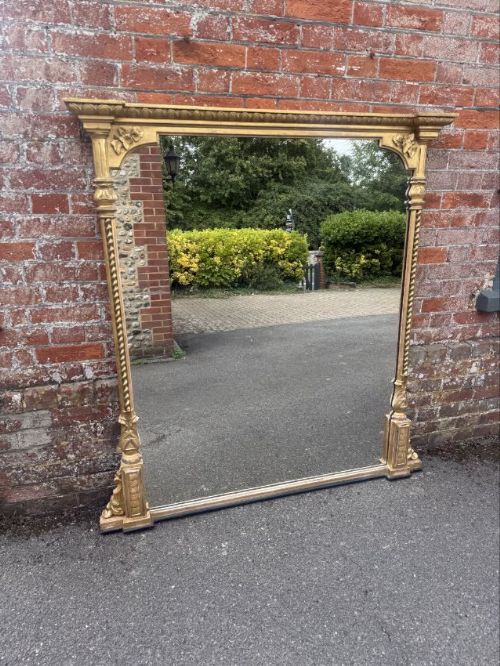


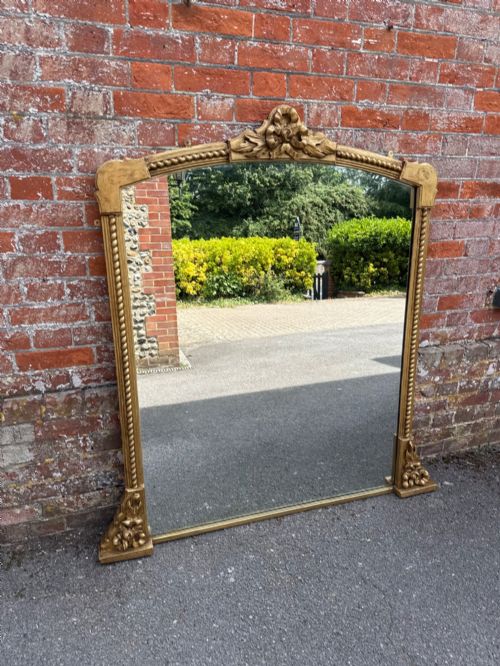
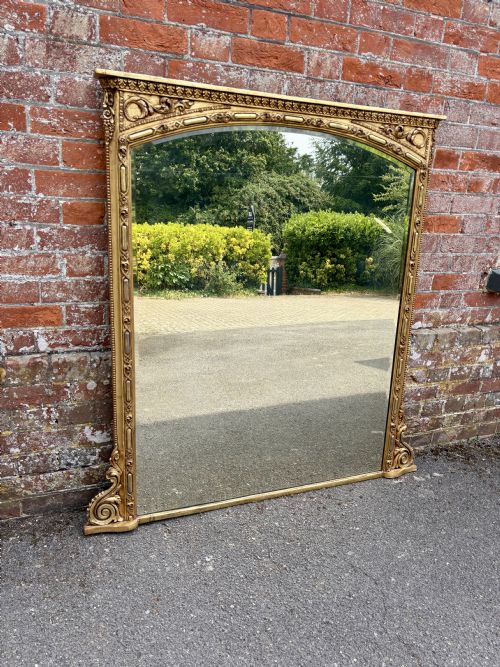
Carved Gesso Overmantel Mirror
A carved gesso overmantel mirror brings grand architectural scale and reflective light to a room, hung traditionally above a fireplace or along a principal wall.
Carved Gesso Overmantel Mirror
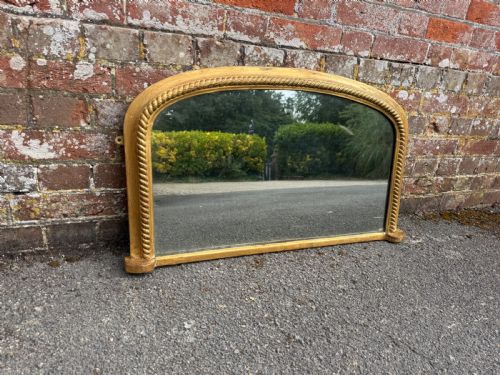
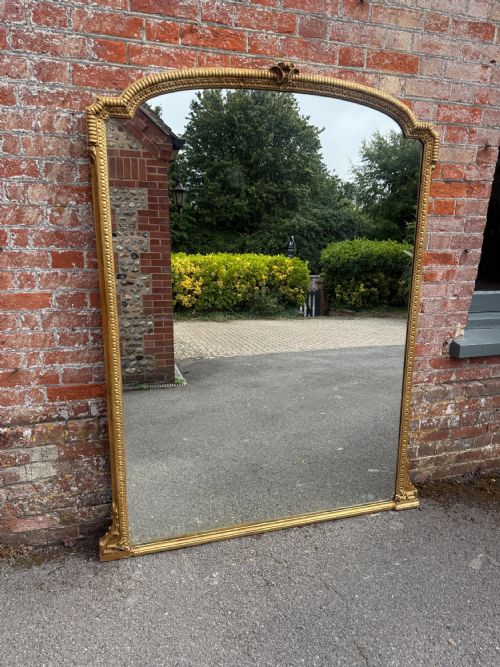
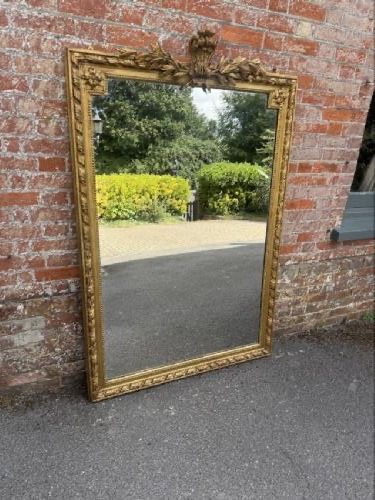
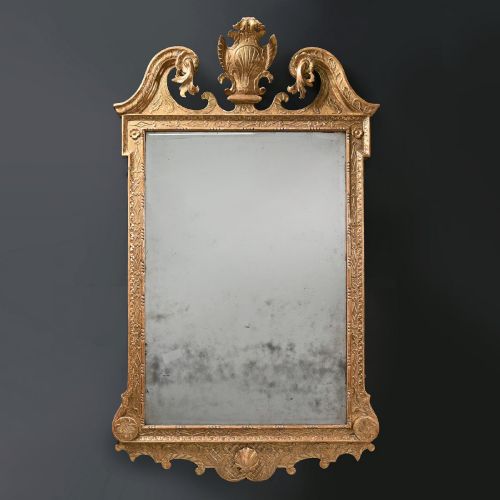
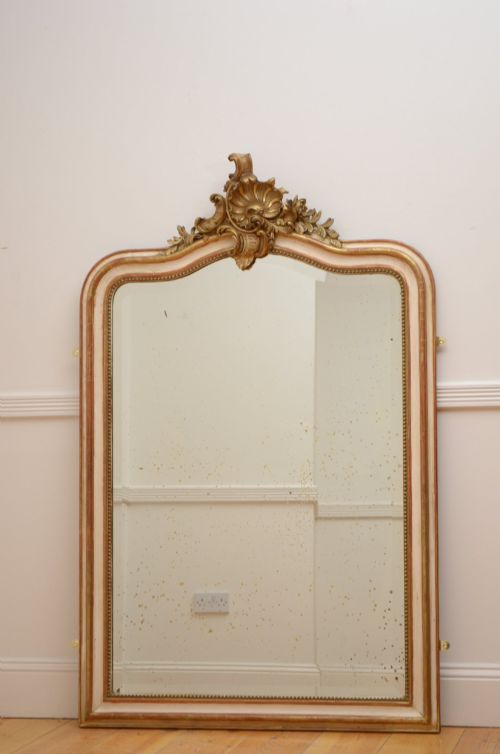
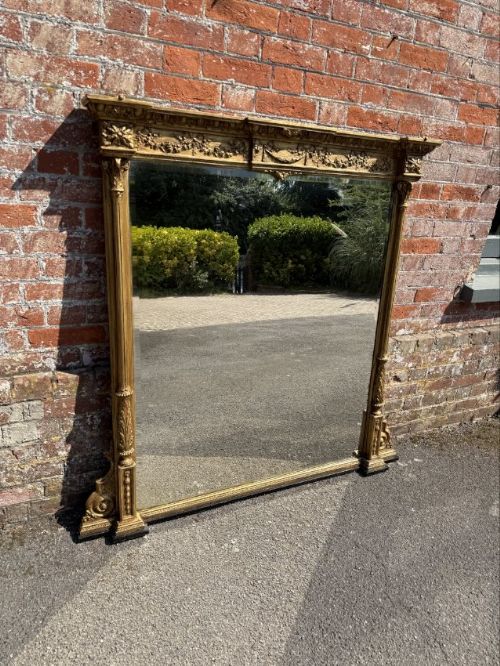
A carved gesso overmantel mirror provides a substantial focal point designed to sit above a mantelpiece or anchor a large wall space. These pieces combine wooden framing with moulded plaster details, originating predominantly from the nineteenth century alongside select eighteenth-century examples.
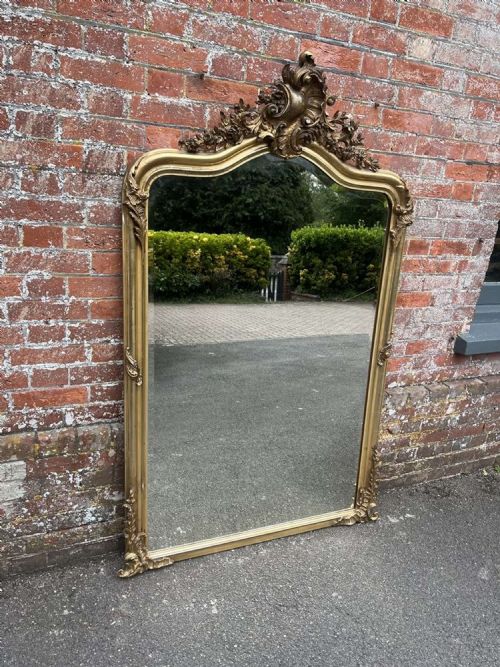
The dominant style found on this page is the nineteenth-century English or French overmantel, frequently featuring an arched or shaped top. Examples range from ornate giltwood creations to painted surfaces with rope twist or column frames.
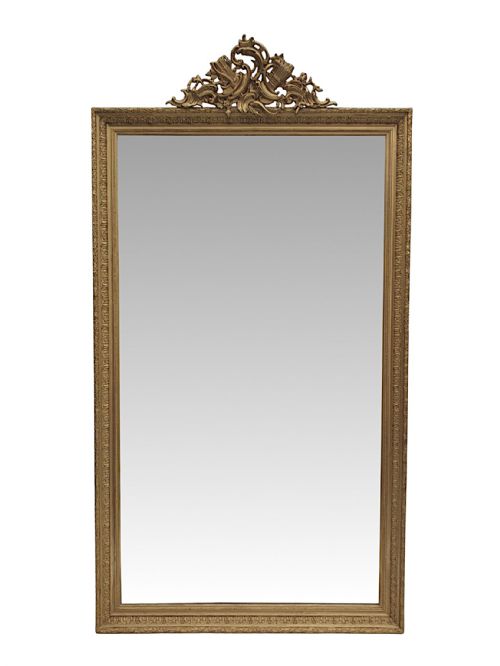
Beyond the standard overmantel format, related wall mirrors and pier mirrors appear in both rectangular and oval shapes. These variations offer the same decorative plaster relief work adapted for narrower wall spaces or smaller rooms.
How They Were Made
Makers constructed the core framework from carved wood before applying successive layers of gesso, a fine plaster mixture built up to receive intricate mouldings and relief decoration. This gesso layer was then sculpted, stamped, or incised to create crisp architectural details such as rope twists, ribbed columns, and tulip motifs.
Once prepared, the plaster and wood surfaces received finishes of gold leaf, metal gilding, or paint. Original gilt surfaces and painted finishes were often layered over the gesso base to achieve the rich decorative effects characteristic of period interiors.
Carved Gesso Overmantel Mirror Retail Price Guide 2026
Typical asking prices for carved gesso overmantel mirror among the pieces listed under this phrase on Sellingantiques today, from the lower quarter to the upper quarter. They describe what is for sale here now, not the wider market.
Materials recorded across the inventory include mirror glass, carved wood, gold leaf, and gesso.
What Varies in Quality
The depth and crispness of the moulded gesso ornamentation separate standard decorative frames from exceptional artistic examples. Finer pieces display sharply defined relief work on the carved wood and plaster elements without softening of the decorative motifs.
Originality of surface finish heavily dictates the character of each piece. Retained gold leaf, untouched original paint, and period mirror glass carrying natural foxing represent a higher degree of historical integrity than later re-gilding or modern glass replacements.
The Carved Gesso Overmantel Mirror Glossary
- Gesso
- A mixture of plaster of Paris or chalk with glue, applied to wood frames as a smooth base for gilding or painting. This material allows artisans to carve and mould intricate relief decorations.
- Overmantel Mirror
- A large mirror specifically proportioned to hang on the wall directly above a fireplace mantel. These pieces frequently feature arched or shaped tops to complement architectural chimney breasts.
- Giltwood
- Wood, typically carved timber or gesso-coated substrate, covered with thin sheets of gold leaf or gold powder. It provides a luminous metallic finish popular in formal nineteenth-century interiors.
- Pier Mirror
- A tall, narrow mirror traditionally hung on the pier or wall space between two windows. They share the carved wooden and gesso construction methods common to larger overmantel pieces.
- Rope Twist
- A carved decorative moulding resembling the spiral strands of a rope. This textural motif appears frequently along the inner or outer borders of nineteenth-century frames.
Carved Gesso Overmantel Mirror: Frequently Asked Questions
How do I hang a heavy overmantel mirror?
These substantial mirrors require secure anchoring directly into solid wall studs or masonry using heavy-duty brackets suited to the combined weight of wood, gesso, and glass.
Due to their size and construction, professional installation ensures the weight distributes evenly across the hanging fixings.
Where should I place an overmantel mirror?
Traditionally positioned above a drawing room fireplace, an overmantel mirror reflects natural light and creates an illusion of expanded room depth.
They also function effectively on principal dining room or hallway walls as standalone statement pieces.
How do I distinguish nineteenth-century mirrors from later copies?
Examine the construction of the wooden backing boards, the composition of the gesso layer, and the characteristics of the mirror glass.
Period pieces typically display hand-beaten or cast gesso details, authentic age foxing in the glass, and construction methods consistent with Victorian or earlier workshop practices.