
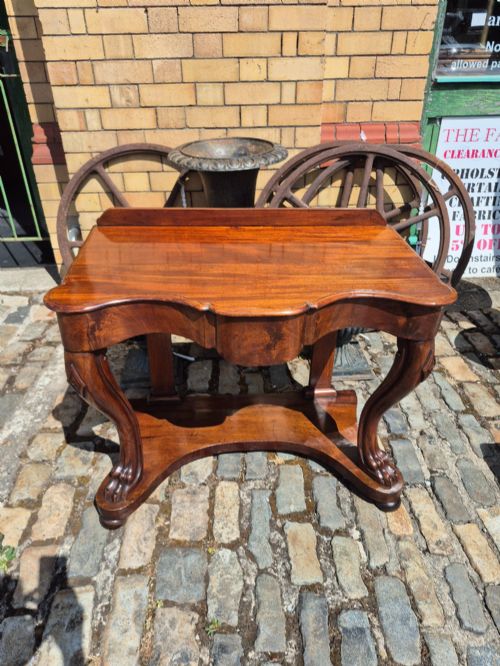
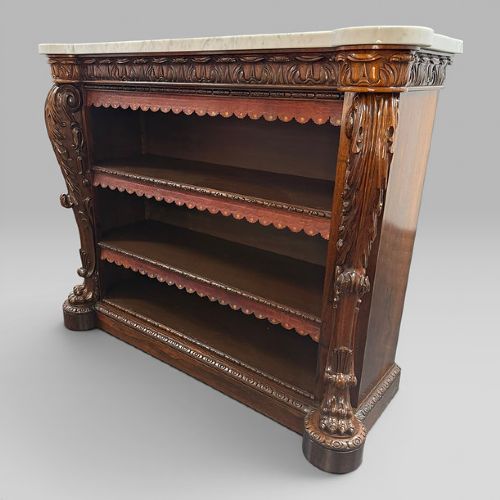


William IV Carved Credenza
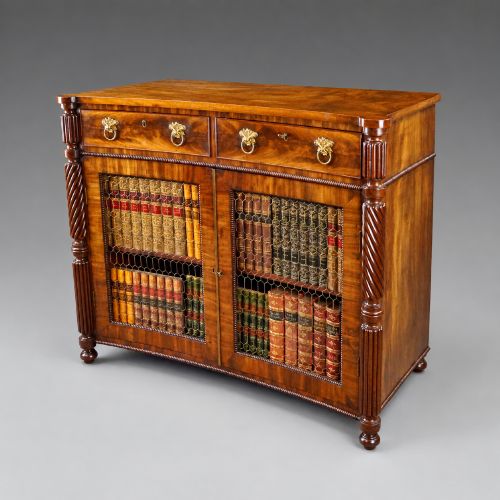
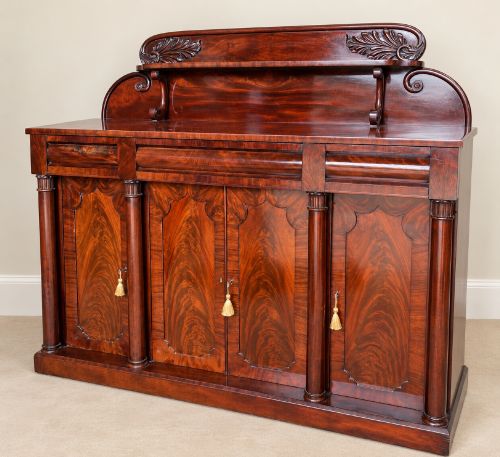
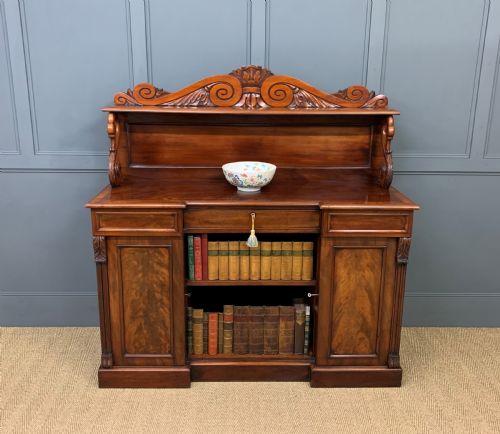
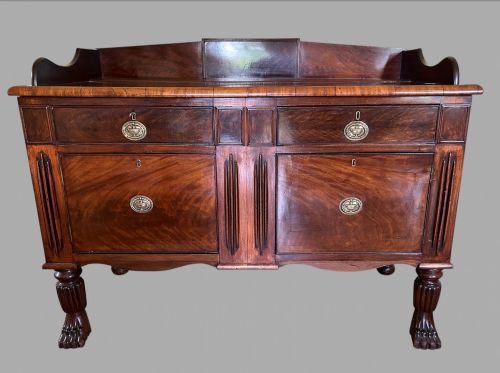
A william iv carved credenza embodies the robust timberwork and architectural gravity collectors seek for formal dining rooms.
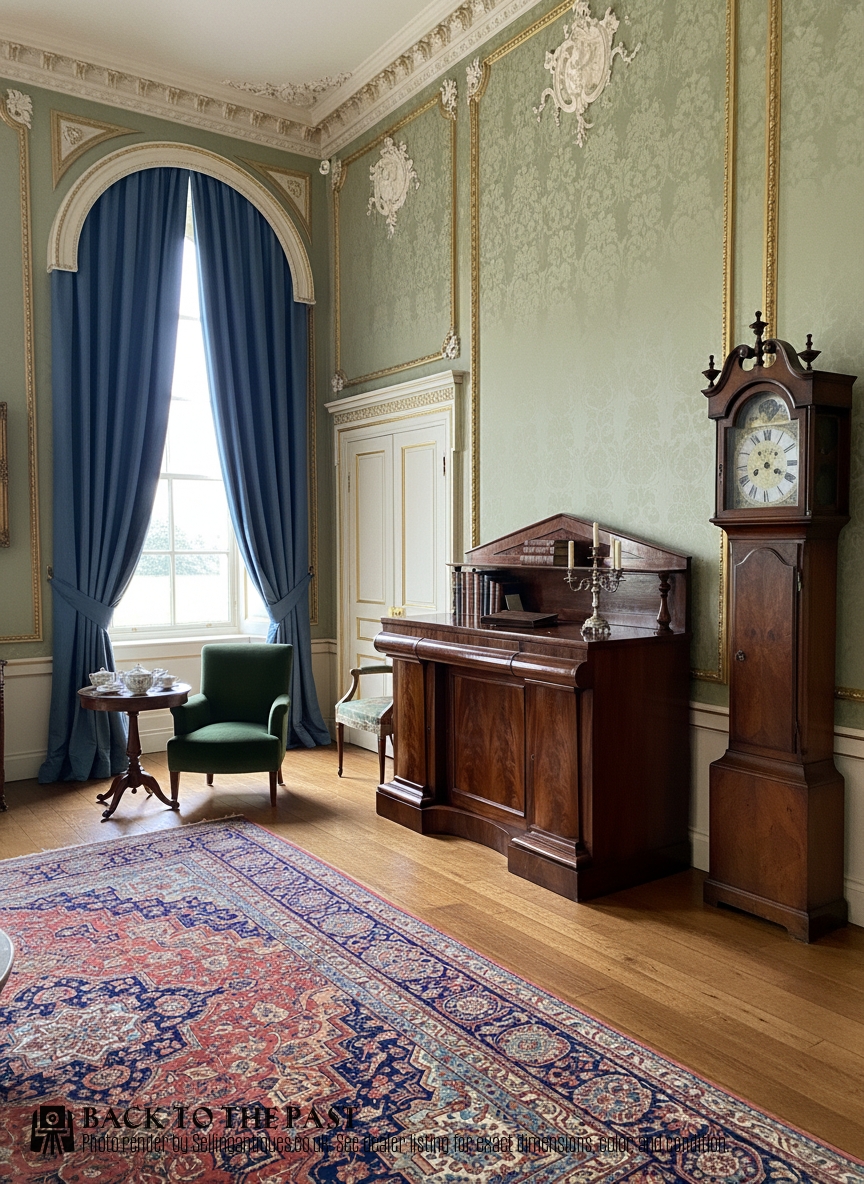
William IV Carved Credenza
When searching for a william iv carved credenza, buyers encounter substantial timber storage pieces spanning sideboards, chiffoniers and side cabinets. These heavy domestic items serve as imposing focal points in period dining and drawing rooms.
The pieces on this page lean heavily toward mahogany and rosewood sideboards and chiffoniers carrying the distinct decorative vocabulary of the nineteenth century. Cabinet makers utilised figured veneers and architectural carving to create these grand proportions.
Originating primarily from the nineteenth century, these heavy storage items combine utility with displays of rich timber grain. A typical example presents two doors, pedestal ends or raised back tiers designed for formal display.
Indicators of distinction
The grade of timber selection separates standard storage from exceptional cabinet work, particularly in the depth and movement of flame mahogany veneer. Highly figured grain patterns demand superior handling by the cabinet maker.
Crispness in the execution of carved details determines the artistic standard of the piece. Sharp, deep relief work indicates a high level of workshop skill compared to softer, more mechanical shaping.
Cabinet interiors frequently conceal deep cellarette drawers designed specifically to keep wine bottles cool on ice.
Gillows
The William IV Carved Credenza Glossary
- Credenza
- A sideboard or cabinet used for serving food and displaying plate. It evolved from a simple platform into an enclosed piece with cupboards.
- Chiffonier
- A low sideboard or cabinet, frequently featuring a raised shelf or back tier above the main surface. This form gained popularity during the early nineteenth century.
- Flame mahogany
- Timber cut to reveal a swirling, torch-like grain pattern. Cabinet makers prized this veneer for prominent doors and drawer fronts.
- Pedestal sideboard
- A large dining room unit comprising two main pedestals supporting a central counter or board. It provides substantial enclosed storage for tableware.
William IV Carved Credenza: Frequently Asked Questions
How do I care for rosewood and mahogany?
Keep timber surfaces away from direct sunlight and sudden temperature shifts to prevent veneer splitting.
Apply natural beeswax periodically to maintain the polished finish without building up heavy chemical layers.
Where were these cabinets placed originally?
These large pieces stood principally against dining room walls to hold heavy porcelain and silverware.
Smaller chiffonier versions also appeared in drawing rooms for books and decorative ornaments.
How do I identify this period?
Look for heavy proportions, bold architectural carvings like scrolls, and rich flame mahogany or rosewood veneers.
Construction details typically reveal nineteenth-century hand joinery methods.