




White Staffordshire Pottery Figure
A white staffordshire pottery figure brings nineteenth-century character into a room through hand-painted earthenware dogs, royals, and literary subjects.
White Staffordshire Pottery Figure
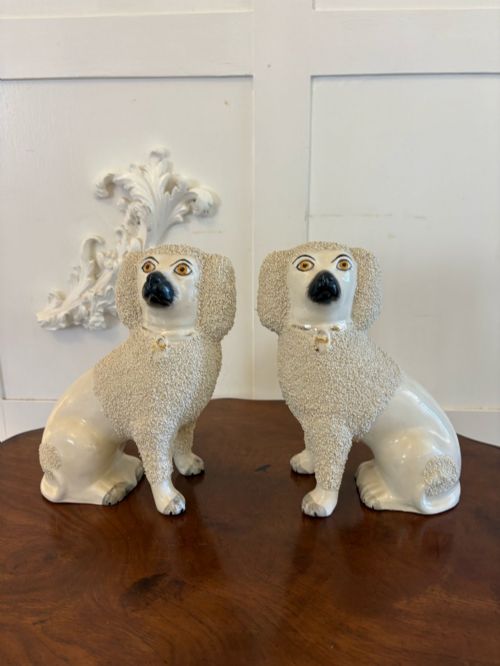
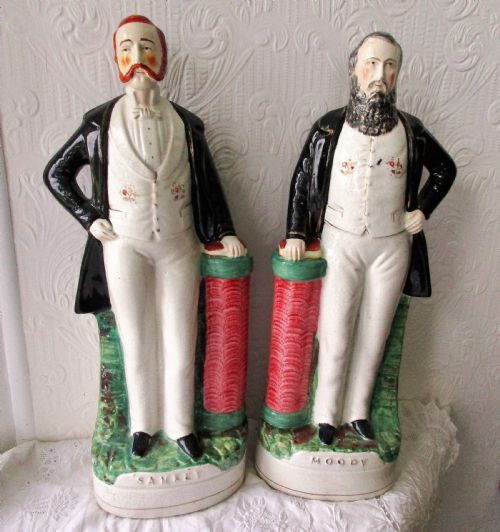
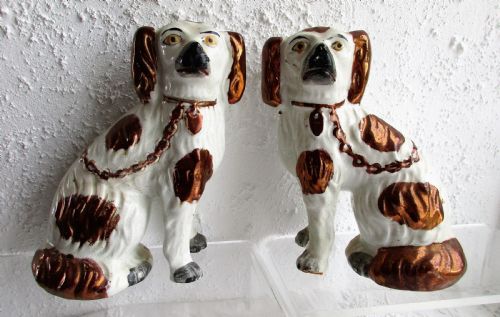
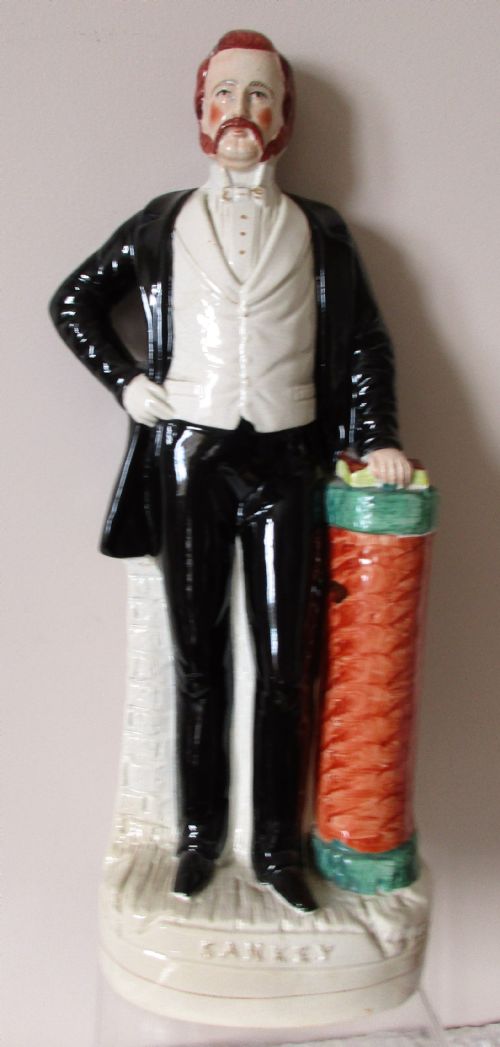
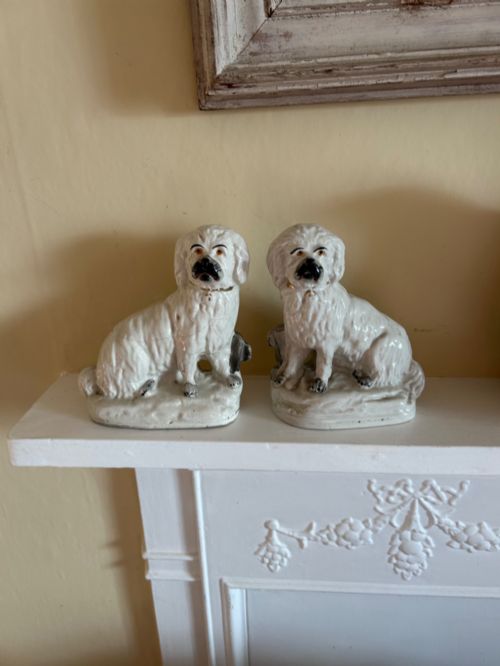
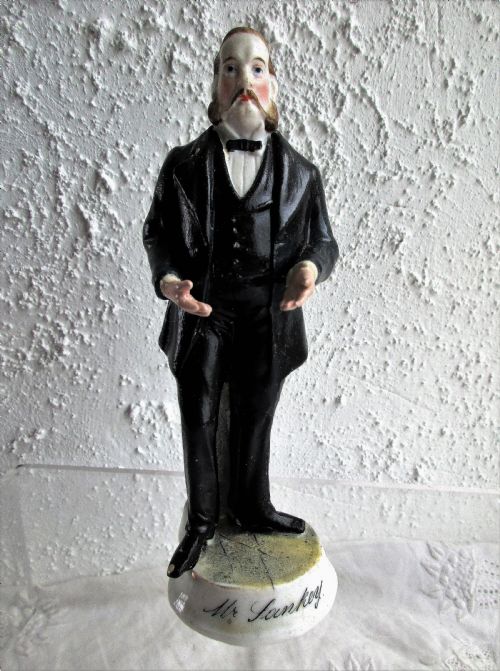
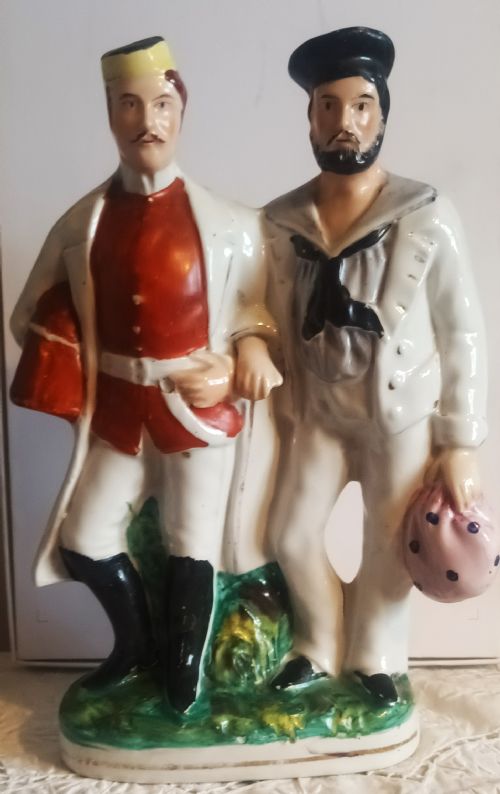
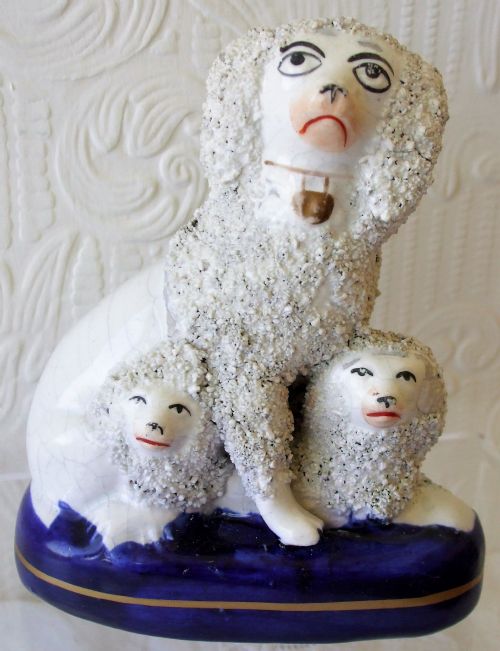
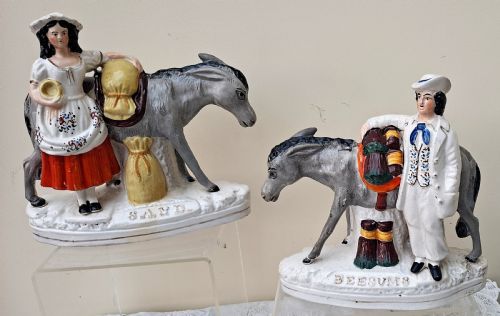
When you search for a white staffordshire pottery figure, you find earthenware ceramic objects shaped into domestic animals, military heroes, and royal portraits. These pieces span the nineteenth century, including the Victorian and Georgian periods, and range from miniature poodles to large flatback groups.
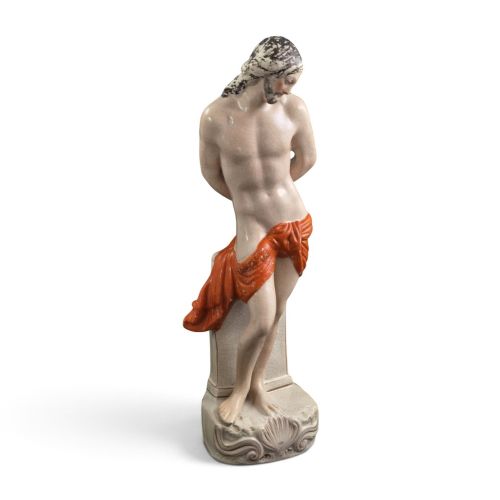
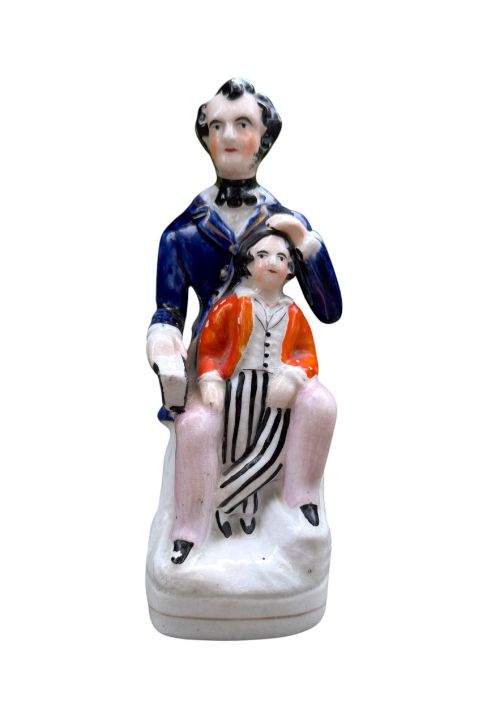
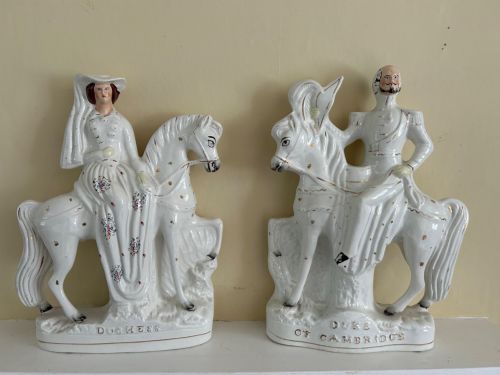
The most common examples on this page are pairs of spaniels, poodles, and greyhounds, alongside spill vases, money boxes, and portrait figures of historical personages such as Queen Victoria, Lord Shaftesbury, and various religious or theatrical subjects. Many utilise the flatback form designed to sit neatly against a mantelpiece wall.
How they were made
Potters shaped these earthenware ceramic figures using clay, applying lead glaze to create a smooth surface finish. The white ground often served as a base for enamel paint, gilt accents, and copper lustre details.
Listings feature earthenware animals, portrait figures, and functional forms like money boxes across the nineteenth century.
What varies in quality
The distinction between standard figures and superior pieces rests on the precision of the modelling and the care taken with the hand-painted enamels. Finer examples display crisp facial expressions, well-defined fur or clothing textures, and minimal glaze pooling.
Size and format also influence the character of the piece, as grand pairs and complex multi-figure groups require greater technical skill from the potter than small, simple models.
Thomas Parr·Wooley
The White Staffordshire Pottery Figure Glossary
- Flatback
- A ceramic figure modelled with a finished front and a largely unadorned, flat rear side meant to stand against a wall. Potters designed these specifically for mantelpiece display during the nineteenth century.
- Pearlware
- An earlier refined earthenware body developed in the late eighteenth century, featuring a thin glaze that pooled with a faint bluish tint. This material appears on early nineteenth-century animal pairs.
- Spill vase
- A hollow figural ceramic object incorporating a small cylindrical holder designed to store wooden spills for lighting pipes or fires. These combine practical utility with decorative animal or human subjects.
- Lead glaze
- A glossy coating containing lead oxide applied to earthenware before firing to seal the porous clay body. It gives these nineteenth-century surfaces their characteristic reflective shine.
- Enamel paint
- Coloured decoration applied over the fired glaze and fixed with a lower-temperature second firing. It provides the bright reds, blacks, and golds seen on collars and clothing.
White Staffordshire Pottery Figure: Frequently Asked Questions
What is a flatback figure?
A flatback is a nineteenth-century ceramic piece with a detailed front and a flat reverse side. These were shaped to sit flush against a wall on a shelf or mantelpiece.
This construction method allowed potters to save clay and kiln space while producing impressive sculptural portraits and animal groups.
How are these figures cleaned?
Dust these ceramic objects gently with a soft, dry brush to prevent dirt accumulation in the crevices of the glaze and enamel paint. Avoid soaking or using harsh detergents.
Water can seep through small crazing lines in the old lead glaze and damage the underlying earthenware body over time.
Were these dogs meant as toys?
These pottery animals were strictly ornamental furnishings for Victorian and Georgian parlours rather than children's playthings. Pairs of spaniels and poodles sat proudly on mantelpieces across British homes.
Some specialised forms, such as money boxes or inkwells, combined decorative display with practical household utility.
How do I spot a reproduction?
Examine the glaze, weight, and hand-painted details closely to understand the age of an earthenware figure. Genuine nineteenth-century pieces show natural wear and consistent crazing.
Modern copies often feature heavier, brighter ceramic bodies without the subtle tonal variations found in period enamel paint and lead glaze.