



White Porcelain Table Lamp
A white porcelain table lamp brings texture and quiet form to a room, bridging centuries of craftsmanship and modern use.
White Porcelain Table Lamp
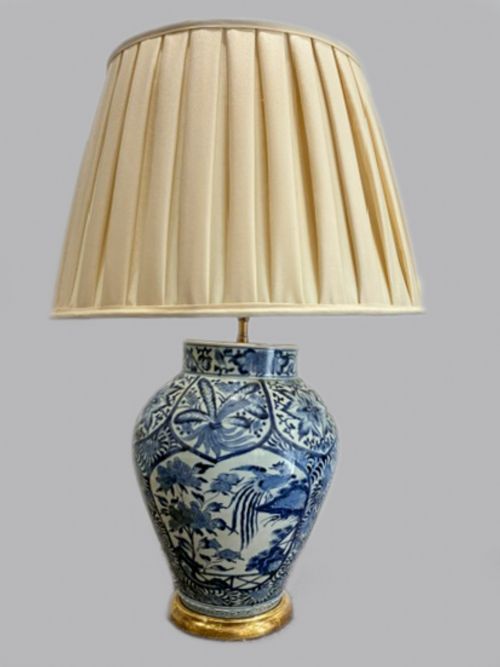
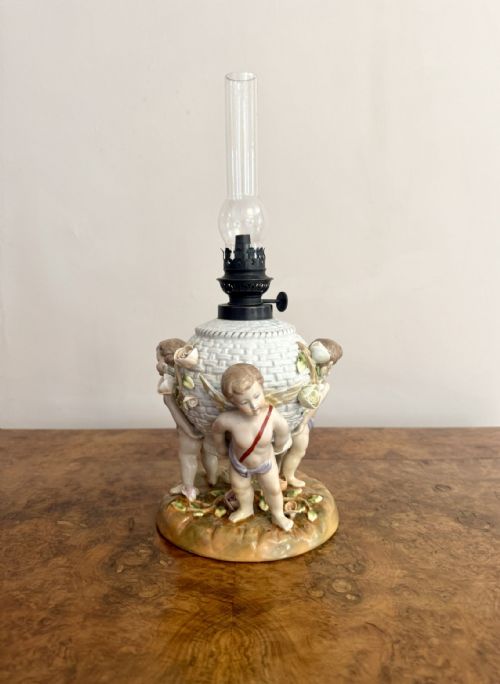
When you search for a white porcelain table lamp, you encounter pieces that began life as vases, jars, or oil lamps before finding new purpose as domestic lighting. The selection spans centuries of global craftsmanship, frequently taking the form of converted Chinese ginger jars, Japanese vessels, or European porcelain figures.
You are most likely to meet pieces originating from the nineteenth and early twentieth centuries, alongside earlier examples spanning back to the seventeenth century. Many of these lamps pair classical ceramic bodies with mounts of brass, bronze, or gilt metal.
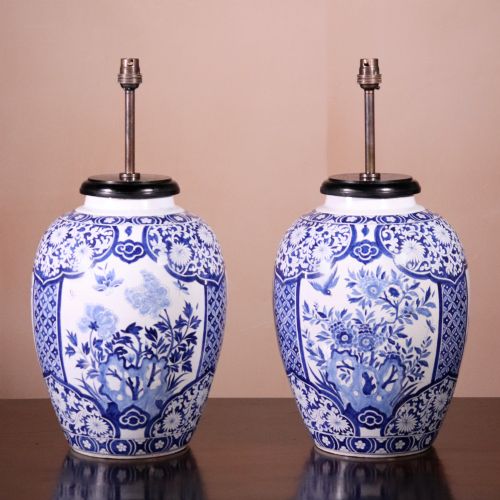
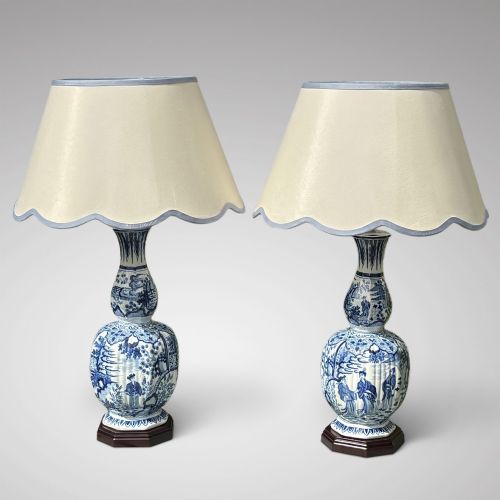
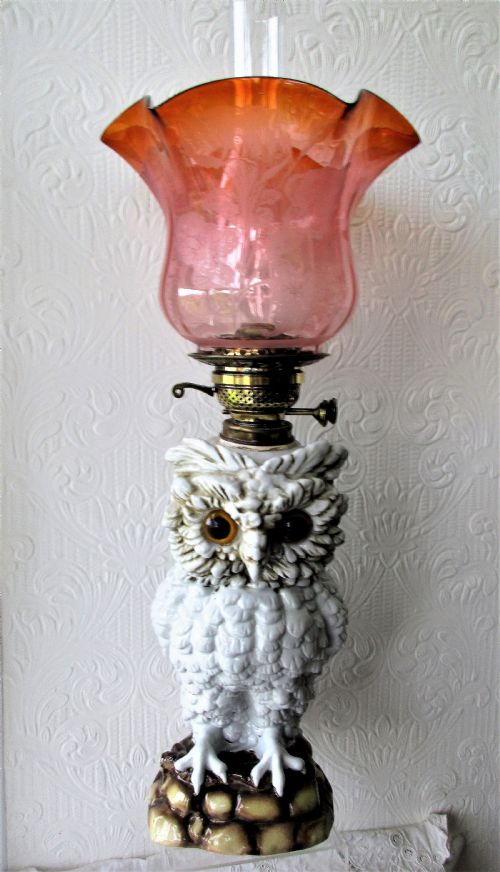
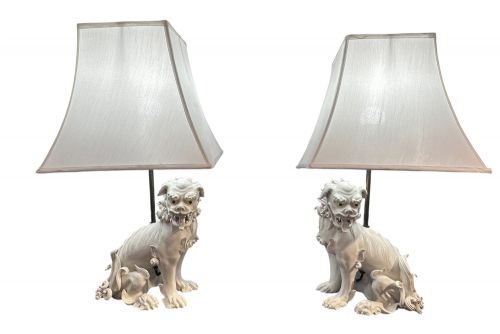
The aesthetic vocabulary encompasses blue and white decoration, celadon glazes, and blanc de chine figures such as Shi Lions or owls. These objects reflect various stylistic revivals, from Chinoiserie and Rococo Revival to Art Deco.
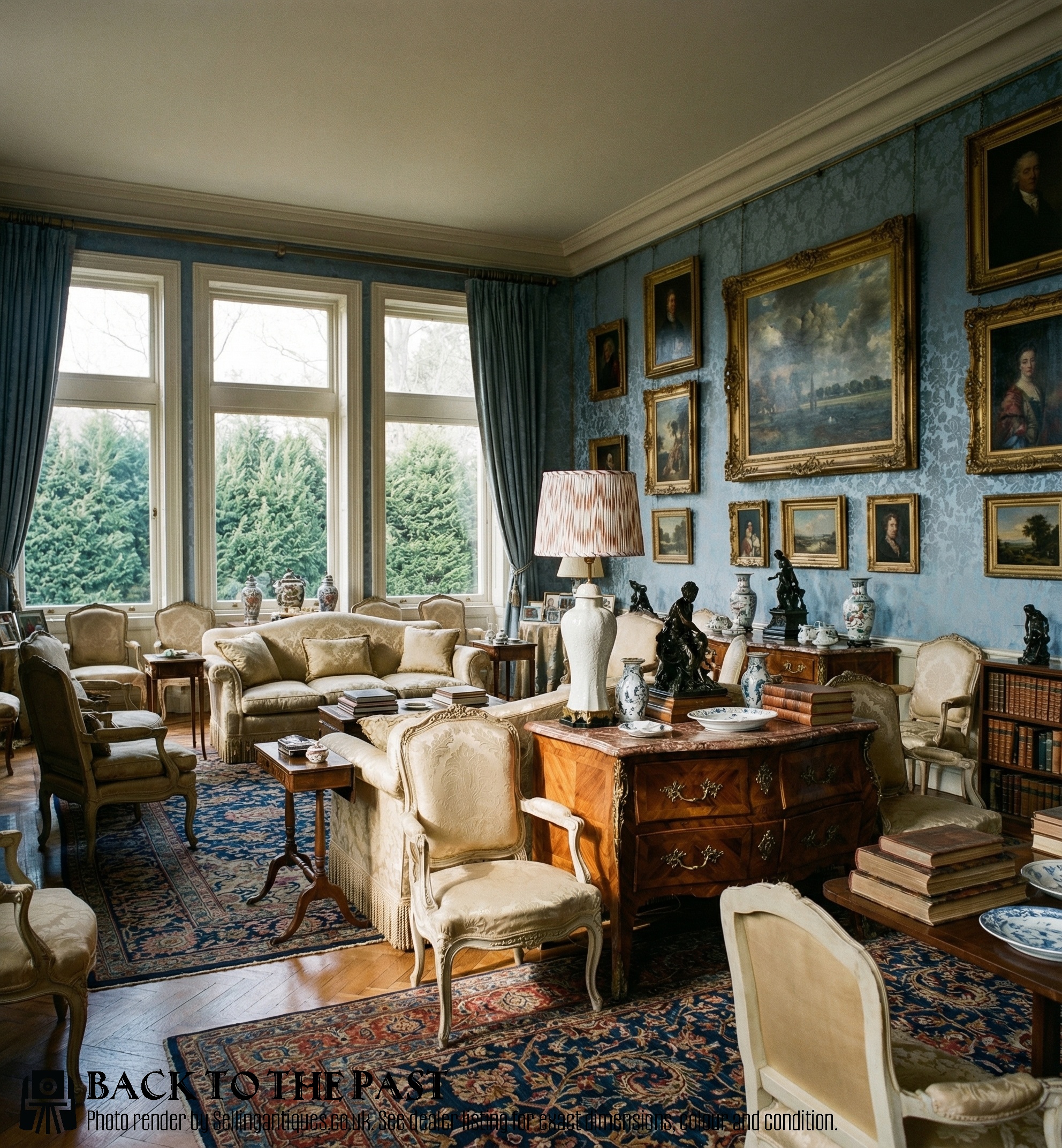
How they were made
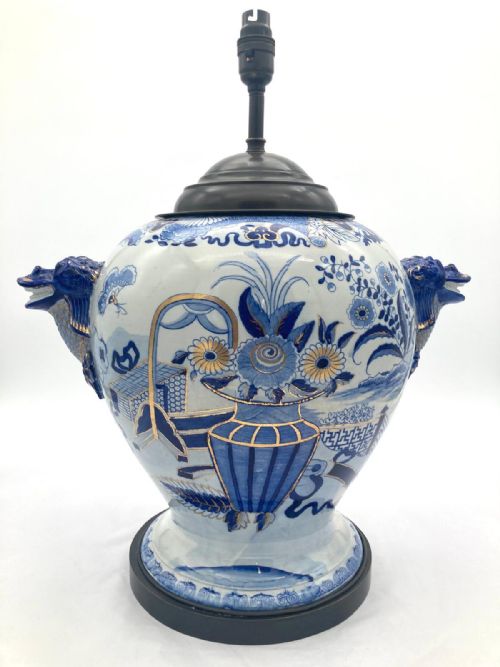
The foundation of these pieces lies in fired ceramic materials, spanning porcelain, earthenware, and ironstone, often finished with intricate glazes and hand-painted blue and white pigments. European factories and Asian kilns utilised traditional throwing and moulding techniques to shape the original vessels.
Many items incorporate metalwork components, joining porcelain bodies to brass, bronze, or ormolu mounts. Fabric and silk elements complete the construction, forming handmade shades that sit atop the ceramic bases.
White Porcelain Table Lamp Retail Price Guide 2026
Typical asking prices for white porcelain table lamp among the pieces listed under this phrase on Sellingantiques today, from the lower quarter to the upper quarter. They describe what is for sale here now, not the wider market.
Owl and dog figures illuminate the room through porcelain eyes.
What varies in quality
The standard of a piece depends heavily on the fineness of the original ceramic body and the precision of the hand-painted decoration. Early vessels display crisp detailing and well-balanced forms, while later adaptations maintain varying degrees of artistic fidelity to their historical models.
The integration of the conversion process also separates finer examples from ordinary ones. Superior pieces balance the original proportions of the vase or oil lamp with appropriate metal mounts and stable mounting, preserving the character of the antique artefact.
Sitzendorf·Karl Ens·Anton Buschelberger·Ernst Bohne and Sohn·Gien·Samson
The White Porcelain Table Lamp Glossary
- Blanc de chine
- A white porcelain produced in China, highly prized for its smooth, ivory-like glaze. This material was frequently utilised for figures such as Shi Lions.
- Ginger jar
- A wide-mouthed, storage jar originating in China that is commonly converted into a table lamp. These jars often feature blue and white or famille rose decoration.
- Ormolu
- Gilded bronze used for decorative mounts and bases on European and Asian lamps. This technique adds structural support and ornamental flourish to the ceramic body.
- Pâte-sur-pâte
- A ceramic decorating technique where white slip is built up in successive layers on a coloured background to create a low relief cameo effect. It appears on select nineteenth-century European lamps.
- Ironstone
- A heavy, durable type of earthenware developed in the nineteenth century as a robust alternative to porcelain. It often serves as the heavy body for large converted vases.
White Porcelain Table Lamp: Frequently Asked Questions
How were these lamps originally used?
The ceramic bodies of these lamps typically began as decorative vases, ginger jars, or functional oil lamps burning fuel for illumination. They served as ornamental objects in wealthy households before later conversion.
In the nineteenth and twentieth centuries, many of these vessels were adapted for modern electric lighting while retaining their decorative appeal.
How do I live with antique porcelain lamps?
Living with these lamps involves placing them on sturdy surfaces where their wiring and converted mounts remain secure and well-supported. Pairing them with sympathetic shades helps balance the weight of the ceramic body.
Routine care requires gentle dusting of the porcelain and shades, avoiding harsh chemical cleaners that might damage hand-painted glazes or gilt mounts.
How do I tell periods and styles apart?
Distinguishing periods relies on examining the characteristics of the ceramic body, the style of the hand-painted motifs, and the nature of any metal mounts. Seventeenth and eighteenth-century pieces often display distinct potting techniques and glaze characteristics compared to nineteenth-century Victorian or Art Deco revivals.
Styles such as Chinoiserie, Qing Dynasty, and Rococo Revival provide further clues through their specific ornamentation, colour palettes, and figural subjects.