




White Porcelain Fruit Dish
A white porcelain fruit dish brings tactile grace to a table, offering a bright vessel designed to showcase orchard harvest.
White Porcelain Fruit Dish
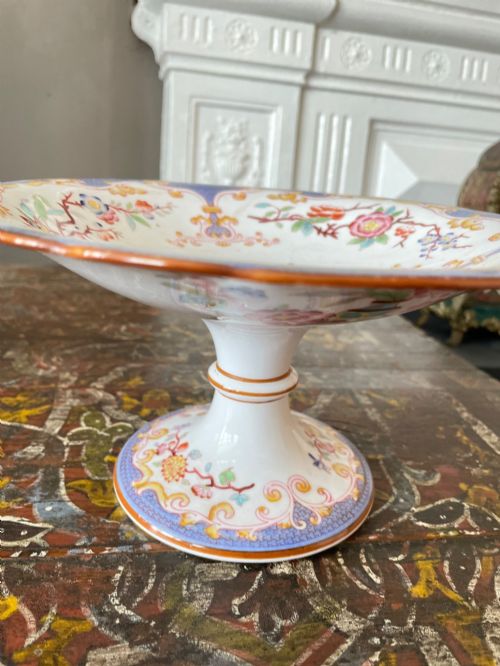
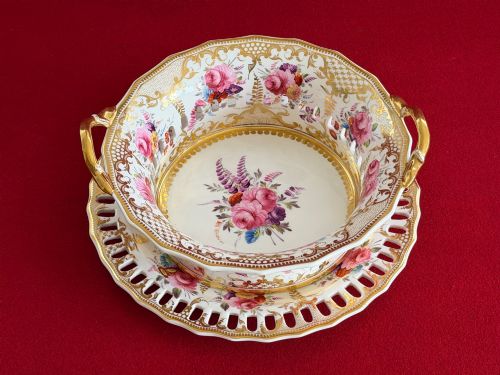
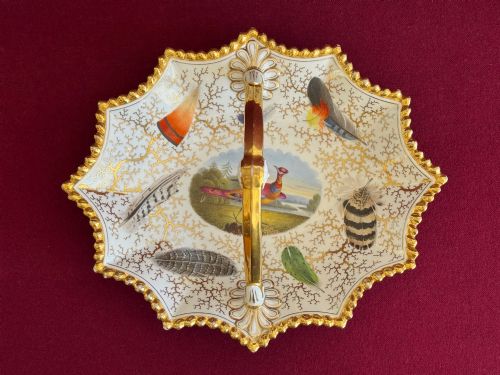
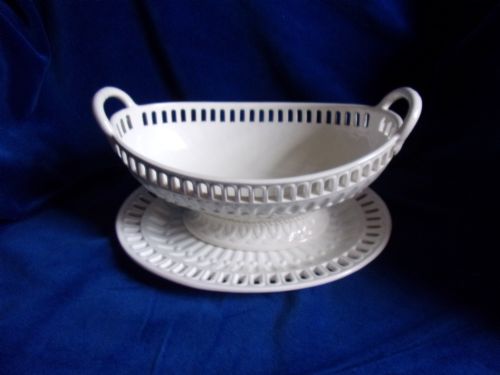
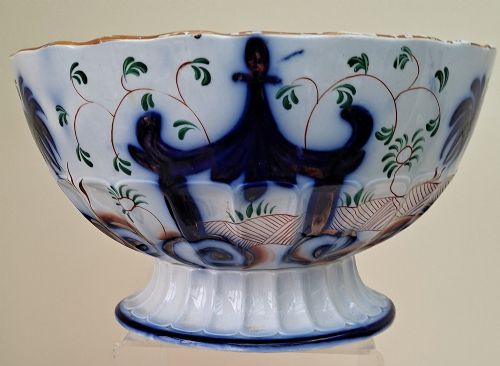
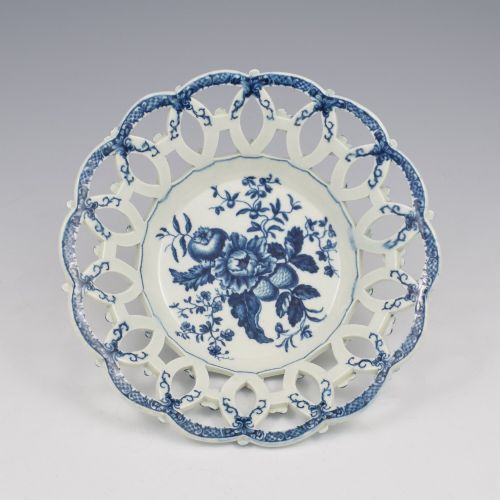
A white porcelain fruit dish encompasses a variety of serving forms designed for display, including footed comports, pierced dessert baskets, and deep decorative bowls. These vessels appear across multiple periods, with significant representation from the eighteenth and nineteenth centuries, spanning Georgian, Regency, and Victorian eras.
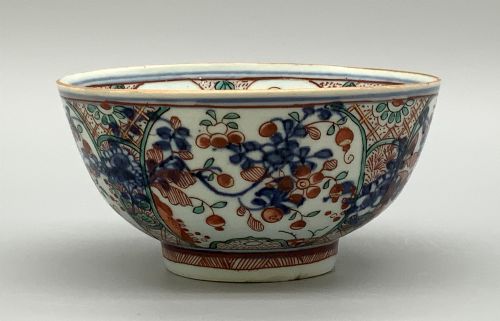
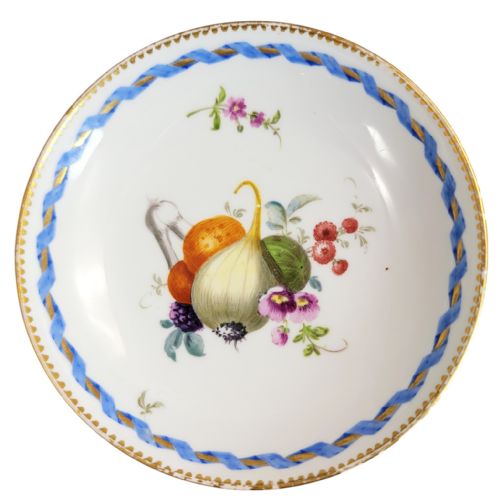
Makers utilised diverse stylistic influences, ranging from Rococo Revival and Neoclassical designs to Chinese Kangxi period traditions and French porcelain aesthetics. Buyers frequently encounter openwork basket weaves, pedestal stands, and hand-painted floral or figural decorations integrated into the porcelain body.
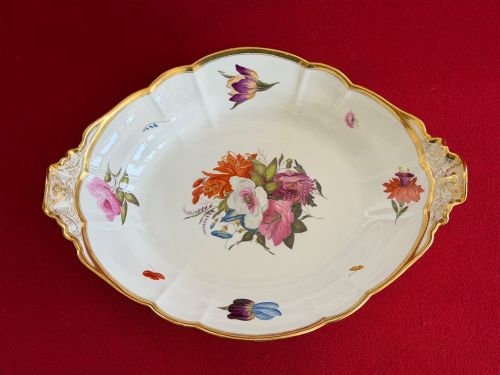
The objects serve primarily as centrepieces or dessert service components, combining functional utility with sculptural presence. Their forms vary from circular bowls to oval dishes, often accompanied by matching stands.
Materials and production techniques
Potters formed these pieces using hard-paste and soft-paste porcelain, frequently applying a smooth white glaze to create a uniform canvas for subsequent decoration. Soft-paste porcelain appears in eighteenth-century English works, lending a warm tone to the body.
Decoration relied on hand-painted enamel colours, detailed gilding with gold leaf, and structural elements such as applied roses, putti, and pierced galleries. Ironstone china and creamware also provide robust alternatives within the wider selection of ceramic tablewares.
White Porcelain Fruit Dish Retail Price Guide 2026
Typical asking prices for white porcelain fruit dish among the pieces listed under this phrase on Sellingantiques today, from the lower quarter to the upper quarter. They describe what is for sale here now, not the wider market.
Listings feature porcelain, enamel, gold leaf, glaze, gilding, and soft-paste porcelain across eighteenth and nineteenth-century periods.
Distinguishing quality in porcelain dishes
Quality rests upon the crispness of moulded details, such as the depth of pierced basket work and the precision of applied figures like cherubs and roses. Superior examples demonstrate expert control during firing, resulting in a clean glaze free of surface distortion.
The fineness and preservation of hand-painted enamel and gilding determine the upper tier of pieces. Skilled brushwork by named decorators elevates standard factory production into notable works of art.
Spode·Barr, Flight and Barr·Worcester·Wedgewood·Meissen·Doulton Burslem·Volkstedt·Schierholz·Mason·Sevres·Minton
The White Porcelain Fruit Dish Glossary
- Comport
- A pedestal dish used for serving fruit or sweets at dessert. These raised vessels add vertical interest to a table setting.
- Soft-paste porcelain
- An artificial porcelain composition fired at lower temperatures than hard-paste, common in early English factories. It produces a distinctive translucent body.
- Enamel
- Opaque coloured glass fused to the porcelain surface through firing. Painters use enamels to apply detailed floral and figural scenes.
- Gilding
- The application of gold leaf or powdered gold to ceramic surfaces. This technique highlights rims, handles, and raised motifs.
- Pierced gallery
- An openwork trellis or pierced border encircling the rim of a bowl or basket. It lightens the visual weight of the ceramic form.
White Porcelain Fruit Dish: Frequently Asked Questions
What is a white porcelain fruit dish used for?
These vessels functioned primarily as table centerpieces or specialised serving pieces for dessert courses, holding fresh fruit, sweetmeats, or comports of confectionary during formal meals.
Over time, their role shifted toward decorative display, where their sculptural forms and painted surfaces could be admired on sideboards and cabinets.
How do I care for an antique porcelain dish?
Wash porcelain by hand using lukewarm water and a mild detergent, avoiding harsh scrubbers that might damage delicate enamel painting or gilding.
Keep pieces away from sudden temperature changes and avoid placing them in dishwashers or microwaves to protect the historic glaze and body.
How can I tell eighteenth-century porcelain from nineteenth-century pieces?
Eighteenth-century items often feature soft-paste bodies with subtle translucency variations and hand-potted irregularities, alongside specific early factory characteristics.
Nineteenth-century examples frequently exhibit harder pastes, more mechanized manufacturing precision, and distinct revivalist styles such as Rococo or Neoclassical.
What does Dr Wall period mean?
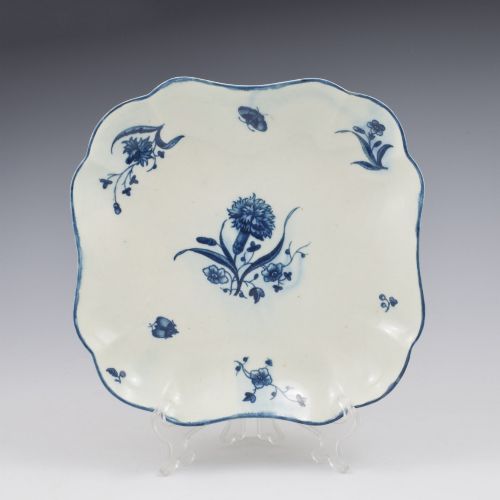
The Dr Wall period refers to the early foundation years of the Worcester porcelain factory, operating under the direction of Dr John Wall from seventeen fifty-one.
Pieces from this era are celebrated for their fine soft-paste bodies, distinct underglaze blue painting, and early transfer-printing techniques.