



Nineteenth Century Compote
A nineteenth century compote brings raised fruit service and sculptural presence to a table, combining utility with distinct period craftsmanship.
Nineteenth Century Compote
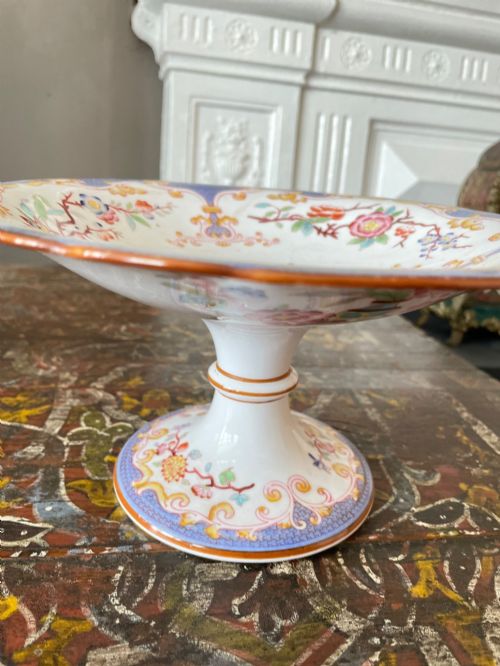
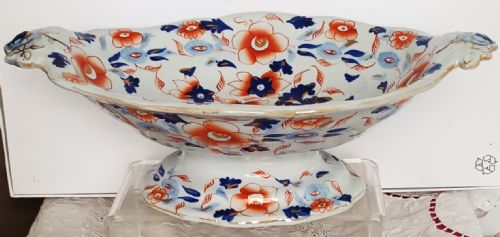
A nineteenth century compote serves as a raised vessel for fruit, standing on a pedestal or footed base to elevate the presentation on a dining table or sideboard. These pieces originate from various European traditions, encompassing English ironstone, French porcelain, and German floral models.
The form frequently overlaps with comports, tazzas, and centrepieces, sharing the elevated circular or multi-lobed bowl structure. Pieces from this era often display heavy ornamentation, ranging from rococo scrolls to classical revival motifs.
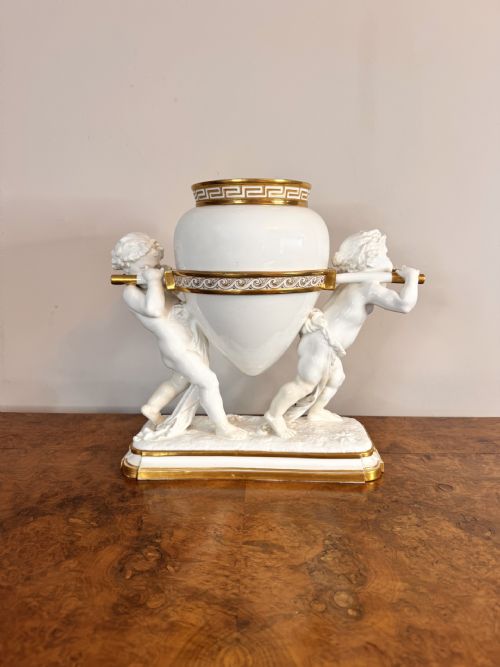
Buyers on this page are most likely to encounter porcelain and ironstone examples dating from the middle decades of the nineteenth century. These items often feature hand-painted floral decoration, gilding, or figural supports such as cherubs.
Materials and Construction Techniques
Makers utilised ceramic bodies such as porcelain, ironstone, and earthenware, shaped by casting or moulding before undergoing high-temperature firing. Potters then applied intricate glazes, enamel colours, and hand-painted botanical or abstract patterns.
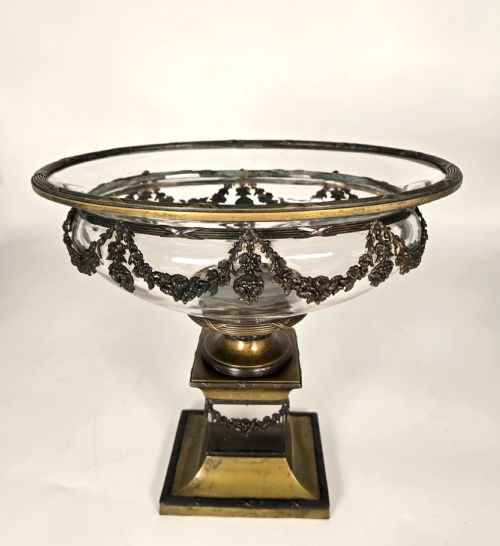
Metal mounts in gilt bronze were frequently combined with glass or porcelain bowls, secured with threaded bolts or pins to create stable pedestal structures. Gilding with gold leaf added metallic highlights to rims, handles, and pedestal bases.
Woodworking techniques appear in rarer variants such as rosewood tazzas on stands, incorporating turned elements and inlaid surfaces to achieve a contrasting aesthetic.
Nineteenth Century Compote Retail Price Guide 2026
Typical asking prices for nineteenth century compote among the pieces listed under this phrase on Sellingantiques today, from the lower quarter to the upper quarter. They describe what is for sale here now, not the wider market.
Cherubs frequently hold up the bowls, seemingly tasked with bearing the weight of Victorian dessert service.
Factors Determining Quality
The distinction between standard and superior pieces rests upon the precision of the hand-painting and the complexity of the modelling. Finer examples display delicate brushwork in floral or figural subjects, whereas simpler vessels rely on transfer-printed outlines.
The presence of secondary materials and elaborate mounts dictates the grade of the piece. Gilt bronze fittings, Samson porcelain integrations, and sculptural figural supports indicate higher production costs and greater ambition from the workshop.
Overall structural integrity and the crispness of moulded details differentiate workshop tiers. Well-preserved gilding and sharply defined relief work show that the piece emerged from a primary manufacturing source rather than a secondary regional kiln.
Sarreguemines·Minton·C.G. Schierholz and Sohn·Masons Ironstone·E.J.D Bodley·Samson
The Nineteenth Century Compote Glossary
- Compote
- A raised bowl on a stem or foot, traditionally used for serving fruit or sweets at the table.
- Comport
- An alternative term for a compote, frequently used in British inventory to describe a footed dish or tazza.
- Ironstone
- A heavy, durable type of ceramic patented in the nineteenth century to imitate Chinese porcelain.
- Gilt Bronze
- Copper alloy cast and finished with a layer of gold, often used for mounts and decorative feet.
- Tazza
- A shallow saucer-like dish mounted on a stem and foot, originating in the Renaissance and revived in the nineteenth century.
Nineteenth Century Compote: Frequently Asked Questions
What is a nineteenth century compote used for?
These vessels were designed to hold fruit, nuts, or sweetmeats, serving as a decorative focal point in the centre of a dining table.
In modern settings, they function effectively as display pieces on sideboards or mantelpieces without needing any contents at all.
How do compotes differ from centrepieces?
A compote typically refers to a single footed bowl or dish, whereas a centrepiece can encompass larger, more complex multi-tiered arrangements or sculptural groupings.
Many nineteenth-century cataloguing terms overlap these categories, as large compotes frequently doubled as table centrepieces.
How do I care for an antique porcelain compote?
Wash the piece gently by hand in warm water using a mild detergent, avoiding abrasive sponges that might damage the surface enamel or gilding.
Keep the compote away from direct sunlight and extreme temperature fluctuations to protect any delicate glazes or metal mounts.
Can I use an antique compote for serving food?
While structurally sound for dry foods like fruit, older ceramic and metal glazes can sometimes contain historical materials not rated for modern culinary safety standards.
Most collectors prefer to display these items as decorative art rather than putting them back into active kitchen service.