



Porcelain Pedestal Compote
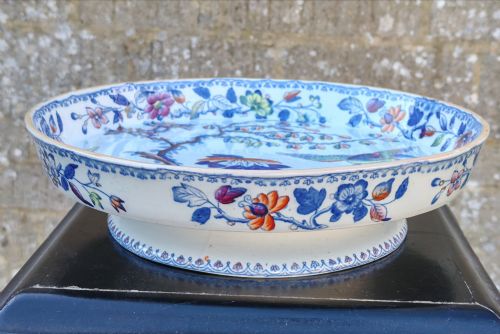
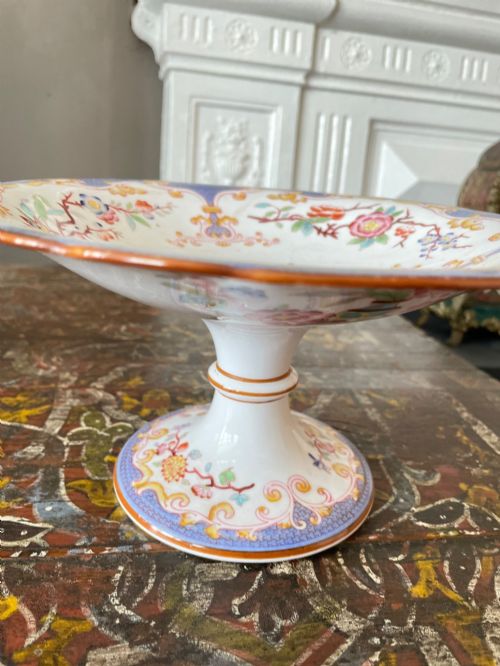
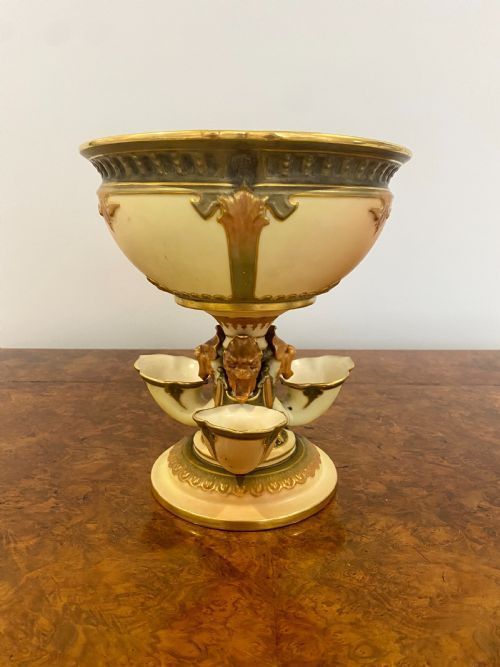
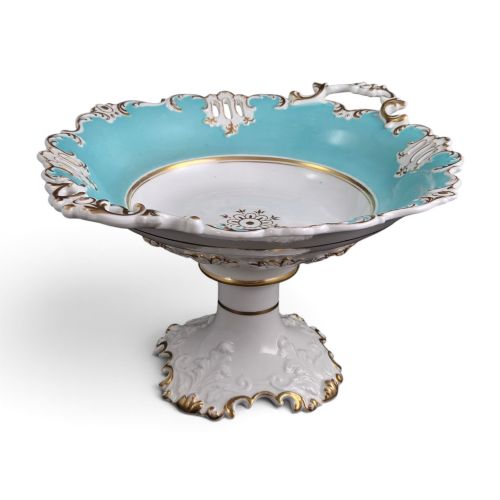
These porcelain pedestal compotes are raised display vessels built for fruit and sweets, combining elevated stature with fine ceramic artistry.
Porcelain Pedestal Compote
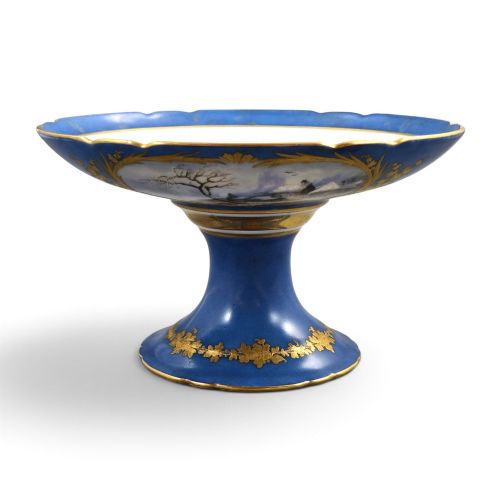
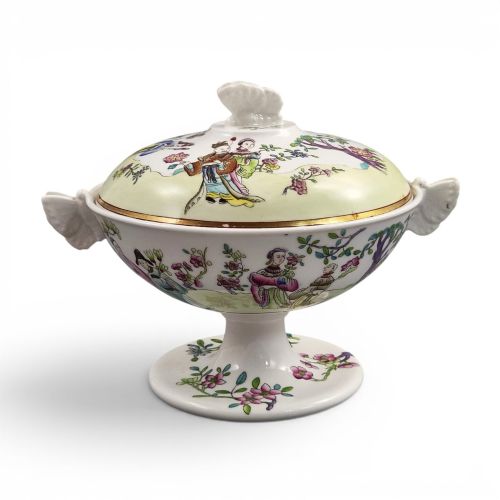
A porcelain pedestal compote stands as a raised serving vessel designed for fruit, sweets, and dessert displays. You encounter these footed pieces most often taking the form of comports, tazzas, and centrepieces dating from the Georgian, Victorian, and Edwardian eras.
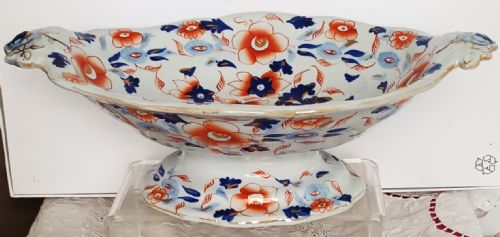
The English and continental makers produced these elevated bowls in varied regional styles, ranging from robust ironstone examples to refined bone china and Paris porcelain. They frequently appear as part dessert services or standalone centrepieces intended for formal tables.
Materials and production methods
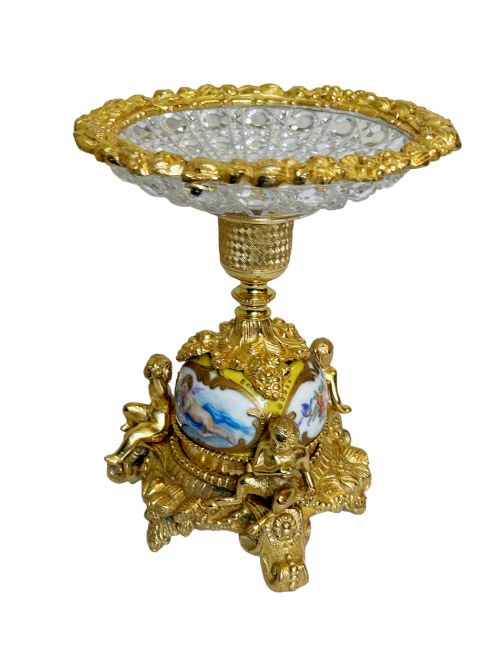
Potters shaped these vessels using hard-paste and soft-paste porcelain, bone china, and ironstone, often applying intricate enamel painting and hand-gilding with gold leaf. Many pieces incorporate applied three-dimensional ceramic flowers, cherubs, and putti modelled by hand.
Mounts in gilt bronze, ormolu, and cut crystal appear on select continental works, uniting ceramic bodies with metal foundations. Glazes provide smooth, protective surfaces over transfer-printed and hand-painted floral or landscape motifs.
Porcelain Pedestal Compote Retail Price Guide 2026
Typical asking prices for porcelain pedestal compote among the pieces listed under this phrase on Sellingantiques today, from the lower quarter to the upper quarter. They describe what is for sale here now, not the wider market.
Listings feature pieces spanning the Georgian, Victorian, and Edwardian periods, executed in porcelain, bone china, ironstone, and gilt bronze.
Judging quality and craftsmanship
The fineness of the hand-painted enamel work and the crispness of moulded details separate the superior examples from standard production. Rich, well-preserved gilding and delicate, undamaged applied floral elements indicate careful execution by skilled hands.
Structural complexity, such as figural supports with cherubs or pierced lattice bowls, demands higher technical proficiency from the pottery. The harmony between the porcelain bowl and its pedestal base defines the visual balance of the piece.
Royal Worcester·Coalport·Sèvres·Spode·Ridgway·Schierholz Plaue·Mason·Wedgwood·Minton·Sarreguemines
The Porcelain Pedestal Compote Glossary
- Compote
- A raised vessel with a foot or pedestal used for serving fruit or sweets at table. They appear frequently in nineteenth-century dessert services.
- Tazza
- A shallow bowl mounted on a pedestal stem, echoing classical forms. These pieces serve a purely decorative or high-status display function.
- Bone china
- A type of porcelain incorporating bone ash, known for its high strength, chip resistance, and milky translucency. English factories utilised this material extensively.
- Ironstone
- A heavy, durable type of feldspathic earthenware developed for utilitarian and semi-formal dining wares. It offers strong resistance to daily wear.
- Ormolu
- Gilded bronze mounts applied to ceramic bodies for decorative effect. French makers employed this technique to elevate the status of their compotes.
Porcelain Pedestal Compote: Frequently Asked Questions
What were porcelain pedestal compotes used for?
These vessels held fruit, sweetmeats, and confectionary during the dessert course of formal nineteenth-century banquets. They stood at the centre of the table as ornamental displays when not actively serving food.
As dining habits shifted towards relaxed service, their function became primarily decorative. Collectors today continue to use them for table centrepieces or mantel displays.
How do I date an antique compote?
Examining the paste, glaze, and factory marks on the underside provides the most reliable guide to age. Georgian and early Victorian pieces often feature hand-written pattern numbers and softer glaze textures.
Later Victorian and Edwardian examples display sharper transfer printing and stamped registry or factory ciphers. Stylistic clues, such as Rococo Revival curves or Aesthetic Movement motifs, narrow the decade of manufacture.
Can I use these compotes for serving food?
Most nineteenth-century pieces feature delicate enamel paints and aged gilding that can suffer from modern detergents and heavy use. Hand washing with mild soap preserves the fragile surface decoration.
Displaying dry fruit or utilising them purely as decorative objects prevents accidental scratching to the glaze. Antique ironstone versions offer somewhat greater durability for careful seasonal use.
What is the difference between a compote and a tazza?
A compote generally refers to a deeper footed bowl suitable for holding fruit or small items. The term tazza describes a shallower, plate-like vessel raised on a central pedestal.
Both forms served similar display and dessert functions on Victorian and Georgian tables. Makers often used the terms interchangeably in historical records and pattern books.