








White Porcelain Decorative Plate
These white porcelain decorative plate selections span centuries of ceramic artistry, offering striking hand-painted scenes and cabinet-ready forms for discerning interiors.
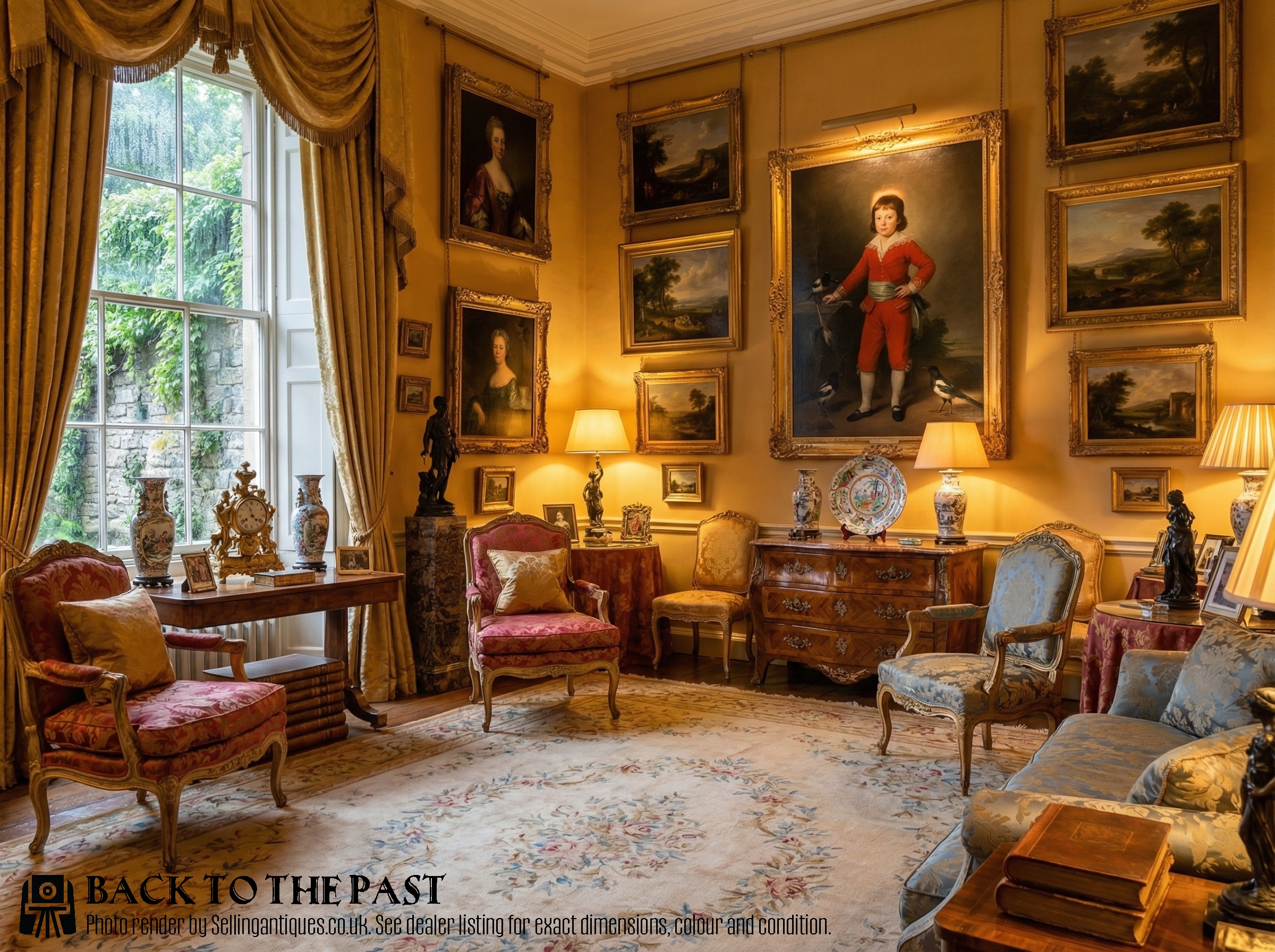
White Porcelain Decorative Plate
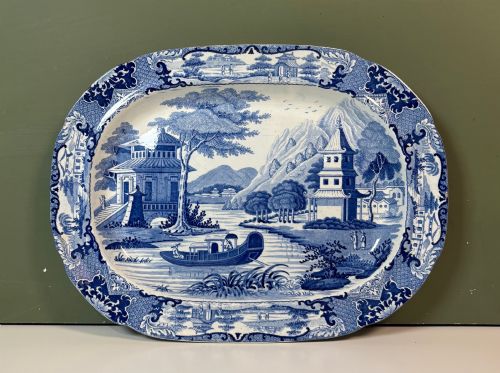
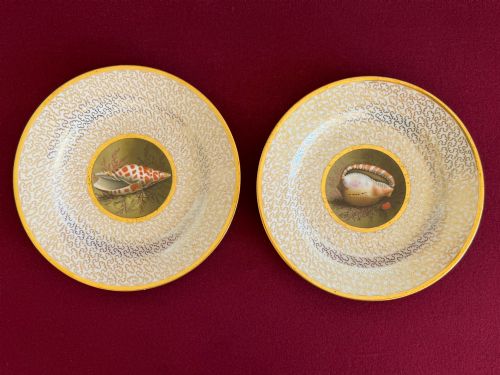
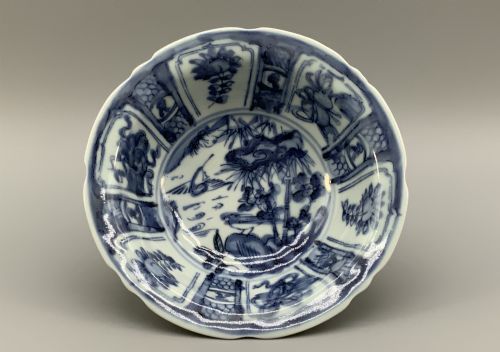
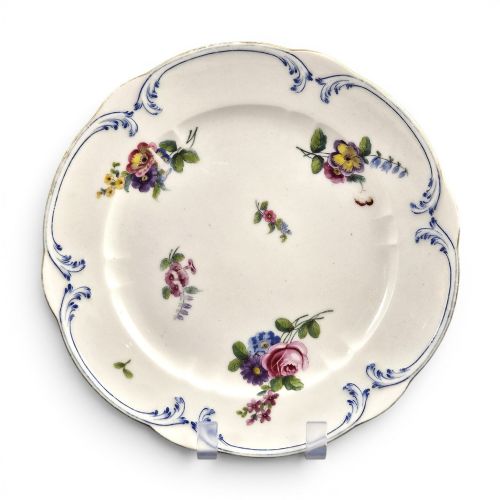
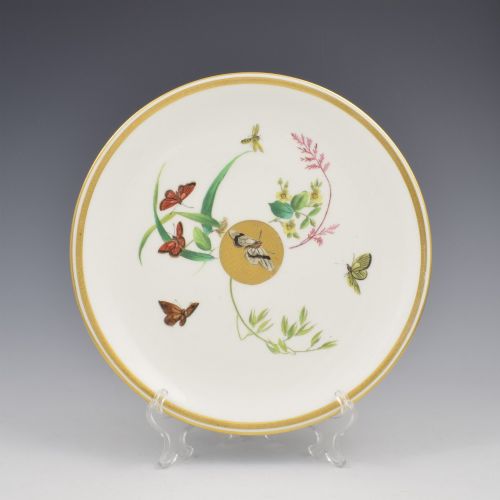
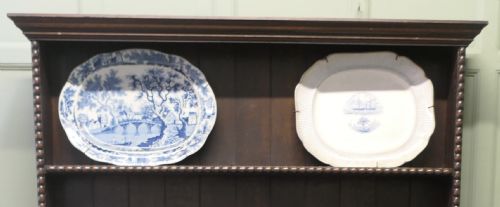
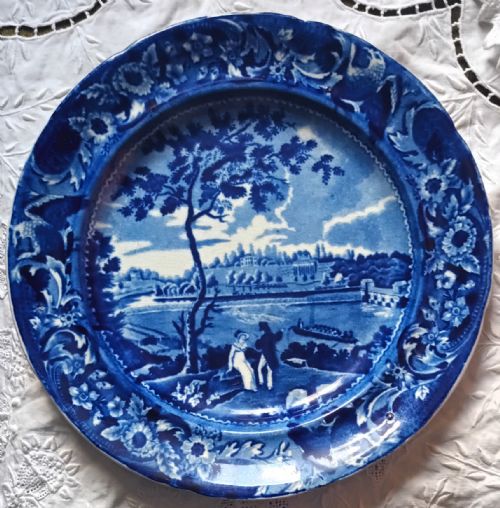
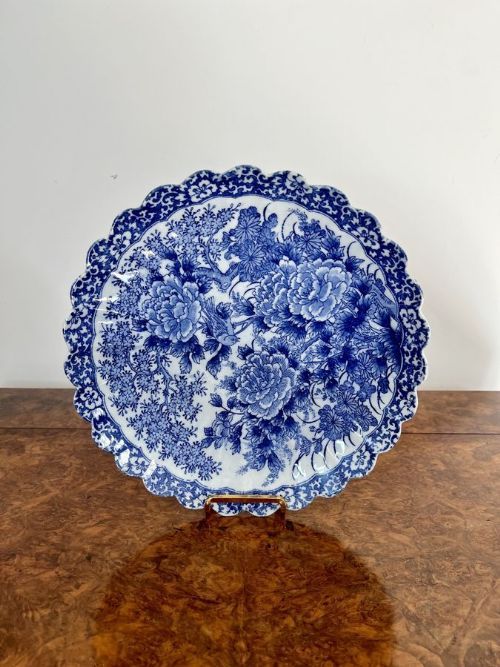
When searching for a white porcelain decorative plate, collectors encounter a diverse selection ranging from eighteenth-century European soft-paste services to nineteenth-century Japanese Imari chargers and Victorian cabinet pieces. These items serve primarily as display objects, designed for walls, cabinets, or sideboards rather than everyday dining.
The material spectrum on this page extends across hard-paste porcelain, bone china, and faience, originating from English factories like Minton and Worcester alongside continental manufacturers such as Sèvres and Meissen. Forms vary from scalloped dessert plates and moulded floral dishes to large wall chargers.
Victorian and eighteenth-century examples dominate the offerings, bringing intricate hand-painted motifs, topographical views, and classical shapes into modern domestic spaces.
Materials and production methods
The pieces listed rely heavily on hard-paste and soft-paste porcelain bodies, shaped by hand or moulded into specialised forms such as basketweave patterns and scalloped edges.
Decoration is achieved through underglaze blue and white painting, polychrome enamel application, and delicate hand-painting, frequently accented with gold leaf, gilding, and the specialised pate-sur-pate technique.
Glaze application and high-temperature firing provide the durable, lustrous surface characteristic of fine porcelain, protecting the underlying pigments and metallic accents.
White Porcelain Decorative Plate Retail Price Guide 2026
Typical asking prices for white porcelain decorative plate among the pieces listed under this phrase on Sellingantiques today, from the lower quarter to the upper quarter. They describe what is for sale here now, not the wider market.
The listings combine eighteenth and nineteenth-century European factories with Japanese Arita production, spanning porcelain, earthenware, and enamel.
Distinctions in quality and execution
The upper tier of these ceramics is defined by the crispness of the moulding, the precision of the hand-painted brushwork, and the sophistication of the glaze and gilding execution.
Makers such as Sèvres, Meissen, and Worcester demonstrate superior control in firing and pigment saturation, resulting in refined details and balanced compositions that lesser commercial productions lack.
Condition of the delicate enamel work, the integrity of the porcelain body, and the provenance associated with specific manufactories elevate certain examples above standard decorative ware.
Ambroise Michel·Stubbs·Flight Barr And Barr·Helena Wolfsohn·Meissen·Minton
The White Porcelain Decorative Plate Glossary
- Soft-paste porcelain
- A ceramic material composed of clay and glass frit, fired at lower temperatures than hard-paste. This body type has a slightly warmer tone and was widely utilised by eighteenth-century French and English factories.
- Hard-paste porcelain
- A true porcelain made from kaolin and petuntse, fired at very high temperatures. It yields a durable, vitrified body that resists scratching and absorbs little moisture.
- Imari
- A style of Japanese porcelain exported from Arita, typically characterised by a palette of underglaze blue, iron red, and gilt. These designs often incorporate floral and scrolling foliate borders.
- Pate-sur-pate
- A method of ceramic decoration where successive layers of liquid white porcelain slip are built up on a coloured clay body to create a low relief cameo effect. Minton factory artists frequently utilised this demanding technique.
- Faience
- Tin-glazed earthenware produced across Europe, particularly in France and the Netherlands. It provides an opaque white surface suitable for hand-painted polychrome decoration.
White Porcelain Decorative Plate: Frequently Asked Questions
How do I display a porcelain charger?
Large chargers and platters are typically mounted securely on walls using specialist plate hangers or displayed upright inside glass-fronted cabinets.
Positioning them away from direct sunlight preserves the hand-painted enamels and gilt highlights over time.
Can these antique plates be used for dining?
Most pieces listed are intended strictly for decorative display rather than culinary use due to their age and delicate enamel decoration.
Using antique cabinet plates for food service risks scratching the soft glazes and wearing away the hand-applied pigments.
What is the difference between hard-paste and soft-paste?
Hard-paste porcelain is fired at higher temperatures with kaolin, producing a vitreous, durable body that resists scratching from metal cutlery.
Soft-paste incorporates glass frit and is fired at lower temperatures, resulting in a softer appearance favoured by eighteenth-century European potteries.
How do I identify Japanese Imari ware?
Japanese Imari pieces originate from Arita and are instantly recognizable by their distinct colour palette of cobalt blue, iron red, and gold leaf.
Designs frequently feature complex scrolling foliate borders surrounding floral motifs or pictorial scenes.