






Polychrome Enamel China Plate
A polychrome enamel china plate brings vibrant hand-painted colour to the table, offering centuries of ceramic artistry for daily display or collection.
Polychrome Enamel China Plate
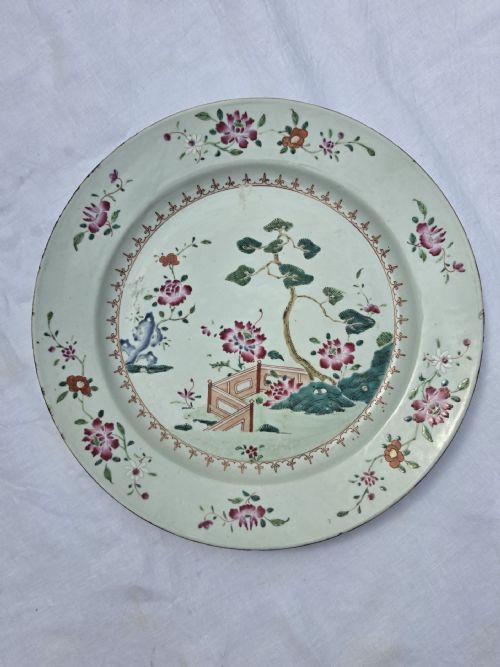
A polychrome enamel china plate is a ceramic vessel decorated in multiple colours of enamel over a glazed porcelain or ironstone body. When you search for a polychrome enamel china plate, you encounter wares originating largely from Chinese export kilns during the Qing dynasty as well as European manufactories.
The selections span distinct periods, notably the eighteenth century through to the early twentieth century. Forms range from large chargers and decorative plates to smaller saucers, trefoil trays, and matching tea bowls.
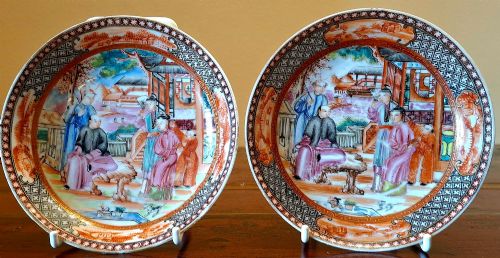
Chinese export examples frequently display classic Qianlong period characteristics, including famille rose palettes and mandarin pallet scenes. European alternatives, such as German hard-paste porcelain and English ironstone, introduce distinct regional patterns like Kakiemon designs and water lily motifs.
Materials and manufacture
These pieces rely on hard-paste porcelain or ironstone as a stable ceramic base, shaped into plates, saucers, and chargers before initial firing. Once formed and glazed, artists applied intricate designs using overglaze enamels in varied colours.
Gilding and gilt highlights were frequently added to enrich the surface detailing, requiring an additional low-temperature firing to bond the metals and coloured enamels securely to the glaze.
Polychrome Enamel China Plate Retail Price Guide 2026
Typical asking prices for polychrome enamel china plate among the pieces listed under this phrase on Sellingantiques today, from the lower quarter to the upper quarter. They describe what is for sale here now, not the wider market.
The listings span the eighteenth, nineteenth, and early twentieth centuries, incorporating porcelain, ironstone, enamel glaze, and gilt.
Assessing quality and execution
Quality rests primarily on the precision and fineness of the hand-painted brushwork across the enamel and gilt surfaces. Pieces featuring complex figural scenes, armorial bearings, or detailed botanical motifs demand greater artisan skill than simpler repeating patterns.
The purity and consistency of the porcelain body, along with the vibrancy and stability of the enamel glaze during firing, distinguish the finer studio output from standard utilitarian production.
The Polychrome Enamel China Plate Glossary
- Famille rose
- A major palette of Chinese ceramic enamels introduced in the eighteenth century, distinguished by opaque pink and rose colours derived from colloidal gold. This palette allowed for nuanced shading and pictorial depth.
- Hard-paste porcelain
- A true porcelain composed of kaolin and petuntse, fired at very high temperatures to produce a dense, vitrified body. It resists scratching and rings clearly when struck.
- Mandarin pallet
- A style of Chinese export porcelain decoration featuring crowded interior courtyard scenes with numerous figures in native dress. Borders often incorporate rich floral and diaper patterns.
- Overglaze enamel
- Pigments applied to the surface of a previously fired and glazed ceramic piece. The object undergoes a subsequent lower-temperature kiln firing to fuse the colours to the glaze.
- Armorial porcelain
- Ceramic wares commissioned specifically for European families, featuring their hand-painted heraldic coats of arms. These custom services were ordered through trade ports during the eighteenth century.
Polychrome Enamel China Plate: Frequently Asked Questions
How are these plates dated?
Dating relies on stylistic markers, baseline materials, and specific decorative palettes associated with reigns like the Qianlong period. Historical motifs, armorial records, and kiln techniques help narrow the production era.
Examinations of the unglazed foot rim and the wear patterns on the enamel provide additional clues to confirm whether a piece belongs to the eighteenth or nineteenth century.
Can I use these for dining?
While historic plates were made for functional use, antique pieces with delicate overglaze enamels and gilding are typically reserved for display. Utensil contact can wear away the hand-painted details over time.
Gentle hand washing in lukewarm water without harsh detergents preserves the fragile enamel pigments if you choose to use them occasionally.
What is Chinese export porcelain?
Chinese export porcelain refers to wares manufactured in China specifically for overseas markets in Europe and the Americas. These items combined traditional Chinese ceramic techniques with shapes and motifs requested by foreign buyers.
Many examples feature western armorials or tailored pictorial designs shipped through major trading companies during the Qing dynasty.
How do I display antique plates safely?
Displaying plates safely requires stable wall-mounting brackets or secure plate stands designed to support the specific weight and depth of the ceramic. Avoid locations exposed to direct sunlight or sudden temperature shifts.
Ensuring the mounting hardware does not pinch or scratch the porcelain rim protects the integrity of the piece over years of exhibition.
What is the difference between famille rose and other palettes?
Famille rose utilises an opaque pink enamel alongside a broader pastel spectrum that permits delicate tonal shading. Earlier palettes relied more heavily on greens or blues underglaze.
This innovation in pigment chemistry changed ceramic decoration by enabling lifelike renderings of flowers, robes, and faces.