





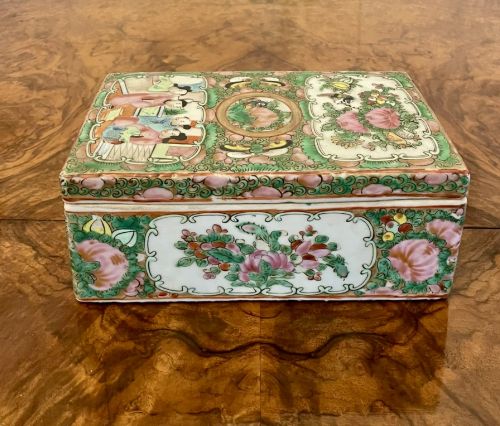
Rose Canton Porcelain Dish
A rose canton porcelain dish brings vibrant enamel panels and hand-painted motifs straight to the table, offering a colourful centrepiece for any traditional interior.
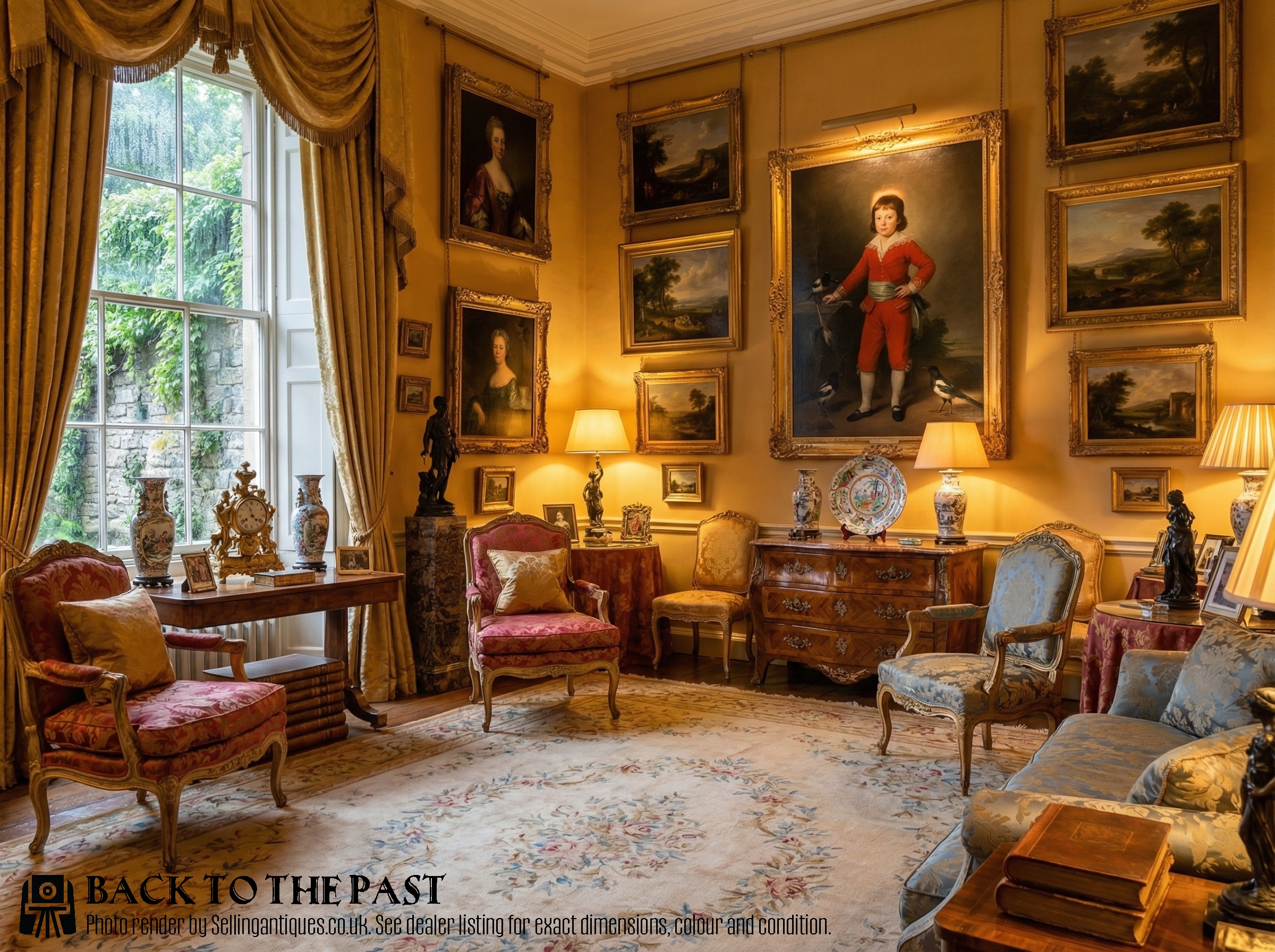
Rose Canton Porcelain Dish
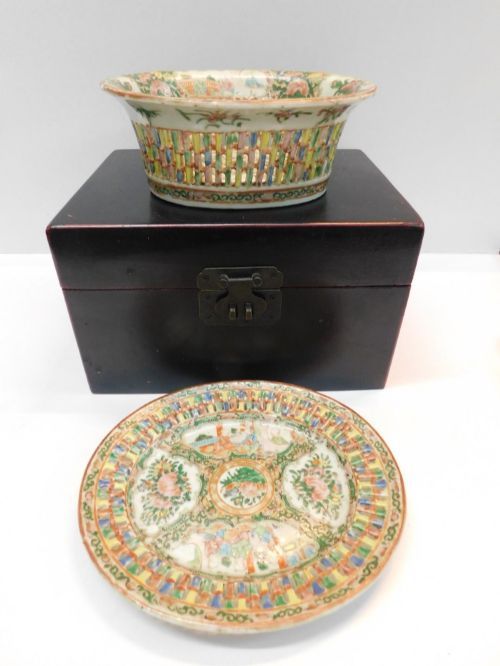
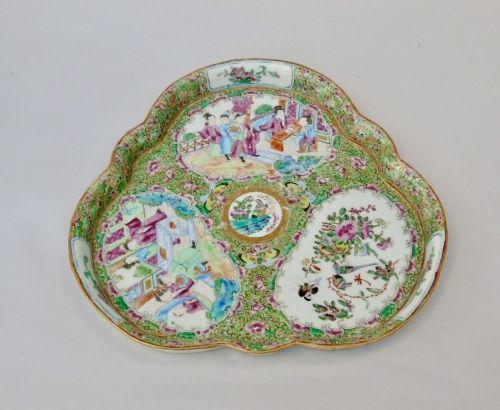
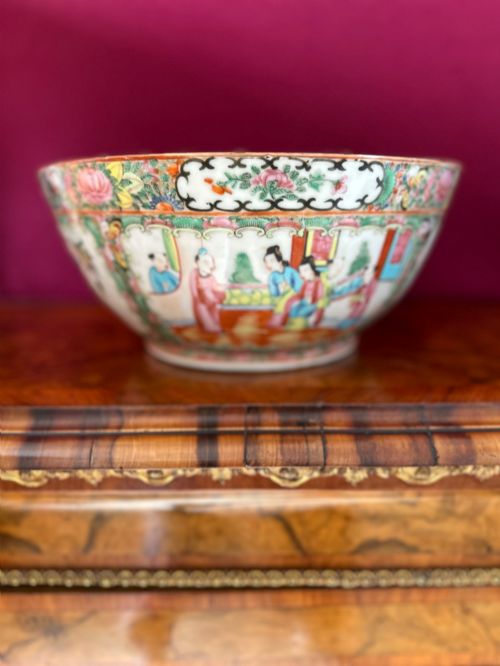
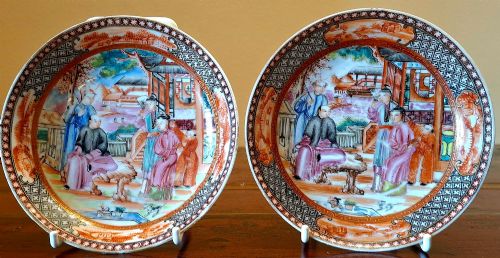
A rose canton porcelain dish represents a specific tradition of Chinese export porcelain decorated with bright polychrome enamels and gilding. These pieces mostly emerge from the nineteenth century, including Victorian periods, though earlier eighteenth-century examples also appear.
The forms span shamrock shapes, trefoil trays, pedestal dishes, and octagonal plates designed for decorative display or functional service. Buyers will frequently encounter nineteenth-century items alongside broader categories like decorative bowls and dishes.
Originating for export markets during the Qing Dynasty, these items combine Chinese manufacturing techniques with western decorative preferences. Each piece carries intricate hand-painted designs that distinguish the genre within antique porcelain collections.
Materials and Construction
These items utilise hard-paste porcelain as a base body, providing a durable and smooth foundation for the decoration. Potters shape the clay into lobbed rectangular bowls, saucers, and plates before initial firing.
Overglaze enamel and gold leaf are applied by hand over the fired glaze to create detailed pictorial and floral scenes. Gilding accents the borders and motifs, adding metallic richness to the vibrant colour palette.
Rose Canton Porcelain Dish Retail Price Guide 2026
Typical asking prices for rose canton porcelain dish among the pieces listed under this phrase on Sellingantiques today, from the lower quarter to the upper quarter. They describe what is for sale here now, not the wider market.
Listings feature hard-paste porcelain objects primarily from the 19th century and the Victorian era, alongside earlier 18th-century Qing Dynasty examples.
Assessing Quality and Execution
The fineness of the hand-painted brushwork determines the visual impact of each piece, distinguishing hurried production from careful artistry. Dense compositions featuring figures, birds, and butterflies demand precise control over the overglaze enamels.
The application of gilding and gold leaf reveals the maker's skill, with superior examples retaining crisp metallic highlights without rubbing. Consistency in the porcelain body and the clarity of the underlying glaze further separate standard items from exceptional ones.
The Rose Canton Porcelain Dish Glossary
- Famille rose
- A palette of opaque rose-pink enamel introduced in Chinese porcelain decoration during the eighteenth century. This colourway dominates the floral and figural scenes found on export wares.
- Hard-paste porcelain
- A dense, vitrified ceramic material fired at high temperatures using kaolin and petuntse. It forms the durable body characteristic of traditional Chinese export pieces.
- Overglaze enamel
- Coloured glass decoration applied on top of a previously fired and glazed ceramic surface. A lower temperature firing fuses these pigments to the glaze.
- Qing Dynasty
- The final imperial dynasty of China, lasting from 1644 to 1912. Much of the export porcelain traded internationally dates from this extensive period.
- Chinese Export
- Porcelain manufactured in China specifically for overseas markets in Europe and the Americas. These wares often adapt traditional shapes and motifs to suit foreign tastes.
Rose Canton Porcelain Dish: Frequently Asked Questions
How do I date a rose canton porcelain dish?
Dating relies on examining the characteristics of the porcelain body, the style of the overglaze enamel painting, and any associated period markers like nineteenth-century Victorian imports or eighteenth-century Qing examples.
Changes in palette brightness and the precision of hand-painted details help differentiate earlier export pieces from later nineteenth-century production.
Are these dishes safe for daily use?
While structurally robust, pieces featuring delicate overglaze enamels and gold leaf require gentle handling to preserve the painted surface.
Hand washing in warm water without abrasive cleaners helps protect the fragile gilding and coloured enamels from fading over time.
What is the difference between Canton and Famille Rose?
Famille rose refers primarily to the pink enamel colour palette used across various Chinese ceramic styles, while Canton specifically denotes wares decorated in the port city of Guangzhou for export.
Canton pieces frequently combine these pink enamels with green, yellow, and gold highlights arranged in distinct panel designs.
How should I display a decorative dish?
Displaying these items safely involves using stable plate stands or secure wall mountings designed for porcelain weights.
Keeping them away from direct sunlight protects the vibrant overglaze enamels from potential fading over extended periods.