
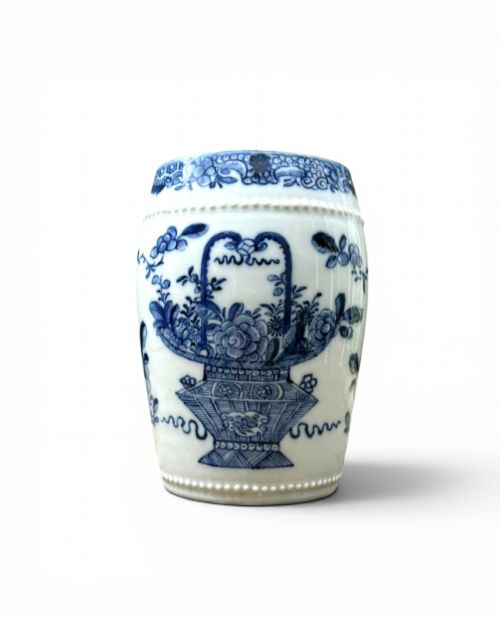
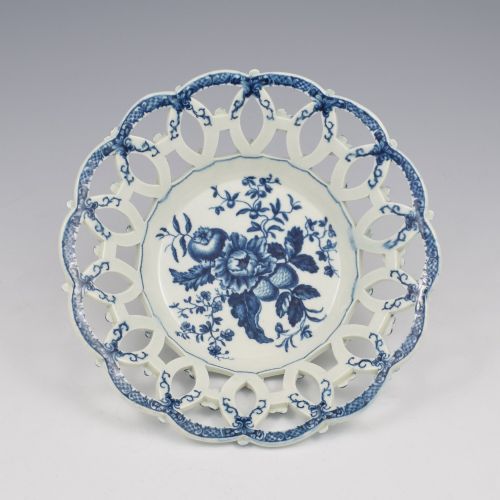


White Porcelain Basket
White porcelain baskets are elegant ceramic vessels designed for display, bringing tactile refinement and classic form to any room.
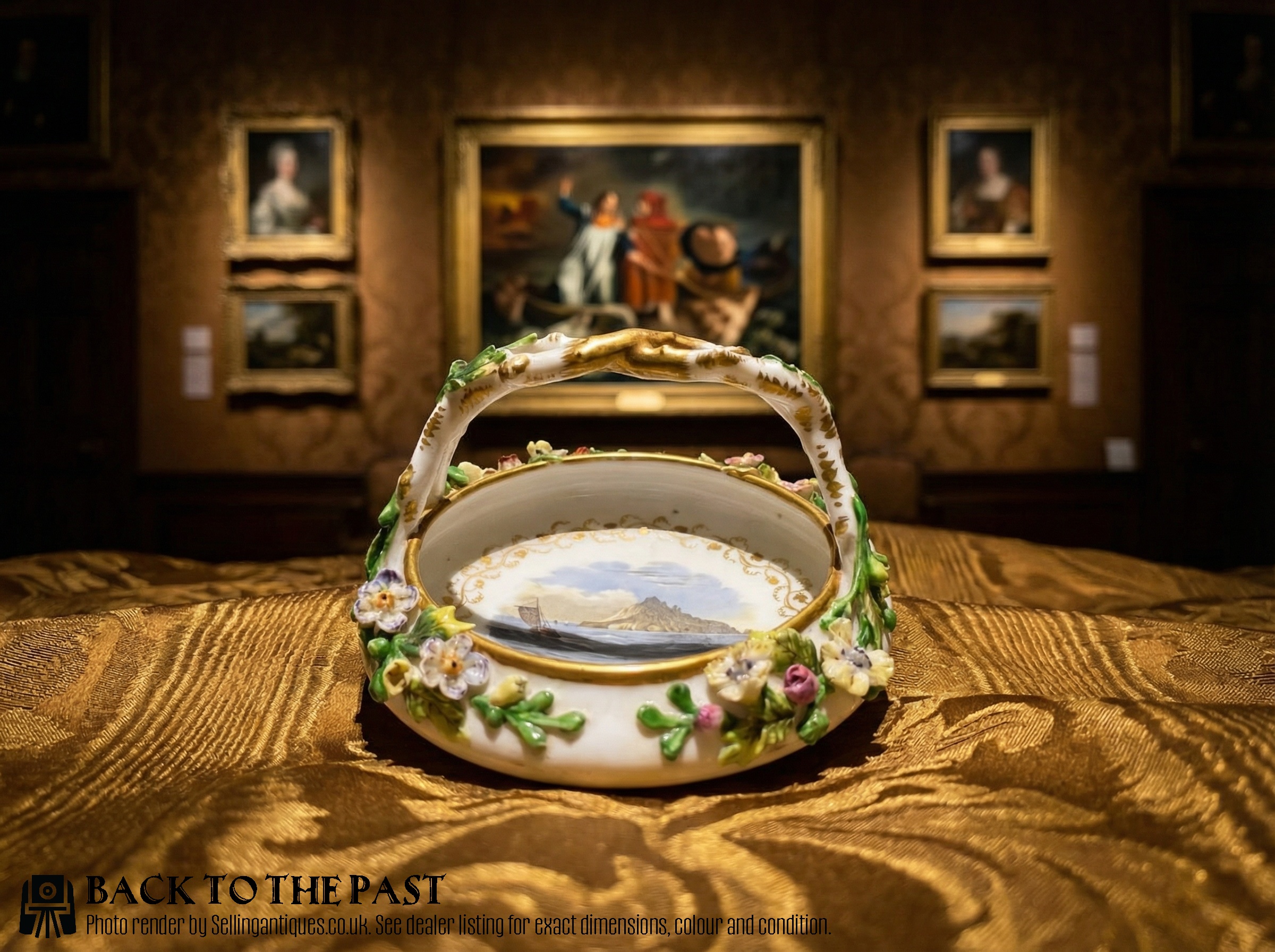
White Porcelain Basket
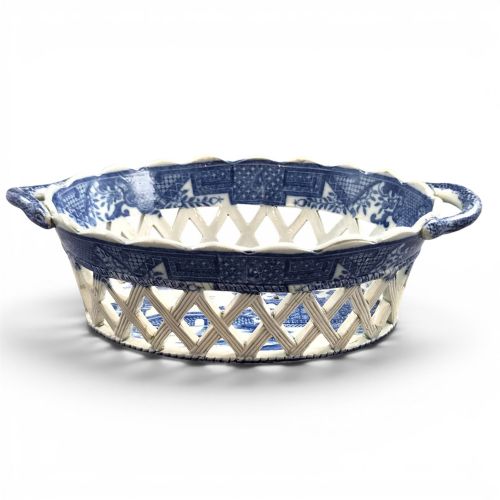
A white porcelain basket combines functional form with ornamental delicacy, appearing across the eighteenth and nineteenth centuries in various decorative styles. These pieces range from miniature cabinet items to larger centrepieces designed for fruit or flowers.
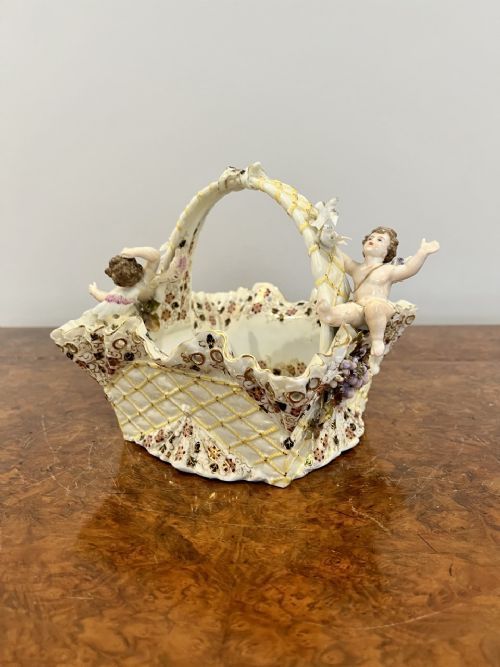
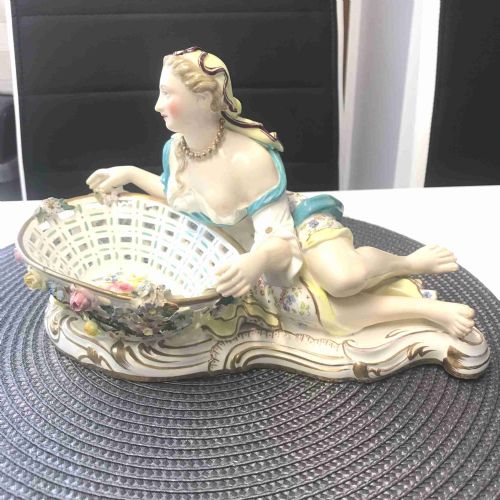
The selections on this page span the Georgian, Regency, William IV and Victorian eras, showcasing both English manufactories and continental influences like the Meissen style. Forms include Chestnut baskets and work basket dishes, reflecting the diverse domestic uses of ceramic ware.

How they were made
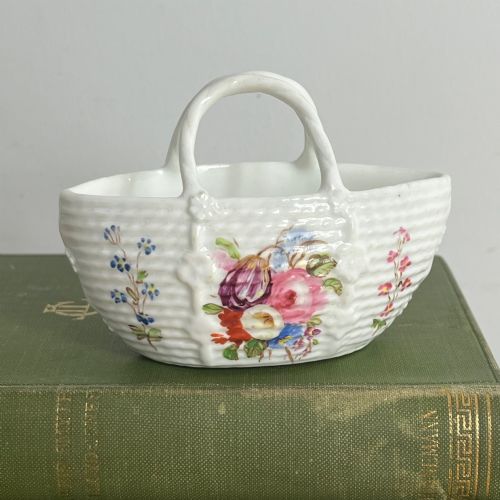
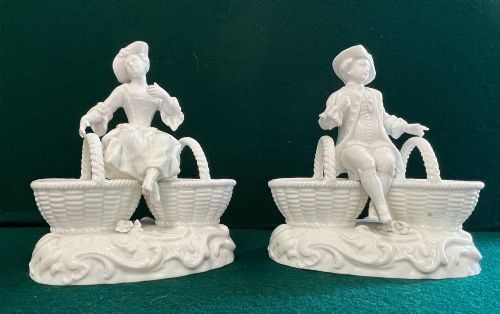
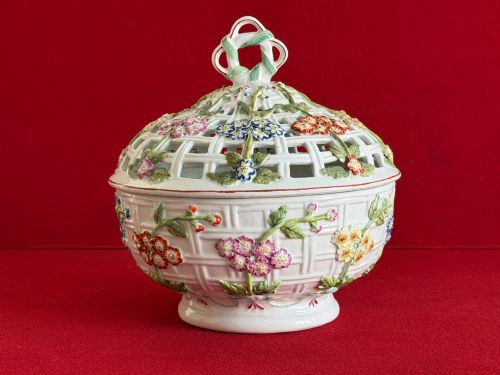
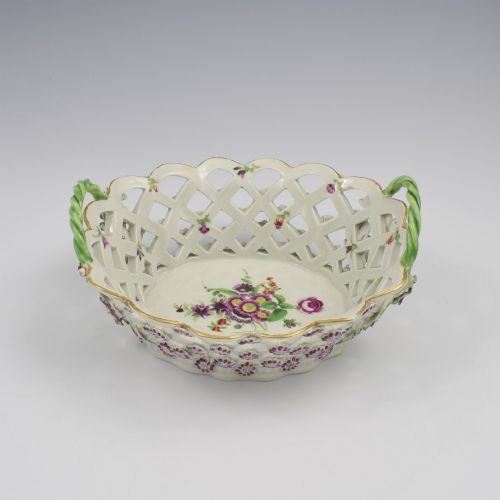
Potters utilised both hard-paste and soft-paste porcelain bodies, shaping them into openwork lattices or woven effects that mimic traditional wicker baskets. These constructions often incorporate applied ceramic flowers and intricate handle designs modelled by hand.
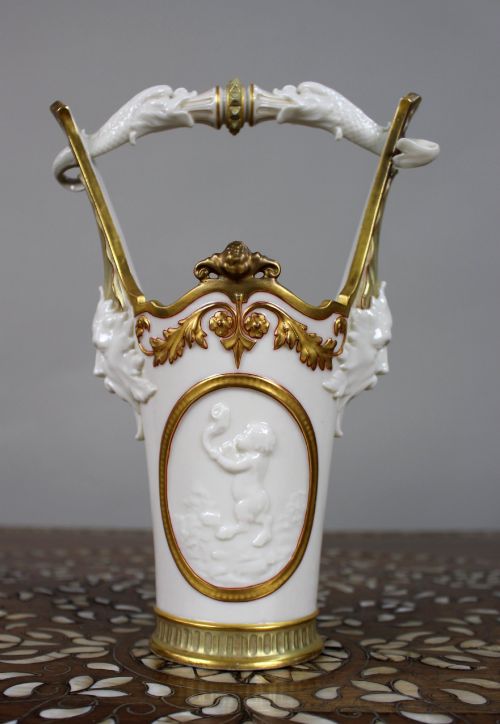
Decoration relied on handpainted floral motifs, polychrome enamels and subtle gilding with gold leaf, all fixed to the ceramic surface through high-temperature firing and glazing techniques.
White Porcelain Basket Retail Price Guide 2026
Typical asking prices for white porcelain basket among the pieces listed under this phrase on Sellingantiques today, from the lower quarter to the upper quarter. They describe what is for sale here now, not the wider market.
Materials recorded across the inventory include porcelain, soft-paste porcelain, enamel, gold leaf and glaze.
What varies in quality
Quality rests in the crispness of the modelled elements, particularly where applied flowers and pierced latticework retain sharp detail rather than softening in the kiln. Early pieces demonstrate superior mastery in paste preparation and porcelain translucency.
The handpainting also dictates value, with skilled botanical work and controlled polychrome enamelling elevating standard domestic wares to pieces of artistic distinction by named English factories.
Flight Barr And Barr·Dr Wall Worcester·Rockingham Porcelain·Meissen
The White Porcelain Basket Glossary
- Soft-Paste Porcelain
- An artificial porcelain composition fired at lower temperatures than hard-paste, common in eighteenth-century English factories. It yields a warm, creamy body ideal for delicate forms.
- Chestnut Basket
- A large ventilated vessel traditionally used at dining tables for serving chestnuts or fruit. These pieces often feature pierced sides and matching underplates.
- Polychrome
- Decoration employing multiple distinct colours, typically applied by hand in enamel pigments over the glaze. This technique allows for detailed floral scenes and botanical studies.
- Gold Leaf
- Beaten gold applied to ceramic rims and handles for decorative accent. It adds a layer of refinement standard in Regency and Victorian tableware.
White Porcelain Basket: Frequently Asked Questions
What were porcelain baskets used for?
These vessels served primarily as decorative table centrepieces for fruit, sweetmeats or roasted chestnuts during formal meals. Smaller miniature versions functioned as cabinet ornaments to display delicate painting skills.
Over the nineteenth century, they evolved into drawing-room ornaments and work baskets for holding sewing accessories, reflecting changing domestic habits.
How do I date an antique porcelain basket?
Dating relies on examining the paste composition, glaze characteristics and painting style alongside any factory marks on the base. Eighteenth-century pieces often use soft-paste porcelain with hand-modelled applied flowers, whereas Victorian examples display different manufacturing marks and denser porcelain bodies.
Contextual clues like Regency or Rococo Revival styling help narrow the decade of production when factory marks are absent.
How do I display porcelain baskets safely?
Place these delicate items on stable surfaces away from high-traffic areas where handles or applied flowers might catch on clothing. Because the woven lattice and applied floral elements are fragile, low shelves or enclosed cabinets provide the best protection.
Avoid direct, prolonged sunlight to protect handpainted polychrome enamels and gold leaf from fading over time.
How do I clean antique porcelain baskets?
Dust these pieces gently with a soft, dry brush to remove surface particles without catching on delicate pierced work. Avoid immersing antique soft-paste porcelain in water, as moisture can penetrate unglazed areas or old repairs.
Professional restoration advice should be sought if deeper cleaning becomes necessary for stained or soiled items.