



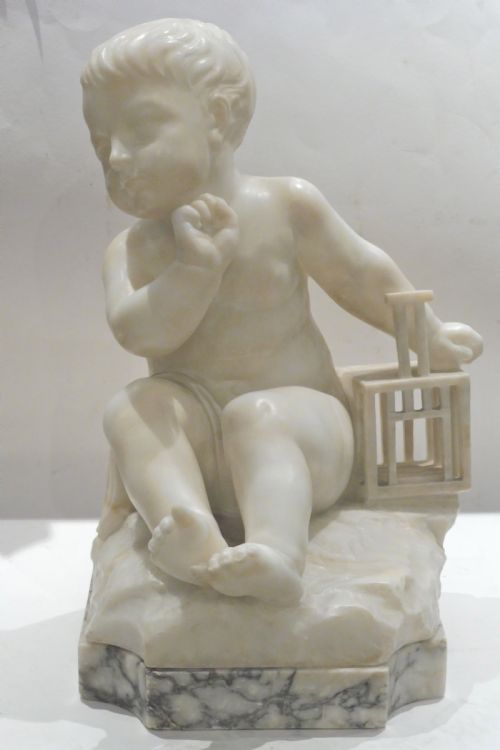

White Marble Base Sculpture
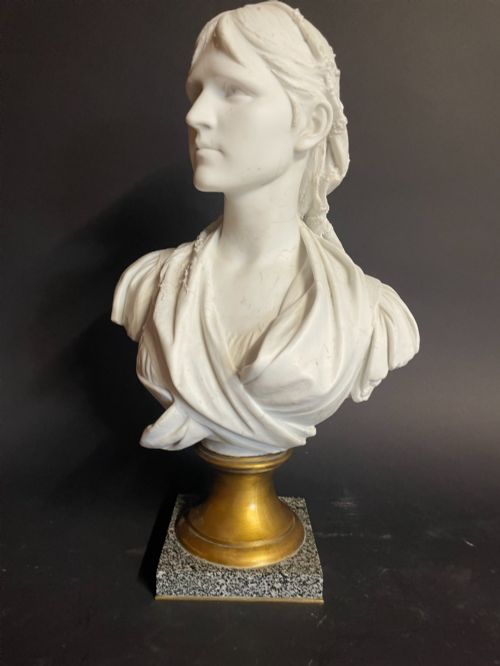
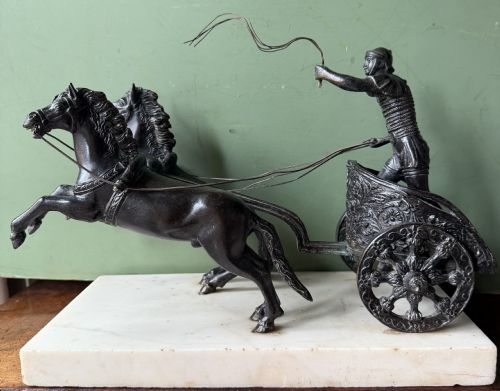
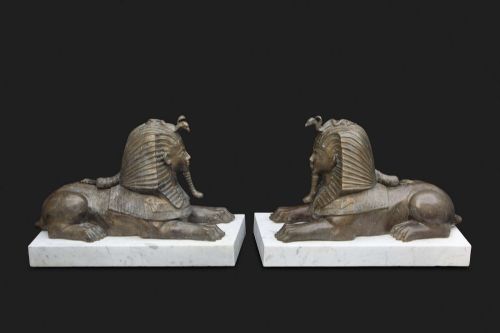
White marble base sculpture combines finely carved figures and mounts with substantial stone plinths.
White Marble Base Sculpture
A white marble base sculpture brings together sculpted figures and supporting plinths in materials such as Carrara marble, alabaster, and bronze. These pieces appear across periods from the nineteenth century into the twentieth century, incorporating Neoclassical, Art Deco, Art Nouveau, and Animalier styles.
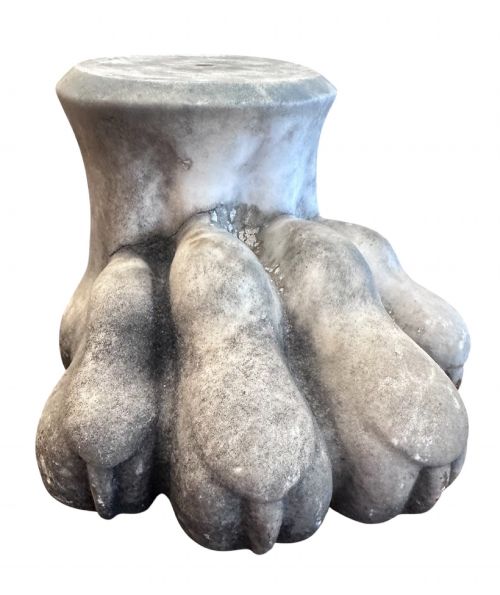
Buyers seeking a white marble base sculpture will encounter figural studies, animal bronzes, architectural elements, and table lamps mounted on stone. The most frequent examples pair cast bronze subjects with white marble plinths or feature carved marble busts set upon contrasting bases.
Materials and construction
Sculptors utilised white marble, Carrara marble, and alabaster for carved figures and architectural elements, shaping the stone through meticulous hand-carving. Bronze components were produced via the lost-wax casting method and subsequently hand-finished.
Many works combine multiple media, securing bronze figures, glass elements, or brass fittings onto heavy stone plinths made from white marble, Portoro marble, or granite. Bases often function as integral structural supports designed to stabilise heavier figural compositions.
Hunting dogs and foxes make frequent appearances alongside classical figures, proving that nineteenth-century sculptors loved pets just as much as mythology.
Judging quality in sculpture and mounts
The selection of materials also dictates standard, with high-grade Carrara marble and richly figured contrasting plinths elevating a piece. Structural integrity at the junction where the sculpture meets its marble base remains central to overall execution.
Clovis Masson·Vincenzo Gemito·Gory Paris
The White Marble Base Sculpture Glossary
- Carrara marble
- A type of white or blue-grey marble quarried in the city of Carrara in Tuscany, widely used for classical and nineteenth-century sculpture. It is prized for its fine grain and consistent texture.
- Animalier
- A nineteenth-century art movement and style focusing on the realistic depiction of animals, frequently rendered in bronze. Artists in this tradition paid close attention to anatomical accuracy and natural movement.
- Plinth
- A heavy block or slab acting as a base for a statue, column, or obelisk. In these works, contrasting marble plinths provide both visual weight and physical stability.
- Grand Tour
- The nineteenth-century practice of cultural travel through Europe by young upper-class Europeans, which generated a strong demand for souvenir bronzes and marble architectural models.
- Scagliola
- A composite substance made from selenite, glue, and pigments, embedded in plaster to imitate marble and other stonework. Artisans applied this technique to columns and architectural details.
White Marble Base Sculpture: Frequently Asked Questions
What periods do these sculptures cover?
The available pieces span from the mid-nineteenth century through the early decades of the twentieth century. Work from the eighteen-sixties often reflects Grand Tour souvenirs and classical subjects.
Later nineteenth-century and early twentieth-century examples incorporate Art Nouveau, Art Deco, and Animalier aesthetics. This timeline shows a continuous tradition of mounting carved figures on stone plinths.
Are all the bases made of white marble?
While white marble and Carrara marble bases are common, many sculptures utilise contrasting stone plinths. The evidence records bases made from Sienna marble, Portoro marble, Vert de Mer marble, and granite.
Some pieces pair white marble figures with darker stone bases to highlight the sculpture above. Material variation depends on the specific period and stylistic requirements of the maker.
How are bronze figures secured to marble bases?
Bronze figures are typically anchored to the marble base using threaded pins, bolts, or screws extending from the feet or lower support through the stone plinth. This mechanical fastening ensures the heavy metal sculpture remains firmly attached to the heavy stone.
Inspect the underside of the base to see the original mounting hardware. Secure attachment points are standard across nineteenth-century foundry work.