


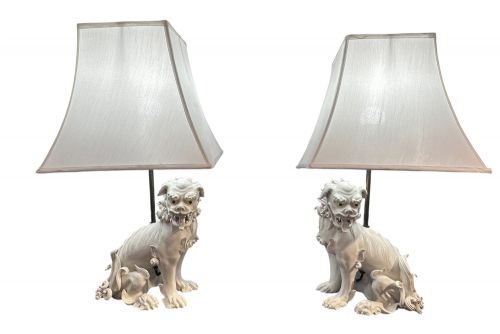


White Glazed Porcelain Pair
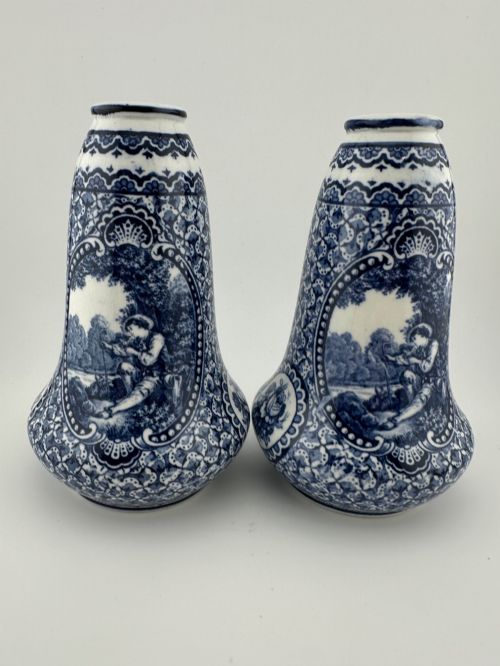
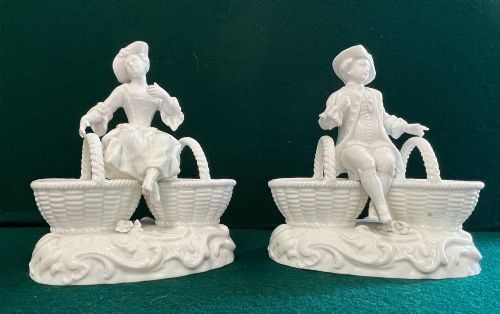
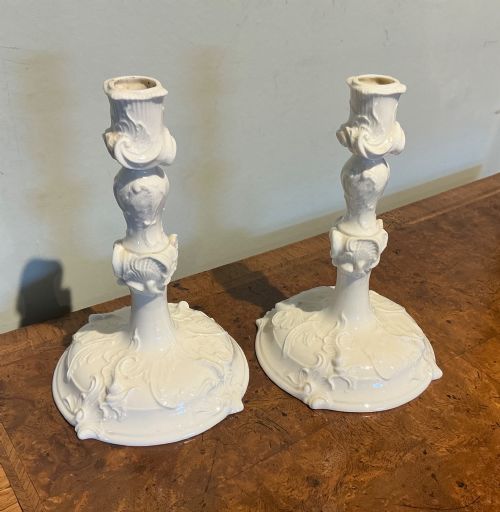
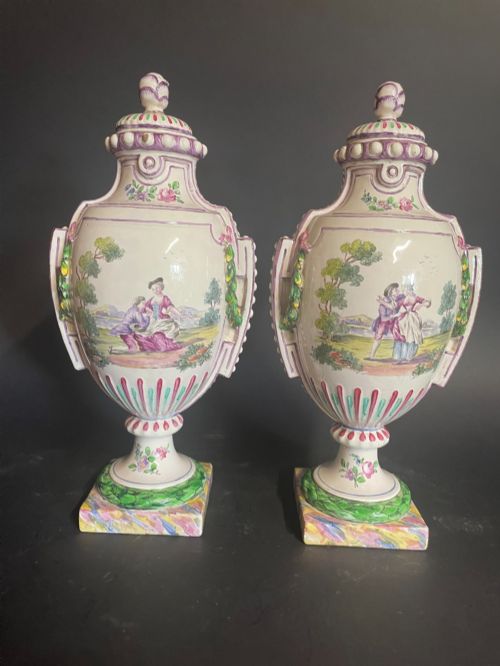
White glazed porcelain pair selections bring matched symmetry to mantelpieces and tables through figures, candlesticks, and urns.
White Glazed Porcelain Pair
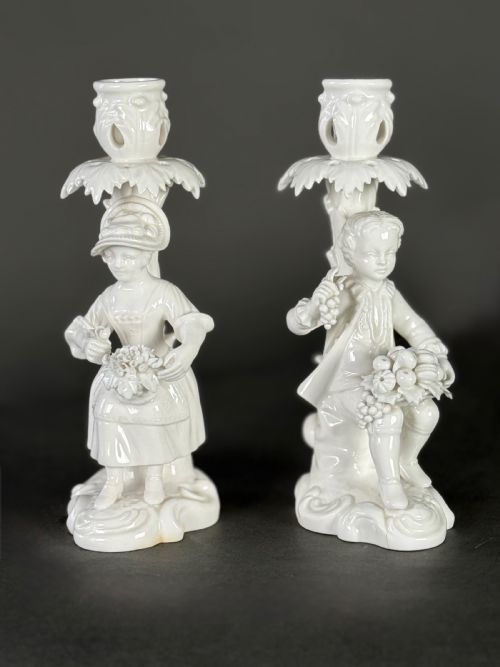
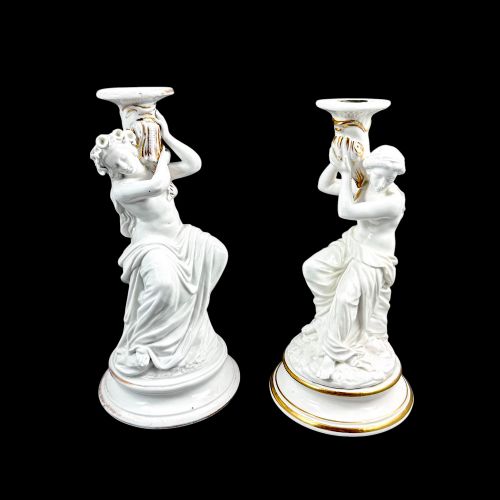
When you search for white glazed porcelain pair items, you encounter matching sets created for display and utility across the nineteenth and twentieth centuries. These objects take the form of figures, candlesticks, vases, lamps, and spill vases produced by European and Asian factories.
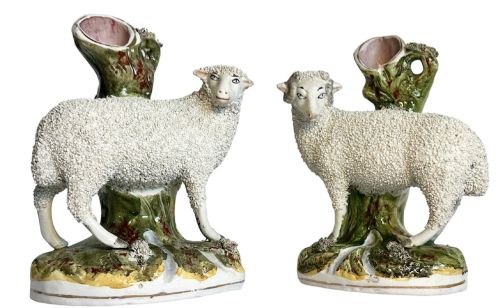
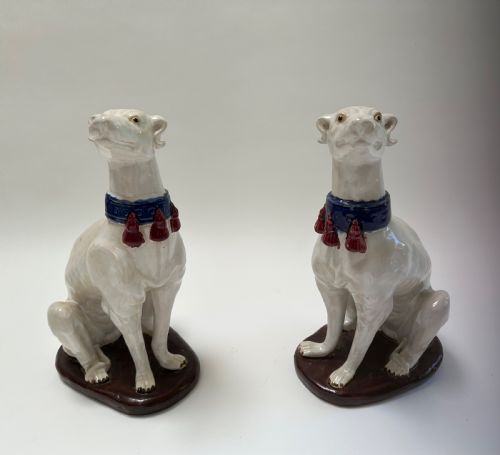
The most common versions met on this page include Staffordshire dogs and sheep, alongside continental figures and urns. Pieces range from Victorian earthenware and faience to hard paste porcelain and crackleware.
The selection encompasses diverse stylistic influences, including Rococo Revival, Chinoiserie, and Italian Renaissance Revival. Buyers find both utilitarian lighting components and purely decorative mantel ornaments.
How they were made
Makers utilised porcelain, ceramic, earthenware, and tin-glazed earthenware shaped into symmetrical forms. Artisans applied glaze and enamel to surfaces to achieve smooth finishes and lustrous sheens.
Certain items incorporate fabric elements or copper lustre alongside the primary ceramic body. Moulding and hand-finishing techniques allowed workshops to produce detailed figures, animals, and vases.
Firing processes hardened the clay and bonded the glaze to the surface. Factories such as Meissen, Nymphenburg, and Derby employed skilled modellers and painters to execute these matching works.
Go-to-bed candlesticks provided late-night illumination for weary Victorians marching off to slumber.
What varies in quality
The consistency of the glaze layer and the precision of the pairing affect overall harmony. Matching sets demonstrate uniform shrinkage during firing and balanced proportions between the two objects.
The reputation of the workshop or factory influences the standing of the piece. Factory marks and attribution to known modellers elevate the status of individual items within a pair.
Royal Bonn Franz Anton Mehlem·Meissen·Nymphenburg·Vion and Baury·T.J Jones·Sitzendorf·Beswick
The White Glazed Porcelain Pair Glossary
- Blanc de Chine
- A white porcelain produced in China, valued for its creamy glaze and later imitated by European kilns.
- Spill vase
- A hollow ceramic vessel designed to hold taper spills for lighting candles and fires.
- Faience
- Tin-glazed earthenware produced in France and other European regions, often featuring painted or glazed decoration.
- Crackleware
- Pottery or porcelain characterised by a network of fine cracks in the glaze, intentional in certain Asian and European styles.
- Hard paste porcelain
- A dense, durable ceramic composed of kaolin and petuntse, fired at high temperatures.
White Glazed Porcelain Pair: Frequently Asked Questions
What periods do these pieces date from?
The inventory spans the nineteenth and twentieth centuries, encompassing Victorian productions alongside earlier nineteenth century examples and mid century works.
Datings range from the early decades of the 1800s through to the 1940s, reflecting diverse manufacturing traditions across Europe and Asia.
How do I identify different styles?
Styles draw upon historical revivals such as Rococo, Louis XVI, and Italian Renaissance, visible in sculptural scrolls and classical motifs. Chinoiserie and Orientalist designs appear through figures like cockerels and Foo dogs.
Victorian pieces often favour sentimental animal subjects, whilst continental factories leaned towards mythological and courtly figures.
How should I display them?
Positioning them symmetrically on mantelpieces, sideboards, or console tables maintains their intended visual balance. Adequate lighting highlights the texture of the white glaze and hand-modelled details.
Keeping them away from high traffic edges protects delicate extremities like ears, tails, and candle nozzles.