




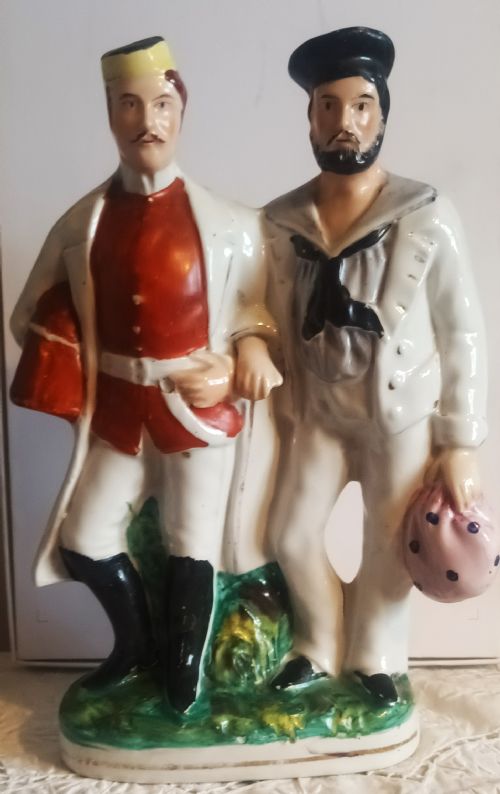
White Earthenware Figurine
A white earthenware figurine brings domestic warmth into a room, capturing Victorian subjects and animals in humble ceramic form.
White Earthenware Figurine
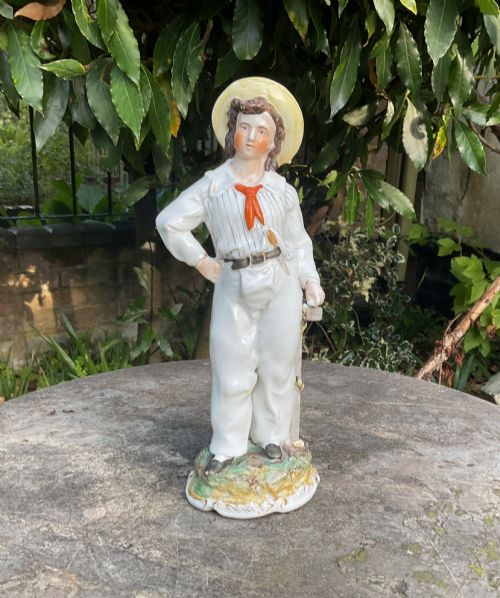
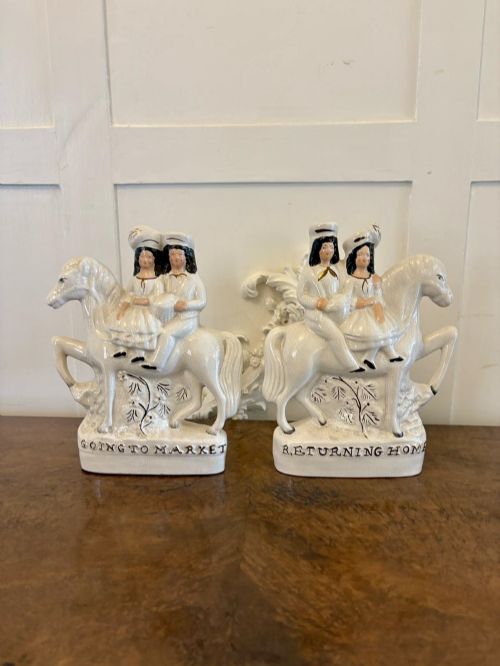
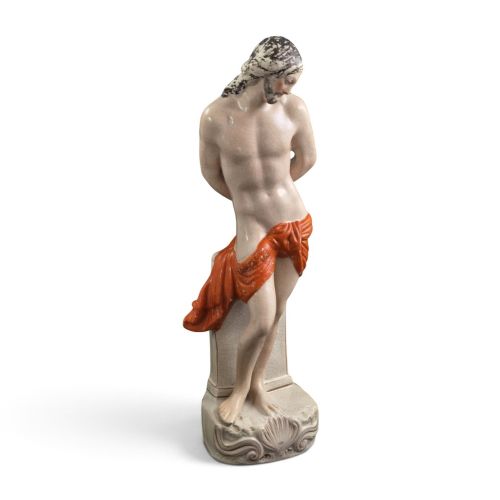
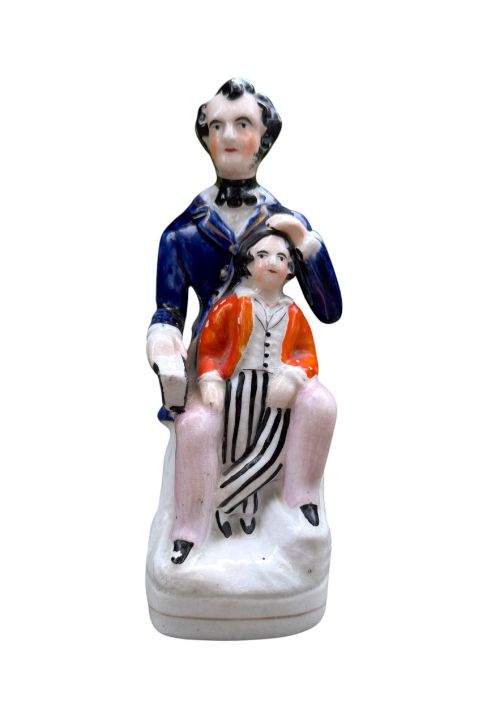
A white earthenware figurine is typically a Staffordshire pottery piece from the nineteenth century, depicting animals, historical figures, or literary characters. These objects were modelled to sit upon mantelpieces and shelves in homes, serving as affordable ornaments during the Victorian era.
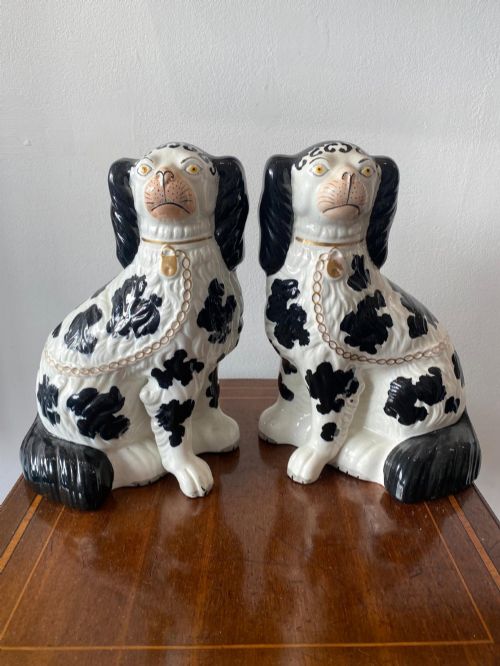
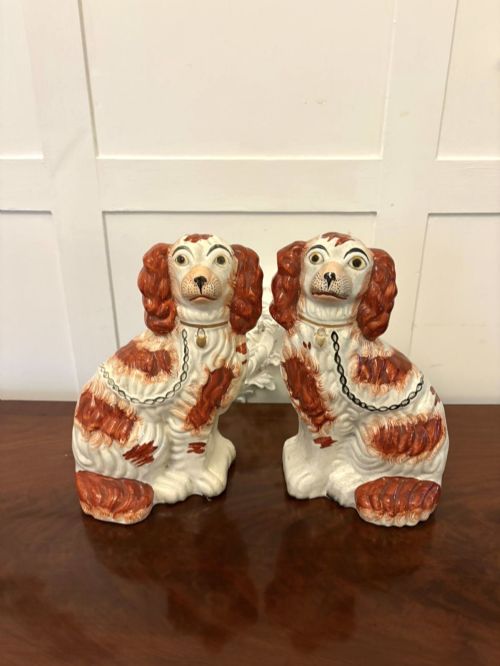
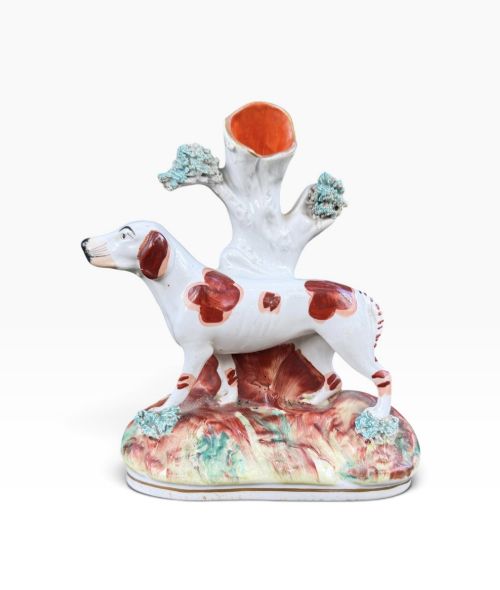
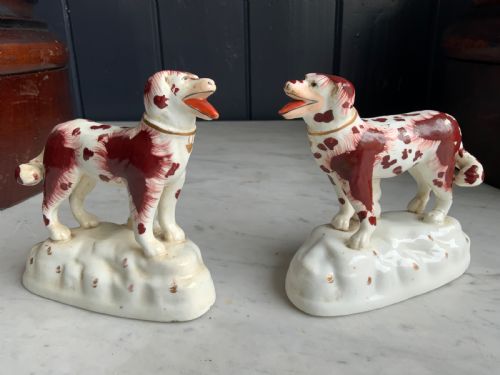
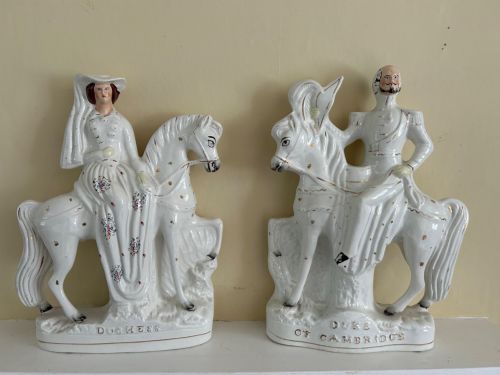
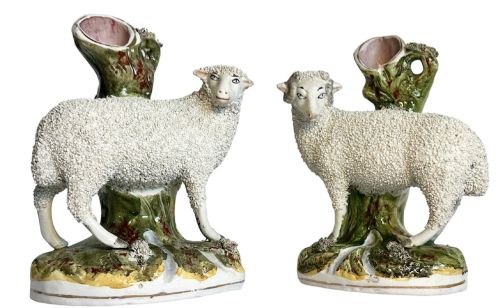
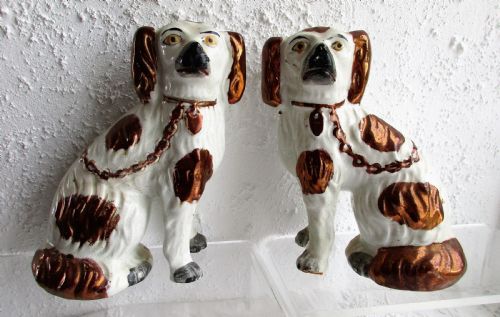
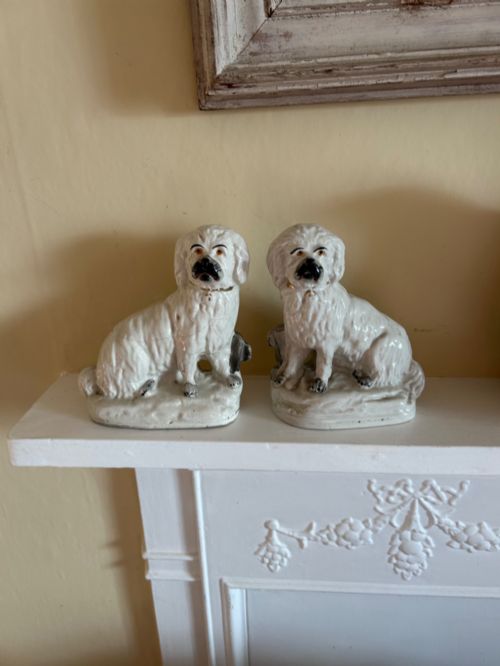
The selections span from pairs of seated spaniels and poodles to flatback portrait figures of political and military leaders. Many take the form of spill vases or watch holders, combining decorative appeal with a practical household function.
Materials and construction
Makers often cast the forms in moulds before hand painting the details, resulting in slight variations across pairs of dogs, sheep, and human figures.
White Earthenware Figurine Retail Price Guide 2026
Typical asking prices for white earthenware figurine among the pieces listed under this phrase on Sellingantiques today, from the lower quarter to the upper quarter. They describe what is for sale here now, not the wider market.
Poodles appear frequently with woolly coats formed by applying tiny ceramic clay curls before firing.
Judging the standard of a figure
The preservation of the original glaze and gilding dictates the integrity of the surface. Pieces that retain clean white earthenware bodies without extensive restoration command greater attention.
The White Earthenware Figurine Glossary
- Earthenware
- A porous type of pottery fired at a lower temperature than stoneware or porcelain, requiring a glaze to become impermeable to liquids.
- Flatback
- A style of figure where the rear is left unadorned or partially finished because the object was designed to stand against a wall on a mantelpiece.
- Spill Vases
- Hollow figures incorporating an attached cylindrical holder intended to contain wooden matches or taper spills for lighting fires and pipes.
- Glaze
- A glassy coating fused to the ceramic body through firing, providing a smooth, protective finish that can be clear or coloured.
White Earthenware Figurine: Frequently Asked Questions
How were these figures displayed?
Victorian households placed these ornaments on mantelpieces, sideboard tops, and chest of drawers, often arranged in symmetrical pairs.
They served to brighten modest parlours and signal the owners' interests in current events, royalty, or domestic pets.
Are these pieces made of porcelain?
Most of these items utilise earthenware rather than porcelain, which gives them a heavier, more opaque ceramic body.
Earthenware permitted simpler mass production methods suited to the Staffordshire potteries of the nineteenth century.
What subjects do the figures show?
The subjects range widely from domestic animals such as spaniels, poodles, and greyhounds to prominent historical and literary personalities.
Portrait figures often commemorate military conflicts, political figures, or theatrical actors of the Victorian period.
How do I care for antique earthenware?
Dust the surface gently with a soft, dry brush and avoid using water or chemical cleaners that might damage the enamel paint or gold leaf.
Keep them away from direct sunlight and areas prone to heavy moisture to preserve the glaze.