

White Ceramic Jar
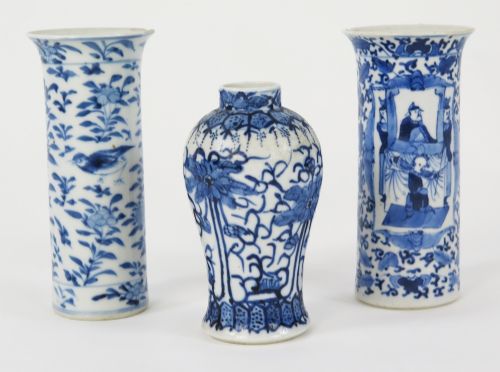
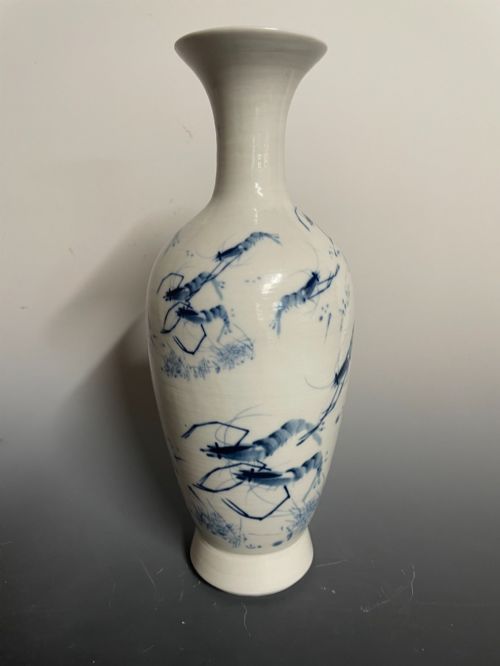
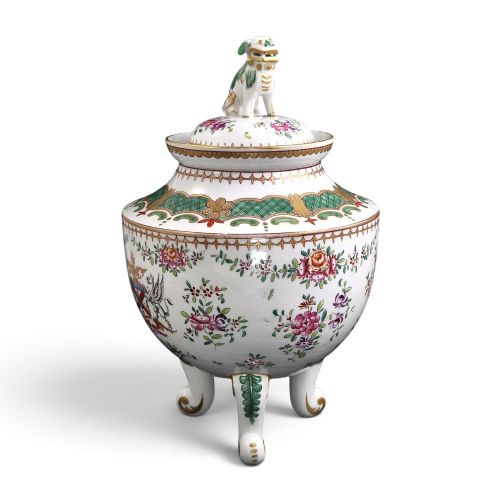
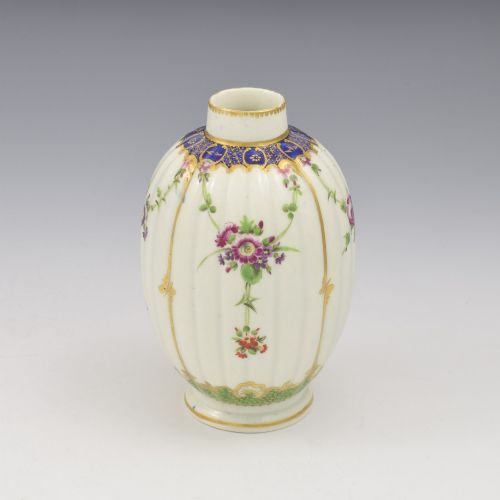
A white ceramic jar brings centuries of kilncraft and painted tin glaze into a room.
White Ceramic Jar
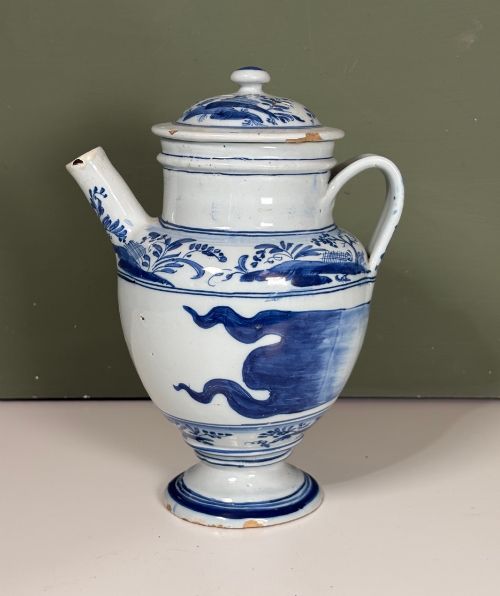
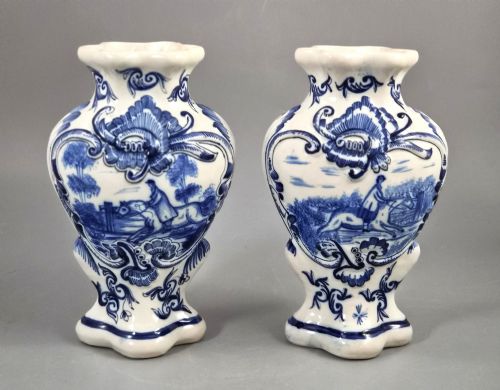
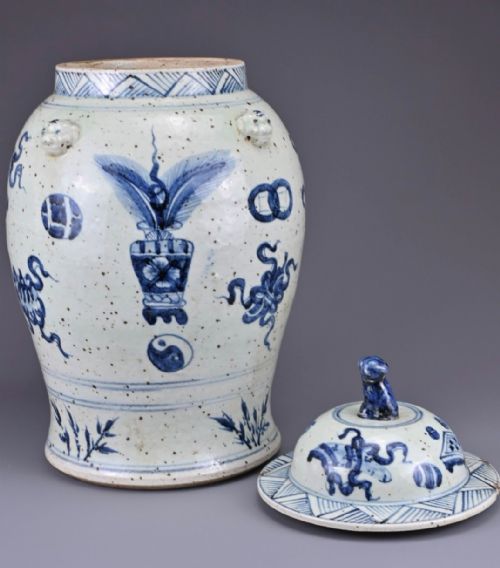
A white ceramic jar encompasses everything from apothecary vessels and tea canisters to lidded ginger jars and large display vases spanning the seventeenth to the twentieth century.
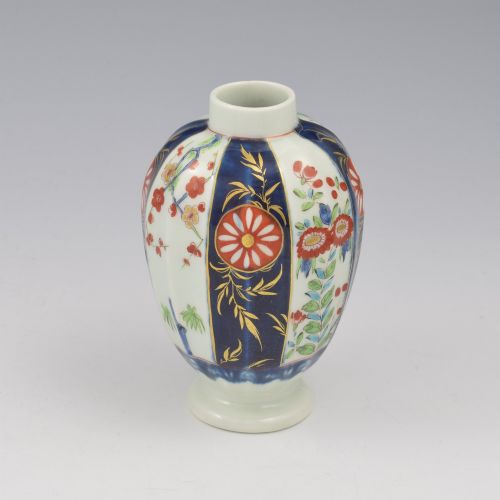
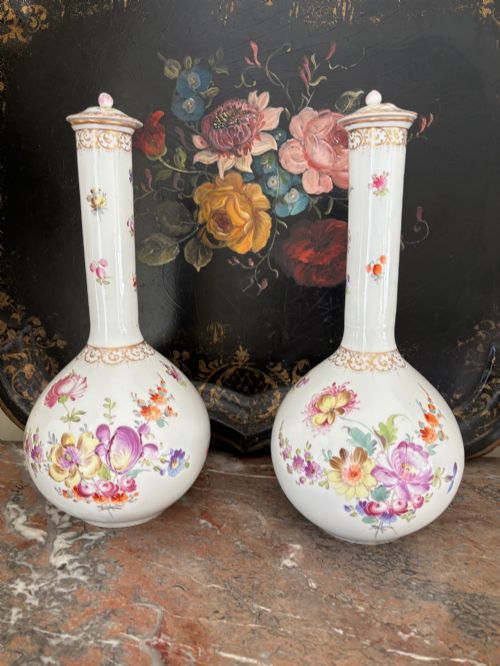
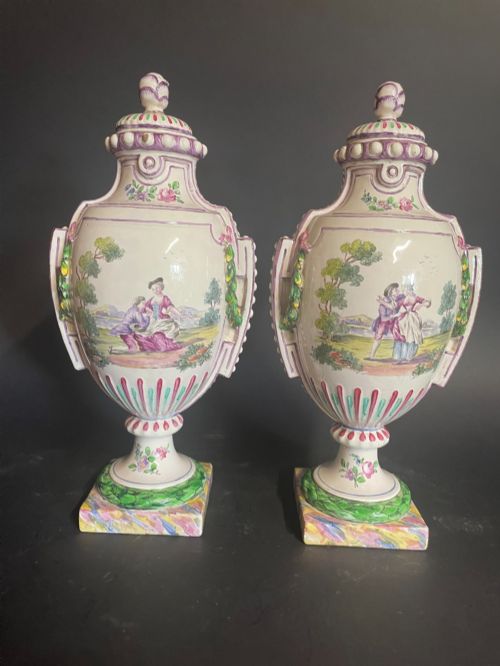
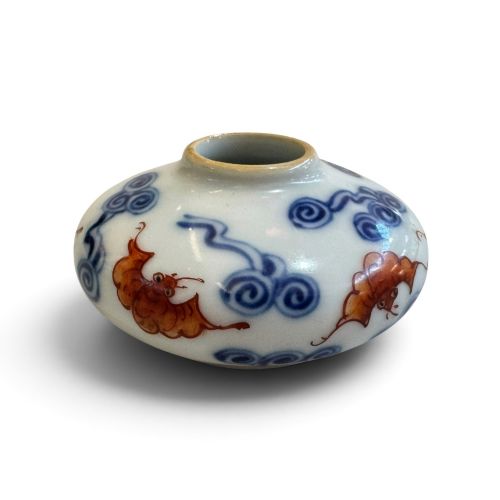
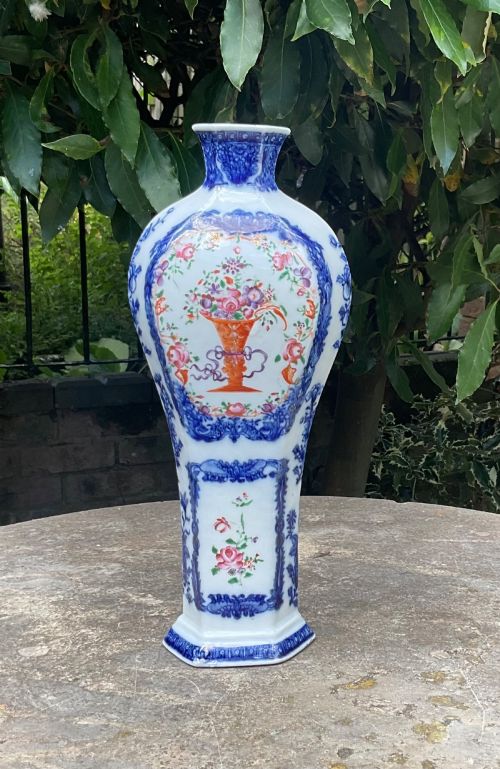
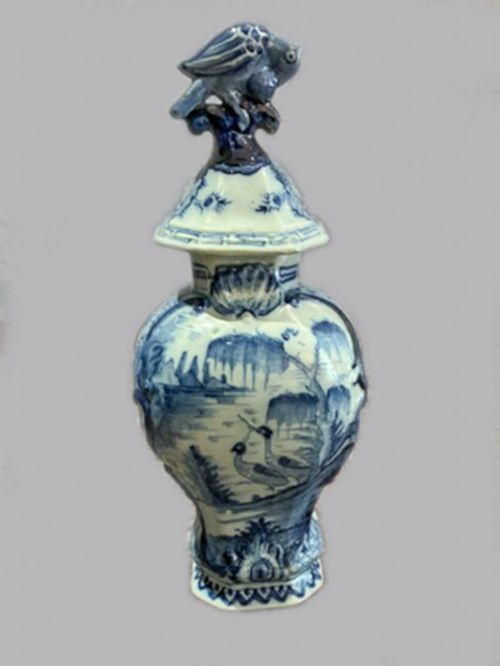
The search phrase frequently leads to Chinese export porcelain, eighteenth-century Delftware, and nineteenth-century European faience decorated in blue and white or polychrome enamel.
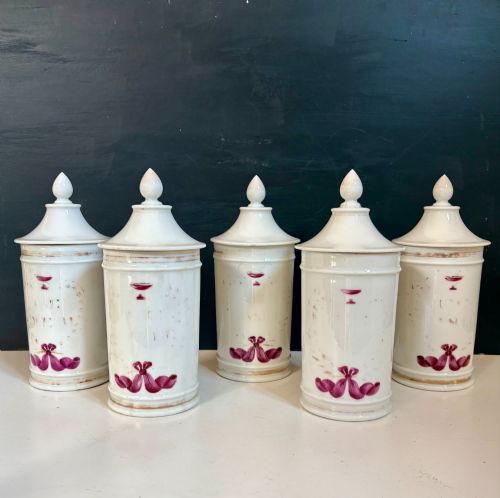
Vessels range from small pharmacy drug jars labelled for syrups and balsams to monumental baluster urns and bulbous jars with matching covers.
Materials and technique
Potters shaped these bodies from ceramic, earthenware, and porcelain, often coating the clay in a tin glaze or enamel to provide a smooth white ground for painting.
Decoration relied on underglaze blue and hand-painted pigments, occasionally supplemented by gold leaf or detailed floral and figural motifs applied before a final high-temperature kiln firing.
Listings span from seventeenth-century earthenware to twentieth-century porcelain, uniting European Delft and Asian export wares.
Evaluating craftsmanship
Quality rests upon the crispness of the hand-painted brushwork and the purity of the white tin glaze or porcelain body, where finer examples display precise detail and control.
The weight of the ceramic and the harmony between the jar and its original lid dictate the overall integrity of the piece.
Samson Paris·Fourmaintraux Courquin·Sitzendorf·Sceaux Faience·Chamberlain Worcester
The White Ceramic Jar Glossary
- Tin-Glaze
- Earthenware coated with a glaze containing tin oxide to create an opaque white surface. This technique forms the basis of European Delftware and maiolica.
- Apothecary Jar
- A storage vessel used in pharmacies to hold dry drugs, wet syrups, or ointments. They often feature painted Latin inscriptions denoting the contents.
- Famille Rose
- A palette of Chinese porcelain decoration introduced in the eighteenth century. It uses an opaque pink enamel alongside other soft polychrome colours.
- Baluster
- A jar shape characterised by a rounded body that tapers toward the base, resembling a traditional architectural baluster.
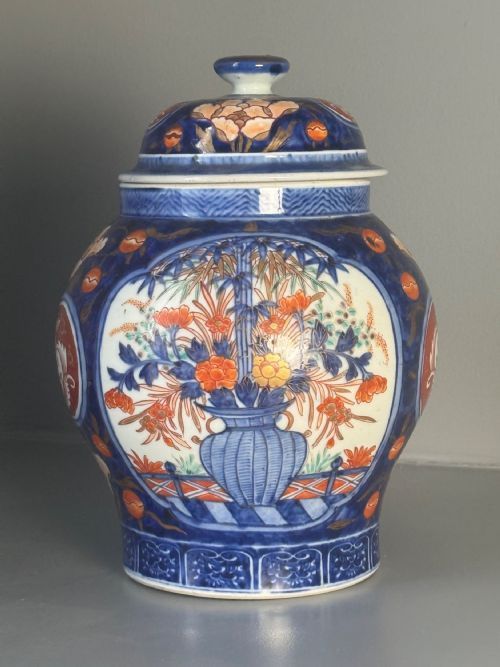
- Imari
- A style of Japanese export porcelain featuring underglaze blue, iron red, and gilt detailing. Pieces often display dense floral and brocade patterns.
White Ceramic Jar: Frequently Asked Questions
What is an apothecary jar?
An apothecary jar is a utilitarian container once utilised by chemists and pharmacists to store dry drugs or medicinal liquids. They are easily identified by painted labels detailing pharmaceutical contents.
Over time, these functional vessels transitioned into decorative objects prized for their historical inscriptions and classic forms.
Where were Chinese export jars made?
Chinese export jars were manufactured in kilns across China, notably at Jingdezhen, specifically for trade with European markets. These pieces combine traditional Chinese shapes with motifs tailored to Western tastes.
They frequently display blue and white or famille rose colourways.
Can I use these jars for storage?
While many antique jars retain their original lids, centuries of age mean they serve best as decorative display pieces rather than modern pantry containers. Lidded ginger jars and tea caddies add height and texture to interior shelving.
Care should be taken to protect the historic glaze and hand-painted surfaces.