






20th Century Porcelain
These pieces of 20th century porcelain span European kilns and Asian export wares, offering both decorative presence and functional service.
20th Century Porcelain
When you search for 20th century porcelain, you encounter a broad span of decorative and functional objects ranging from Edwardian table lamps to Chinese vases and European dinner services.
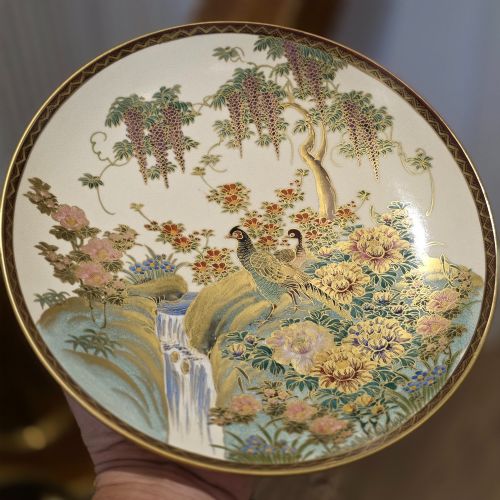
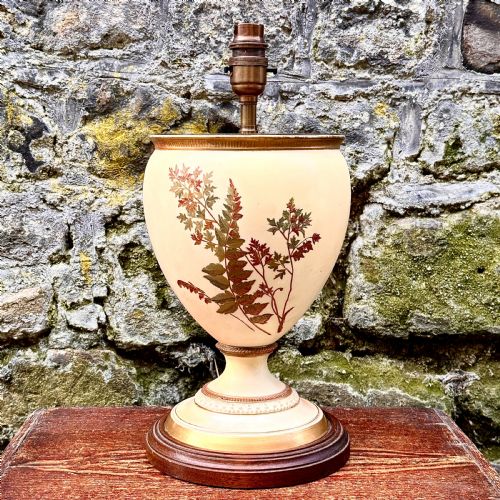
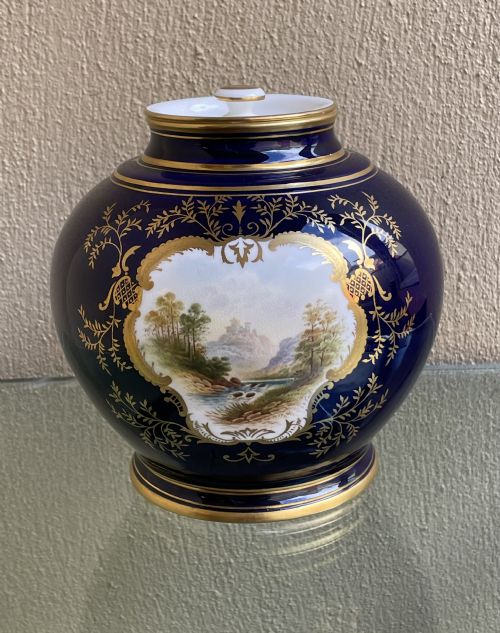
The objects on this page include table lamps, vases, wall plaques, punch bowls, and extensive tea or dessert sets originating from English, German, French, Hungarian, and Chinese workshops.
You are most likely to meet figures, vases, and tableware carrying stylistic influences from Art Nouveau, Art Deco, Chinoiserie, and traditional regional production centres active during the opening decades of the century.
Materials and methods
Potters utilised fine ceramic bodies, occasionally incorporating glaze, enamel, and gold leaf highlights to enhance the visual depth of the modelled forms.
Decoration relied heavily on hand painting, transfer printing, and incised motifs, combined with mounting in brass, wood, or ormolu for functional pieces such as lamps and lidded urns.
20th Century Porcelain Retail Price Guide 2026
Typical asking prices for 20th century porcelain among the pieces listed under this phrase on Sellingantiques today, from the lower quarter to the upper quarter. They describe what is for sale here now, not the wider market.
Listings feature porcelain from diverse periods including Edwardian, 1910, 1920, and 1930, utilising materials such as glaze, enamel, and gold leaf.
Judging quality in the material
Differentiation in quality rests upon the crispness of the modelled detail in figures and the precision of the hand painting found on panels, plaques, and vases.
Pieces bearing signatures of recognised artists or issuing from established factories demonstrate superior technical execution in both the firing of the glaze and the application of gilding.
Koshida·Royal Worcester·Cauldon Ltd·Meissen·Zhu Mao Ji·Paul Scheurich·Coalport·E O Ball·Royal Dux·Müller Volkstedt MV Co·Daisy Makeig-Jones·Ernst Wahliss·Herend·Oldest Volkstedt Factory·Teplitz Wien·Sitzendorf·Potschappel·Ackermann and Fritze·Alexandra Porcelain Works
The 20th Century Porcelain Glossary
- Blanc de Chine
- A white porcelain produced in Dehua, China, known for its milky glaze and lack of surface decoration.
- Famille Rose
- A palette of opaque enamels dominated by pink, introduced in Chinese ceramics and widely utilised through the twentieth century.
- Ormolu
- Gilded bronze used for mounts, handles, and bases on decorative porcelain vessels.
- Imari
- A style of Japanese export ceramics featuring underglaze blue and contrasting iron red and gold overglaze.
- Lithophane
- A thin porcelain panel cast with varying thickness to form a light-dependent photographic image.
20th Century Porcelain: Frequently Asked Questions
How do I identify the maker?
Makers are typically identified through underglaze blue stamps, impressed marks, or painted cyphers found on the base of the object. These marks connect the piece to specific European factories or Asian kilns.
Studying the specific style of the mark alongside the painting technique helps confirm the period of manufacture.
Were these items meant for display?
Many items, such as monumental vases, plaques, and decorative figures, were created solely for interior display in formal rooms. Other pieces combined decoration with utility, such as tea services and dinner plates.
Table lamps and bowls served practical domestic functions while showcasing artistic porcelain bodies.
How should I clean porcelain?
Cleaning requires warm water and a mild detergent, applied gently with a soft cloth to protect surface enamels and gilding. Avoid harsh scrubbing or soaking, particularly on pieces with delicate hand-painted details.
Unsigned or antique items with metallic mounts should be kept dry to prevent corrosion.