



White Bisque Sculpture
White bisque sculpture brings unglazed ceramic purity to interiors, capturing classical forms and figures in matte, absorbent porcelain.
White Bisque Sculpture
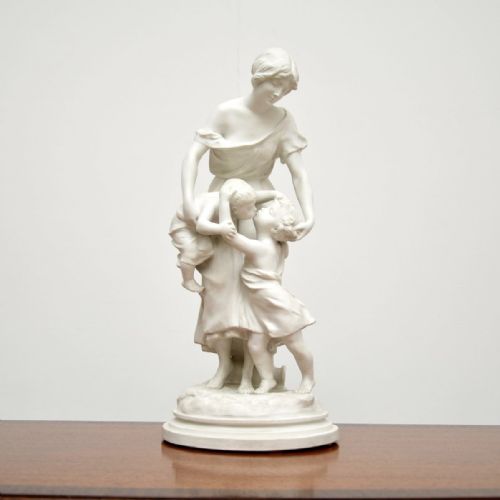
White bisque sculpture appears primarily in nineteenth century forms, spanning Georgian and Victorian periods through to the late eighteen hundreds. Buyers encounter classical figures, portrait busts, and figural groups shaped from unglazed ceramic materials.
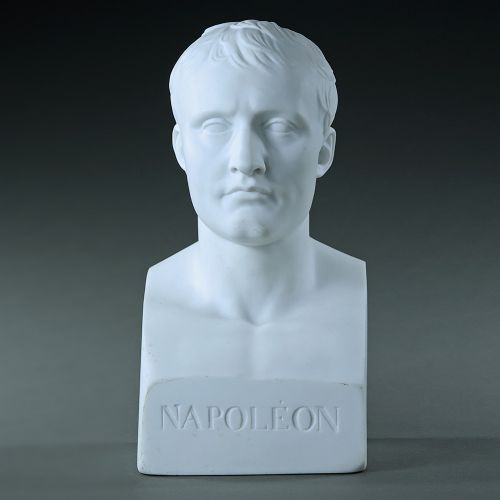
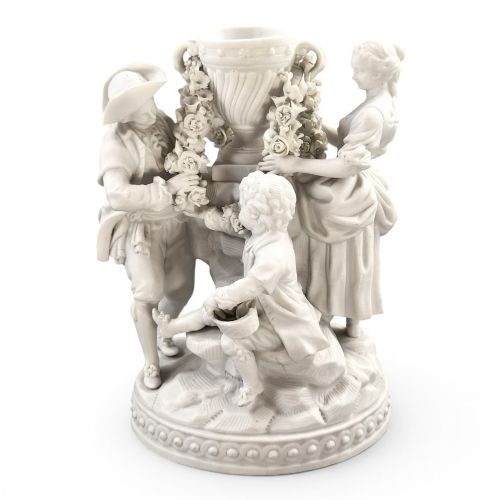
The selection ranges from early English biscuit porcelain figures to French neoclassical portrait busts and Swedish studies. French and English factories dominate the examples found here, alongside German porcelain groups and domestic studies.
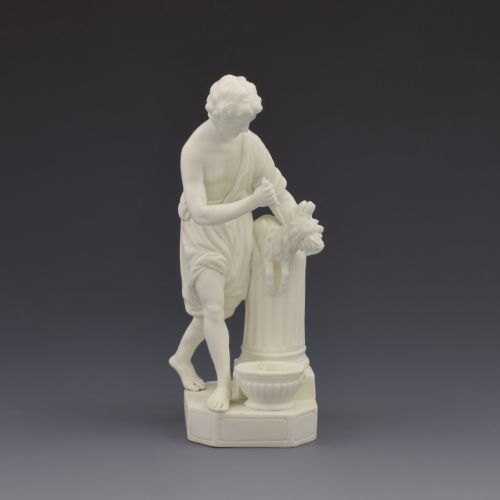
Figurines and statuettes represent mythological subjects, literary heroines, and allegorical scenes. These pieces capture the smooth finish and fine detail characteristic of nineteenth century ceramic production without surface glazes.
Materials and methods
Makers shaped these objects using parian porcelain, soft-paste porcelain, and biscuit ceramic, leaving the material unglazed to highlight the modelling. Parian ware provided a marble-like finish favored for Victorian statuary and portrait busts.
Listings feature nineteenth century parian porcelain and eighteenth century biscuit figures, dominated by neoclassical and Victorian aesthetic styles.
Quality differences
The choice of body - whether fine parian ware or soft-paste biscuit porcelain - affects translucency and texture. Factory execution, particularly from established houses, ensures balanced proportions and clean surfaces free from firing distortions.
Sèvres·Derby·Minton·Copeland·Vion et Baury
The White Bisque Sculpture Glossary
- Bisque porcelain
- Unglazed ceramic fired once or twice to achieve a matte, porous finish resembling marble. This surface absorbs light differently than glazed wares.
- Parian ware
- A type of hard-paste porcelain developed in the nineteenth century to imitate marble for statuary. It contains a high proportion of feldspar, which melts during firing to create a semi-translucent body.
- Biscuit porcelain
- Alternative term for unglazed ceramic figures and groups produced across English and European potteries. It provides a tactile, chalky texture suited to detailed figural work.
- Soft-paste porcelain
- An artificial porcelain composition fired at lower temperatures than hard-paste, common in eighteenth century figures. It yields a warm tone and slightly granular fracture.
- Neo-rococo
- A nineteenth century revival style embracing asymmetrical curves, scrolling foliage, and flamboyant ornamentation. It influenced decorative sculpture groups of the period.
White Bisque Sculpture: Frequently Asked Questions
What is white bisque sculpture?
White bisque sculpture consists of unglazed ceramic figures, busts, and groups made from porcelain or parian ware. These pieces were shaped in European factories during the eighteenth and nineteenth centuries.
The absence of glaze leaves a matte, porous surface that emphasises the underlying modelling and fine details of the human form or drapery.
How do you clean white bisque?
Because the ceramic is unglazed and porous, moisture and dirt can sink into the matte surface. Cleaning requires dry methods such as soft brushes or specialised conservation sponges.
Water and liquid cleaners should be avoided unless handled by a professional, as they can stain the absorbent porcelain body permanently.
Where were these sculptures made?
Production centres spanned England, France, and Germany, with notable output from factories in Staffordshire, Derby, Sèvres, and Volkstedt. Each region developed distinct paste compositions and sculptural styles.
English makers favored parian for literary and classical statuary, while French and German houses produced decorative groups and portrait busts.