

White Cupboard
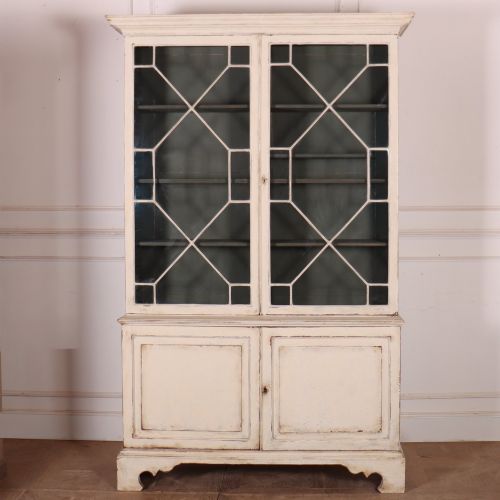
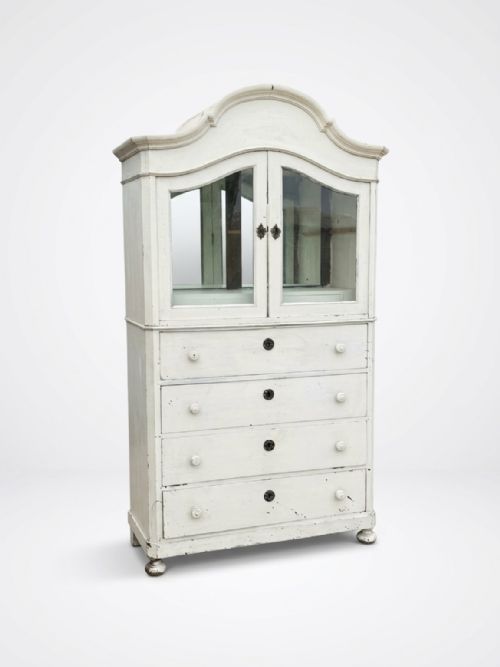
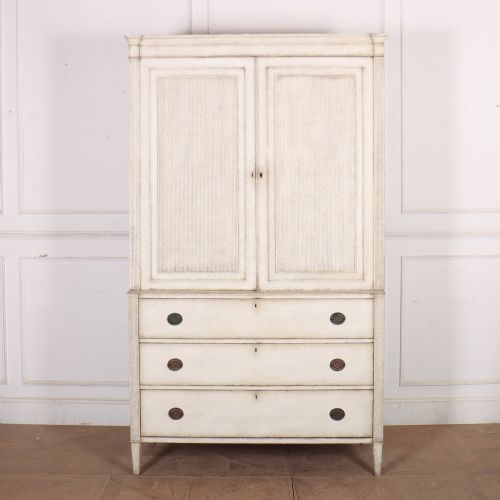
A white antique cupboard brings light and practical storage into a room, spanning periods from the eighteenth century to the early twentieth.
White Cupboard
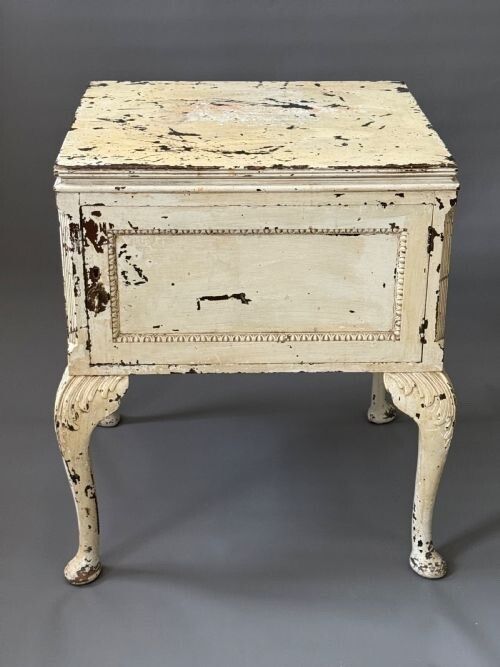
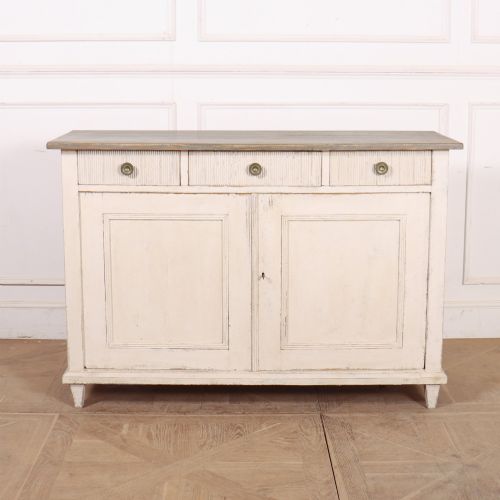
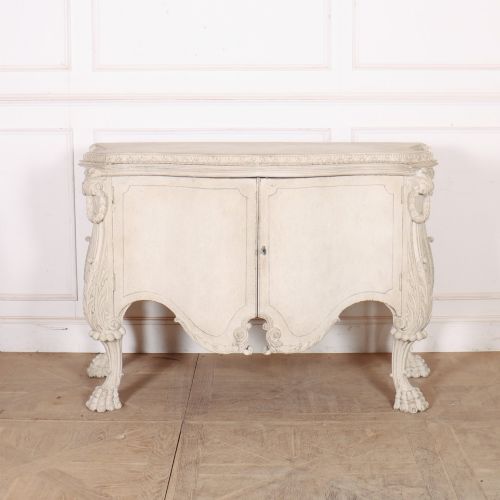
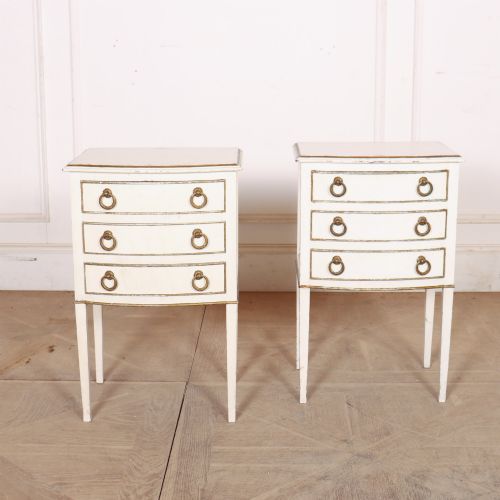
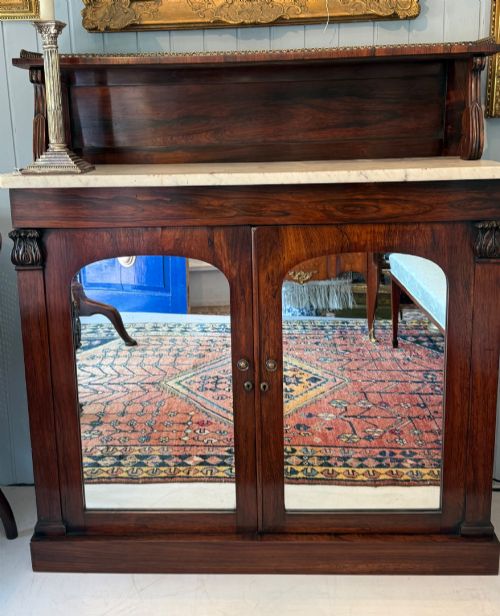
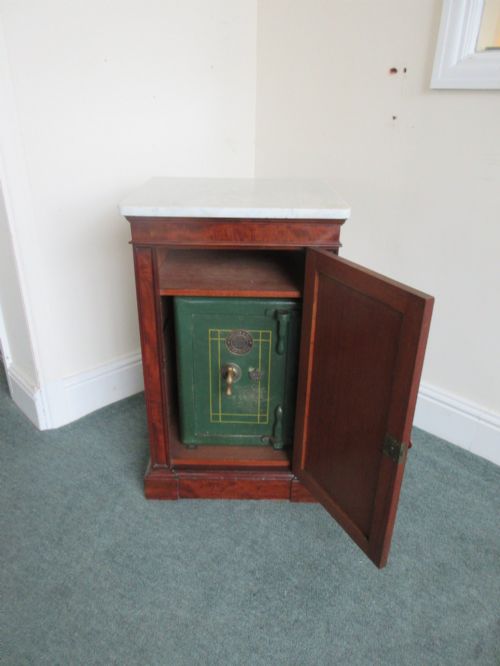
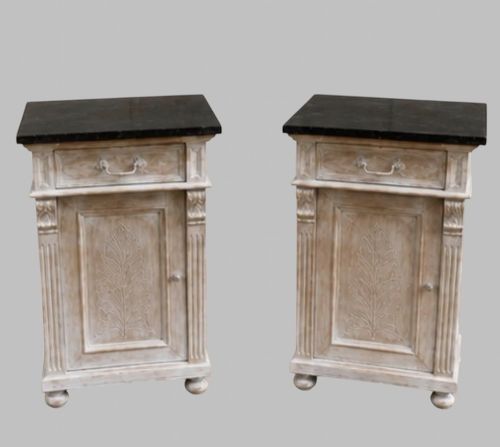
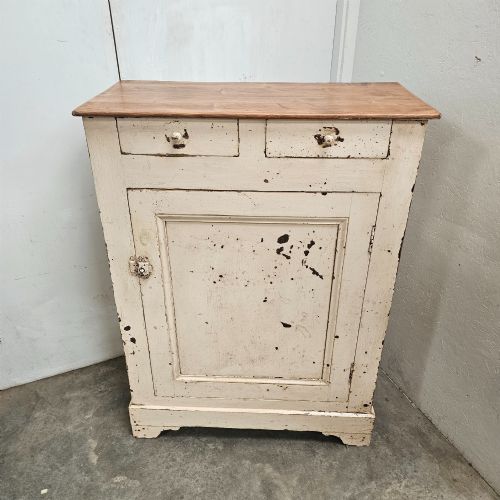
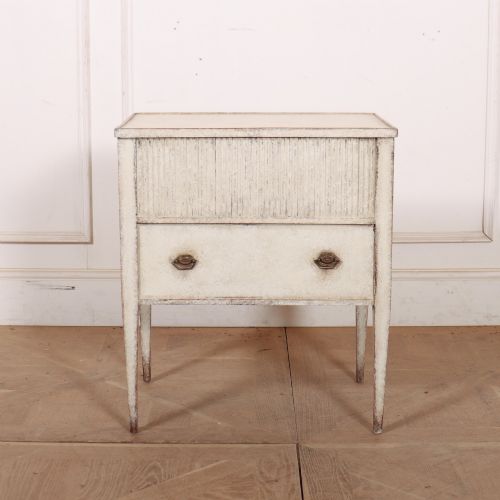
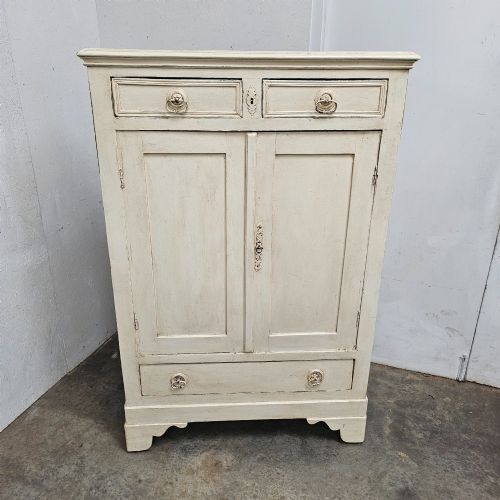
A white antique cupboard encompasses various forms including bedside tables, linen cupboards, bookcases, and larger dressers finished in paint.
You will frequently encounter pieces originating from English, French, Swedish, and continental workshops dating across the eighteenth, nineteenth, and early twentieth centuries.
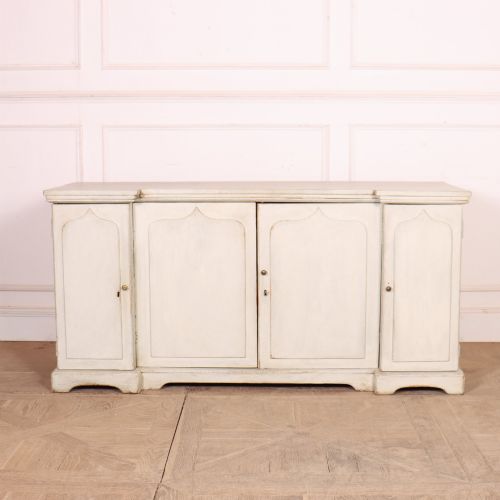
The selection ranges from compact bedside cabinets to substantial glazed bookcases and shop fittings, uniting functional storage with historical painted surfaces.
How they were made
Carpenters utilised primary timbers such as pine, oak, and mahogany, often applying painted finishes to create the characteristic white or light surfaces.
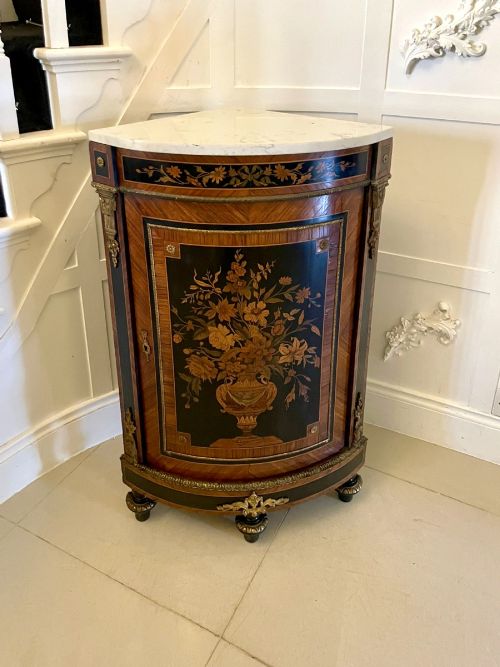
Surface details frequently incorporate marble tops, brass hardware, and glass panels alongside marquetry inlay on select continental examples.
Construction methods rely on traditional joinery suited to each period, from eighteenth-century country pieces to Victorian and Edwardian cabinetmaking.
Materials across the selection include pine, mahogany, oak, marble, brass, and glass alongside painted wood.
What varies in quality
Quality rests upon the proportion and integrity of the timber framework, as well as the preservation of the original painted finish over time.
The sophistication of decorative elements, from brass fittings and marble surfaces to carved mouldings and glazed doors, distinguishes finer examples from simpler vernacular pieces.
The White Cupboard Glossary
- Gustavian
- A Swedish neoclassical style originating in the late eighteenth century, known for light painted finishes and restrained classical ornamentation.
- Enfilade
- A long sideboard or cabinet designed for formal dining rooms, usually featuring a series of cupboards or drawers along one elevation.
- Confiturier
- A small French jam cupboard traditionally used for food storage, typically fitted with a single door and drawer.
- Breakfront
- A piece of furniture where the central section projects forward from the flanking sections, adding architectural depth to bookcases and dressers.
- Marquetry
- The art of applying pieces of veneer to a structure to form decorative patterns, seen on select continental cabinets.
White Cupboard: Frequently Asked Questions
How do I date a painted cupboard?
Dating relies on examining construction techniques, timber choices, and stylistic cues unique to periods like the Victorian era or the eighteenth century.
Nail types, joint construction, and the ageing patterns of the painted surface offer further clues to the age of the piece.
Are these cupboards suitable for modern bedrooms?
Compact forms like bedside tables and small cabinets integrate easily into contemporary sleeping spaces while offering enclosed storage.
Larger linen cupboards and bookcases serve well in hallways and living areas for books and household items.
What is a confiturier?
A confiturier is a traditional French jam cupboard designed for domestic storage.
These compact pieces typically feature a single cupboard door beneath a small drawer, making them versatile for modern rooms.
How should I care for a painted antique?
Maintenance involves dusting with a soft, dry cloth and avoiding harsh chemical cleaners that might damage historical paint layers.
Keeping pieces away from direct heat sources and strong sunlight preserves the stability of the timber and the finish.